
Close Menu
    Facebook X (Twitter) Instagram
    SciTechDaily
    • Biology
    • Chemistry
    • Earth
    • Health
    • Physics
    • Science
    • Space
    • Technology
    Facebook X (Twitter) Pinterest YouTube RSS
    SciTechDaily
    Home»Health»Alarming 500% Surge: Colorectal Cancer Rates Skyrocket Among U.S. Youths
    Health

    Alarming 500% Surge: Colorectal Cancer Rates Skyrocket Among U.S. Youths

    By Digestive Disease WeekMay 25, 2024No Comments3 Mins Read
    Facebook Twitter Pinterest Telegram LinkedIn WhatsApp Email Reddit
    Share
    Facebook Twitter LinkedIn Pinterest Telegram Email Reddit
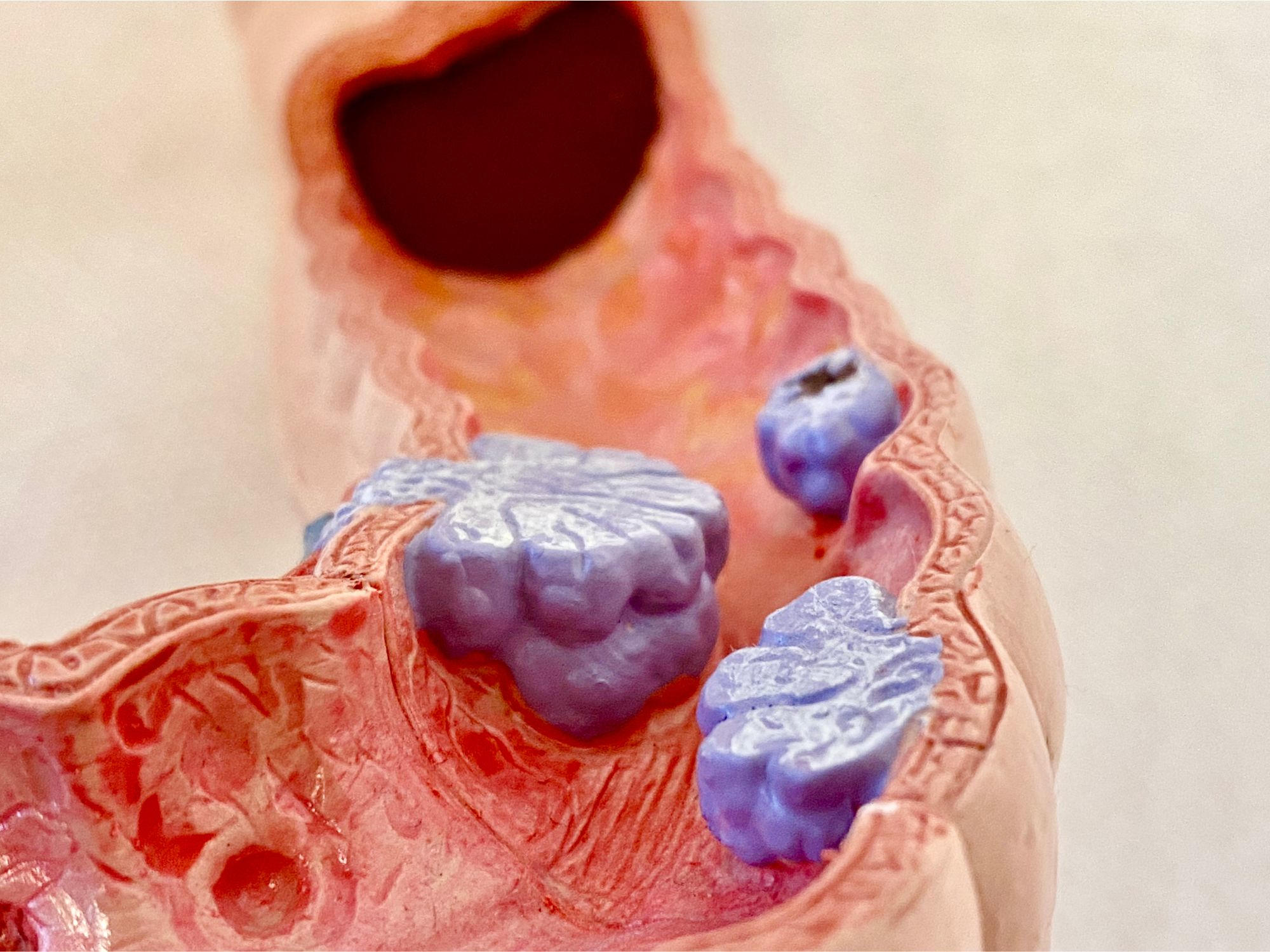
    Anatomical Model Colon Cancer
    The incidence of colorectal cancer has markedly risen among U.S. youth over the past two decades, influenced by both genetic and lifestyle factors, highlighting the need for heightened awareness and tailored preventive measures.

    The incidence of colorectal cancer among younger people in the U.S. has been steadily rising over the past two decades, with the most significant increases observed in the youngest age groups. A study recently presented at Digestive Disease Week (DDW) 2024 found that from 1999 to 2020, the rate of colorectal cancers increased by 500% among children aged 10 to 14, 333% among teenagers aged 15 to 19, and 185% among young adults aged 20 to 24.

    “Colorectal cancer is no longer considered just a disease of the elderly population,” said lead researcher Islam Mohamed, MD, an internal medicine resident physician at the University of Missouri-Kansas City. “It’s important that the public is aware of signs and symptoms of colorectal cancer.”

    Risk factors include a family history of inflammatory bowel disease or colorectal cancer. Modifiable risk factors include obesity, tobacco use, alcohol consumption, and dietary habits such as low fiber intake, consumption of processed meats or sugar-sweetened beverages, and a high-fat diet. A sedentary lifestyle, the presence of bacteria that tend to cause tumors, antibiotic usage, and dietary additives are potential, but not firmly established, contributors to colorectal cancer risk.

    Trends and Diagnosis in Young Populations

    Using data from the Centers for Disease Control (CDC) Wonder Database, Mohamed’s team calculated trends in colorectal cancer rates for people ages 10 to 44 from 1999 to 2020.

    The number of colorectal cancer cases among children and teens is not high enough to suggest widespread colonoscopy screening, but more tailored approaches should be considered, Mohamed said. In 2020, only .6 children ages 10 to 14 per 100,000 population were diagnosed compared to .1 per 100,000 in 1999. Diagnoses in teens aged 15 to 19 went from .3 to 1.3 per 100,000, and in young adults ages 20 to 24, cases rose from .7 to 2 per 100,000.

    The most common symptoms for colorectal cancer identified in patients with early-onset colorectal cancer were changes in bowel habits in terms of either constipation or diarrhea, abdominal pain, rectal bleeding, and signs of iron deficiency anemia, Mohamed said.

    Escalations were also found in the higher age brackets, with rates rising by 71% to 6.5 per 100,000 people in ages 30 to 34 and by 58% to 11.7 per 100,000 in ages 35 to 39 in 2020. While the 40-to-44 age group had a lower percentage increase of 37%, this group had the highest incidence rate, reaching 20 per 100,000 people in 2020.

    Meeting: Digestive Disease Week (DDW) 2024

    Never miss a breakthrough: Join the SciTechDaily newsletter.
    Follow us on Google and Google News.

    Cancer Colon Epidemiology Popular
    Share. Facebook Twitter Pinterest LinkedIn Email Reddit

    Related Articles

    Landmark Study Links Never Marrying to Significantly Higher Cancer Risk

    Colorectal Cancer Is on the Rise: Mayo Clinic Doctor Reveals 4 Keys Symptoms You Should Know

    Artemisia herba-alba: Scientists Have Discovered That a Common Herb Could Help Treat Colon Cancer

    New Study Links Red Meat to Rising Colon Cancer Risk in Young Adults

    How To Lower Your Risk of Developing Colorectal Cancer  

    A Low-Cost Drug From the 1960s Could Help Treat Colon Cancer

    Johns Hopkins Doctors Discover That a Common Infection May Cause Cancer

    Night-Time Exposure to Blue Light – Including Many Tablet and Phone Screens – Associated With Increased Risk of Cancer

    Beer Consumption Linked to Higher Prostate Cancer Risk

    Leave A Reply Cancel Reply

    • Facebook
    • Twitter
    • Pinterest
    • YouTube

    Don't Miss a Discovery

    Subscribe for the Latest in Science & Tech!

    Trending News

    Why Popular Diabetes Drugs Like Ozempic Don’t Work for Everyone: The “Genetic Glitch”

    Scientists Stunned After Finding Plant Thought Extinct for 60 Years

    Scientists Discover Tiny New Spider That Hunts Prey 6x Its Size

    Natural Component From Licorice Shows Promise for Treating Inflammatory Bowel Disease

    Scientists Warn: Popular Sweetener Linked to Dangerous Metabolic Effects

    Monster Storms on Jupiter Unleash Lightning Beyond Anything on Earth

    Scientists Create “Liquid Gears” That Spin Without Touching

    The Simple Habit That Could Help Prevent Cancer

    Follow SciTechDaily
    • Facebook
    • Twitter
    • YouTube
    • Pinterest
    • Newsletter
    • RSS
    SciTech News
    • Biology News
    • Chemistry News
    • Earth News
    • Health News
    • Physics News
    • Science News
    • Space News
    • Technology News
    Recent Posts
    • 100,000-Year-Old Neanderthal Fossils in Poland Reveal Unexpected Genetic Connections
    • Unexpected Hormone Discovery Could Change How We Treat Arthritis
    • Scientists Supercharge “Natural Killer” Cells To Break Through Cancer’s Defenses
    • Simple “Gut Reset” May Prevent Weight Gain After Ozempic or Wegovy
    • 2.8 Days to Disaster: Scientists Warn Low Earth Orbit Could Suddenly Collapse
    Copyright © 1998 - 2026 SciTechDaily. All Rights Reserved.
    • Science News
    • About
    • Contact
    • Editorial Board
    • Privacy Policy
    • Terms of Use

    Type above and press Enter to search. Press Esc to cancel.