
Close Menu
    Facebook X (Twitter) Instagram
    SciTechDaily
    • Biology
    • Chemistry
    • Earth
    • Health
    • Physics
    • Science
    • Space
    • Technology
    Facebook X (Twitter) Pinterest YouTube RSS
    SciTechDaily
    Home»Earth»“Alarming” Disconnected World: More Than 90% of Protected Areas Are Isolated in a Sea of Human Activities
    Earth

    “Alarming” Disconnected World: More Than 90% of Protected Areas Are Isolated in a Sea of Human Activities

    By University of QueenslandSeptember 11, 2020No Comments3 Mins Read
    Facebook Twitter Pinterest Telegram LinkedIn WhatsApp Email Reddit
    Share
    Facebook Twitter LinkedIn Pinterest Telegram Email Reddit
    Disconnected World
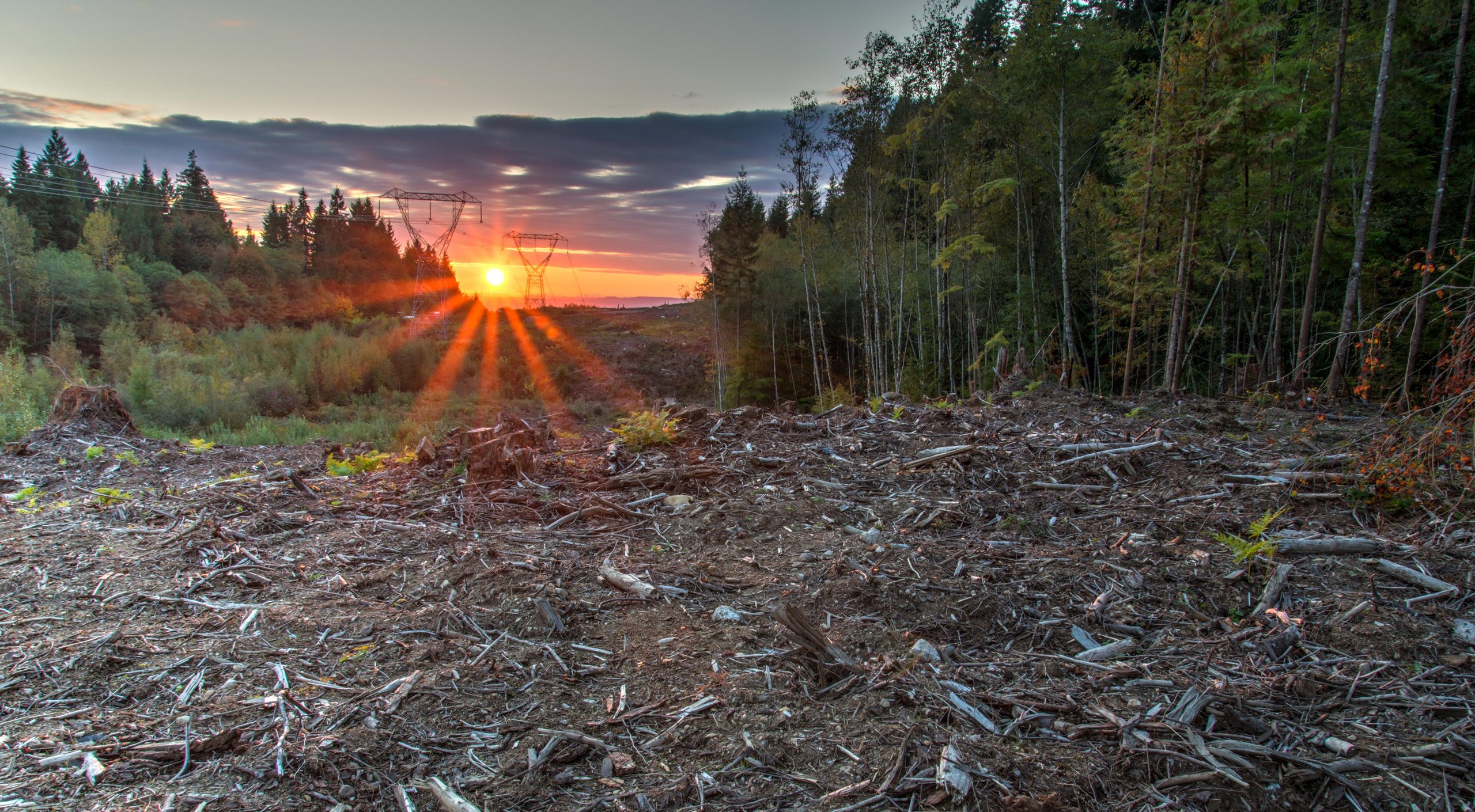
    “More than 90 percent of protected areas are isolated, in a sea of human activities.” Credit: James Wheeler

    Ongoing land clearing for agriculture, mining, and urbanization is isolating and disconnecting Earth’s protected natural areas from each other, a new study shows.

    Lead author Michelle Ward, from The University of Queensland’s School of Earth and Environmental Sciences, said the findings were “alarming.”

    “Protected areas are vital for the protection and survival of plants, animals, and ecosystems,” Ms. Ward said. “When intact, healthy habitat connects these protected areas, species can migrate, escape danger such as fires, and track their preferred microclimates under rapid climate change.

    “Our research shows 40 percent of the terrestrial planet is intact, but only 9.7 percent of Earth’s terrestrial protected network can be considered structurally connected. This means more than 90 percent of protected areas are isolated, in a sea of human activities.”

    The study shows that, on average, 11 percent of each country and territory’s protected area estate can be considered connected. Under international agreements, the global protected area network must be well connected and cover 17 percent of land.

    The study revealed, however, that only nine countries and territories — 4.6 percent of them — have greater than 17 percent of their land protected, and maintain greater than 50 percent connectivity.

    “On a positive note, our study provides a common framework — previously absent — for countries and territories to assess the connectivity performance of their existing and future protected areas, with access to information and metrics,” Ms. Ward said.

    Professor James Watson of UQ and the Wildlife Conservation Society said the research highlighted the importance of better locating future protected areas and the need for more emphasis on wide-scale habitat protection and restoration.

    “Protected areas increasingly are becoming the only tool conservationists talk about, but most nature lives beyond the protected area boundary,” Professor Watson said. We need national and global conservation goals that address whole-of-landscape conservation and targets that halt the destruction of habitat between protected areas.

    “Most of nature has no chance if it’s to survive in just 20 percent of the world.

    “We hope this study provides essential information for conservation and development planning, helping guide future national and global conservation agendas.”

    Reference: “Just ten percent of the global terrestrial protected area network is structurally connected via intact land” by Michelle Ward, Santiago Saura, Brooke Williams, Juan Pablo Ramírez-Delgado, Nur Arafeh-Dalmau, James R. Allan, Oscar Venter, Grégoire Dubois and James E. M. Watson, 11 September 2020, Nature Communications.
    DOI: 10.1038/s41467-020-18457-x

    Never miss a breakthrough: Join the SciTechDaily newsletter.
    Follow us on Google and Google News.

    Ecology Environment University of Queensland
    Share. Facebook Twitter Pinterest LinkedIn Email Reddit

    Related Articles

    Only 15% of Coastal Regions Around the World Remain Intact – Urgent Need for Global Conservation

    Lakes Worldwide Are Experiencing More Severe Algal Blooms – Costing of Billions of Dollars per Year

    Nature Documentaries Don’t Show Threats to Nature, but Increasingly Talk About Them

    An Invasive Grass Species Spreads Wildfires Quicker

    Deforestation Adds More Atmospheric CO2 Than the Sum Total of Cars & Trucks on the World’s Roads

    New Chinese Survey Reveals Extensive Coastal Pollution

    Carbon Absorption by Plants Limited by the Abundance of Soil Nutrients

    Nitrogen Pollution Is Altering Sensitive Ecosystems

    Cloud Forests are at Risk of Destruction from Global Warming

    Leave A Reply Cancel Reply

    • Facebook
    • Twitter
    • Pinterest
    • YouTube

    Don't Miss a Discovery

    Subscribe for the Latest in Science & Tech!

    Trending News

    Millions Take These IBS Drugs, But a New Study Finds Serious Risks

    Scientists Unlock Hidden Secrets of 2,300-Year-Old Mummies Using Cutting-Edge CT Scanner

    Bread Might Be Making You Gain Weight Even Without Eating More Calories

    Scientists Discover Massive Magma Reservoir Beneath Tuscany

    Europe’s Most Active Volcano Just Got Stranger – Here’s Why Scientists Are Rethinking It

    Alzheimer’s Symptoms May Start Outside the Brain, Study Finds

    Millions Take This Popular Supplement – Scientists Discover a Concerning Link to Heart Failure

    The Universe Is Expanding Too Fast and Scientists Can’t Explain Why

    Follow SciTechDaily
    • Facebook
    • Twitter
    • YouTube
    • Pinterest
    • Newsletter
    • RSS
    SciTech News
    • Biology News
    • Chemistry News
    • Earth News
    • Health News
    • Physics News
    • Science News
    • Space News
    • Technology News
    Recent Posts
    • Simple Blood Test May Predict Alzheimer’s Years Before Brain Scans Show Signs
    • Scientists Say Adding This Unusual Seafood to Your Diet Could Reverse Signs of Aging
    • U.S. Waste Holds $5.7 Billion Worth of Crop Nutrients
    • Scientists Say a Hidden Structure May Exist Inside Earth’s Core
    • Doctors Surprised by the Power of a Simple Drug Against Colon Cancer
    Copyright © 1998 - 2026 SciTechDaily. All Rights Reserved.
    • Science News
    • About
    • Contact
    • Editorial Board
    • Privacy Policy
    • Terms of Use

    Type above and press Enter to search. Press Esc to cancel.