
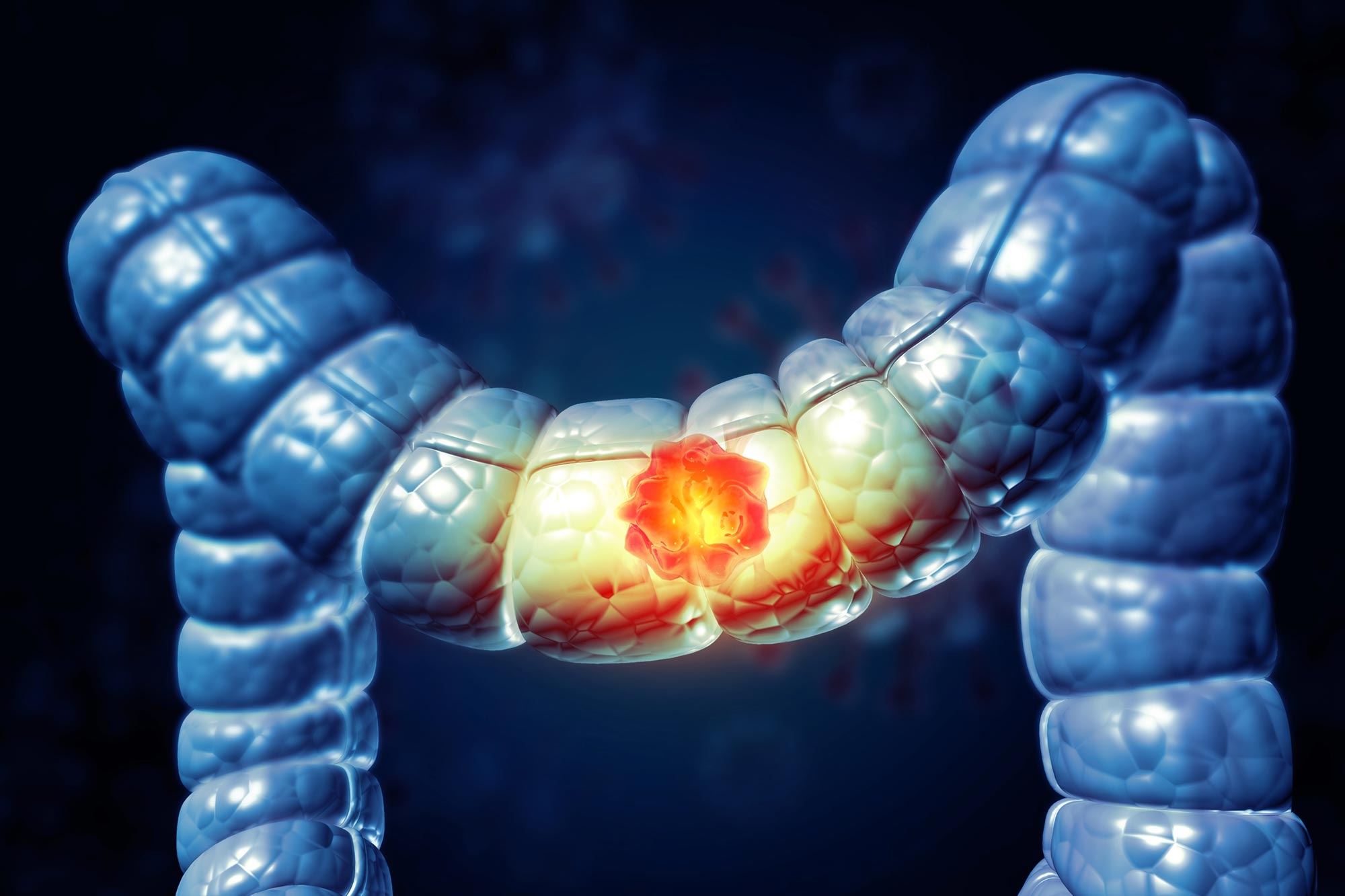
Heavy drinking raises colorectal cancer risk, but quitting alcohol may help turn the odds back in your favor.
Researchers have long known that drinking alcohol is linked to a higher risk of colorectal cancer. New findings now show that how much a person drinks over their entire lifetime also plays a key role, with especially strong effects seen for rectal cancer. The research also suggests that stopping alcohol use may reduce cancer risk. The study was published today (January 26) in CANCER, a peer-reviewed journal of the American Cancer Society.
Large US Study Tracks Cancer Outcomes Over Time
The research team examined data from US adults who took part in the National Cancer Institute (NCI) Prostate, Long, Colorectal, and Ovarian (PLCO) Cancer Screening Trial and had no cancer when the study began. Over a 20-year follow-up period, 1,679 cases of colorectal cancer were diagnosed among 88,092 participants.
Heavy Lifetime Drinking Linked to Higher Cancer Risk
People who were current drinkers and averaged at least ≥14 drinks per week over their lifetime were classified as heavy drinkers. Compared with individuals who averaged <1 drink per week across their lives, heavy drinkers had a 25% higher risk of developing colorectal cancer. Their risk of rectal cancer was even higher, increasing by 95%.
Drinking Patterns Over Adulthood Matter
When researchers looked at drinking habits over time, they found that people who drank heavily throughout adulthood faced a 91% higher risk of colorectal cancer compared with those who consistently drank lightly. Former drinkers, however, did not show evidence of increased colorectal cancer risk.
In addition, former drinkers had lower odds of developing noncancerous colorectal tumors, known as adenomas (which may go on to become cancerous), than current drinkers who averaged <1 drink per week. These findings suggest that quitting alcohol may reduce risk, although the researchers note that the data in this group were limited.
Possible Biological Explanations
Scientists believe the increased cancer risk linked to alcohol may be caused by carcinogens produced when the body breaks down alcohol or by alcohol’s impact on gut microbes. More research is needed to confirm whether these biological mechanisms directly explain the observed risks.
Researchers See Encouraging Signs for Former Drinkers
“Our study is one of the first to explore how drinking alcohol over the life course relates to both colorectal adenoma and colorectal cancer risk. While the data on former drinkers were sparse, we were encouraged to see that their risk may return to that of the light drinkers,” said co–senior author Erikka Loftfield, PhD, MPH, of the NCI, part of the National Institutes of Health.
Reference: “Association of alcohol intake over the lifetime with colorectal adenoma and colorectal cancer risk in the Prostate, Lung, Colorectal, and Ovarian Cancer Screening Trial” by Caitlin P. O’Connell, Sonja I. Berndt, Kenechukwu Chudy-Onwugaje, Andrew Kunzmann, Wen-Yi Huang, Kathryn Hughes Barry and Erikka Loftfield, 26 January 2026, Cancer.
DOI: 10.1002/cncr.70201
Never miss a breakthrough: Join the SciTechDaily newsletter.
Follow us on Google and Google News.