
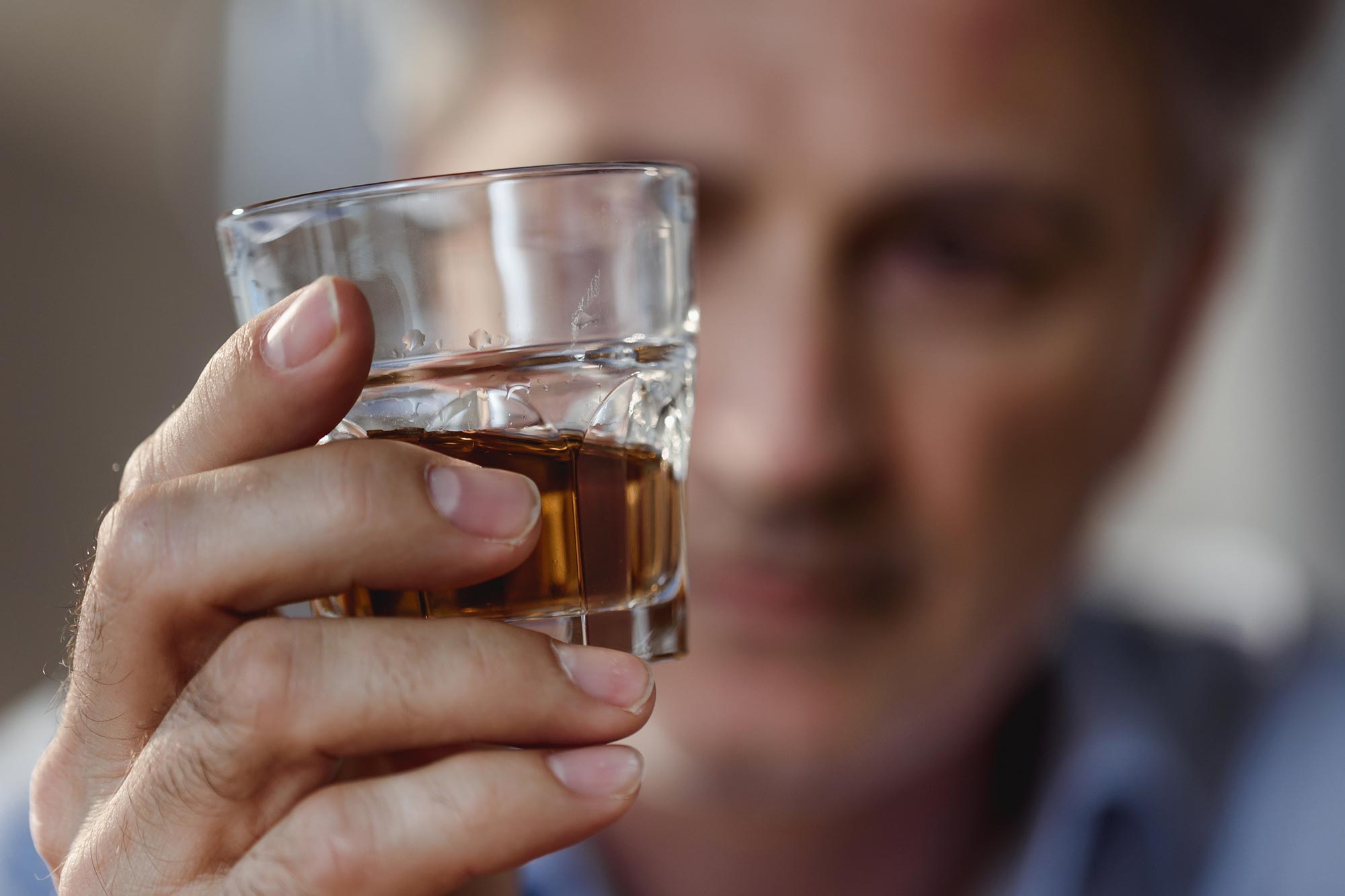
Many Americans are unaware of alcohol’s link to cancer, influenced by decades of marketing and media depictions.
Although the Centers for Disease Control and Prevention (CDC) says that you can “lower your risk for cancer by drinking less alcohol or not drinking at all,” Annenberg Public Policy Center (APPC) data show that less than half of Americans know that regularly drinking alcohol increases the risk of later developing cancer.
The CDC reports that more than half of U.S. adults drink alcohol, 17% binge drink, and 6% drink heavily. The conclusion that alcohol consumption carries significant health risks is backed by systematic reviews as well as meta-analyses focused on the association between alcohol consumption and the risk of death from any cause.
The survey findings come from APPC’s nationally representative Annenberg Science and Public Health (ASAPH) Knowledge survey, which was conducted with a panel of more than 1,700 U.S. adults in September 2024.

Although 40% of survey respondents were aware that regularly consuming alcohol increases the chance of later developing cancer, 40% were not sure whether that is true, and 20% reported inaccurate beliefs (either that it would have no effect or that it would decrease the chance of developing cancer).
“Public health messages about the risks associated with drinking alcohol have to overcome the effects of decades of sophisticated marketing and positive media portrayals,” noted Patrick E. Jamieson, who directs APPC’s Annenberg Health and Risk Communication Institute.
APPC’s Annenberg Science and Public Health knowledge survey
The survey data come from the 21st wave of a nationally representative panel of 1,744 U.S. adults conducted for the Annenberg Public Policy Center by SSRS, an independent market research company. Most have been empaneled since April 2021. To account for attrition, small replenishment samples have been added over time using a random probability sampling design. The most recent replenishment, in September 2024, added 360 respondents to the sample. This wave of the Annenberg Science and Public Health Knowledge (ASAPH) survey was fielded Sept. 13-22 and Sept. 26-30, 2024. The margin of sampling error (MOE) is ± 3.5 percentage points at the 95% confidence level. All figures are rounded to the nearest whole number and may not add to 100%. Combined subcategories may not add to totals in the topline and text due to rounding.
Download the topline and the methods report.
The policy center has been tracking the American public’s knowledge, beliefs, and behaviors regarding vaccination, Covid-19, flu, RSV, and other consequential health issues through this survey panel over the past three-and-a-half years. In addition to Patrick E. Jamieson, APPC’s team on the survey includes research analysts Laura A. Gibson and Shawn Patterson Jr., Ken Winneg, managing director of survey research, and Kathleen Hall Jamieson, director of the policy center.
Never miss a breakthrough: Join the SciTechDaily newsletter.
Follow us on Google and Google News.
7 Comments
More than half of Americans are unaware of a great deal of things, but thanks for the update.
The conclusion that alcohol consumption significantly reduces many health risks is also backed by systematic reviews and meta-analyses. I’ve seen the risks including cancer, but the article oversteps the evidence and strays into advocacy about marketing and media.
If Walter Annenberg knew his name was on an organization now trying to dissuade Americans from enjoying alcohol, he’d want his name back.
People who enjoy alcohol is enjoying venom
I mean, people who like alcohol are enjoying poison.
Sure, if they like wood or rubbing alcohol! Ethanol’s not technically poisonous, though one of its intermediate metabolic byproducts (acetaldehyde) is.
All good things in excess are poison. The dosage makes the poison.
Not always is the dosage that makes the poison. What happens when you drink a
small quantity of mineral water? What happens if you drink a small quantity of an alcoholic beverage? Despite the dosage, the mineral water will not intoxicate , but you can’t say the same about the alcoholic beverage.
I can. Pharmacologically, both alcohol and water are considered drugs. Drinking a small quantity of alcohol will not intoxicate. A large amount of alcohol may intoxicate or at higher doses can even be fatal. Drinking a larger amount of water will cause water intoxication (water poisoning) which causes erratic heart rhythm, edema, coma, and death. For example, there is evidence both Bruce Lee and Andy Warhol both died from this. A far larger dose of water will cause death by drowning.
You don’t have to drink alcohol if you don’t want to, but if you accidentally drink a small amount, don’t worry, you will be fine. A single molecule of even the most deadly poison will not cause harm. Even a large dose of alcohol into intoxication probably won’t cause permanent harm. The dose makes the poison.