
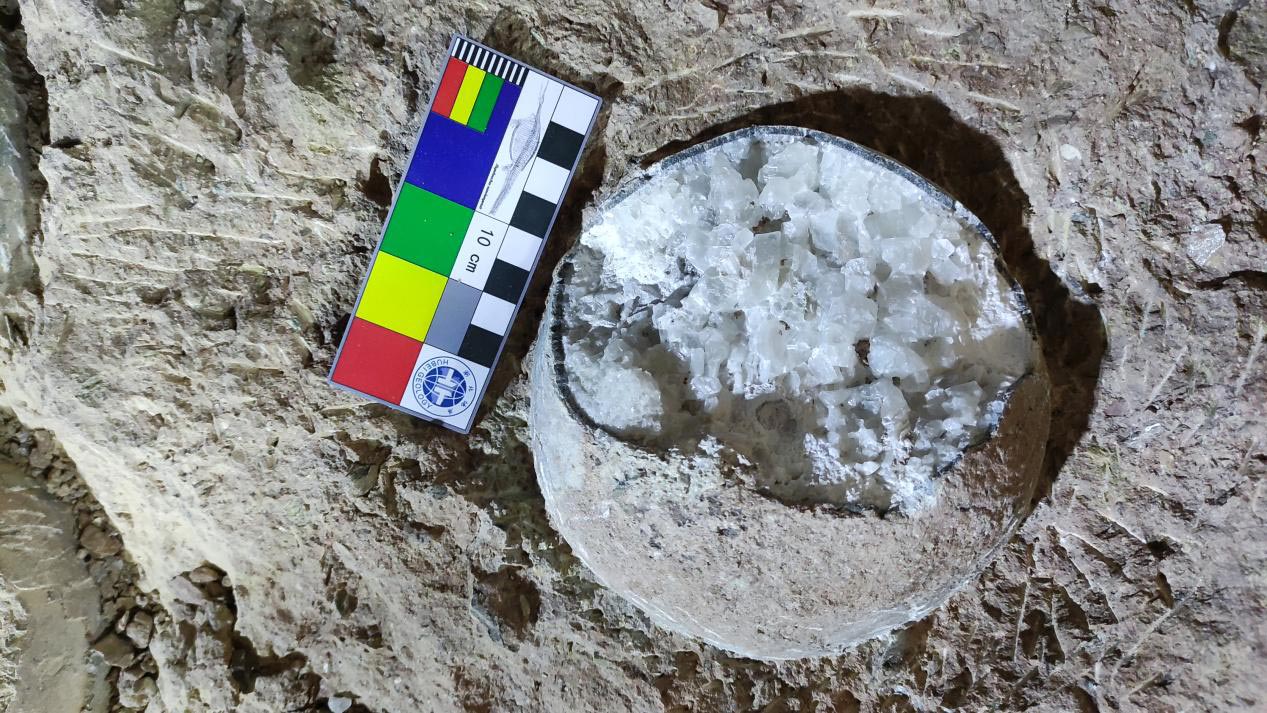
For the first time, scientists have dated dinosaur eggs that lay buried in rock for millions of years, using a groundbreaking new ‘atomic clock for fossils’ method.
During the Cretaceous period, Earth experienced intense volcanic eruptions, widespread depletion of oxygen in the oceans, and multiple mass extinction events. Fossils from this time have been preserved and still provide scientists with valuable insights into what the climate may have been like in different parts of the world.
A group of researchers in China has now analyzed a remarkable set of these fossils: dinosaur eggs discovered at the Qinglongshan site in the Yunyang Basin in central China. For the first time, scientists successfully applied carbonate uranium-lead (U-Pb) dating to determine the age of dinosaur eggs. Their findings were recently published in Frontiers in Earth Science.
“We show that these dinosaur eggs were deposited roughly 85 million years ago, in the Late Cretaceous period,” said corresponding author Dr Bi Zhao, a researcher at the Hubei Institute of Geosciences. “We provide the first robust chronological constraints for these fossils, resolving long-standing uncertainties about their age.”
New dates
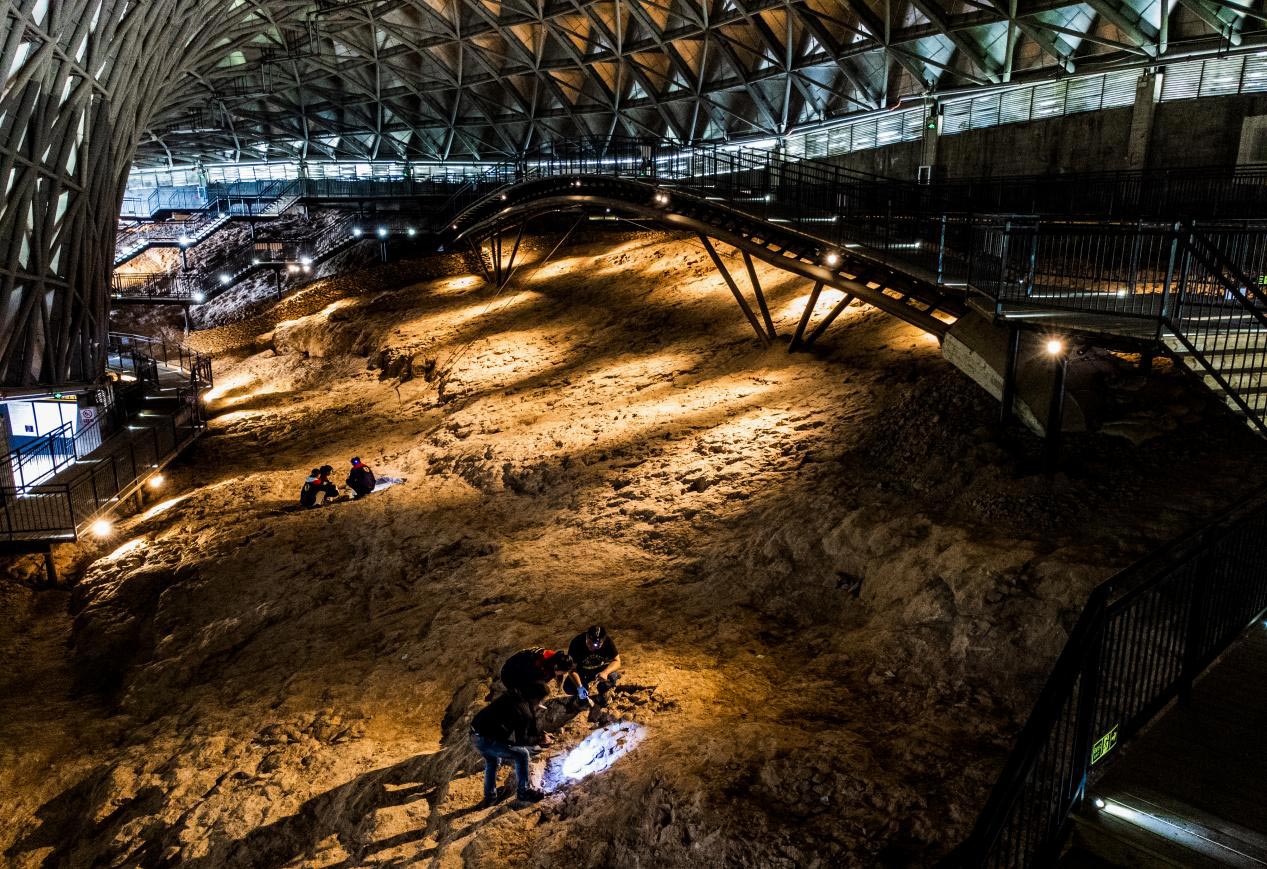
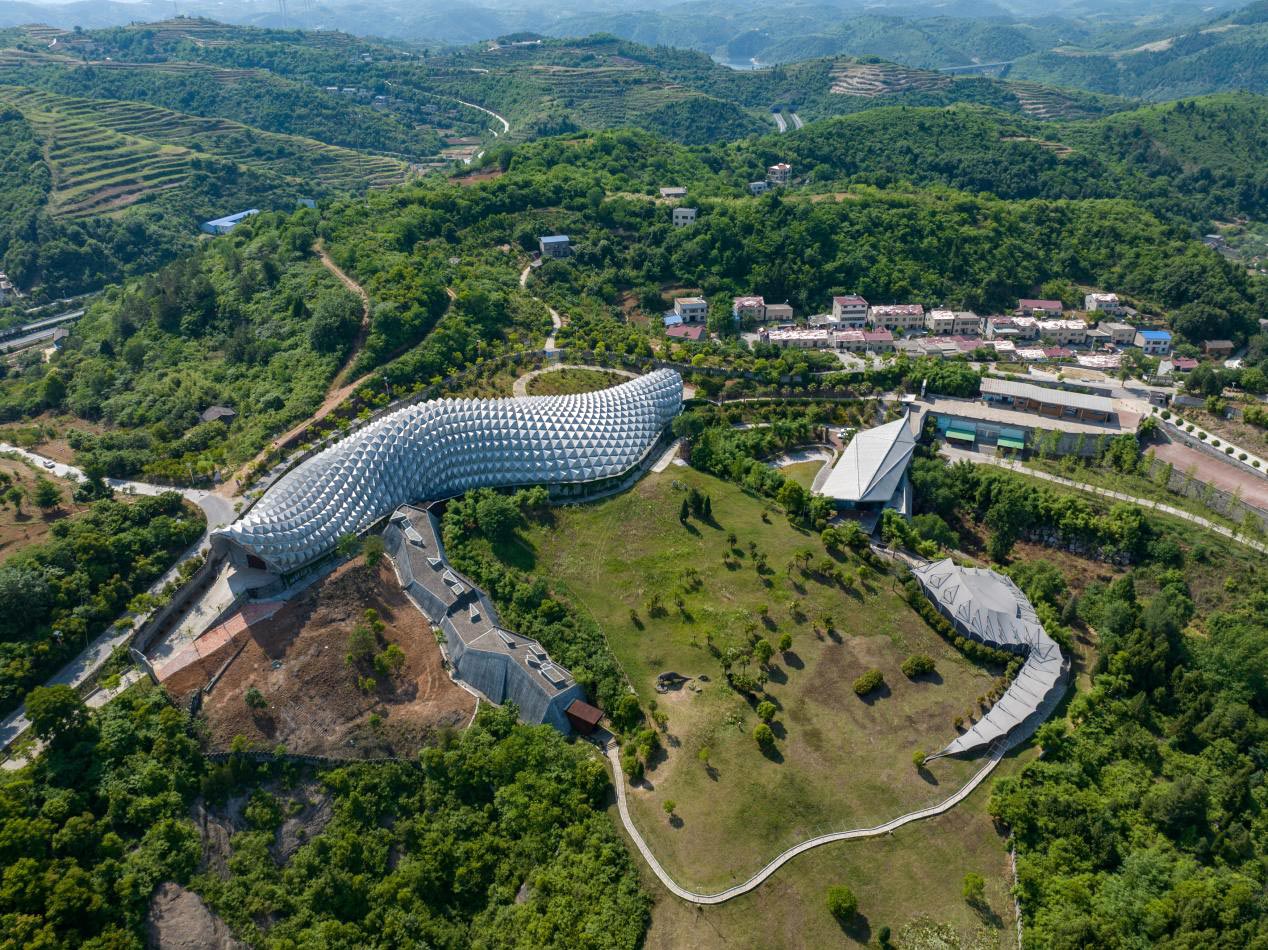
Qinglongshan holds the distinction of being China’s first national reserve dedicated to dinosaur egg fossils. Across three excavation areas, researchers have documented more than 3,000 fossilized eggs. Many of these fossils are preserved within various types of rock, including breccias, mixtures of breccia and siltstone, as well as fine-grained sandstones.
Remarkably, most of the eggs remain in their original positions and show very little distortion. Scientists believe that the majority come from a single species, Placoolithus tumiaolingensis, a member of the Dendroolithidae family known for its unusually porous eggshells. The specimen used in this study, a calcite-filled egg, was taken from a group of 28 eggs embedded in breccia-rich siltstone.
To date the egg, the team used U-Pb dating. “We fired a micro-laser at eggshell samples, vaporizing carbonate minerals into aerosol. This is analyzed by a mass spectrometer to count uranium and lead atoms. Since uranium decays into lead at a fixed rate, we were able to calculate the age by measuring accumulated lead— it’s like an atomic clock for fossils,” Zhao explained.
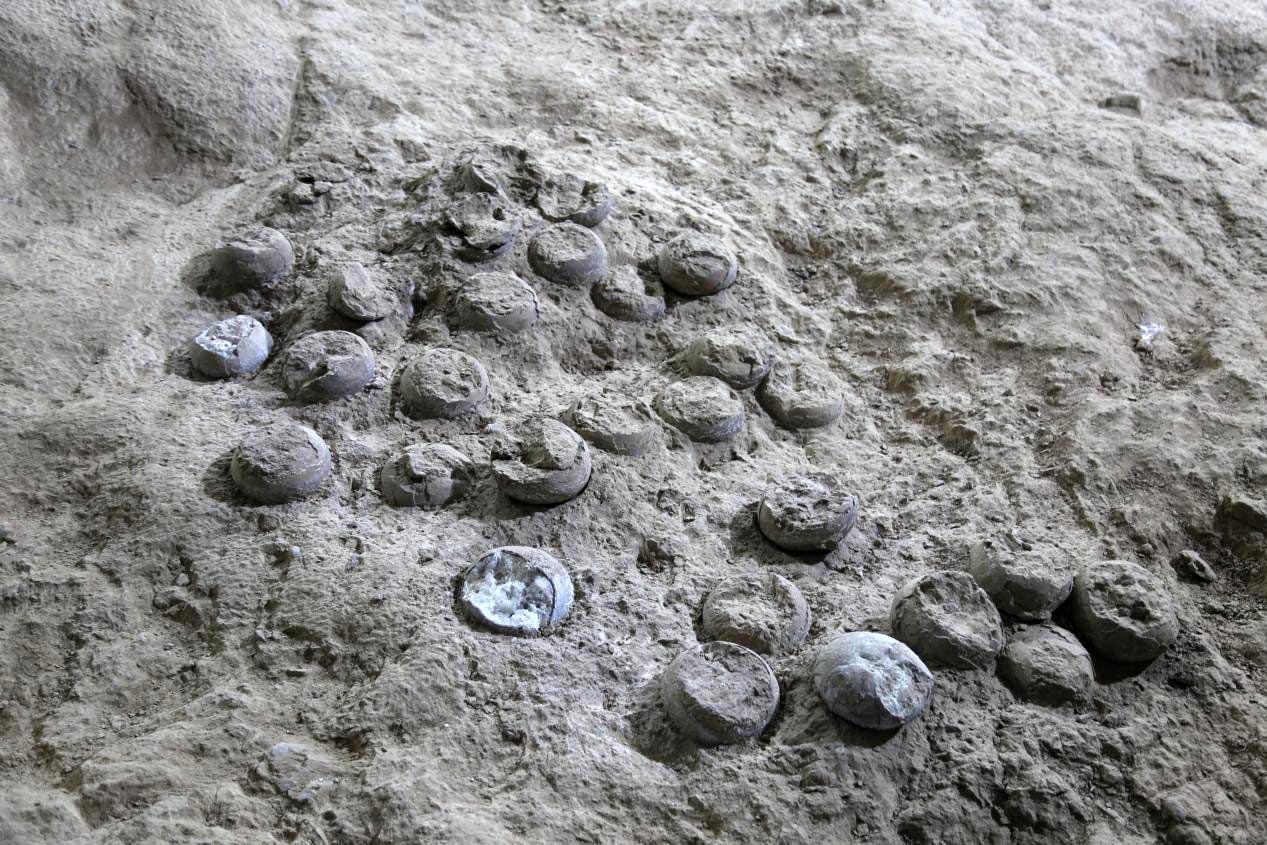
The results showed that the eggs from this cluster were deposited around 85 million years ago, with the possibility of them having been deposited around 1.7 million years earlier or later. Their age means they’ve been laid during the Late Cretaceous, an epoch lasting from approximately 100 to 66 million years ago. They are the first reliably dated fossils from the Qinglongshan site.
Traditionally, dating dinosaur eggs involves indirect methods, such as dating volcanic rock, ash layers, or minerals around eggs. These, however, may have formed before or after the laying of the eggs, or geological processes may have altered them. The method used here allows for precise dating of eggs without having to rely on anything but the eggs themselves. “It revolutionizes our ability to establish global dinosaur egg chronologies,” Zhao said.
Old climates
Global cooling had started several million years before the laying of the eggs, in the Turonian epoch (lasting from approximately 93.9 to 89.8 million years ago). By the time they were laid, temperatures had declined significantly. The transition from a warm to a cooler climate was likely a factor in dinosaurs’ diminishing diversity and may have affected how many eggs were laid by how many species at Qinglongshan.
“Dendroolithids’ specialized pore structures may represent evolutionary adaptations to this climatic shift, as novel egg types emerged worldwide during cooling,” Zhao said. The pore structure of Dendroolithidae eggs, which are markedly different from many other dinosaur eggs, may be one such adaptation. “P. tumiaolingensis may represent an evolutionary dead end where the egg-laying dinosaur population failed to adapt successfully to cooling climates,” Zhao explained.
Although few eggshell samples were examined in this study, all tests confirmed similar ages of egg fragments, which were also consistent with the age of the rocks surrounding the eggs. The team will be expanding sampling to include eggs found in different rock layers, which could help construct a regional timeline. They also said that Dendroolithid eggs in neighboring basins should be examined in the future to trace dinosaur migrations.
“Our achievement holds significant implications for research on dinosaur evolution and extinction, as well as environmental changes on Earth during the Late Cretaceous,” Zhao said. “Such findings can transform fossils into compelling narratives about Earth’s history.”
Reference: “Geological age of the Yunyang dinosaur eggs revealed by in-situ carbonate U-Pb dating and its scientific implications” by Qingmin Chen, Xing Cheng, Jian Wang, Bi Zhao, Shukang Zhang, Youfeng Ning, Gaohong Wang, Kaikai He, Wenshuo Zhang, Dongxiang Yu, Jiangli Li, Yarui Zou, Gang Chen, Min Li and Hai Cheng, 16 July 2025, Frontiers in Earth Science.
DOI: 10.3389/feart.2025.1638838
Never miss a breakthrough: Join the SciTechDaily newsletter.
Follow us on Google and Google News.
4 Comments
can eggs constitute a species?
Quite possibly. Let’s be open to the facts; there’s always time to correct mistaken conclusions. As nature is always apt to cause us to do.
“We fired a micro-laser at eggshell samples, vaporizing carbonate minerals into aerosol. This is analyzed by a mass spectrometer to count uranium and lead atoms. Since uranium decays into lead at a fixed rate, we were able to calculate the age by measuring accumulated lead— it’s like an atomic clock for fossils,”
Except that it appears that calcite has replaced the original organic material, thus giving the age of circulating groundwater resulting in the replacement, not the date the eggs were laid. That is, it resulted in an age, but an age that is undoubtedly younger than the original eggs. The unanswered question is how much younger.
Stupid. You would need to know the age in the first place to know if it was “successful” 🤡 China fakes everything