
Close Menu
    Facebook X (Twitter) Instagram
    SciTechDaily
    • Biology
    • Chemistry
    • Earth
    • Health
    • Physics
    • Science
    • Space
    • Technology
    Facebook X (Twitter) Pinterest YouTube RSS
    SciTechDaily
    Home»Science»Ancient Climate Shift Linked to the Mysterious Extinction of the Real-Life “Hobbit” Humans
    Science

    Ancient Climate Shift Linked to the Mysterious Extinction of the Real-Life “Hobbit” Humans

    By University of WollongongDecember 30, 20252 Comments4 Mins Read
    Facebook Twitter Pinterest Telegram LinkedIn WhatsApp Email Reddit
    Share
    Facebook Twitter LinkedIn Pinterest Telegram Email Reddit
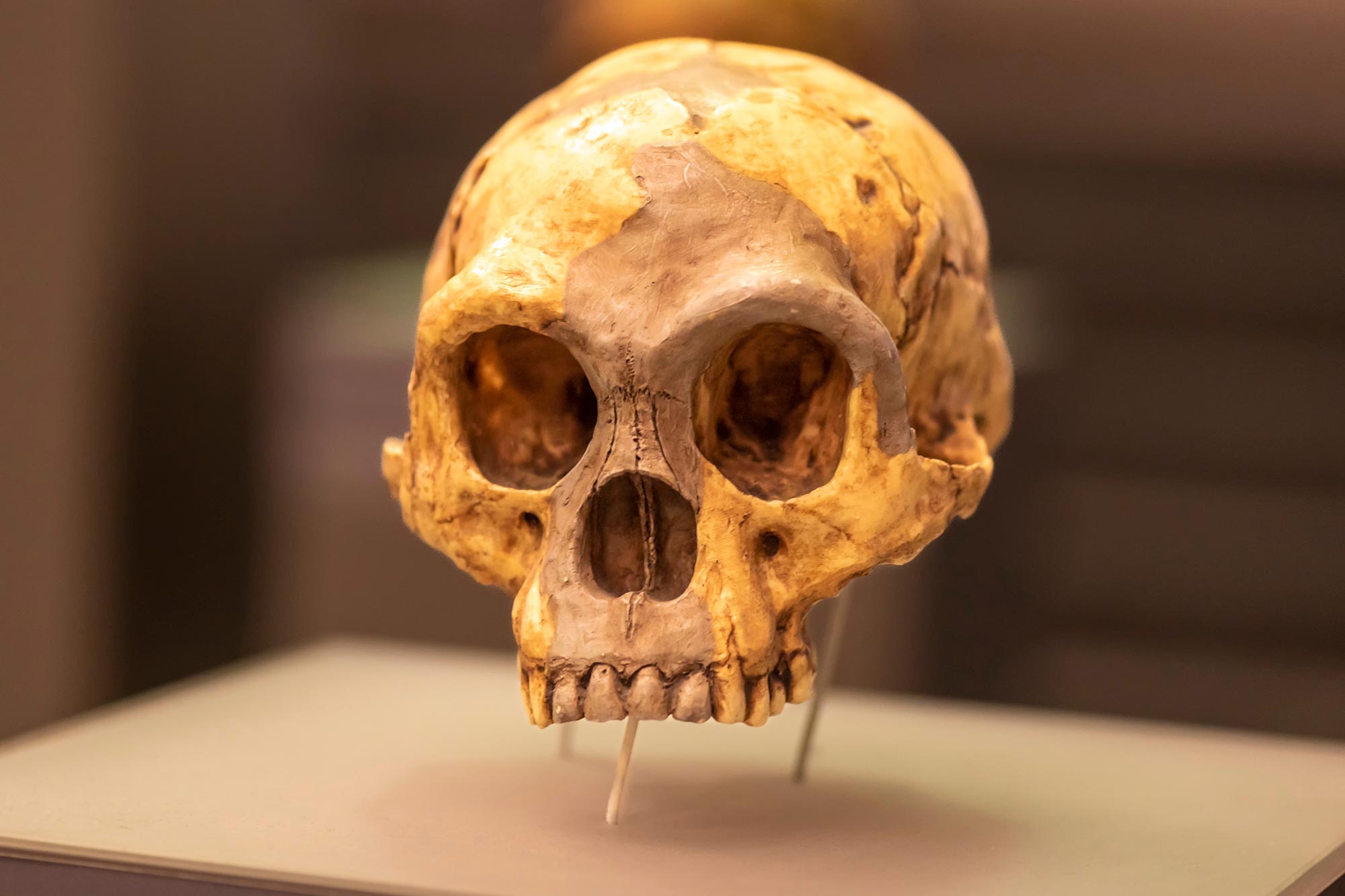
    Homo floresiensis Skull Flores Man Hobbit
    Homo floresiensis is an extinct species of early human that lived on the Indonesian island of Flores during the Late Pleistocene. First discovered in 2003, the species is best known for its unusually small body and brain size, with adults standing about one meter tall, earning it the nickname “hobbit.” Credit: Shutterstock

    A new study links climate stress to the disappearance of the early human species Homo floresiensis, known as the “hobbits” of Flores.

    An international group of researchers, including scientists from the University of Wollongong (UOW), has uncovered strong evidence linking climate change to the disappearance of the early human species Homo floresiensis, commonly called the “hobbits.” Their findings, published in Communications Earth & Environment, suggest that this small-bodied human species left Liang Bua, a cave they had lived in for roughly 140,000 years, during a prolonged period of drought that persisted for thousands of years.

    To reach their conclusions, the researchers analyzed chemical signals preserved in cave stalagmites alongside isotopic evidence from fossilized teeth of a pygmy elephant species (Stegodon florensis insularis) that formed a key part of the hobbits’ diet. These data point to a long-term shift toward drier conditions starting about 76,000 years ago.

    The drying intensified into severe drought between roughly 61,000 and 55,000 years ago, closely matching the period when Homo floresiensis vanished from the area. Ongoing water shortages and growing competition for limited resources likely forced the hobbits to leave Liang Bua and may have contributed to their eventual extinction.

    Liang Luar Caving Team
    The research team on site in Flores, Indonesia. Credit: Garry K Smith

    The findings underscore the powerful role that environmental change can play in shaping the survival of species. In this case, shifts in rainfall patterns appear to have had lasting consequences for one of our closest extinct human relatives.

    Environmental Stress and a Changing Landscape

    “The ecosystem around Liang Bua became dramatically drier around the time Homo floresiensis vanished,” said UOW Honorary Professor Dr Mike Gagan, the lead author of the study. “Summer rainfall fell and river-beds became seasonally dry, placing stress on both hobbits and their prey.”

    Wae Racang Valley Graphic
    Wae Racang valley, where Homo floresiensis and Stegodon once roamed. Credit: University of Wollongong

    The discovery builds on decades of groundbreaking UOW research into Homo floresiensis, first discovered in 2003 in Liang Bua on the Indonesian island of Flores. Dubbed the hobbit due to its tiny stature, Homo floresiensis challenged prevailing theories of human evolution. It disappears from the fossil record around 50,000 years ago, but its fate has remained an enigma.

    A Vanishing Food Source

    The scientists used stalagmites, a natural archive of rainfall, to reconstruct past climate and rainfall. Analysis of oxygen-isotopes in fossil tooth enamel showed the pygmy elephants relied on river water, which became increasingly scarce. The pygmy elephant population fell steeply around 61,000 years ago, meaning that an important food source for the hobbits was disappearing.
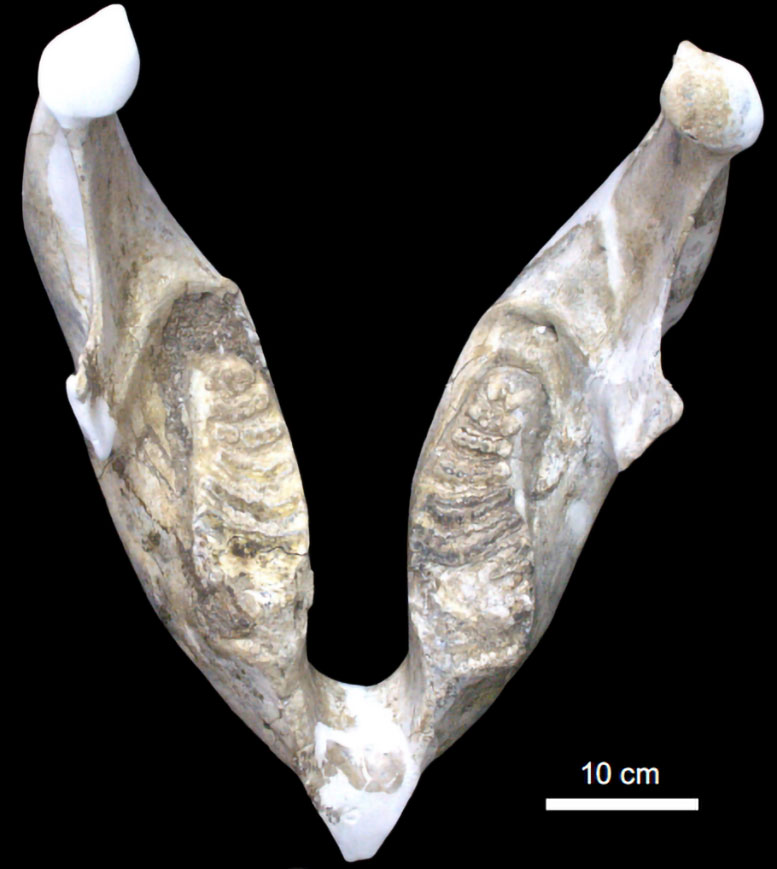
    Stegodon Florensis Jawbone
    Fossil jaw-bone (with adult teeth) from Stegodon florensis insularis at Liang Bua. Credit: Mika R Puspaningrum

    “Surface freshwater, Stegodon and Homo floresiensis all decline at the same time, showing the compounding effects of ecological stress,” UOW Honorary Fellow Dr Gert van den Berg said. “Competition for dwindling water and food probably forced the hobbits to abandon Liang Bua.”

    While Homo floresiensis fossils predate the earliest evidence of modern humans on Flores, Homo sapiens were traversing the Indonesian archipelago around the time the hobbits disappeared.

    “It’s possible that as the hobbits moved in search of water and prey, they encountered modern humans,” Dr Gagan said. “In that sense, climate change may have set the stage for their final disappearance.”\

    Reference: “Onset of summer aridification and the decline of Homo floresiensis at Liang Bua 61,000 years ago” by Michael K. Gagan, Linda K. Ayliffe, Mika R. Puspaningrum, Gerrit D. van den Bergh, Nick Scroxton, Wahyoe S. Hantoro, Heather Scott-Gagan, Scott A. Condie, R. Lawrence Edwards, Hai Cheng, Jian-xin Zhao, John C. Hellstrom, Alena K. Kimbrough, Matthew J. Gagan, Bambang W. Suwargadi, Joan A. Cowley, Bronwyn C. Dixon, Garry K. Smith, Neil Anderson, Henri Wong and Hamdi Rifai, 8 December 2025, Communications Earth & Environment.
    DOI: 10.1038/s43247-025-02961-3

    Never miss a breakthrough: Join the SciTechDaily newsletter.
    Follow us on Google and Google News.

    Anthropology Archaeology Extinction Paleontology Popular University of Wollongong
    Share. Facebook Twitter Pinterest LinkedIn Email Reddit

    Related Articles

    The Southern Arc: Vast Genetic Study Reveals Insights Into Migration Patterns and Language Development

    Human Ancestor Fossils in the “Cradle of Humankind” May Be More Than a Million Years Older Than Thought

    Ancient Proteins Show First Australian People Ate Giant Eggs of Huge Flightless Birds

    “Meat Made Us Human” Evolutionary Narrative Starts To Unravel

    Crystals Reveal Early Humans in the Kalahari 105,000 Years Ago Were As Innovative as Their Coastal Neighbors

    New Biochemical Research Shows Past Tropical Forest Changes Drove Megafauna and Hominin Extinctions

    DNA of Bones Found in Cave Reveals Major Cultural Transition in Europe Took Place Earlier Than Thought

    Earliest Interbreeding Between Ancient Human Populations Discovered – Evolutionary Puzzle Solved

    New Evidence Shows Humans Mastered Fire Earlier Than Thought

    2 Comments

    1. Jay on December 30, 2025 11:21 am

      What’s water, precious? 😅

      Reply
    2. Rob on December 30, 2025 1:12 pm

      So we big ‘uns need less water than t’litte ‘uns?

      Reply
    Leave A Reply Cancel Reply

    • Facebook
    • Twitter
    • Pinterest
    • YouTube

    Don't Miss a Discovery

    Subscribe for the Latest in Science & Tech!

    Trending News

    Scientists Uncover Potential Brain Risks of Popular Fish Oil Supplements

    Scientists Discover a Surprising Way To Make Bread Healthier and More Nutritious

    After 60 Years, Scientists Uncover Unexpected Brain Effects of Popular Diabetes Drug Metformin

    New Research Uncovers Hidden Side Effects of Popular Weight-Loss Drugs

    Scientists Rethink Extreme Warming After Surprising Ocean Discovery

    Landmark Study Links Never Marrying to Significantly Higher Cancer Risk

    Researchers Discover Unknown Beetle Species Just Steps From Their Lab

    Largest-Ever Study Finds Medicinal Cannabis Ineffective for Anxiety, Depression, PTSD

    Follow SciTechDaily
    • Facebook
    • Twitter
    • YouTube
    • Pinterest
    • Newsletter
    • RSS
    SciTech News
    • Biology News
    • Chemistry News
    • Earth News
    • Health News
    • Physics News
    • Science News
    • Space News
    • Technology News
    Recent Posts
    • Early Warning Signals of Esophageal Cancer May Be Hiding in Plain Sight
    • Researchers Have Discovered a THC-Free Cannabis Compound That May Replace Opioids
    • Common Blood Pressure Drug Shows Surprising Power Against Deadly Antibiotic-Resistant Superbug
    • Students Build Dark Matter Detector and Set New Experimental Limits
    • Scientists Discover Caffeine Can Repair Key Memory Circuits After Sleep Loss
    Copyright © 1998 - 2026 SciTechDaily. All Rights Reserved.
    • Science News
    • About
    • Contact
    • Editorial Board
    • Privacy Policy
    • Terms of Use

    Type above and press Enter to search. Press Esc to cancel.