
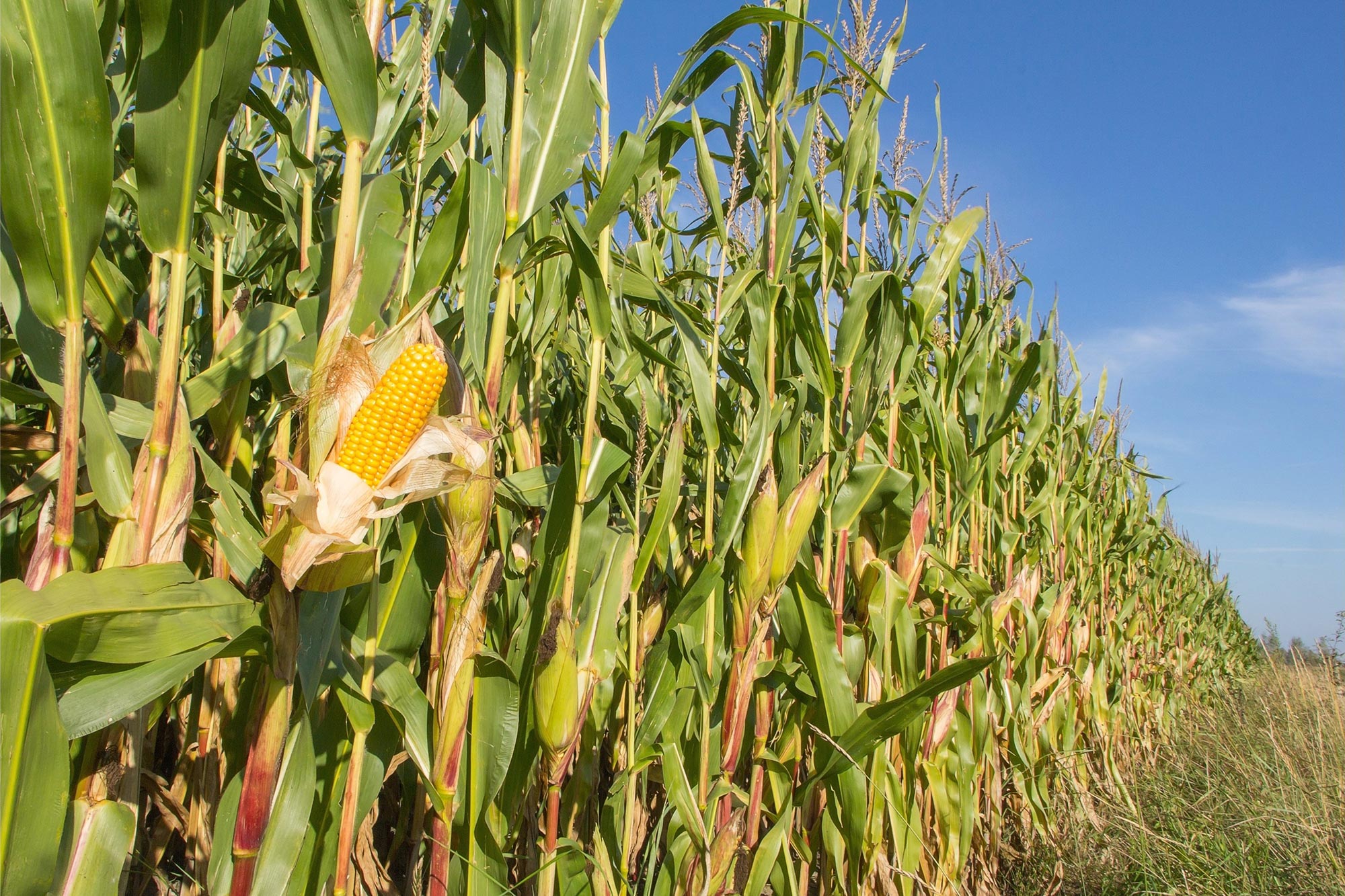
Archaeological samples of grains, straw, and cobs recovered from caves in the Peruaçu Valley exhibit primitive characteristics similar to those of the ancestral plant native to Mexico, where the domestication process is thought to have originated approximately 9,000 years ago.
Brazilian scientists have discovered that ancient specimens of partially domesticated maize (Zea mays, commonly known as corn) from the Peruaçu Valley in Minas Gerais, Brazil, represent the most distant finds from Mexico, the plant’s historical center of origin, ever recorded. Their research findings are detailed in an article published in the journal Science Advances. The study was conducted by a team of researchers from the University of São Paulo (USP) and EMBRAPA, the Brazilian Agricultural Research Corporation.
The findings reinforce the theory, based on genetic evidence from plants alive now, that domestication of maize may also have been completed in South America, as proposed in an article published in 2018 in the journal Science.
The samples of partially domesticated maize analyzed in the study include cobs, straw, and grains from digs conducted in Peruaçu Valley in 1994 by archeologists affiliated with the Federal University of Minas Gerais (UFMG).
“These samples were initially considered specimens of domesticated maize that had failed to grow sufficiently. However, in light of genetic evidence that the final domestication process may have occurred in South America, we analyzed the material again and found several traits shared with the ancestral plant from which maize originated in Mexico 9,000 years ago and that arrived in southwestern Amazonia 6,000 years ago,” said Flaviane Malaquias Costa, first author of the Science Advances article, which reports a study conducted while she was a PhD candidate and postdoctoral researcher at Luiz de Queiroz College of Agriculture (ESALQ-USP). The study was supported by FAPESP, the National Council for Scientific and Technological Development (CNPq, a Brazilian government agency), and the Scientific Research Commission at Uruguay’s University of the Republic (CSIC-UDELAR).

Peruaçu Valley is some 7,150 km from Mexico. The distance from the North American country to southwestern Amazonia, where today’s Brazilian states of Rondônia and Acre are located, is about 2,300 km. The samples are the farthest from the plant’s center of origin ever found with primitive characteristics.
Although archeological evidence points to the presence of human populations in Peruaçu Valley between 10,000 and 9,000 years ago, maize appears to have arrived in the region only some 1,500 years ago. The semi-domesticated samples found there were dated to between 1,010 and 500 years ago, a period largely prior to the arrival of Europeans in South America.
“This shows the importance of past Indigenous communities in selecting, managing, and fixing traits that gave rise to today’s South American maize races [local varieties]. Their descendants continue to do so even now, contributing to the maintenance of our genetic resources,” said Fábio de Oliveira Freitas, penultimate author of the article and a researcher at EMBRAPA Genetic Resources and Biotechnology in Brasília.
By analyzing the specimens from caves in Peruaçu Valley, the researchers were able to determine that they were closely related to the Entrelaçado race present in Rondônia and Acre. “This is one of the races that originated in South America via selection of other populations. We found extant varieties of it during our research project in several locations in Brazil and Uruguay,” said Elizabeth Ann Veasey, a co-author of the article and a professor at ESALQ-USP. She was Costa’s doctoral thesis advisor and principal investigator for a project on maize domestication supported by FAPESP.
Ancestral rows
To distinguish between domesticated and semi-domesticated specimens, the researchers analyzed a number of morphological traits that helped determine their distance from the wild plant, which is known as teosinte.
One of these marker traits is the number of grain rows, with under eight being considered typical of primitive teosinte, a wild grass native to Mexico and first domesticated some 9,000 years ago.
Modern maize races grown in lowland areas of South America have between eight and 26 rows per ear, whereas the archeological samples from Peruaçu Valley have between four and six rows. The researchers analyzed 296 samples, including cobs, straw, and grains.
“We traveled from the remote past to the present, from archeological remains to the extant races and varieties that are still being diversified by traditional peoples, who are the protagonists of this story,” Costa said.
The samples are now being submitted to archeogenetic analysis by foreign partners using cutting-edge techniques, which, if successful, could sequence the whole genome of the maize found in Peruaçu Valley and determine its phylogenetic tree with precision.
Peruaçu Valley has some of the very few caves in the world with rock paintings of crops. In addition to being portrayed on the cave walls, maize has been found in buried baskets, probably as an offering to the dead interred there.
The discovery also has geopolitical implications. Once it has been established that domestication of maize races was completed in Brazil, these genetic resources can no longer be considered exotic, requiring conservation efforts and negotiation of property rights in international treaties.
Reference: “Archaeological findings show the extent of primitive characteristics of maize in South America” by Flaviane Malaquias Costa, Rafael Vidal, Natalia Carolina de Almeida Silva, Elizabeth Ann Veasey, Fabio de Oliveira Freitas and Maria Imaculada Zucchi, 4 September 2024, Science Advances.
DOI: 10.1126/sciadv.adn1466
Never miss a breakthrough: Join the SciTechDaily newsletter.
Follow us on Google and Google News.