
Can plants uncover the survival secrets of Earth’s darkest days?
A research team from University College Cork (UCC), the University of Connecticut, and the Natural History Museum of Vienna has uncovered how plants responded to catastrophic climate change 250 million years ago. Their study, published in GSA Bulletin, details the prolonged recovery of ecosystems following one of Earth’s most extreme warming events: the End-Permian Event.
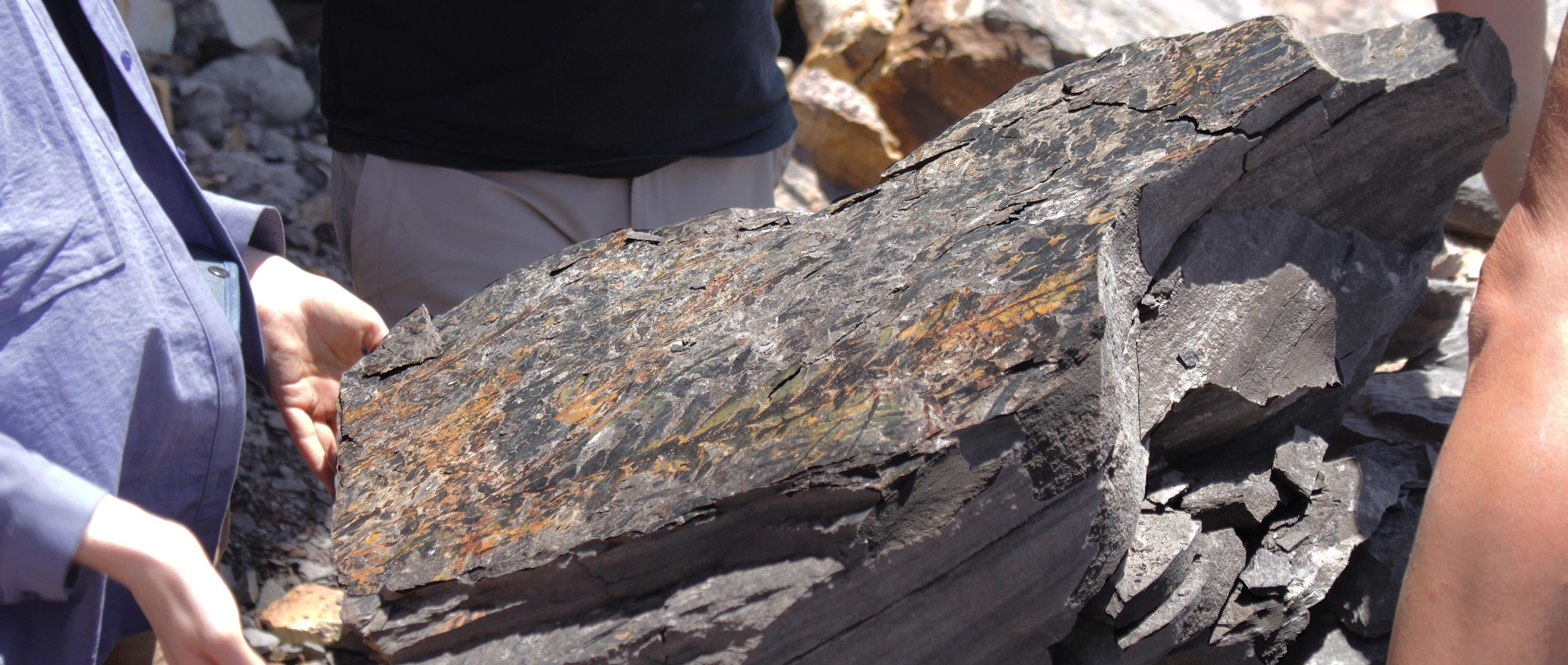
This event, the most severe mass extinction in history, wiped out more than 80% of marine species. However, its impact on terrestrial life has been less understood. By analyzing fossilized plants and rock formations from the Sydney Basin in eastern Australia, the researchers have reconstructed a multi-million-year timeline of plant survival, ecosystem recovery, and the lasting consequences of climate change.
The long, unsteady path to ecosystem recovery
The fossils from these Australian rocks show that conifers, like modern pines, were some of the earliest to colonize the land immediately after the End-Permian catastrophe. But the recovery back to flourishing forests was not smooth sailing.
The researchers discovered that even higher temperatures during the ‘Late Smithian Thermal Maximum’ caused the collapse of these conifer survivors. In turn, they were replaced by tough, shrubby plants resembling modern club mosses. This scorching period lasted for about 700,000 years and made life challenging for trees and other large plants.
It wasn’t until a significant cooling event—the ‘Smithian-Spathian Event’—that large, but unusual plants called ‘seed ferns’ began to flourish and establish more stable forests. These plants eventually came to dominate Earth’s landscapes for millions of years, paving the way for the lush forests during the Mesozoic ‘age of dinosaurs.’
So, after millions of years, the forest ecosystems of the Mesozoic came to look like those from before the end-Permian collapse. But crucially, the plant species that made up the new forests were completely different. “The term ‘recovery’ can be misleading,” says Dr Chris Mays, Leader of the Mass Extinction Group at University College Cork, “forests recover eventually, but extinction is forever.”
What does this mean for us?
By understanding how ancient plant ecosystems weathered extreme climate swings, researchers hope to learn valuable lessons about how modern plants and ecosystems might cope with today’s climate crisis. Ecosystems depend on a fragile balance, with plants as the backbone of land food webs and climate regulation.
“This research highlights how crucial plants are, not just as the base of land food chains, but also as natural carbon sinks that stabilize Earth’s climate,” explains UCC researcher, Marcos Amores, the study’s lead author. “The disruption of these systems can have impacts lasting hundreds of thousands of years, so protecting today’s ecosystems is more important than ever.”
This deep dive into Earth’s distant past reminds us that plants are unsung heroes of life on Earth—then, now, and in the future.
Reference: “Age-controlled south polar floral trends show a staggered Early Triassic gymnosperm recovery following the end-Permian event” by Marcos Amores, Tracy D. Frank, Christopher R. Fielding, Michael T. Hren and Chris Mays, 6 March 2025, GSA Bulletin.
DOI: 10.1130/B38017.1
Never miss a breakthrough: Join the SciTechDaily newsletter.
Follow us on Google and Google News.
1 Comment
“The researchers discovered that even higher temperatures during the ‘Late Smithian Thermal Maximum’ caused the collapse of these conifer survivors.”
Why didn’t the conifers take advantage of the lapse rate and move to higher elevations where it would have been cooler?