
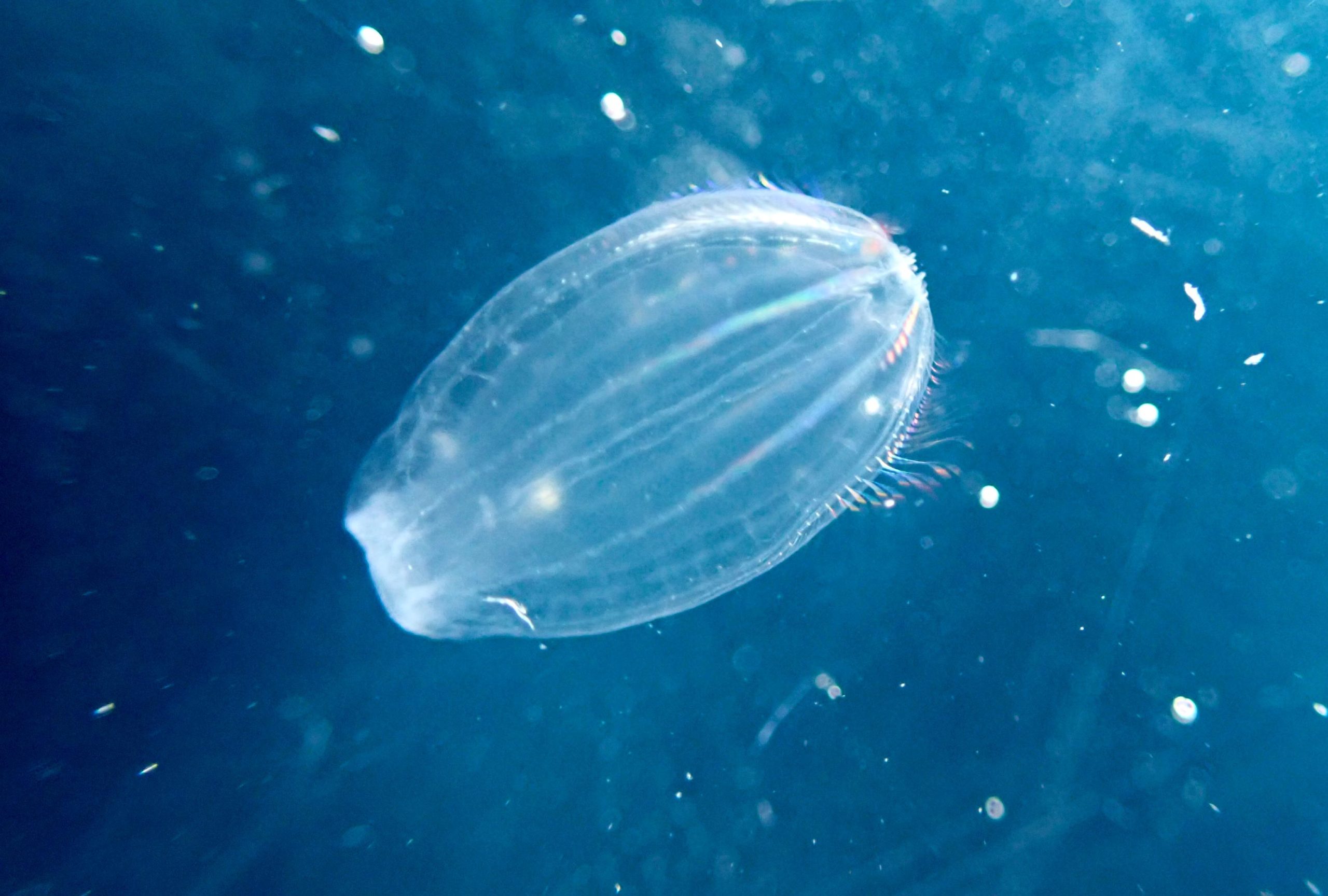
AWI research team shows that jellyfish play an important, previously unknown role in the diet of amphipods during the polar night.
The Arctic is changing rapidly due to climate change. It is not only affected by increasing surface temperatures, but also by warm water from the Atlantic, which is flowing in more and more – changing the structures and functions of the ecosystem as it also leads to species from warmer regions, such as jellyfish, arriving in the Arctic.
Using DNA metabarcoding, researchers from the Alfred Wegener Institute have now been able to prove for the first time that these jellyfish serve as food for amphipods on Svalbard during the polar night and thus play a greater role in Arctic food webs than previously assumed. They present their findings in a recent article in the scientific journal Frontiers in Marine Science.
Atlantification of the Arctic and Its Impact on Marine Life
In recent years, warm, salty water from the Atlantic has increasingly found its way into the European Arctic. The Norwegian archipelago of Svalbard is also under the influence of this “Atlantification”: the Kongsfjorden on the west coast has switched to an Atlantic regime; the water temperature during the polar night (November to February) is increasing by around 2 degrees Celsius per decade. These changes also lead to biotic shifts, as species from warmer waters also flow into the Arctic along with the warm Atlantic water.
“Some jellyfish species in particular tend to spread poleward and into the Arctic,” says Charlotte Havermans, head of the ARJEL junior research group at the Alfred Wegener Institute, Helmholtz Center for Polar and Marine Research (AWI). ” When we were in Kongsfjorden in the Polar Night in 2022, we were very surprised to see the fjord teeming with jellyfish life, consisting of many different species and life stages, and they seemed to be the dominant zooplankton in winter time.”
Jellyfish in Arctic Food Webs
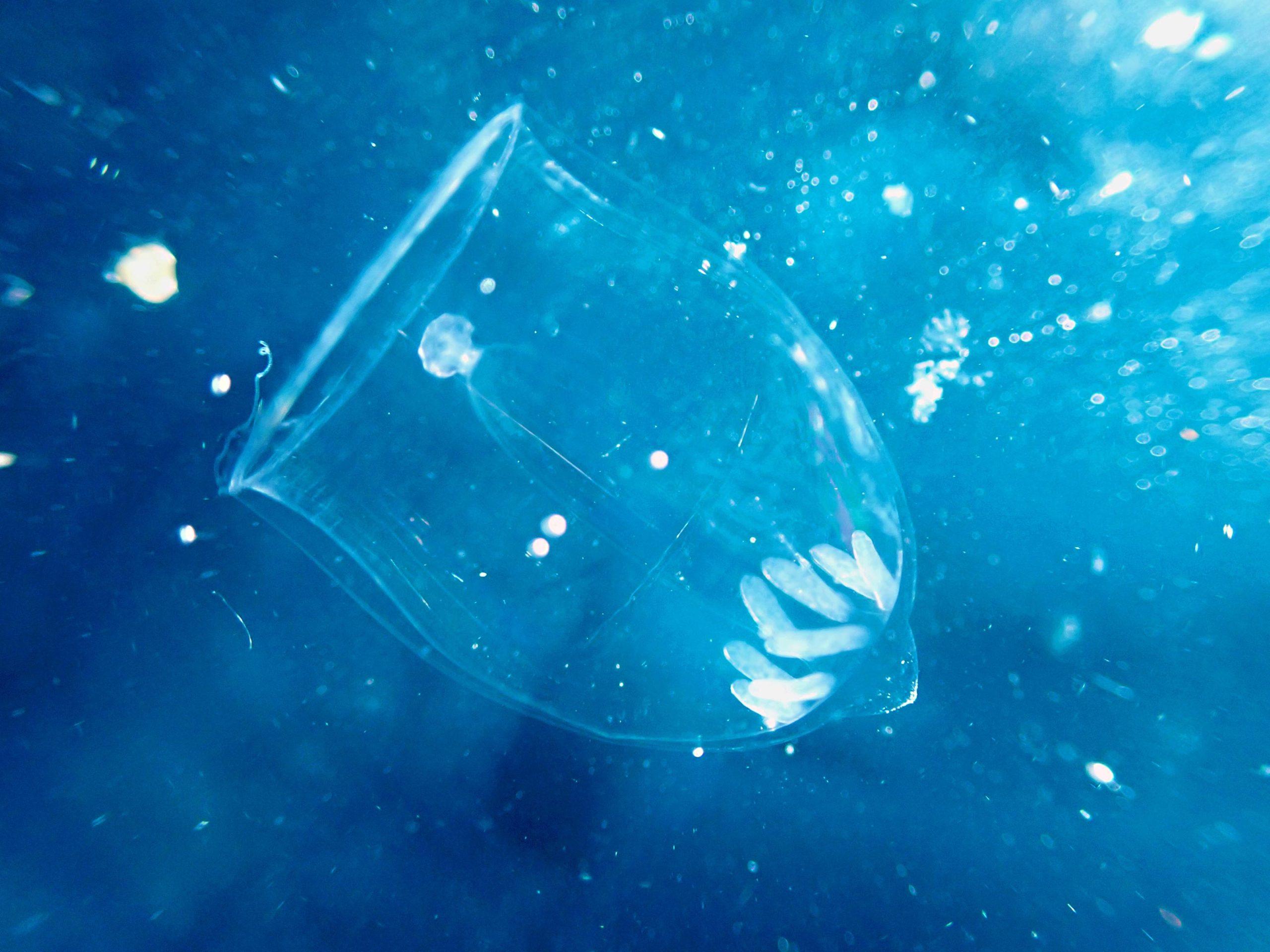
In the past, jellyfish were considered a trophic dead end in marine food webs, but recent studies suggest that they are an important prey for marine invertebrates and fish.
“Therefore, we wondered whether the jellyfish in Kongsfjorden also serve as food for other organisms, especially during the dark season of the polar night when other food sources are limited,” says Havermans.
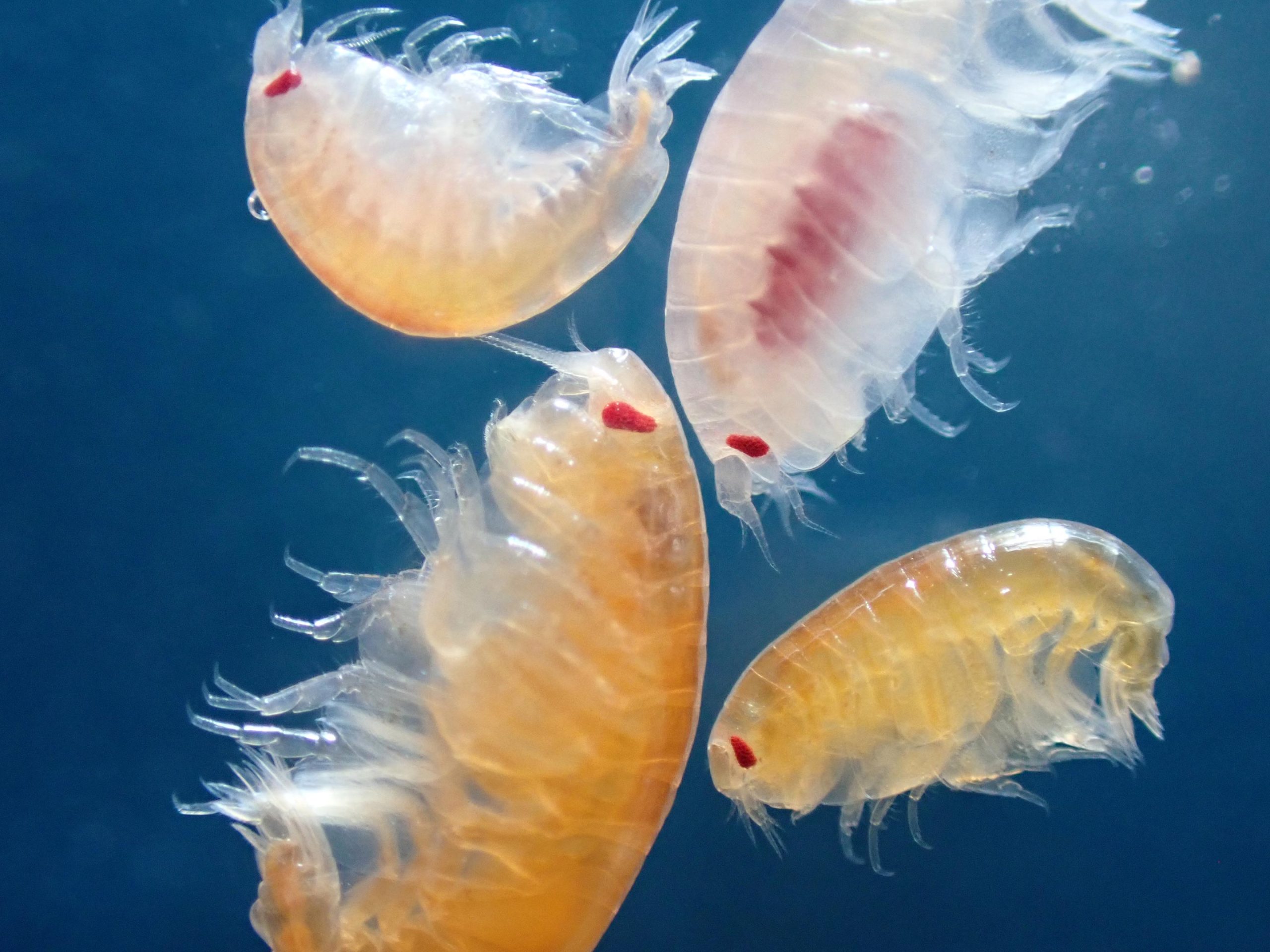
To answer this question, one of the team’s PhD students, Annkathrin Dischereit, analyzed the stomach contents of various amphipod species. For a month, they regularly collected samples from four different amphipod species (Gammarus oceanicus, G. setosus, Orchomenella minuta, and Anonyx sarsi) during the polar night, using baited traps and hand nets.
Jellyfish Are an Integral Part of the Diet of Amphipods During the Polar Night
The AWI researchers used DNA-metabarcoding to determine the food spectrum of the small crustaceans. This cutting-edge method can detect short gene fragments in the stomach, which are then compared with genetic reference databases to identify the prey species to which the fragments belong. “We found a large number of jellyfish in the stomachs of the amphipods, from the largest jellyfish in the fjord to tiny hydrozoans,” explains Charlotte Havermans.
Using DNA metabarcoding, the AWI team was able to identify and categorize the soft parts of jellyfish and other organisms that had been consumed, even if they were already heavily digested. “We were able to prove for the first time that amphipod scavengers feed on the remains of jellyfish. This had previously only been shown in experimental environments.”
All the species studied fed on both plant and animal matter. In addition to jellyfish, crustaceans, and macroalgae were other important components of the diet of some species, while fish species such as the polar cod or snailfish played an important role for other species. Whether the amphipods fed on eggs, larvae, carrion, or feces of fish remains to be clarified. What also remains to be determined, is whether jellyfish act as a survival food in winter, or are part of the regular prey of these organisms in all seasons.
“We have always assumed that the nutritional value of jellyfish is low, but this has only been investigated for less than a handful of species, and also depends on the tissues that are utilized.”
New Insights Into Arctic Marine Ecosystems
The study provides completely new insights into the Arctic food web during the polar night and are the first natural, non-experimental evidence for the role of jellyfish in these webs.
“The thriving, diverse jellyfish community that occurs in Kongsfjorden in winter is clearly used as a food source,” Charlotte Havermans summarises the results. “Until now, we knew nothing about the role of jellyfish as prey in this area. It was also not known that the species Gammaridea, for example, feeds on jellyfish at all, not in the Arctic, but also not elsewhere.”
The question now arises as to whether this only applies to the polar night, when the food supply is limited. The ARJEL junior research group at AWI wants to continue researching this question. Because: “Jellyfish could be among the winners of climate change that will continue to spread during the global warming. We have also predicted that jellyfish will become more common in the Arctic as temperatures continue to rise,” says Havermans.
As a result, their role in the food web could become increasingly important. Until now, however, our understanding of this has been limited, particularly in the polar regions.
“With this study, we reveal crucial links in the Arctic food web that were so far not known. This is fundamental because we need to understand how jellyfish fit into food webs and spread in an Arctic that is changing rapidly. This also applies to the neighboring shelf seas, as ten percent of the world’s fisheries take place in these areas.”
For more on this study, see The Secret Jellyfish Dinners of the Arctic Depths.
Reference: “DNA metabarcoding reveals a diverse, omnivorous diet of Arctic amphipods during the polar night, with jellyfish and fish as major prey” by Annkathrin Dischereit, Jan Beermann, Benoit Lebreton, Owen S. Wangensteen, Stefan Neuhaus and Charlotte Havermans, 9 January 2024, Frontiers in Marine Science.
DOI: 10.3389/fmars.2024.1327650
Never miss a breakthrough: Join the SciTechDaily newsletter.
Follow us on Google and Google News.