
First observation of marine invertebrates eating live and dead jellyfish during Arctic winter.
In the dark and cold of the months-long polar night, food resources are limited. Some groups of marine organisms in the polar regions overcome this challenge by going into a metabolic resting state in winter, surviving on reserves accumulated during the short growth season. But others, such as several species of marine zooplankton, have evolved a different strategy: they shift from a specialized to an omnivorous diet during the polar night, profiting from a wide range of potentially less rewarding foods that are available throughout the year.
Now, scientists have shown that one key source of food for such seasonal Arctic omnivores has been overlooked until now: dead and living jellyfish. The results are published in Frontiers in Marine Science.
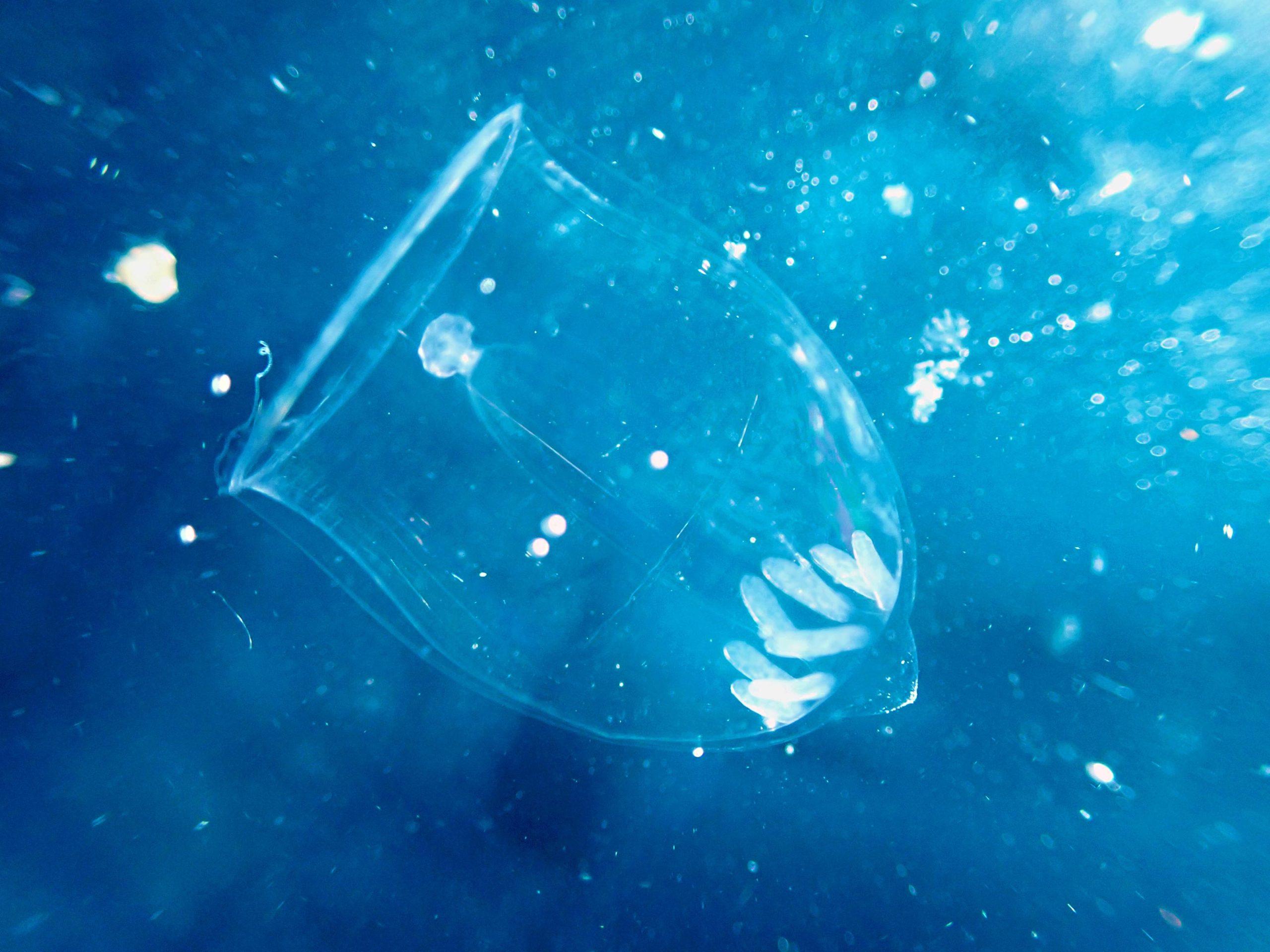
“Here we show for the first time that jellyfish – thought to be typically poor in nutrients – are nevertheless an important food source for amphipods during the Arctic polar night,” said Annkathrin Dischereit, a doctoral student at the Alfred Wegener Institute in Germany, and the article’s first author.
“For example, we found evidence that some amphipods feast on ‘jelly-falls’, naturally sunken jellyfish carcasses. Other species may also prey on living jellyfish.”
Research Expedition and Findings
In January and February 2022, Dischereit and others from the Helmholtz Young Investigator Group ARJEL at the Alfred Wegener Institute took part in an expedition to the German-French AWIPEV research station on Svalbard.
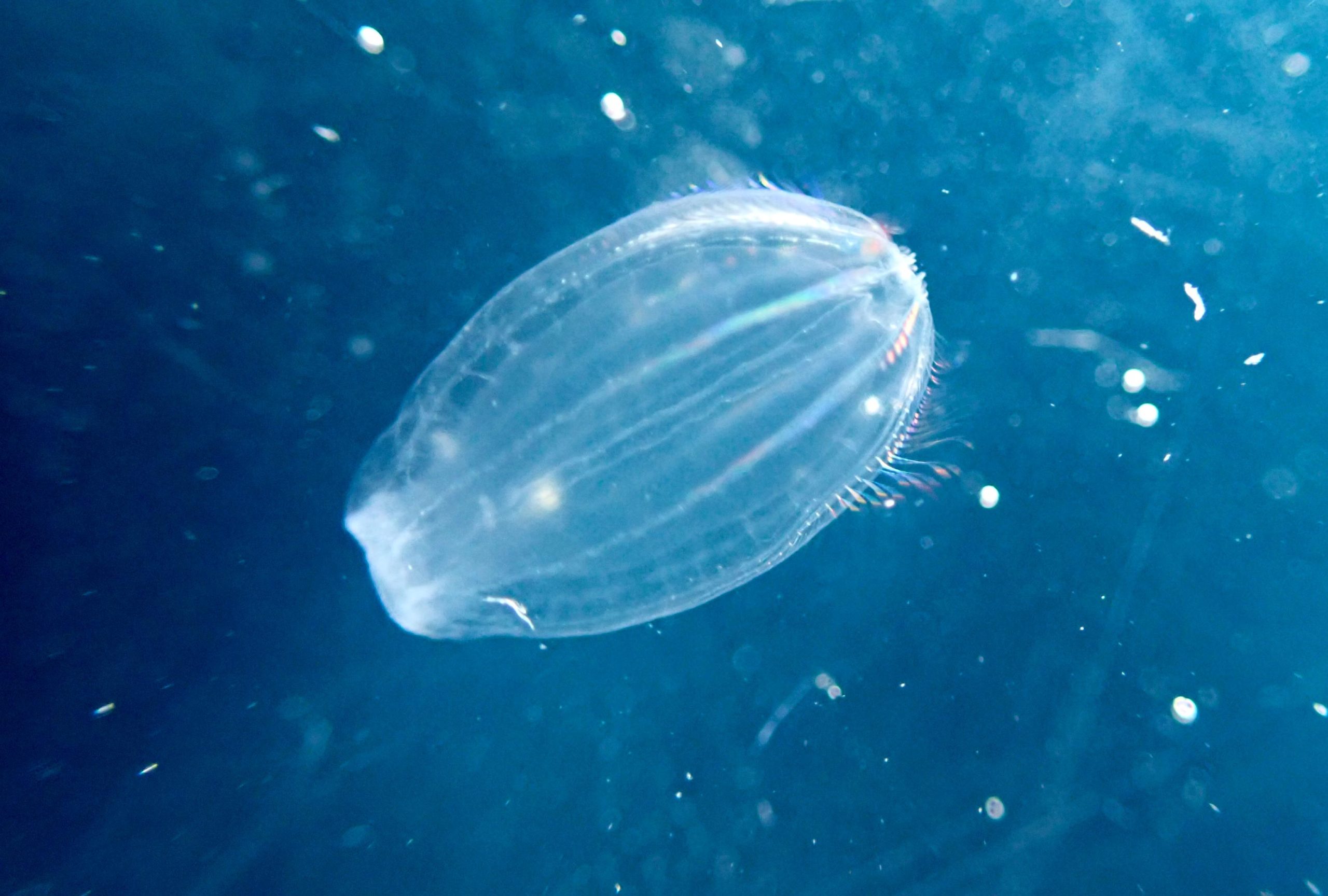
Venturing out in a small boat from Kongsfjorden, Svalbard, the researchers found its waters to be teeming with jellyfish: not just ‘true jellyfish’ like the lion’s mane jellyfish, but also hydrozoans like the thimble-shaped pink helmet jellyfish, colonial siphonophores, and unrelated comb jellies or ctenophores.
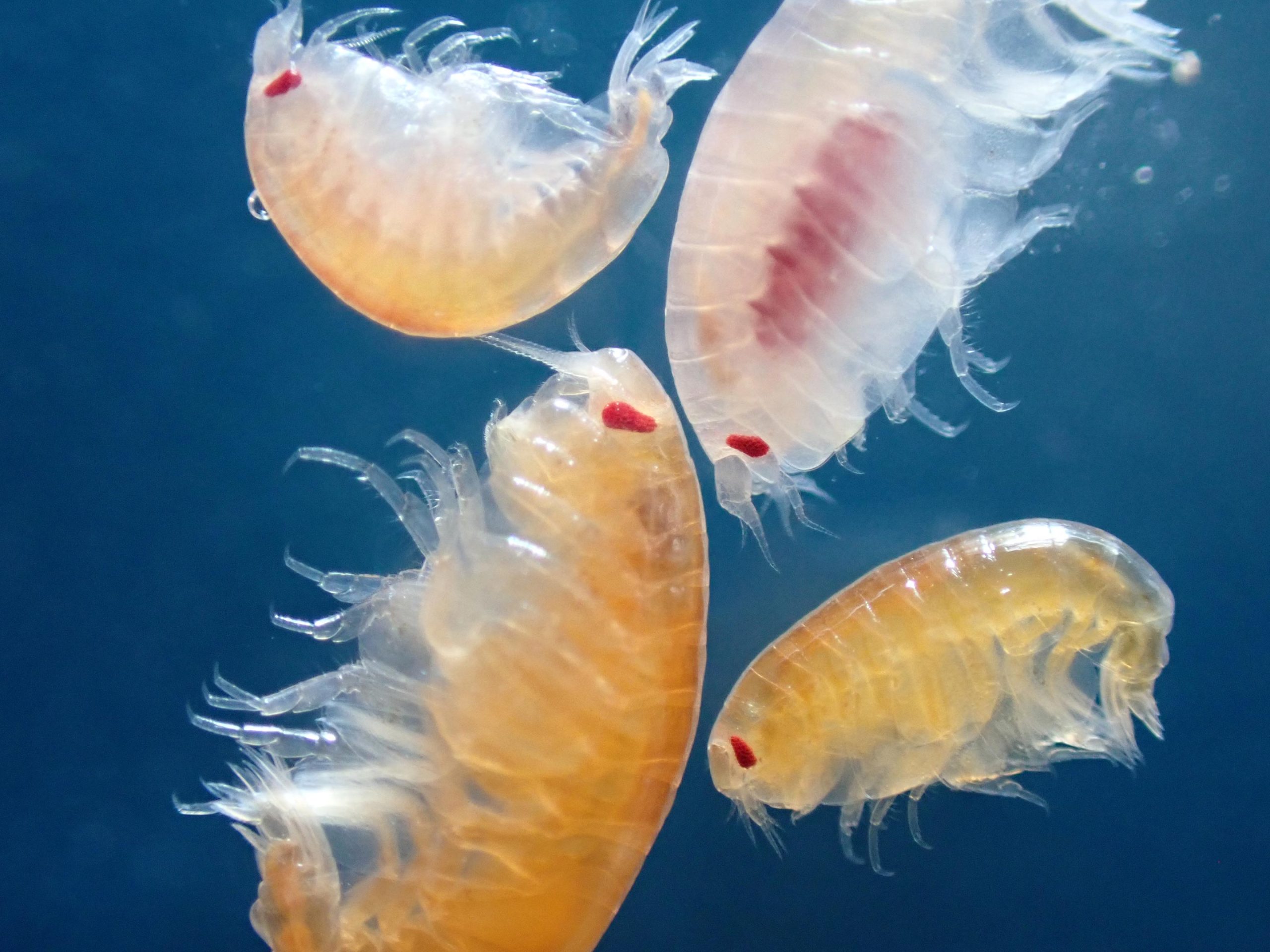
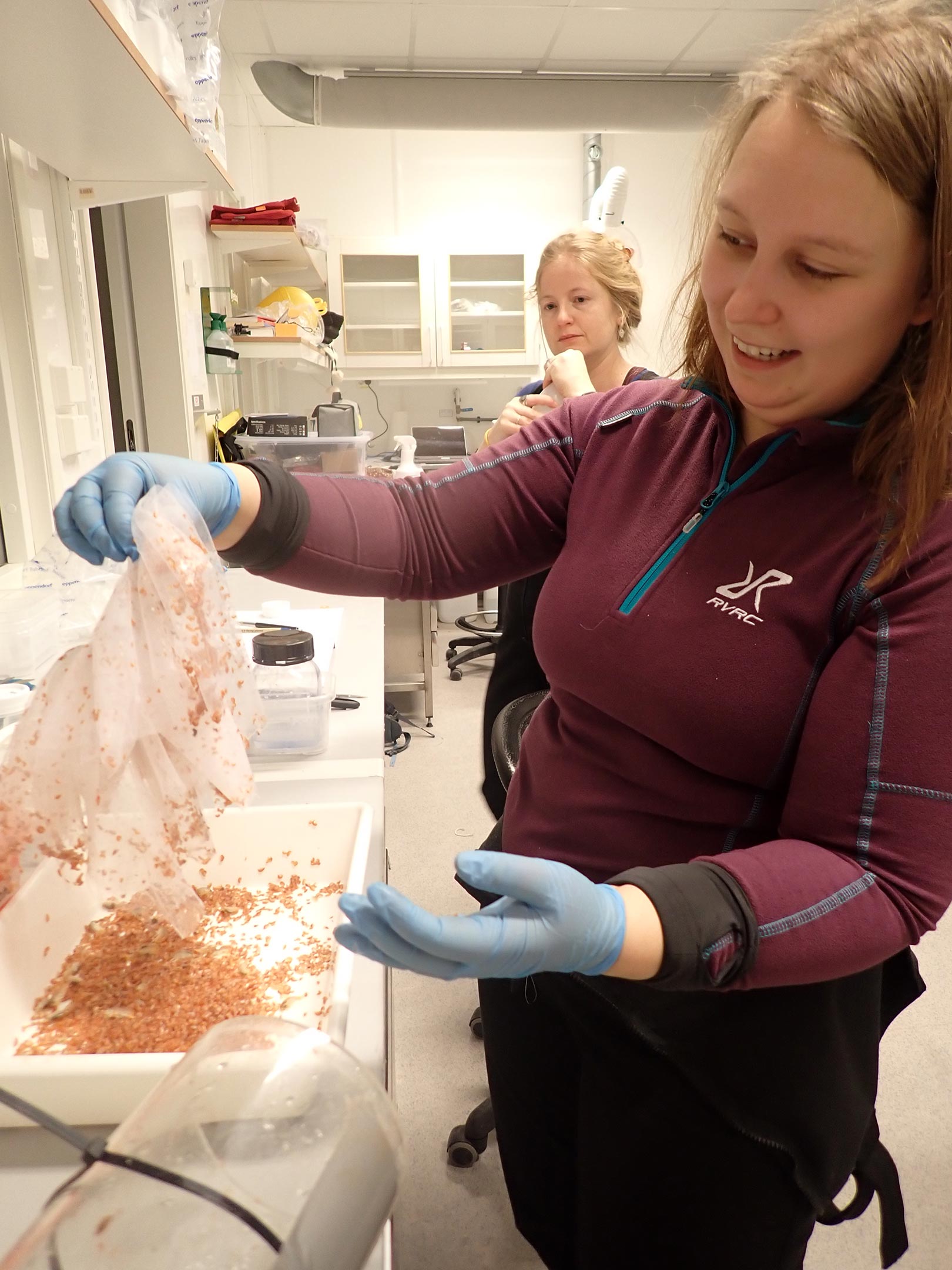
The researchers sampled the local amphipods – crustaceans between five and 20 millimeters long – with nets and baited traps. They had chosen to focus on amphipods because they are locally abundant and important components of the fjord systems. The catch mainly consisted of four species: Orchomenella minuta and Anonyx sarsi, scavenging amphipods in the superfamily Lysianassoidea, and two distantly related Gammarus species.
DNA Metabarcoding of Ingested Prey
The researchers dissected the guts out of each amphipod, and then used DNA metabarcoding to identify the remains of prey within.
Jellyfish DNA from multiple species predominated in the guts of both Gammarus species, together with traces from algae and crustaceans. Jellyfish DNA was likewise found, but less abundant, in A. sarsi and O. minuta, proving that all four species studied routinely consume jellyfish tissue. The authors conclude that A. sarsi and O. minuta seem to opportunistically feed on jelly-falls, while both Gammarus may in addition prey on live comb jellies.

Fish – living or dead – were likewise important food for both A. sarsi and O. minuta, together with polychaete worms, crustaceans, and mollusks.
Dischereit et al. also found that between 27% and 60% of the sampled amphipods had empty guts. This confirms that food scarcity and starvation are a challenge to marine invertebrates during the polar night, even for species that can shift to a more omnivorous diet.

Paradigm Shift on Jellyfish
“There has been a recent paradigm shift in the marine biology literature that recognizes that far from being a ‘trophic dead-end’, jellyfish are in fact eaten by a wide range of organisms. Our observations corroborate this major change in how scientists view the role of jellyfish in the food web,” said Dr Charlotte Havermans, the leader of the 2022 expedition and the study’s last author.
“Because jellyfish tissue is quickly digested, they may have been overlooked as a prey item in previous studies, which unlike our study relied on visual identification of food items to determine the diet of Arctic invertebrates.”

‘Atlantification’ and the New Arctic
Today, the Arctic is warming at a record rate compared to the rest of the world, and jellyfish species from the Atlantic Ocean have been observed to spread northward. This ‘Atlantification’ may make jellyfish even more important as a resource within Arctic food webs.
“To get a better idea of the role of jellyfish in the Arctic marine food web, and how this may change when their populations increase in the ‘new Arctic’, we plan to further investigate the diet of other invertebrates and fish that potentially feed on jellyfish. Questions remain, for example, whether jellyfish are a regular part of the diet of amphipods or whether they are simply a survival food during the polar night,” concluded Dischereit.
Reference: “DNA metabarcoding reveals a diverse, omnivorous diet of Arctic amphipods during the polar night, with jellyfish and fish as major prey” by Annkathrin Dischereit, Jan Beermann, Benoit Lebreton, Owen S. Wangensteen, Stefan Neuhaus and Charlotte Havermans, 9 January 2024, Frontiers in Marine Science.
DOI: 10.3389/fmars.2024.1327650
Never miss a breakthrough: Join the SciTechDaily newsletter.
Follow us on Google and Google News.