
New research based on samples from asteroid Ryugu reveals that phosphorus-rich compounds could explain how Earth became habitable.
These findings emphasize the importance of asteroids in delivering key nutrients necessary for life, enhancing our understanding of Earth’s early environment and the origins of life.
Earth’s Life-Supporting Ingredients
Open University scientists Professor Ian Franchi and Dr. Richard Greenwood have been instrumental in recent research uncovering how Earth became capable of supporting life.
Published in Nature Astronomy, the study highlights that phosphorus-rich compounds found in samples from Asteroid Ryugu may have been crucial in making Earth habitable.
Originally forming in the dry, inner regions of the Solar System near the Sun’s intense heat, Earth’s formation raises questions about how it acquired water and other essential ingredients for life.
Insights From Ryugu’s Pristine Samples
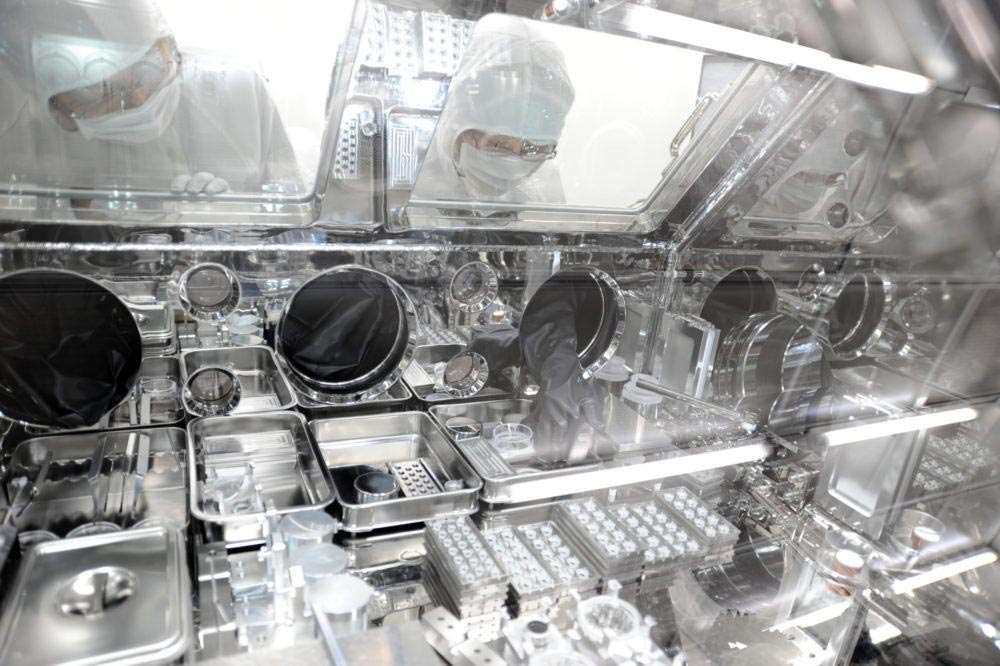
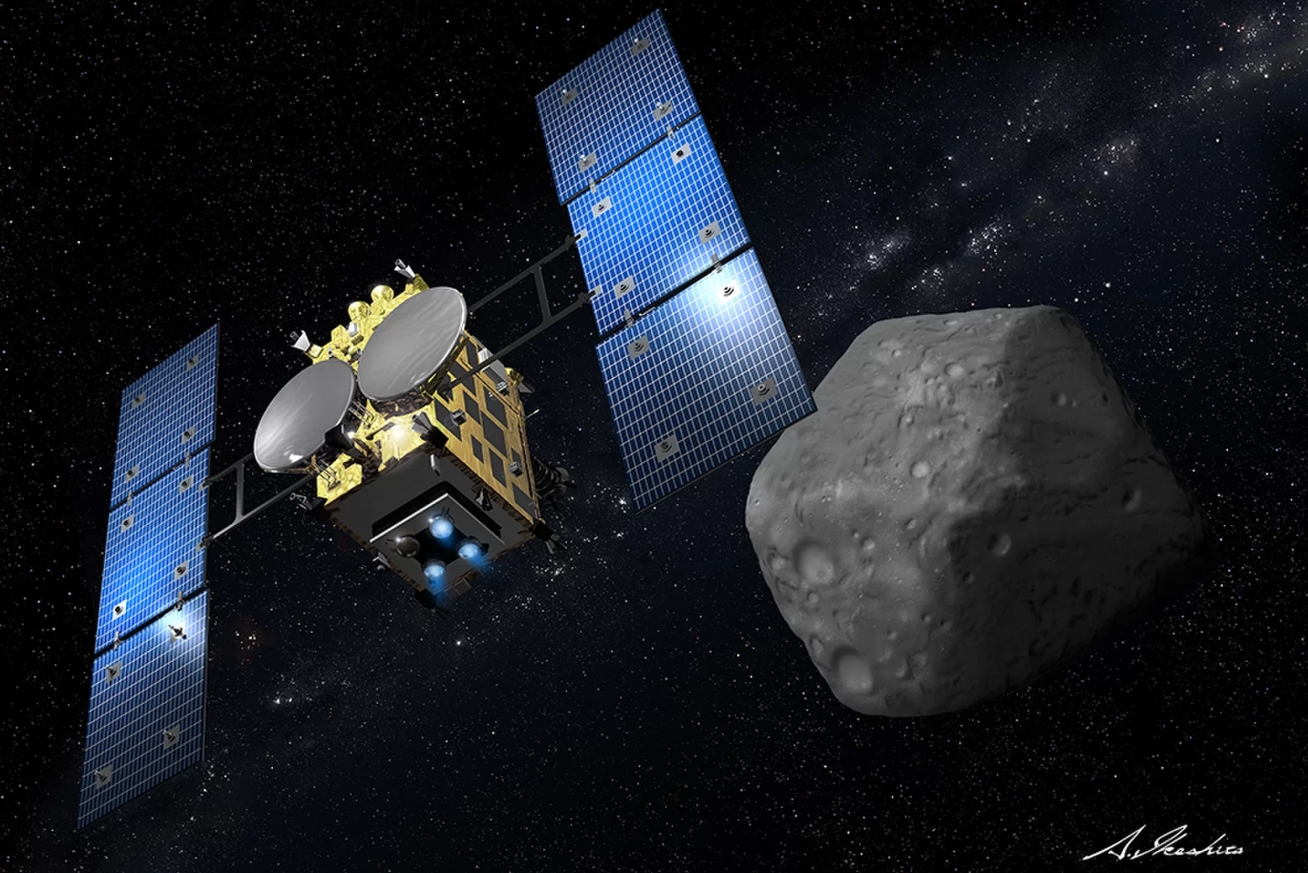
These new insights are based on samples collected from Ryugu, a primitive carbon-rich asteroid, by the Japanese Space Agency’s (JAXA) Hayabusa2 mission, which returned to Earth in 2020.
These rare samples provide a snapshot of the earliest materials formed in the Solar System, offering scientists a unique opportunity to explore how our planet developed its life-supporting characteristics.
Led by Cedric Pilorget from the University of Paris-Saclay, the study had support from a team of researchers, including key contributors from The Open University (OU).
The Role of HAMP Grains in Earth’s Habitability
Asteroids like Ryugu are thought to be remnants from the formation of the Solar System, almost 4.6 billion years ago. The pristine condition of Ryugu’s material – untouched by Earth’s environment – has allowed scientists to closely examine it in laboratory conditions.
The research team identified phosphorus and nitrogen-rich compounds, which have a relatively high solubility in water, within the Ryugu asteroid samples.
These compounds are known as hydrated ammonium, magnesium, and phosphorus-rich (HAMP) grains and are important because they could dissolve in early Earth’s water reservoirs. Unlike more common phosphate compounds that are less soluble and unable to contribute to the development of life, the HAMP grains could have released vital nutrients like phosphorus and nitrogen into Earth’s oceans, creating the right conditions for life to emerge.
Dr. Richard Greenwood, Senior Research Fellow at the Open University, explained the significance of the findings:
“Our study reveals how the building blocks of life were likely transported from the outer Solar System to Earth. Material returned from primitive asteroids like Ryugu is providing new insights into how our home planet was transformed from a barren, inhospitable world to a water-rich oasis, containing all the ingredients needed for life to emerge.”
Transformative Effects of Asteroid Impacts
The discovery of HAMP grains suggests that the material in the Ryugu asteroid likely formed in the outer Solar System, far from its current location. This supports the idea that water-bearing asteroids like Ryugu may have been responsible for delivering water and essential nutrients to Earth in its early history.
Reference: “Phosphorus-rich grains in Ryugu samples with major biochemical potential” by C. Pilorget, D. Baklouti, J.-P. Bibring, R. Brunetto, M. Ito, I. Franchi, N. Tomioka, M. Uesugi, A. Yamaguchi, R. Greenwood, T. Okada, T. Usui, T. Yada, K. Hatakeda, K. Yogata, D. Loizeau, T. Le Pivert-Jolivet, T. Jiang, J. Carter, V. Hamm, M. Abe, A. Aléon-Toppani, F. Borondics, Y. Enokido, Y. Hitomi, N. Imae, Y. Karouji, K. Kumagai, M. Kimura, Y. Langevin, C. Lantz, M.-C. Liu, M. Mahlke, A. Miyazaki, Z. Mughal, K. Nagashima, A. Nakano, A. Nakata, A. Nakato, M. Nishimura, T. Ohigashi, T. Ojima, F. Poulet, L. Riu, N. Shirai, Y. Sugiyama, R. Tahara, K. Uesugi, M. Yasutake, H. Yuzawa, A. Moussi-Soffys, S. Nakazawa, T. Saiki, F. Terui, M. Yoshikawa, S. Tanaka, S. Watanabe and Y. Tsuda, 25 September 2024, Nature Astronomy.
DOI: 10.1038/s41550-024-02366-w
Never miss a breakthrough: Join the SciTechDaily newsletter.
Follow us on Google and Google News.
1 Comment
No “Asteroid” created by God can add any information to creation
Of everything, heavens, earth, seen and unseen.