
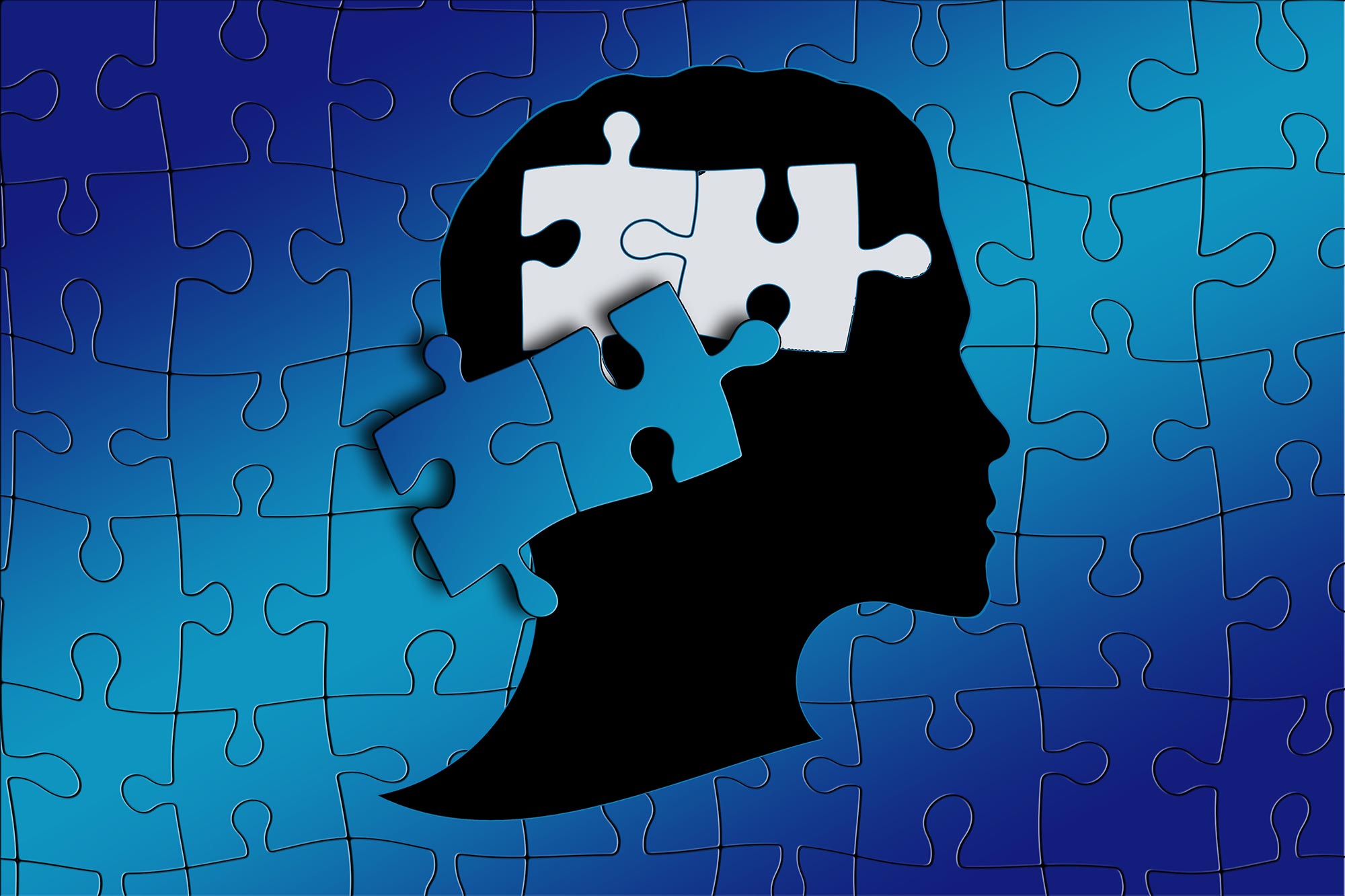
UNIGE scientists have identified a brain circuit that may be at the root of the social difficulties experienced by individuals with autism spectrum disorders.
From birth, human survival relies on the ability to connect with others. This capacity, crucial for healthy development, appears to be disrupted early in children with autism spectrum disorders (ASD), who often show reduced interest in social cues within their first year of life. To explore the neurobiological roots of this phenomenon, researchers at the University of Geneva (UNIGE) integrated findings from both clinical and animal studies.
They discovered a dysfunction in a communication pathway between two brain regions, which hampers the brain’s ability to quickly shift attention, a key process for interpreting social interactions. These findings, published in Molecular Psychiatry, offer new insights into early diagnosis and more targeted therapeutic strategies.
Currently, ASD affects approximately 1 in 36 children, with about one-third at risk of associated cognitive impairment.
“In the children who show a delay, the cognitive difficulties are the consequence of a lack of understanding of social interactions,” explains Camilla Bellone, Associate Professor in the Department of Basic Neurosciences at the UNIGE Faculty of Medicine, and co-last author of the study. “We learn through interaction with others. As young children with ASD are less oriented towards social cues very early on, they are less likely to develop the tools that enable them to navigate the social world and learn.”
While the consequences of this lack of social interest on development are well known, the neurobiological causes are much less so.
Studying brain networks with mouse models
At the UNIGE Faculty of Medicine, the Synapsy Centre for Research in Neuroscience for Mental Health brings together neuroscientists and psychiatrists in a joint network. This sharing of expertise has led to a major discovery for understanding the very essence of social interaction: the ability to maintain a social interaction depends on the speed with which attention can be shifted from one stimulus to another.
“In mice lacking the Shank3 gene – the most common single gene cause of ASD found in humans – we observe orientation deficit towards other mice, which reflects the alterations in social interactions already described in children with ASD. These mice therefore represent a good model for the study of ASD,” explains Marie Schaer, Associate Professor in the Department of Psychiatry at the UNIGE Faculty of Medicine and co-last author of the study.
Impaired neuronal synchronization
In previous research, Camilla Bellone’s team identified a neuronal communication pathway whose role is to send information between the superior colliculus, a brain structure linked to orientation, and particularly to social orientation, and the ventral tegmental area, linked to the reward system.
“This time, we were able to show in our mouse model of ASD that a lack of neural synchronization in the superior colliculus altered the exchange of communication between the two cerebral areas, resulting in defects in the orientation and social behavior of individuals.”
These experiments were carried out in vivo using miniaturized microscopes that enable the monitoring of neural activity in moving animals. They were conducted by Alessandro Contestabile, co-first author of the study and a post-doctoral researcher in Camilla Bellone’s laboratory.
A specific protocol for ASD children
To confirm this hypothesis in humans, Nada Kojovic, a researcher in Marie Schaer’s team and co-first author of the study, developed an original protocol for obtaining brain MRIs without sedation in children aged 2 to 5 years. “It is obviously impossible to ask such young children to remain motionless in the MRI scanner for the 30 minutes needed to obtain the images,” she explains. “We therefore developed a habituation protocol, fitted out the MRI room, and worked closely with the families to provide optimum conditions for the child to fall asleep, which worked very well for over 90% of the children for whom we obtained very good quality MRI images.”
The two teams observed that the circuit changes identified in mice were identical in the children. Furthermore, the level of connectivity in this circuit makes it possible to predict their cognitive development in the following year. While it is not yet possible to intervene directly on this brain network, this discovery provides a guide to behavioral interventions, in particular, to reinforce children’s ability to redirect their attention from one thing to another rapidly from an early age. An intensive treatment method developed in the United States and used in Geneva, which requires 20 hours a week for 2 years, has already proved its worth. With early intervention, the children gain an average of 20 IQ points, and 75% of them can go on to attend ordinary school.
Reference: “Translational research approach to social orienting deficits in autism: the role of superior colliculus-ventral tegmental pathway” by Alessandro Contestabile, Nada Kojovic, Giulia Casarotto, Farnaz Delavari, Patric Hagmann, Marie Schaer and Camilla Bellone, 5 April 2025, Molecular Psychiatry.
DOI: 10.1038/s41380-025-02962-w
This work was carried out with the support of the Fondation privée des HUG, the Fonds National Suisse pour la Recherche and the Fondation Pôle Autisme.
Never miss a breakthrough: Join the SciTechDaily newsletter.
Follow us on Google and Google News.
1 Comment
… anti-aging is just around the corner
… fusion energy is just around the corner
… Jetsons styled flying cars for everyone is just around the corner
… real autism treatment is just around the corner
Wake me up in a hundred years when any of it actually exists, false hope is fine for flying car enthusiasts but not for me suffering with Autism.