
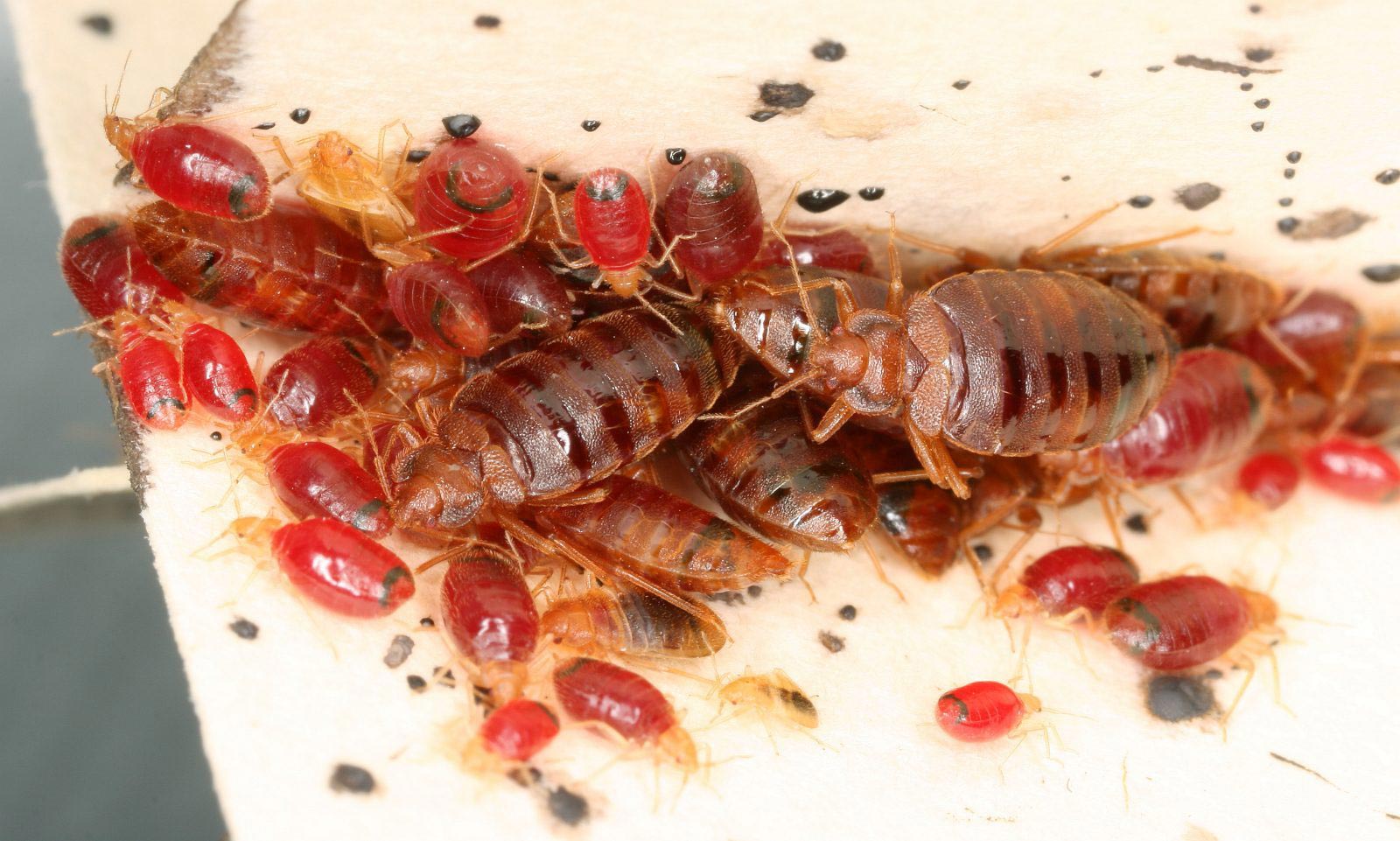
Virginia Tech researchers discovered a gene mutation in bed bugs linked to pesticide resistance and were the first to sequence the bed bug genome, offering new insights for global pest control.
Following World War II, a global bed bug infestation was nearly eliminated during the 1950s, primarily through the widespread use of the pesticide DDT (dichloro-diphenyl-trichloroethane). However, DDT has since been banned due to its environmental and health risks. In the decades since, bed bugs have made a significant comeback worldwide and have increasingly developed resistance to many of the insecticides used to control them.
A study published in the Journal of Medical Entomology highlights research conducted by a team at Virginia Tech, led by urban entomologist Warren Booth. The team identified a gene mutation that may play a key role in the bed bugs’ resistance to insecticides.
This discovery emerged from a project initiated by Booth to help graduate student Camille Block develop her molecular biology skills, ultimately leading to important insights into the genetics of pesticide resistance.
“It was purely a fishing expedition,” said Booth, the Joseph R. and Mary W. Wilson Urban Entomology Associate Professor in the College of Agriculture and Life Sciences.
But Booth had a good idea about where the best fish were swimming and knew where to cast a line.
The Mutation Hunt
Specializing in urban pests, Booth was already aware of a gene mutation in the nerve cells of German cockroaches and white flies that confers their resistance to insecticides. Booth suggested that Block analyze one bed bug as a sample from each of the 134 unique populations of bed bugs, which were collected by pest control companies in North America from 2008-22, to see if they had the same cell mutations. Two bugs from two separate populations did.
“It [the discovery] was literally my last 24 samples,” said Block, who is studying entomology and is an affiliate with the Invasive Species Collaborative. “I’ve never done any kind of molecular work before, so getting all these molecular skills was super important.”
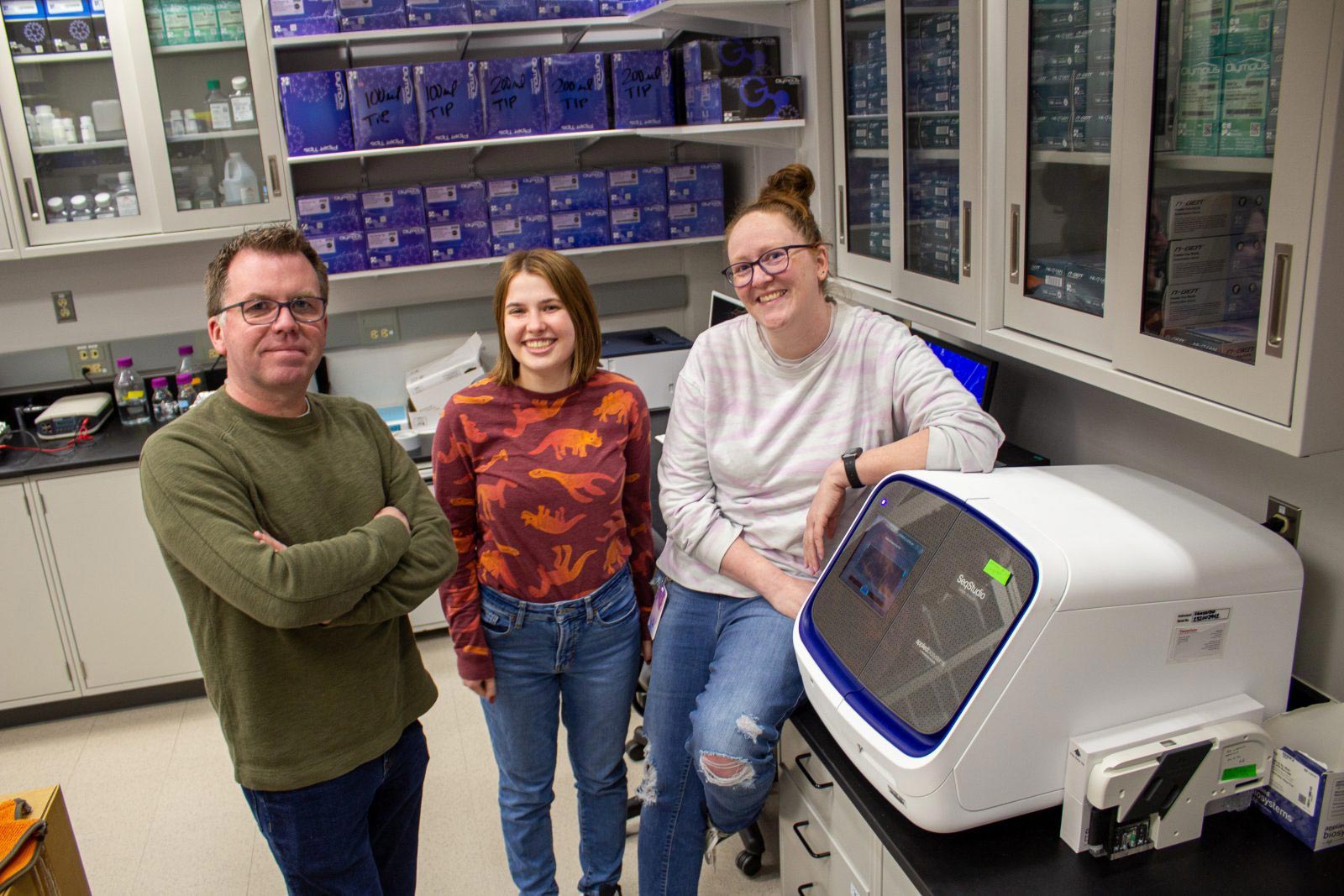
Due to the genetic uniformity within bed bug infestations resulting from extensive inbreeding, one specimen per sample is generally representative of that population. But Booth wanted to make sure Block had actually discovered the mutation, so they examined all specimens in the two identified populations.
“When we went back and screened multiple individuals from the two populations, every one of them had the mutations,” Booth said. “So they were fixed for these mutations, and it’s the same mutation that we find in German cockroaches.”
Through his work with German cockroaches, Booth knows that their resistance to insecticides is from a gene mutation in the cells of the nervous system and these mechanisms are environmentally driven.
The Role of the Rdl Gene
“There is a gene that’s known as the Rdl gene. It’s been identified in a lot of other pest species, and it’s associated with resistance to an insecticide called dieldrin,” said Booth, an affiliate of the Fralin Life Sciences Institute. “That mutation is throughout all of the German cockroaches. We’re not finding populations without that mutation, which is kind of amazing.”
According to Booth, fipronil and dieldrin – pesticides that have proven effective against bed bugs in the laboratory – have the same mode of action, so the mutation theoretically enables the pests to be resistant to both pesticides. Dieldrin has been banned since the 1990s, but fipronil is currently used in spot treatments for dog and cat flea control – not to control bed bugs.
Booth suspects that many pet owners who use fipronil spot treatment on their animals allow their dogs or cats to sleep with them, which exposes their bedding to fipronil residue. If any bed bugs came into that environment, they would have been subjected to the fipronil inadvertently and then selected for that mutation in the population.
“We don’t know if that mutation is novel and it popped up after that, or in that time frame, or whether it was occurring in populations 100 years ago,” Booth said.
The next step is to cast a wider net and look for those mutations in different regions of the world, particularly Europe, as well as different time periods in museum specimens, because bed bugs have been around for over a million years.
Genome Sequencing and Future Research
In November 2024, the Booth lab was the first to successfully sequence the entire common bed bug genome.
“This is the first time that the bug genome has been sequenced,” Booth said. “Now that we have that, we can go to these museum specimens.”
Booth pointed out that the problem with museum DNA is it degrades really quickly in the small fragments, but now that researchers have chromosome-level templates, they can take those fragments and align them back to those chromosomes and reconstruct genes and genomes.
Booth points out that his lab works with pest control companies, so their genetic sequencing efforts may help them gain a better understanding of where bed bugs are located globally and how to help in eradicating them.
Now that Block has honed her molecular skills, she is excited to continue her work with urban evolution.
“I love evolution. I think it is so interesting,” Block said. “People feel more connected to these urban species, and I think it’s easier to get people interested in bed bugs as it is something they may have personally experienced.”
References: “First evidence of the A302S Rdl insecticide resistance mutation in populations of the bed bug, Cimex lectularius (Hemiptera: Cimicidae) in North America” by Camille J Block, Lindsay S Miles, Cari D Lewis, Coby Schal, Edward L Vargo and Warren Booth, 14 March 2025, Journal of Medical Entomology.
DOI: 10.1093/jme/tjaf033
“A chromosome-level reference genome for the common bed bug, Cimex lectularius, with identification of sex chromosomes” by Lindsay S Miles, Richard Adams, Yannick Z Francioli, Daren C Card, Todd A Castoe and Warren Booth, 28 November 2024, Journal of Heredity.
DOI: 10.1093/jhered/esae071
Never miss a breakthrough: Join the SciTechDaily newsletter.
Follow us on Google and Google News.