
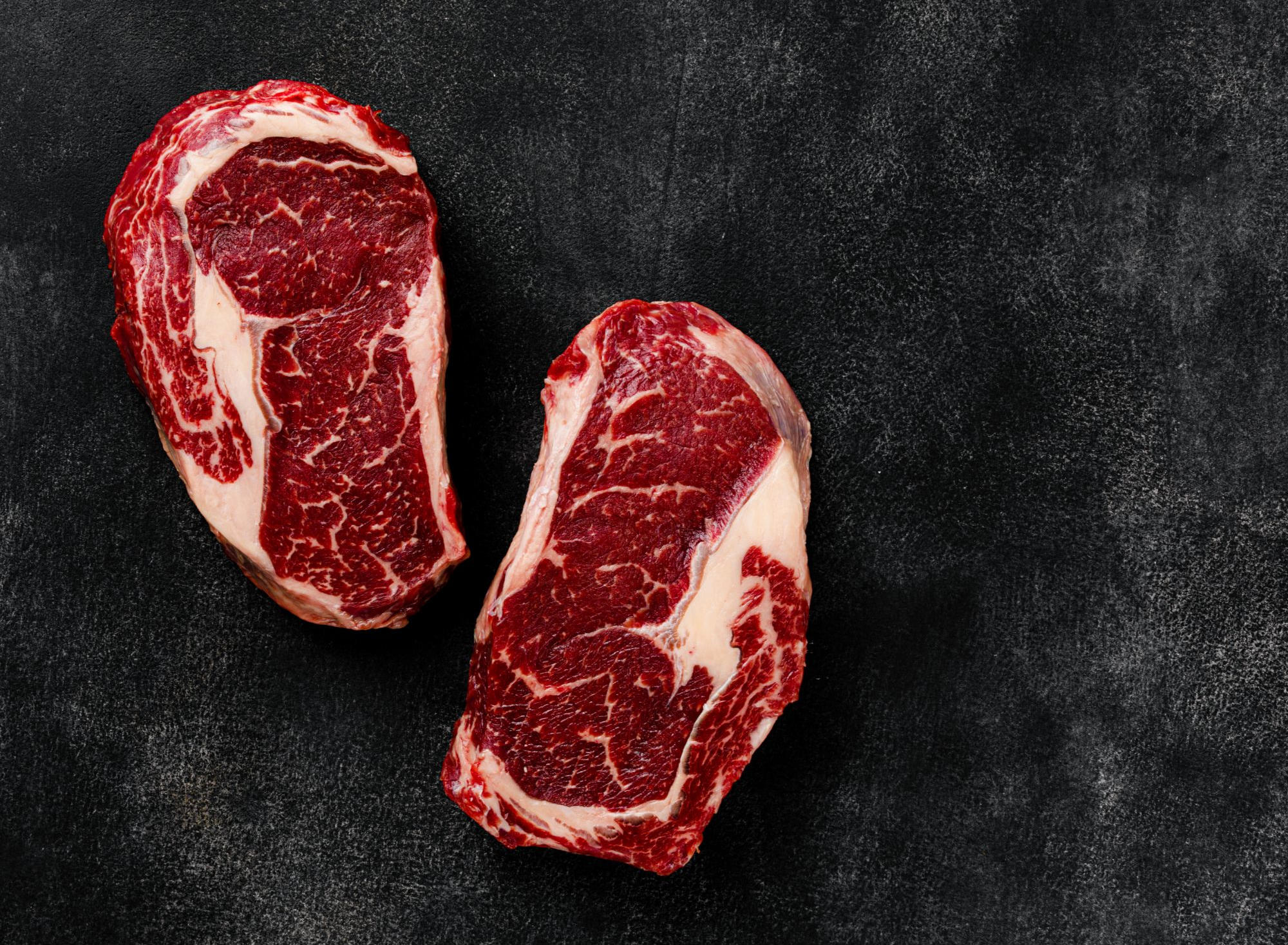
A controlled trial examines how different protein choices influence metabolic health, offering new insight into diet and disease risk.
More than 135 million adults in the United States are living with or at risk for type 2 diabetes (T2D), highlighting the growing need for clear, science-based dietary guidance to support better health and lower the risk of complications.
A new randomized controlled trial (RCT) offers insight into one often-debated question: does eating red meat worsen metabolic health in people already at risk?
According to the findings, consuming 6 to 7 ounces (170 to 198 grams) of beef per day did not negatively affect markers linked to T2D or cardiovascular health in adults with prediabetes. The study appears in Current Developments in Nutrition.
Evidence From a Controlled Trial
“Results from this gold standard RCT build on existing scientific evidence that shows eating beef as part of a healthy dietary pattern supports heart health and does not adversely impact measures of blood sugar regulation or inflammation,” said Kevin C Maki, PhD, Adjunct Professor in the Indiana University School of Public Health-Bloomington, and senior author of the article. “When beef is consumed as part of a healthy dietary pattern, it helps fill essential nutritional gaps and does not adversely impact the cardiometabolic risk profile compared to poultry.”
The study followed 24 adults (17 males and 7 females; ages 18-74 years) who had overweight or obesity and prediabetes but were otherwise in generally good health. Researchers used a crossover design, meaning each participant completed two separate 28-day diet periods, with a 28-day washout period in between.
During each phase, participants ate two daily entrées that included either beef or poultry. Each meal contained 3.0 to 3.5 ounces (85 to 99 grams) of cooked meat and was prepared as dishes such as fajitas, stew, burgers, burritos, or stir fry, while participants maintained their usual eating habits.
Measuring Metabolic Health
Type 2 diabetes often develops after years of insulin resistance, along with a gradual decline in the function of pancreatic β-cells, which produce insulin. To evaluate how diet affected these processes, researchers measured β-cell function and hormones involved in glucose regulation before and after each 28-day diet period.
After consuming 6 to 7 ounces (170 to 198 grams) of unprocessed beef or poultry daily, participants showed no statistically significant differences in β-cell function, insulin sensitivity, or related metabolic measures.
“The study findings suggest that regular beef intake does not adversely affect metabolic or inflammatory risk factors compared with poultry in an at-risk prediabetic population,” noted Indika Edirisinghe, PhD, Professor of Food Science and Nutrition, Illinois Institute of Technology. “Although the study duration was relatively short (one month), this time frame is generally considered sufficient to detect measurable metabolic outcomes.”
Reference: “Effects of Diets Containing Beef Compared with Poultry on Pancreatic β-Cell Function and Other Cardiometabolic Health Indicators in Males and Females with Prediabetes: A Randomized, Crossover Trial” by Elizabeth Guzman, Indika Edirisinghe, Meredith L Wilcox, Carol F Kirkpatrick, Caryn G Adams, Britt M Burton-Freeman and Kevin C Maki, 30 October 2025, Current Developments in Nutrition.
DOI: 10.1016/j.cdnut.2025.107589
This research was funded by the National Cattlemen’s Beef Association, a contractor to the Beef Checkoff, which was not involved in the data collection or analysis, nor publication of the findings, except for reviewing a draft of the manuscript prior to submission.
Disclosures: MLW is an employee of Midwest Biomedical Research, which has received research funding and consulting fees from food and pharmaceutical companies. CFK is an employee of Midwest Biomedical Research, which has received research funding and consulting fees from food and pharmaceutical companies. CGA is an employee of Midwest Biomedical Research, which has received research funding and consulting fees from food and pharmaceutical companies. BMBF has received research grant support from the California Strawberry Commission, Gallo Inc., Hass Avocado Board, National Institutes of Health/Nutrition for Precision Health Common Fund, National Mango Board, USDA/National Institute of Food and Agriculture, and the Watermelon Promotion Board; received honoraria for lectures from the National Mango Board, Today’s Dietitian, and the University of Missouri; and served on advisory boards for the McCormick Science Institute, the Nutrient Institute, and NutriSciences Innovation, LLC. KCM has received research grant support from Cargill, General Mills, Global Organization for EPA and DHA, Greenyn Biotechnology, Hass Avocado Board, Helaina, Inc., Indiana University Foundation, Matinas BioPharma, MDLifespan, Medifast, Inc., National Cattlemen’s Beef Association/Beef Checkoff, National Dairy Council, Naturmega, NewAmsterdam Pharma, Novo Nordisk, PepsiCo, Pharmavite, and Ro; and received consulting fees from and/or served on advisory boards of 89bio, Acasti Pharma, Beren Therapeutics, Bragg Live Food Products, Campbell’s Company, Eli Lilly and Company, Esperion Therapeutics, Inc., Helaina, Inc., Lonza Group, Matinas BioPharma, MDLifespan, National Cattlemen’s Beef Association, National Dairy Council, NewAmsterdam Pharma, NorthSea Therapeutics, Novo Nordisk, and Seed Inc.
Never miss a breakthrough: Join the SciTechDaily newsletter.
Follow us on Google and Google News.
10 Comments
Does someone want to get a grant on the history of how what was formerly known as family history and aging became a group of diseases requiring multiple medications? I mean, I have friends who are all muscle, work out like dogs and eat no sugar, at all and are told they’re pre-diabetic. I myself work out like a dog, eat almost no carbs, same thing. So it seems, between that and blood lipid testing, all of us are simply aging into diseases.
My father ate everything he wanted all his life, ate a lot of sweets ; with perfect fasting sugar, A1C, cholesterol. He never had diabetes and prediabetes. He lived 96 years.
He just had good genes.
I’ve noticed this, too. But I don’t think it’s good genes. I think it’s the not caring part. I’ve observed that the less people are worried about their health, the healthier they are. My grandmother lived to 91 and had celiac disease and never stuck to a gluten free diet because she couldn’t be bothered. She just didn’t care. Myself and my mother also have celiac disease and we are in poor health despite sticking to a very strict gluten free diet. We are both desperate to feel better. Since we all carry the same genes, the only difference is attitude…caring, fearing,hoping, worrying about health. I’ve noticed this in other people, too. The people who take their bodies for granted are the ones who seem to be the healthiest. Maybe it’s because they are healthy already and their bodies can tolerate the abuse/neglect whereas people in poor health already can’t tolerate those things. It could be a chicken & egg thing. Not sure.
It is reported that 80% of our healthcare issues are due to environmental factors and 20% genetic. It has been reported that environmental factors can also contribute to the absence of consequences due to our genes. The brca may be one example as it predisposes one to breast cancer but does not mean breast cancer is inevitable.
My Mediterranean ancestors are a good example of what environmental factors may contribute to good health and longevity. They were not muscly, work out like dogs, and eat only most carbs, they ate the foods they could grow or source from the surrounding country or sea, they worked the land and adapted to seasons. They ate a proportionate amount of protein, fats/oils and carbohydrates. Alternative approaches are conjured up by the well intentioned and those driven by profits in our modern society.
Eatforhealth Australia is a valuable site for information on what is considered a healthy diet and is similar to the Mediterranean diet. However, statistics show that less than 5% of Australians comply with the recommended diet, which can be interpreted as only 1 in 100 families comply. The rest are pursuing with taste, product and health fashions.
Health requires not only the macro nutrients but also micronutrients, phytonutrients and essential amino acids, including zinc, selenium, magnesium, potassium, methionine and so on.
Retired family doctor here. This study was caredully designed to produce inaccurate data favorable to the beef industry.
It’s a small sample size, only 29 people. It takes 3 months to see the results of a dietary change on either HbA1c or LDL cholesterol, and the participants only followed each diet for 28 days, with 28 days of eat-anything in between. The reason previous dirtsry guidelines recommend chicken over beef is bevause beef fat raises your LDL and increases yoir heart attack risk. Since people with diabetes have the same risk of heart attack as somebody who’s alteady had a heart attack, what your diet does to your cholesterol profile is as important to your pveral.functi9n as your HbA1c.
So…I certainly would not recommend any diabetic or pre-diabetic patient eat double the previously recommended amount of beef, every day instead of once or twice a week, based on this woefully insufficient study.
“This research was funded by the National Cattlemen’s Beef Association”
That was obvious before even getting to the disclaimer at the bottom, given the researcher’s glowing choice of words.
Doctor here. Not a physician, but an actual scientist. Beef or chicken is an irrelevant question if there’s no control over the rest of the diet.
Beef won’t help you if you’re accompanying it with potatoes, bread, pasta, or rice. You’ll still have elevated blood sugar and be at risk for prediabetes.
There’s a good story to be told about beef, but this isn’t it.
Right. I’m all carnivore and in tip top shape.
My Dad always said eating healthy wouldn’t make you live any longer. Just make you feel like you did.
No conflict of interest in this study then.