
Close Menu
    Facebook X (Twitter) Instagram
    SciTechDaily
    • Biology
    • Chemistry
    • Earth
    • Health
    • Physics
    • Science
    • Space
    • Technology
    Facebook X (Twitter) Pinterest YouTube RSS
    SciTechDaily
    Home»Earth»Beyond Melting Ice: Arctic Coasts Face a New Crisis
    Earth

    Beyond Melting Ice: Arctic Coasts Face a New Crisis

    By Aarhus UniversityOctober 11, 20245 Comments2 Mins Read
    Facebook Twitter Pinterest Telegram LinkedIn WhatsApp Email Reddit
    Share
    Facebook Twitter LinkedIn Pinterest Telegram Email Reddit
    The Transport of Meltwater From Land to the Coastal Ocean
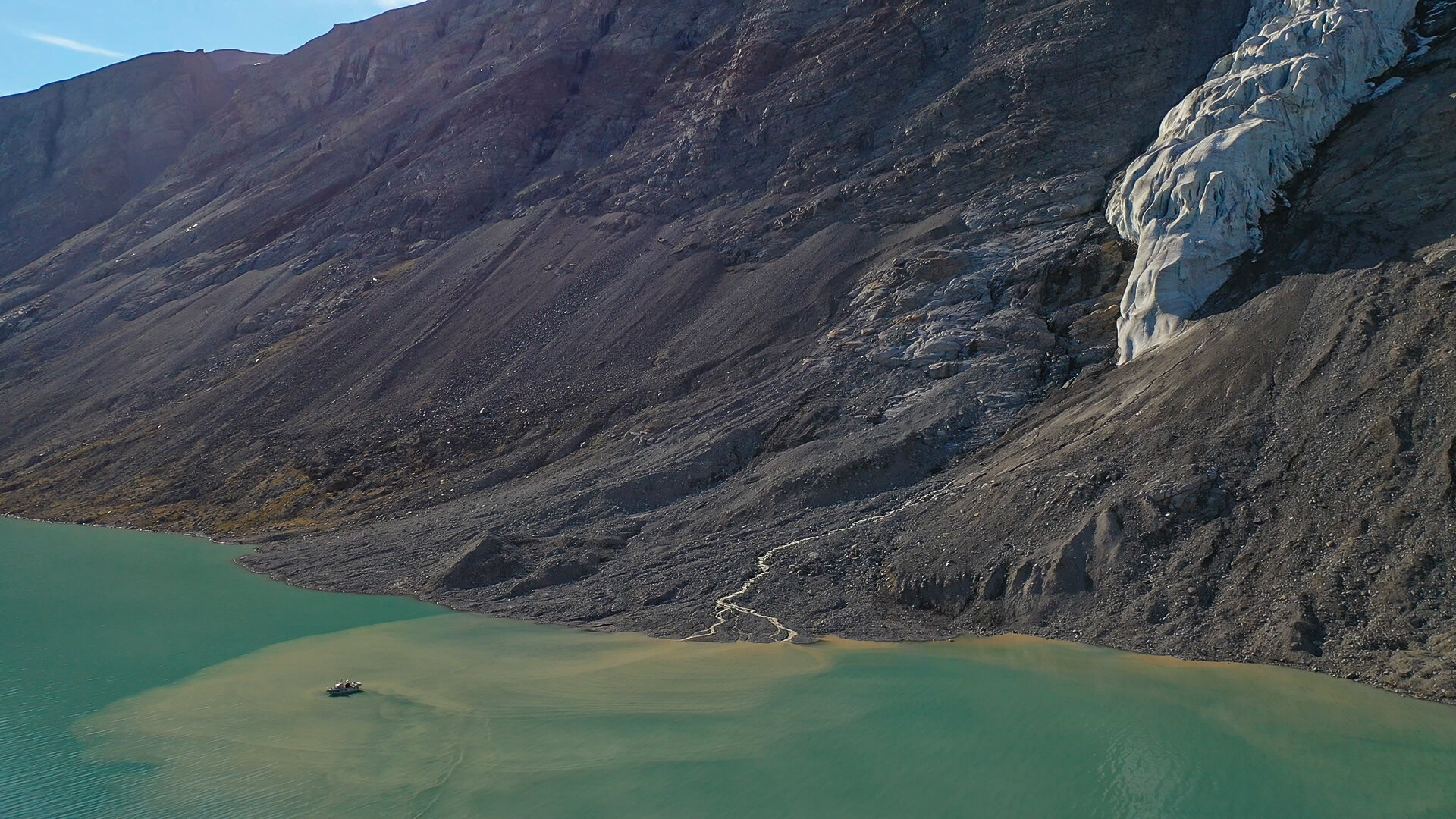
    Scientists study the impact of glacial meltwater on light availability for kelp in Young Sound, NE Greenland. The transport of meltwater from land to the coastal ocean is one of the mechanisms by which climate effects on land are exported to the fjords and contributes to the accumulated impact of climate change on coastal ecosystems. Credit: Karl Attard

    Rapid warming in the Arctic is transforming coastal ecosystems, with significant, often overlooked impacts on both nature and local communities. Scientists emphasize the need to fill knowledge gaps to support adaptation to these changes.

    The Arctic is warming 3-4 times faster than the global average, leading to melting sea ice, retreating glaciers, and thawing permafrost. But what happens when these changes intersect? This is the current reality for Arctic coastal ecosystems, and according to new research published in Limnology & Oceanography Letters, these profound transformations have been largely overlooked.

    As climate change rapidly transforms Arctic marine systems, the dramatic image of a polar bear struggling on a melting ice floe has become symbolic of the region’s environmental crisis. But scientists argue that coastal Arctic ecosystems are undergoing a complementary set of changes to those in the open ocean. These changes are intensified by the interaction of land-based and marine transformations, driving significant impacts on both the environment and local communities.

    “An increasing number of ecosystem drivers along the Arctic coasts are having broader implications for both ecological and human systems,” the researchers observed. “The consequences of these changes are greater than what can be quantified in the open Arctic Ocean alone.” Says Mikael Sejr, professor at the Institute of Ecoscience at Aarhus University.

    With these changes come critical knowledge gaps. Filling these gaps is essential to ensuring that the socioecological systems along Arctic coasts can adapt and remain sustainable in the face of ongoing climate shifts.

    Reference: “Multiple climatic drivers increase pace and consequences of ecosystem change in the Arctic Coastal Ocean” by Mikael K. Sejr, Amanda E. Poste and Paul E. Renaud, 12 September 2024, Limnology and Oceanography Letters.
    DOI: 10.1002/lol2.10431

    Never miss a breakthrough: Join the SciTechDaily newsletter.
    Follow us on Google and Google News.

    Aarhus University Arctic Climate Change Ecosystems
    Share. Facebook Twitter Pinterest LinkedIn Email Reddit

    Related Articles

    “Cryosphere Meltdown” – The Arctic’s Carbon Sink Is Cracking

    Tundra Turns Traitor: Warming Climate Shifts Carbon Sink To Source

    Warning: Arctic’s “Last Ice Area” Faces Meltdown

    Melting Arctic Ice May Lead to Severe Weather Changes

    Increased Methane Gas Levels Found Over Cracks in Arctic Sea Ice

    Cloud Forests are at Risk of Destruction from Global Warming

    Fossil Fuel Emissions, Organic Carbon and Alaska’s Glaciers

    Antarctic Ecosystems Threatened by Invasive Alien Species and Climate Change

    NASA Study Reveals Multi-Year Ice Declining Faster than Perennial Ice that Surrounds It

    5 Comments

    1. Anonymous on October 12, 2024 5:11 am

      We have the technology to extend snow season with fresh, manufactured snow. Why could we not manufacture snow in the artic? Fresh, cool water would melt into the surface water, mitigating this problem.

      Further, we could coat the short, hot mountains of the Caribbean in fresh powder, increasing the introduction of cooler waters into that clime.

      Cooling the ocean’s surface, even only slightly, could trigger our now due glacial period of our current ice age and perhaps buy us a little time to figure this out.

      Liquid Nitrogen in the North Atlantic? We have ways of making ice. Let’s Make Ice.

      Reply
      • Gavin on October 12, 2024 2:16 pm

        Farting against thunder methinks

        Reply
    2. R. Tatro on October 12, 2024 5:20 pm

      Let the extinction cycle that’s upon us take cate of this. The human cycle pales in comparison to the planetary cycle
      Glaciers will come after the poles relocate and it may.ve in.my lifetime, but the next generation will see these changes. 20-30 years and it’s overdue. I agree with it farting against thunder,

      Reply
    3. Luis on October 12, 2024 6:19 pm

      It is true that a soup mix of disasters are brewing and it is true that climate change is a reality.
      But on top of that:the real war comes from the heavens. The more intense and grotesque our wars become, the more God will strike on us.

      Reply
      • chuck on October 14, 2024 12:17 pm

        LOL,,,if not for climate change,,,
        we would still be in the ice age

        Reply
    Leave A Reply Cancel Reply

    • Facebook
    • Twitter
    • Pinterest
    • YouTube

    Don't Miss a Discovery

    Subscribe for the Latest in Science & Tech!

    Trending News

    Scientists Discover Game-Changing New Way To Treat High Cholesterol

    This Small Change to Your Exercise Routine Could Be the Secret to Living Longer

    Scientists Discover 430,000-Year-Old Wooden Tools, Rewriting Human History

    AI Could Detect Early Signs of Alzheimer’s in Under a Minute – Far Before Traditional Tests

    What if Dark Matter Has Two Forms? Bold New Hypothesis Could Explain a Cosmic Mystery

    This Metal Melts in Your Hand – and Scientists Just Discovered Something Strange

    Beef vs. Chicken: Surprising Results From New Prediabetes Study

    Alzheimer’s Breakthrough: Scientists Discover Key Protein May Prevent Toxic Protein Clumps in the Brain

    Follow SciTechDaily
    • Facebook
    • Twitter
    • YouTube
    • Pinterest
    • Newsletter
    • RSS
    SciTech News
    • Biology News
    • Chemistry News
    • Earth News
    • Health News
    • Physics News
    • Science News
    • Space News
    • Technology News
    Recent Posts
    • Milk Nanoparticles Could Revolutionize Treatment for Deadly Bile Duct Cancer
    • Largest-Ever Study Finds Medicinal Cannabis Ineffective for Anxiety, Depression, PTSD
    • Scientists Reveal Why a Common Drug Causes Birth Defects and Autism
    • A Medieval Japanese Diary Just Helped Scientists Detect a Dangerous Solar Event
    • Humans Returned to Britain 500 Years Earlier Than Scientists Thought
    Copyright © 1998 - 2026 SciTechDaily. All Rights Reserved.
    • Science News
    • About
    • Contact
    • Editorial Board
    • Privacy Policy
    • Terms of Use

    Type above and press Enter to search. Press Esc to cancel.