

Though phytoplankton may grow more in warmer waters, stratification limits nutrients, reducing the fjords’ long-term carbon sink effectiveness.
A new study led by Jochen Knies at the iC3 Polar Research Hub reveals troubling evidence that climate change may be weakening the ability of Arctic fjords to act as effective carbon sinks. As global temperatures rise, the capacity of polar oceans to absorb carbon from the atmosphere could decline.
Knies and his team found that rapid environmental changes are reshaping dynamic fjord ecosystems such as Kongsfjorden in Svalbard. Their research shows not only a shift in phytoplankton communities caused by melting ice, but also a concerning reduction in the ability of these fjords to capture and store carbon.
The Hidden World of Phytoplankton
Phytoplankton form the foundation of Arctic food webs. These microscopic organisms are more than just food for marine life, they are essential to carbon cycling and climate regulation. As sea ice melts, more sunlight penetrates the ocean surface, allowing phytoplankton populations to grow. This triggers a surge of biological activity, attracting fish and marine animals to the newly enriched waters.
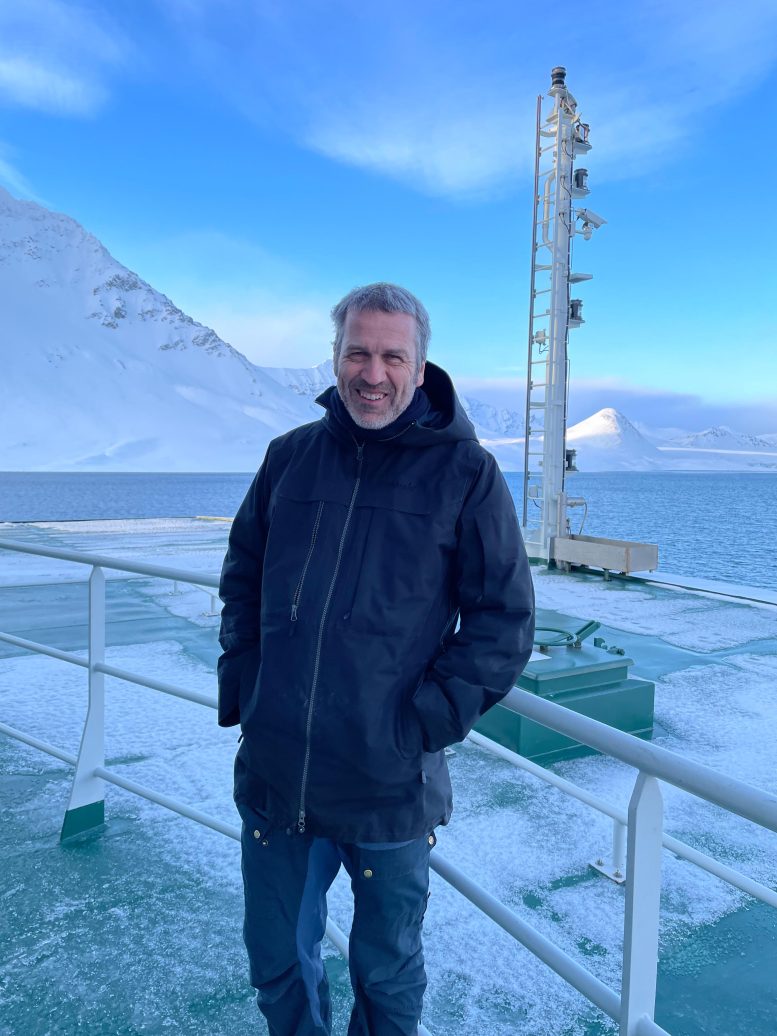
Jochen Knies, lead author of the study, highlights this dynamic: “The changes we observe suggest that the future of these fjord ecosystems will depend heavily on how well they adapt to a warmer climate.”
Balancing Growth and Sustainability in a Warming Climate
Warmer waters can enhance phytoplankton growth during sunlit summers, presenting an initial opportunity for increased productivity. However, as the waters become stratified, essential nutrients become harder to access, leading to a double-edged sword: while we may see a rise in phytoplankton biomass, the efficiency of carbon capture could decline.
Jochen emphasizes this critical point: “While we anticipate greater primary production, the reality is that warmer, stratified waters could hinder the fjords’ ability to serve as effective carbon sinks.”
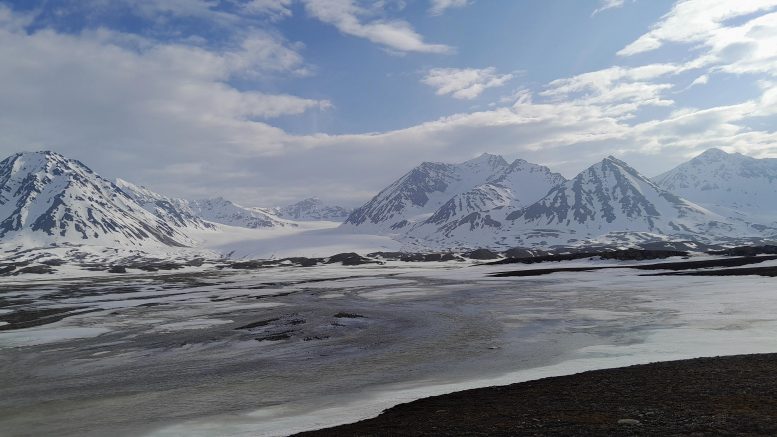
Furthermore, the influx of glacial meltwater, like a lifeline for marine life, plays a vital role in reshaping the nutrient landscape of these fjords. As glaciers disappear, this nutrient supply becomes unpredictable, raising concerns about the long-term health of these ecosystems. Without a steady flow of nutrients, the ecological balance may be disrupted, potentially impacting the food web and overall productivity of the fjords.
Looking Ahead: The Arctic as a Climate Barometer
The Arctic acts as a vital indicator of global climate change. The world’s focus is drawn to these melting ice caps not just for their beauty, but because they hold significant lessons about our shared future. “The future of Arctic fjords reflects the broader climate challenges we face globally,” Jochen warns.
Reference: “Arctic fjord ecosystem adaptation to cryosphere meltdown over the past 14,000 years” by Jochen Knies, Youngkyu Ahn, Berenice Ebner, Lukas Smik, Kwangchul Jang, Seung-Il Nam, Simon T. Belt and Carsten J. Schubert, 25 April 2025, Communications Earth & Environment.
DOI: 10.1038/s43247-025-02251-y
Never miss a breakthrough: Join the SciTechDaily newsletter.
Follow us on Google and Google News.
1 Comment
“Could.” That most useful word from the vocabulary of lawyers, used when there aren’t any numbers to support even a probability, let alone an actual numeric prediction with an associated uncertatinty.