

NASA and Boeing successfully landed the company’s CST-100 Starliner spacecraft Wednesday, May 25, 2022, in the desert of the western United States, completing the uncrewed Orbital Flight Test-2 (OFT-2) to the International Space Station (ISS) to help establish that the system is ready to fly astronauts.
About four hours after departing the orbital outpost, Starliner touched down onto its airbags at 4:49 p.m. MDT (6:49 p.m. EDT), wrapping up the six-day flight, which tested the end-to-end capabilities of the crew-capable spacecraft. The landing followed a deorbit burn at 4:05 p.m., separation of the spacecraft’s service module, and successful deployment of its three main parachutes and six airbags.
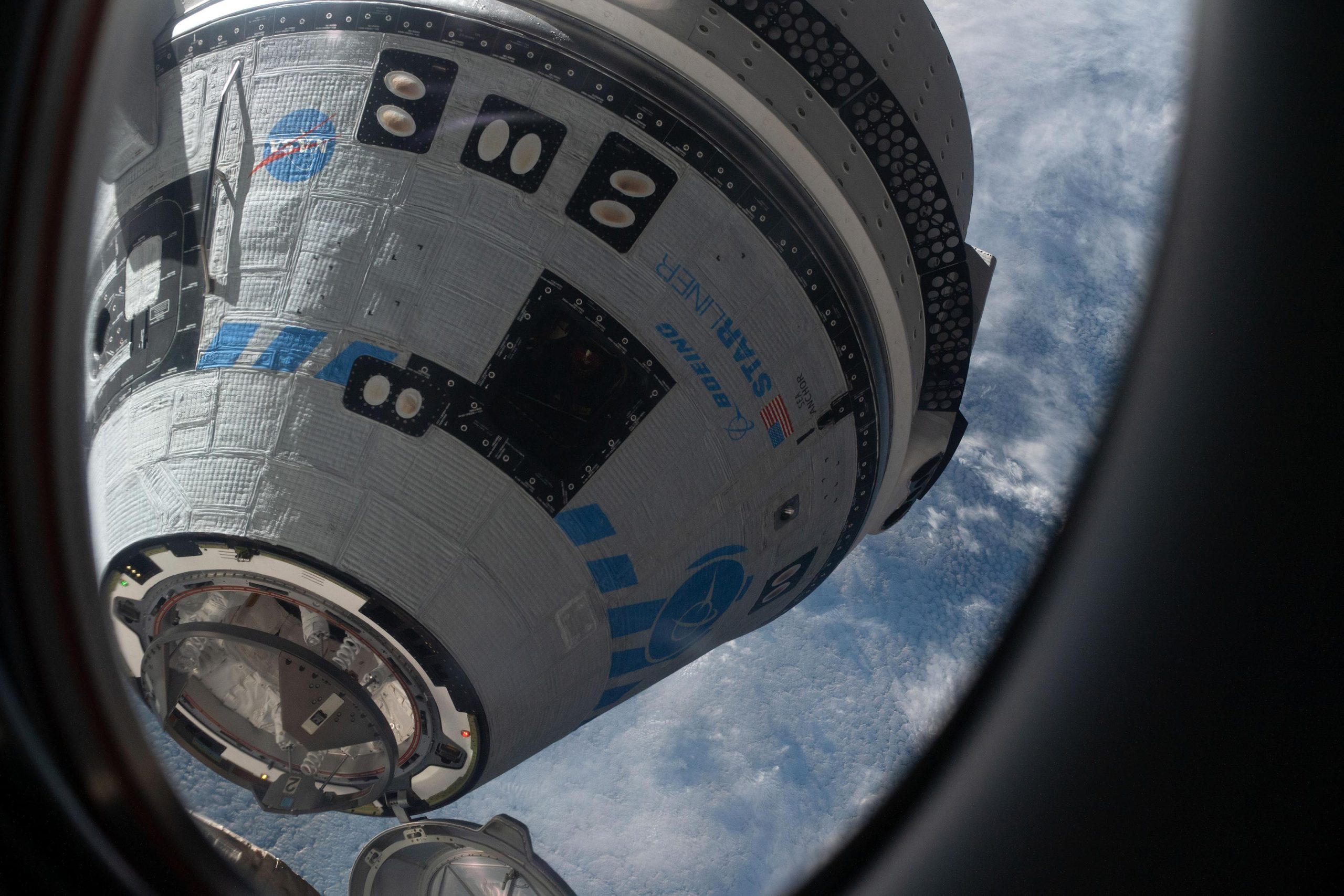
“NASA’s Commercial Crew Program and our industry partner, Boeing, today took a major and successful step on the journey to enabling more human spaceflight missions to the International Space Station on American spacecraft from American soil,” said NASA Administrator Bill Nelson. “The OFT-2 mission represents the power of collaboration, which allows us to innovate for the benefit of humanity and inspire the world through discovery. This golden era of spaceflight wouldn’t be possible without the thousands of individuals who persevered and poured their passion into this great achievement.”
Watch the landing of Boeing’s uncrewed Starliner at White Sands Space Harbor at the U.S. Army’s White Sands Missile Range in New Mexico. This return to Earth wrapped up the six-day Orbital Flight Test-2, which will provide valuable data toward NASA certifying Boeing’s crew transportation system for regular flights with astronauts to and from the International Space Station. Credit: NASA
As part of the flight test for NASA’s Commercial Crew Program, Boeing accomplished planned test objectives, including:
- Starliner launch and normal trajectory to orbital insertion
- Launch of United Launch Alliance’s (ULA) Atlas V and dual-engine Centaur second stage
- Ascent abort emergency detection system validation
- Starliner separation from the Atlas V rocket
- Approach, rendezvous, and docking with International Space Station
- Starliner hatch opening and closing, astronaut ingress, and quiescent mode
- Crew habitability and internal interface evaluation
- Starliner undocking and departure from space station
- Starliner deorbit, and crew module separation from service module
- Starliner descent and atmospheric entry with aero-deceleration system
- Precision targeted landing and recovery
“I am incredibly proud of the dedication and perseverance shown by the NASA, Boeing, and ULA team culminating in the successful completion of Starliner’s second Orbital Flight Test from start to finish,” said Steve Stich, manager, NASA’s Commercial Crew Program. “Throughout this process, Starliner has provided a tremendous amount of valuable data, which we’re continuing to assess in our effort to bring the spacecraft online and fully operational for crew flights to the space station as soon as it is safe to do so.”
The flight test began Thursday, May 19, when Starliner launched on the ULA Atlas V rocket from Space Launch Complex-41 at Cape Canaveral Space Force Station in Florida.
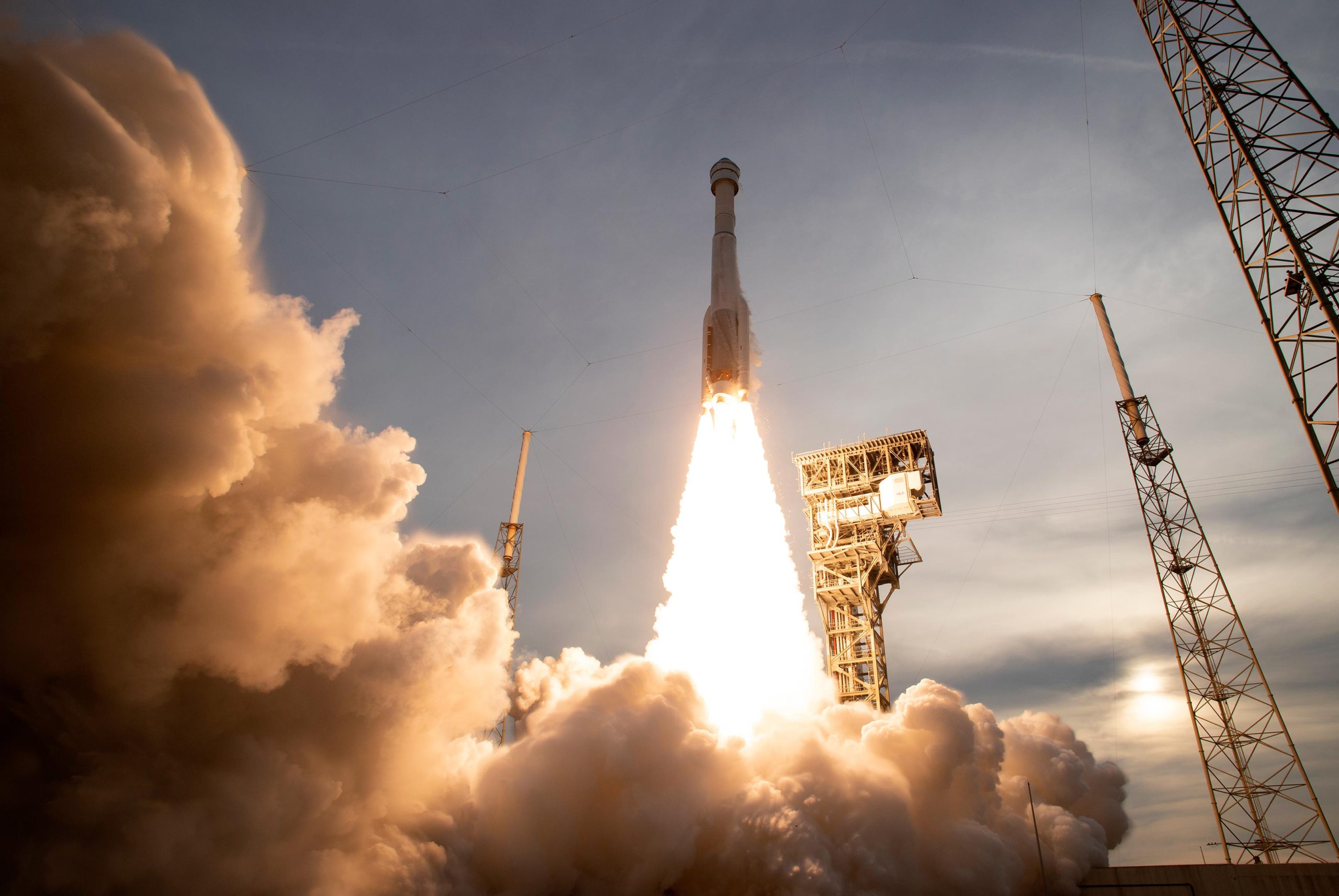
Following liftoff, Starliner successfully entered Earth’s orbit, performed a series of demonstrations of its capabilities, and docked with the space station 26 hours after launch. The Expedition 67 crew aboard the station opened hatches and entered the capsule for the first time, inspecting the spacecraft and verifying integration with power and communications station systems for longer stays in the future. The station crew also unloaded 500 pounds of cargo delivered by Starliner and sent 600 pounds of cargo back to Earth.
“Congratulations to the NASA and Boeing teams,” said Joel Montalbano, manager of NASA’s International Space Station Program. “I am excited to see the completion of a critical step in bringing another system online to transport long-duration crew members to and from the International Space Station. Soon, we hope to see crews arrive to the space station on Starliner to continue the important microgravity scientific research and discovery made possible by the orbiting laboratory.”
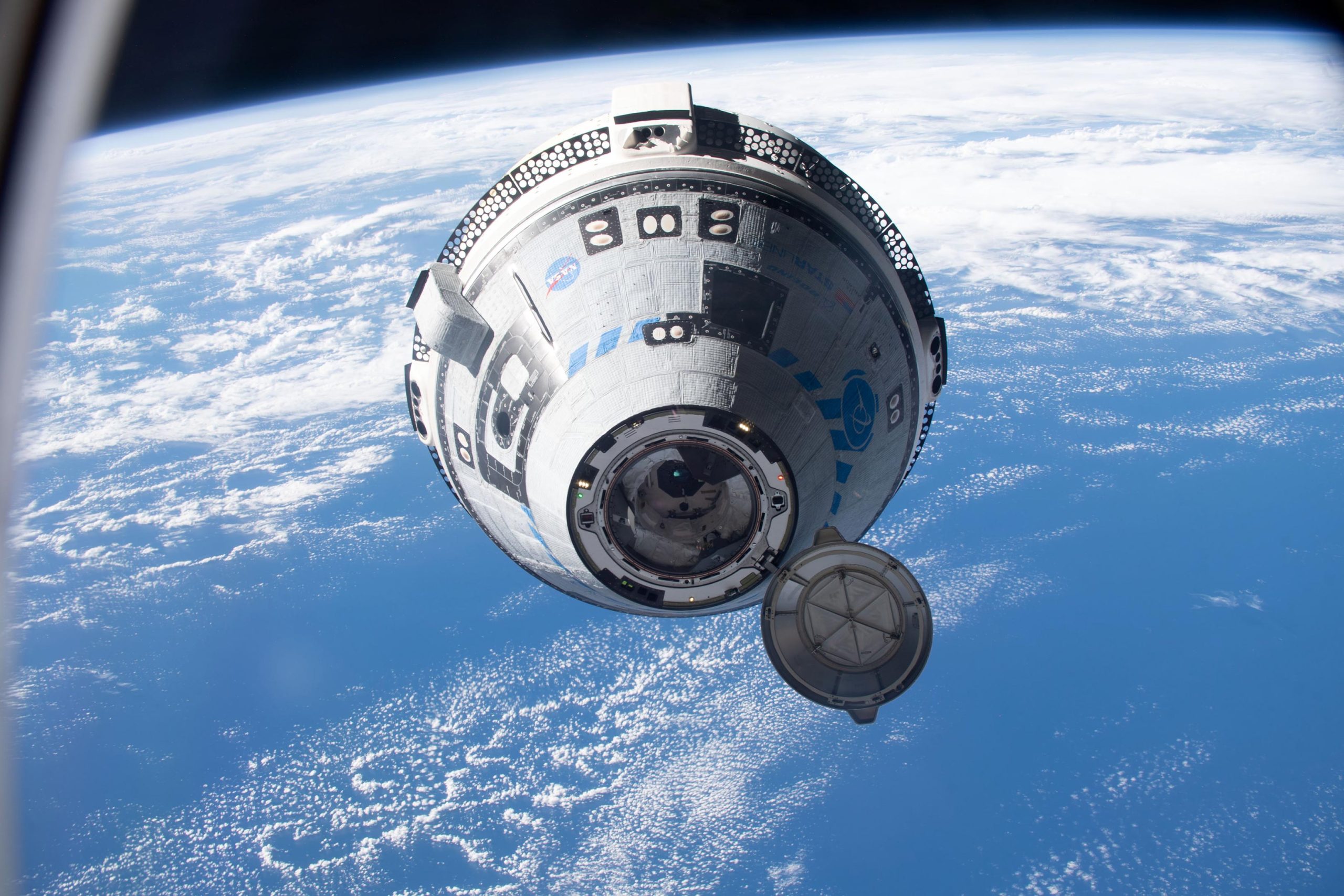
A critical step in validating the performance of Boeing’s systems, OFT-2 brings the nation a significant step closer to having two unique human transportation systems to carry astronauts to and from the space station from U.S. soil.
“We have had an excellent flight test of a complex system that we expected to learn from along the way and we have,” said Mark Nappi, vice president and program manager, Boeing Commercial Crew Program. “With the completion of OFT-2, we will incorporate lessons learned and continue working to prepare for the crewed flight test and NASA certification. Thank you to the NASA and Boeing teammates who have put so much of themselves into Starliner.”
Starliner carried a “passenger” on this flight test – a lifelike test device named Rosie.
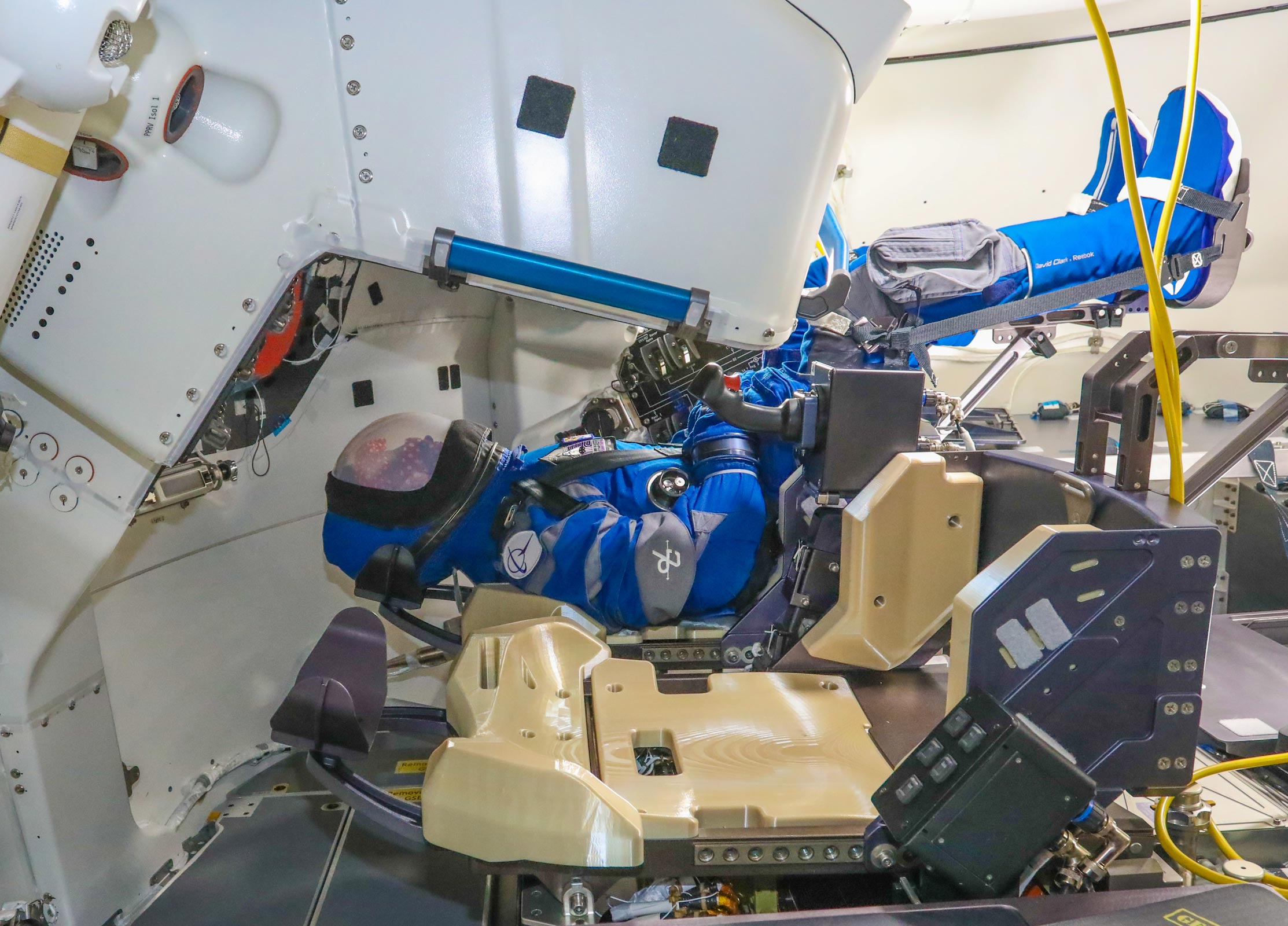
During OFT-1, Rosie was outfitted with 15 sensors to collect data on what astronauts will experience during flights on Starliner. For OFT-2, spacecraft data capture ports previously connected to Rosie’s 15 sensors were used to collect data from sensors placed along the seat pallet, which is the infrastructure that holds all the crew seats in place. Among the cargo returned were three Nitrogen Oxygen Recharge System reusable tanks that provide breathable air to station crew members. The tanks will be refurbished on Earth and sent back to the station on a future flight.
Boeing retrieved the spacecraft from the desert and will transport it back to the company’s Commercial Crew and Cargo Processing Facility at NASA’s Kennedy Space Center in Florida for processing.
After NASA and Boeing review the data from this test flight, teams will continue with plans for Starliner and its next mission, the Crew Flight Test to the space station
Never miss a breakthrough: Join the SciTechDaily newsletter.
Follow us on Google and Google News.
2 Comments
What the hell are you crowing about. It was a failure. If real Humans had been aboard, they would have shat themselves and filled the capsule with shyt. Failed thrusters? That’s a win? Go to hell Boeing and NASA and take your death machines with you.
We will be the first people on mars.