
Close Menu
    Facebook X (Twitter) Instagram
    SciTechDaily
    • Biology
    • Chemistry
    • Earth
    • Health
    • Physics
    • Science
    • Space
    • Technology
    Facebook X (Twitter) Pinterest YouTube RSS
    SciTechDaily
    Home»Space»Breathtaking X-Class Solar Flare Bursts From the Sun
    Space

    Breathtaking X-Class Solar Flare Bursts From the Sun

    By NASAMarch 6, 20231 Comment2 Mins Read
    Facebook Twitter Pinterest Telegram LinkedIn WhatsApp Email Reddit
    Share
    Facebook Twitter LinkedIn Pinterest Telegram Email Reddit
    Solar Flare March 2023
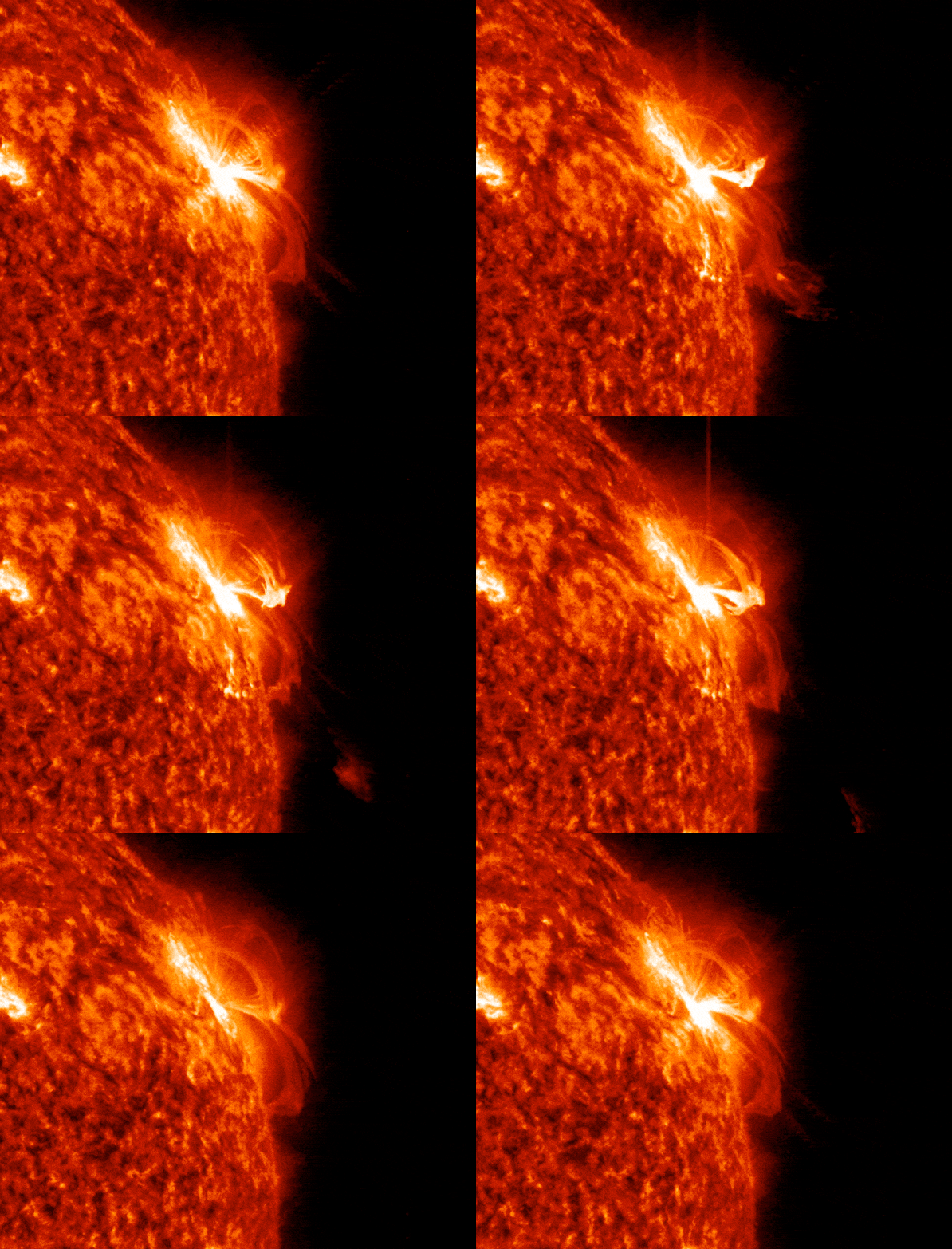
    NASA’s Solar Dynamics Observatory captured this image of a solar flare – as seen in the bright flash on the upper right – on March 3, 2023. The image shows a subset of extreme ultraviolet light that highlights the extremely hot material in flares, and which is colorized in orange. Credit: NASA/SDO

    The Sun emitted a strong (X-class) solar flare, peaking at 12:52 p.m. EST on March 3, 2023. NASA’s Solar Dynamics Observatory (SDO), which watches the Sun constantly, captured an image of the event.

    Solar flares are massive explosions that occur on the surface of the Sun, unleashing tremendous amounts of energy that can cause significant disruptions in various technological systems on Earth. These powerful bursts of energy can cause disturbances in the Earth’s ionosphere, leading to interference with high-frequency (HF) radio communications, satellite navigation signals, and even electric power grids.
    SDO Artist's Concept
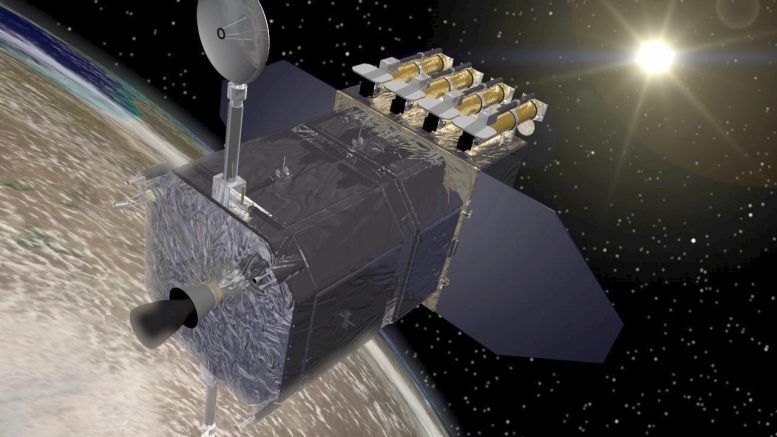
    Artist’s concept of NASA’s Solar Dynamics Observatory (SDO). Credit: NASA/Goddard Space Flight Center Conceptual Image Lab

    In addition, solar flares and eruptions can also pose severe risks to spacecraft and astronauts in space. The release of high-energy particles and radiation during a solar event can damage the sensitive electronic equipment onboard spacecraft and threaten the health of astronauts. In severe cases, these space weather events can cause significant disruptions to critical systems, such as satellite communication and GPS, potentially causing widespread blackouts and other impacts on human activities on Earth.

    Scientists and space agencies around the world closely monitor the activity of the Sun and its impact on Earth’s atmosphere and space environment. Sophisticated instruments and satellites are used to study the behavior of the Sun and predict the occurrence of solar flares and other space weather events. Understanding these phenomena is crucial for mitigating the risks they pose to our technology, infrastructure, and space exploration efforts.

    Never miss a breakthrough: Join the SciTechDaily newsletter.
    Follow us on Google and Google News.

    Astronomy NASA Solar Dynamics Observatory Solar Flares Sun
    Share. Facebook Twitter Pinterest LinkedIn Email Reddit

    Related Articles

    Solar Fury Erupts: Sun Rings In the New Year With X1.8 Flare

    X1.8 Flare Unleashed: NASA Captures Powerful Solar Eruption

    Sun Unleashes Monumental X9.0 Solar Flare – Most Intense in 7 Years – Captured by NASA Observatory

    Monster X7.1 Solar Flare Unleashed: Intense Blast Captured by NASA’s Solar Dynamics Observatory

    Sun Ignites: Unleashing a Powerful X4.5 Solar Flare

    NASA’s Solar Dynamics Observatory Spots Burst of Light and Energy on the Sun: A B-Class Flare

    NASA’s Solar Dynamics Observatory Views M-Class Solar Flare

    NASA’s SDO Reveals Images of X4.9-Class Solar Flare

    NASA’s Solar Dynamics Observatory Views Two New Solar Flares

    1 Comment

    1. michael on March 7, 2023 6:56 am

      Well, is this solar flare heading for Earth? Presumably not, or surely they would have warned us all to duck under our dining room tables.
      If a WW3 nuclear holocaust doesn’t get you, our simmering nascent micro nova will in the end!

      Reply
    Leave A Reply Cancel Reply

    • Facebook
    • Twitter
    • Pinterest
    • YouTube

    Don't Miss a Discovery

    Subscribe for the Latest in Science & Tech!

    Trending News

    Study Finds Natural Dairy Trans Fats Behave Very Differently From Industrial Fats

    Your Voice May Reveal How Fast Your Brain Is Aging

    These Fingernail-Sized Animals Are Moving Astonishing Amounts of California Beach Sand

    NASA’s Perseverance Rover Finds Mars Had a Far More Complicated Water History Than Expected

    Why Do Muscles Weaken With Age? Scientists May Have Found an Important Missing Piece

    Cancer’s “Obesity Paradox” May Have a Surprising Explanation

    Engineers Have Created the World’s First Floating Titanium

    More Than 1 in 3 Adults Had High Blood Pressure – Most Didn’t Know It

    Follow SciTechDaily
    • Facebook
    • Twitter
    • YouTube
    • Pinterest
    • Newsletter
    • RSS
    SciTech News
    • Biology News
    • Chemistry News
    • Earth News
    • Health News
    • Physics News
    • Science News
    • Space News
    • Technology News
    Recent Posts
    • 2 Billion-Year-Old Rocks Reveal How Life Helped Stabilize Earth’s Atmosphere
    • Switzerland’s Glaciers Lost More Than 5% of Their Ice in Just One Year
    • Scientists Decode a 12,000-Year-Old Mystery Hidden in Ancient Spear Points
    • Researchers Reverse Autism-Related Behaviors in Mice by Targeting Brain Blood Vessels
    • Scientists Tested This Tropical Fruit for Diabetes – and Found an Unexpected Blood Pressure Effect
    Copyright © 1998 - 2026 SciTechDaily. All Rights Reserved.
    • Science News
    • About
    • Contact
    • Editorial Board
    • Privacy Policy
    • Terms of Use

    Type above and press Enter to search. Press Esc to cancel.