
Close Menu
    Facebook X (Twitter) Instagram
    SciTechDaily
    • Biology
    • Chemistry
    • Earth
    • Health
    • Physics
    • Science
    • Space
    • Technology
    Facebook X (Twitter) Pinterest YouTube RSS
    SciTechDaily
    Home»Health»Chelation-Therapy Heart Trial Criticized
    Health

    Chelation-Therapy Heart Trial Criticized

    By SciTechDailyNovember 14, 2012No Comments3 Mins Read
    Facebook Twitter Pinterest Telegram LinkedIn WhatsApp Email Reddit
    Share
    Facebook Twitter LinkedIn Pinterest Telegram Email Reddit
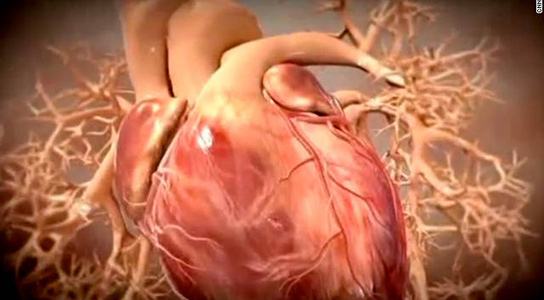
    graphic-heart-attack
    Heart attach illustration

    There are millions of Americans seeking the use of complementary medicines, and many researchers applaud efforts to test and debunk folk treatments. However, what happens when such an alternative therapy actually works?

    In a study funded by the US National Center for Complementary and Alternative Medicine (NCCAM), part of the National Institutes of Health (NIH) in Bethesda, Maryland, a trial indicates that a fringe therapy intended to sop up metal ions in the blood might reduce the participants’ risk of heart attacks. Some critics are already attacking the rigor of the study, as well as the records of some of the investigators. This has raised questions about whether the center’s $128-million annual budget is being well-spent.

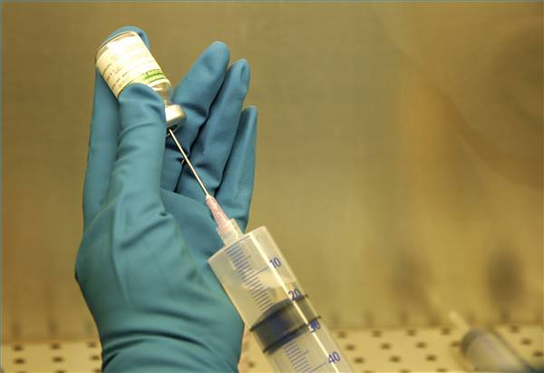
    The Trial to Assess Chelation Therapy (TACT) was a 10-year, $31.6-million study that involved 1,708 participants in 134 centers. Its goal was to test whether weekly infusions of a salt of ethylenediaminetetraacetic acid (EDTA) can lower the risk of repeat heart attacks. EDTA is a chelating agent, which can grab and hold onto positive metal ions. The FDA has approved one salt, calcium disodium EDTA to treat lead poisoning.
    chelation-therapy

    Proponents of chelation therapy have speculated that it could also cleanse the blood of calcium ions, a component of atherosclerotic plaques that block blood vessels.

    Every year, 110,000 Americans undergo chelation therapy, which can cost thousands of dollars per course. According to TACT, the therapy shows signs of working. At the November 4th annual meeting of the American Heart Association in Los Angeles, California, trial leaders reported that 26% of patients who had received the therapy went on to suffer a heart attack, stroke, or other heart problem, compared with 30% of patients on a placebo. This might not sound like much, but it’s a statistically significant difference.

    Curiously, the benefit was only observed among participants with diabetes and 30% of the participants dropped out of the trial. Critics also noted that nearly two dozen trial co-investigators had been disciplined by state medical boards for infractions ranging from insurance fraud to providing ineffective treatments.

    In 2008, TACT was suspended after regulators were informed that subjects weren’t being given the consented calcium disodium EDTA, but instead given a slightly different salt disodium EDTA, which the FDA had revoked approval.

    The trial resumed after consent forms were reworded to include warnings, such as “death is a rare complication of EDTA infusions”. But critics charge that TACT is simply the latest example of dubious research into unproven therapies supported by the NCCAM.

    Never miss a breakthrough: Join the SciTechDaily newsletter.
    Follow us on Google and Google News.

    Disease Heart Attack
    Share. Facebook Twitter Pinterest LinkedIn Email Reddit

    Related Articles

    Drug Discovered With Potential to Treat Heart Attacks and Prevent Heart Failure

    Trans-Fatty Acid Ban Results in Reduced Heart Attacks and Stroke

    Mediterranean Diet Significantly Reduces the Risk of Suffering a Cardiovascular Death

    Immune Response to Heart Attack Can Worsen Atherosclerosis

    Flavonoid Compound Shown to Prevent Blood Clots

    Ticks, Lyme Disease and Public Health

    Researchers Find Possible Link Between Diet Soda and Vascular Risks

    Worldwide Rise in Type 1 Diabetes Could Be Linked to Obesity

    Prion Diseases Hidden in Spleens Could Mean Thousands of Infected

    Leave A Reply Cancel Reply

    • Facebook
    • Twitter
    • Pinterest
    • YouTube

    Don't Miss a Discovery

    Subscribe for the Latest in Science & Tech!

    Trending News

    Scientists Warn That This Common Pet Fish Can Wreck Entire Ecosystems

    Scientists Make Breakthrough in Turning Plastic Trash Into Clean Fuel Using Sunlight

    This Popular Supplement May Interfere With Cancer Treatment, Scientists Warn

    Scientists Finally Solved One of Water’s Biggest Mysteries

    Could This New Weight-Loss Pill Disrupt the Entire Market? Here’s What You Should Know About Orforglipron

    Earth’s Crust Is Tearing Open in Africa, and It Could Form a New Ocean

    Breakthrough Bowel Cancer Trial Leaves Patients Cancer-Free for Nearly 3 Years

    Natural Compound Shows Powerful Potential Against Rheumatoid Arthritis

    Follow SciTechDaily
    • Facebook
    • Twitter
    • YouTube
    • Pinterest
    • Newsletter
    • RSS
    SciTech News
    • Biology News
    • Chemistry News
    • Earth News
    • Health News
    • Physics News
    • Science News
    • Space News
    • Technology News
    Recent Posts
    • The Most Effective Knee Arthritis Treatments Aren’t What You Expect
    • Scientists Develop Bioengineered Chewing Gum That Could Help Fight Oral Cancer
    • Popular Weight-Loss Drugs Found To Cut Heart Attack and Stroke Risk
    • After 37 Years, the World’s Longest-Running Soil Warming Experiment Uncovers a Startling Climate Secret
    • NASA Satellite Captures First-Ever High-Res View of Massive Pacific Tsunami
    Copyright © 1998 - 2026 SciTechDaily. All Rights Reserved.
    • Science News
    • About
    • Contact
    • Editorial Board
    • Privacy Policy
    • Terms of Use

    Type above and press Enter to search. Press Esc to cancel.