
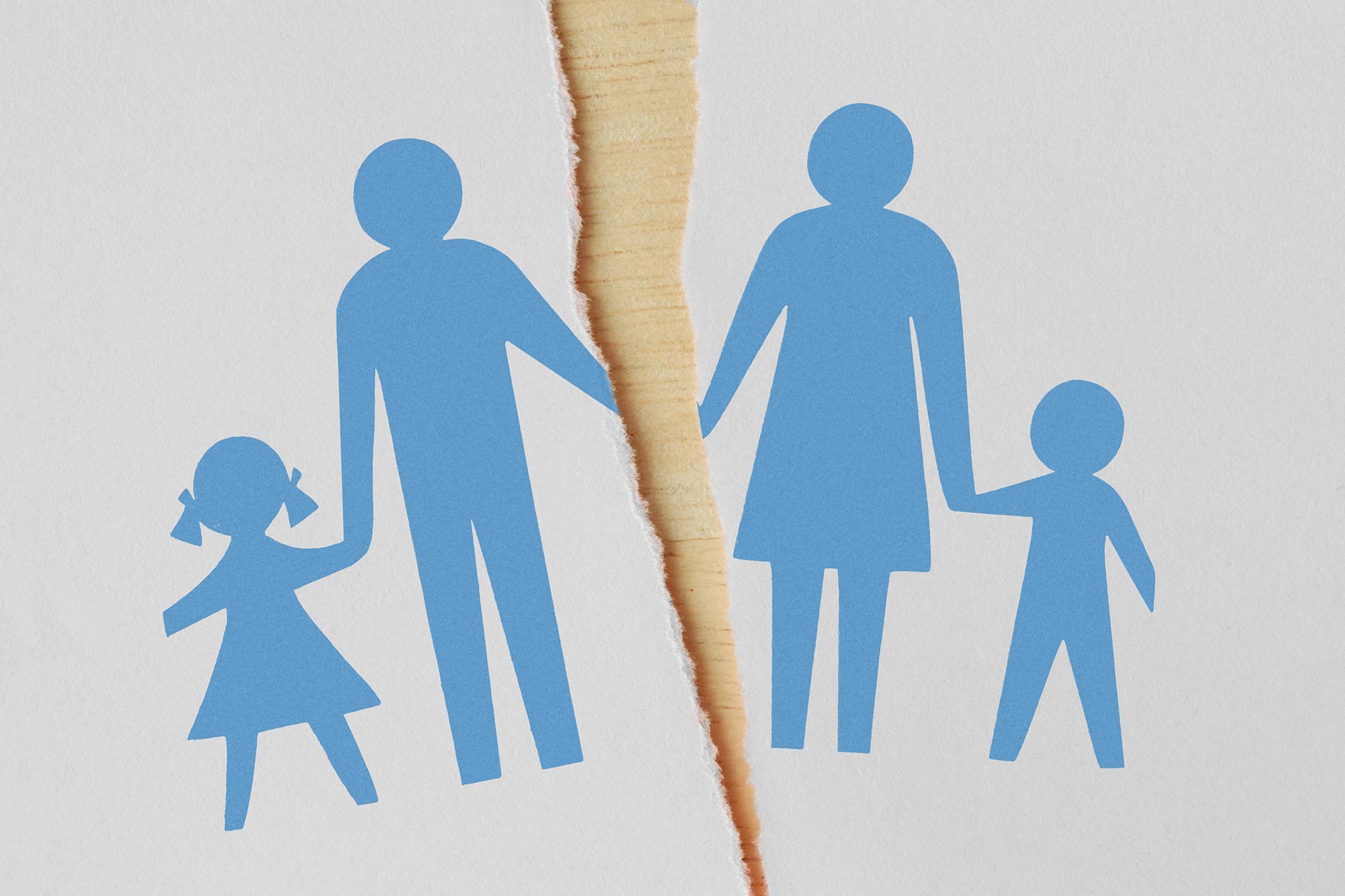
A new study reveals that adults whose parents divorced during their childhood have a significantly higher risk of experiencing a stroke later in life.
This research, which did not consider childhood abuse, highlights the long-term health impacts of parental divorce, marking a 60% increase in stroke risk for individuals from split families, irrespective of traditional risk factors.
Introduction to Childhood Trauma and Stroke Risk
A new study suggests that people whose parents divorced during their childhood may have a higher risk of experiencing a stroke later in life. The research, published on January 22, 2025, in the open-access journal PLOS One, was conducted by Esme Fuller-Thomson from the University of Toronto, Canada, and colleagues.
Each year, around 795,000 people in the U.S. suffer a stroke. While previous studies have linked various social and demographic factors—as well as adverse childhood experiences—to stroke risk, this study focused specifically on the impact of parental divorce during childhood in adults who did not experience childhood abuse. Researchers analyzed data from 13,205 adults aged 65 and older, collected through the 2022 Behavioral Risk Factor Surveillance System.
Findings: Elevated Stroke Risks Linked to Parental Divorce
The findings revealed that individuals who experienced parental divorce before the age of 18 had a 61% higher likelihood of having a stroke compared to those whose parents remained together (AOR=1.61, 95% CI=1.15-2.24). This association was consistent across genders and remained significant even after accounting for other well-known risk factors such as diabetes, depression, and limited social support networks.
The current study was not designed to analyze the potential mechanism of this association, nor to prove causation. The conclusions may not be generalizable to younger generations, who have experienced overall higher rates of parental divorce. In addition, several potential confounding factors – including blood pressure, cholesterol, contraceptive use, age at parents’ divorce, and types of strokes—were not available in the data.
Conclusion: Implications of Parental Divorce
However, the authors say that their data supports an association between parental divorce during childhood and increased stroke risk, even in the absence of childhood abuse and other trauma.
Senior author Esme Fuller-Thomson adds: “It is extremely concerning that older adults who grew up in divorced families had 60% higher odds of stroke, even after excluding those who had been physically or sexually abused as children. The magnitude of the association between parental divorce and stroke was comparable to well-established risk factors for stroke such as male gender and having diabetes.”
Explore Further: Did Your Parents Divorce? It Could Affect Your Health Decades Later
Reference: “Parental divorce’s long shadow: Elevated stroke risk among older Americans” by Mary Kate Schilke, Philip Baiden and Esme Fuller-Thomson, 22 January 2025, PLOS ONE.
DOI: 10.1371/journal.pone.0316580
Never miss a breakthrough: Join the SciTechDaily newsletter.
Follow us on Google and Google News.