
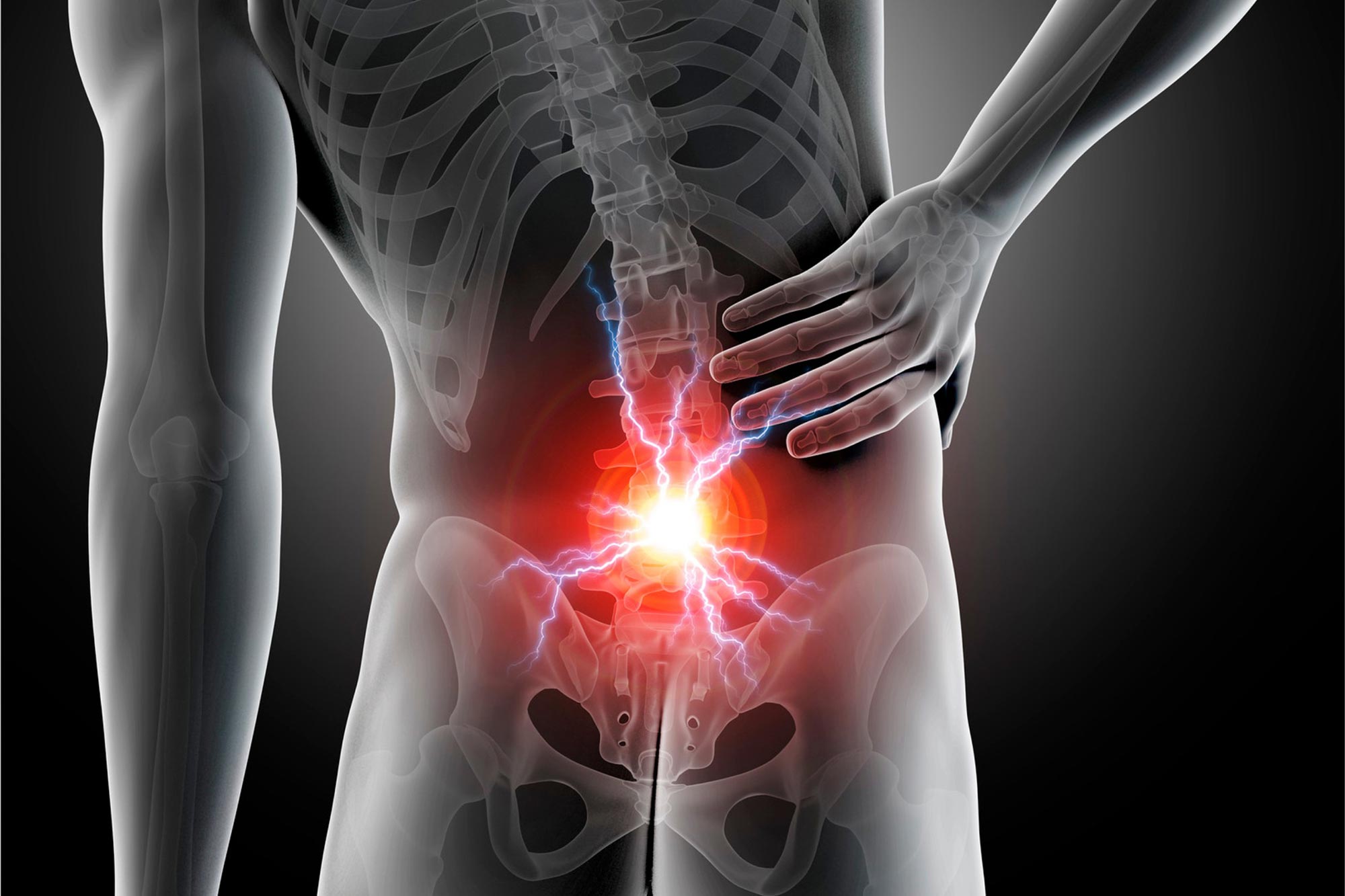
Two-thirds of participants experienced little to no pain after attributing their discomfort to mental or brain processes during their recovery period.
A recent study published in JAMA Network Open may provide key answers to how to help people experiencing chronic back pain.
The study investigated the critical link between the brain and pain management in chronic conditions. It specifically focuses on the role of pain attributions – the perceptions individuals have regarding the root causes of their pain – in diminishing the severity of chronic back pain.
The Brain-Pain Connection: Key to Effective Treatment
“Millions of people are experiencing chronic pain and many haven’t found ways to help with the pain, making it clear that something is missing in the way we’re diagnosing and treating people,” said the study’s first author Yoni Ashar, PhD, assistant professor of internal medicine at the University of Colorado Anschutz Medical Campus.
Ashar and his team tested whether the reattribution of pain to mind or brain processes was associated with pain relief in pain reprocessing therapy (PRT), which teaches people to perceive pain signals sent to the brain as less threatening. Their goal was to better understand how people recovered from chronic back pain. The study revealed after PRT, patients reported reduced back pain intensity.
“Our study shows that discussing pain attributions with patients and helping them understand that pain is often ‘in the brain’ can help reduce it,” Ashar said.
Shifting Perceptions for Better Pain Management
To study the effects of pain attributions, they enrolled over 150 adults experiencing moderately severe chronic back pain in a randomized trial to receive PRT. They found two-thirds of people treated with PRT reported being pain-free or nearly so after treatment, compared to only 20% of placebo controls.
“This study is critically important because patients’ pain attributions are often inaccurate. We found that very few people believed their brains had anything to do with their pain. This can be unhelpful and hurtful when it comes to planning for recovery since pain attributions guide major treatment decisions, such as whether to get surgery or psychological treatment,” said Ashar.
Before PRT treatment, only 10% of participants’ attributions of PRT treatment were mind- or brain-related. However, after PRT, this increased to 51%. The study revealed that the more participants shifted to viewing their pain as due to mind or brain processes, the greater the reduction in chronic back pain intensity they reported.
“These results show that shifting perspectives about the brain’s role in chronic pain can allow patients to experience better results and outcomes,” Ashar adds.
Ashar says that one reason for this may be that when patients understand their pain as due to brain processes, they learn that there is nothing wrong with their body and that the pain is a ‘false alarm’ being generated by the brain that they don’t need to be afraid of.
Encouraging a New Dialogue in Pain Management
The researchers hope this study will encourage providers to talk to their patients about the reasons behind their pain and discuss causes outside of biomedical ones.
“Often, discussions with patients focus on biomedical causes of pain. The role of the brain is rarely discussed,” said Ashar. “With this research, we want to provide patients as much relief as possible by exploring different treatments, including ones that address the brain drivers of chronic pain.”
Reference: “Reattribution to Mind-Brain Processes and Recovery From Chronic Back Pain: A Secondary Analysis of a Randomized Clinical Trial” by Yoni K. Ashar, Mark A. Lumley, Roy H. Perlis, Conor Liston, Faith M. Gunning and Tor D. Wager, 28 September 2023, JAMA Network Open.
DOI: 10.1001/jamanetworkopen.2023.33846
Never miss a breakthrough: Join the SciTechDaily newsletter.
Follow us on Google and Google News.
3 Comments
Yes, my brain is the missing piece of the puzzle. Thank you.
So they can trick 41% of people into thinking pain is just the body’s way of telling you nothing.
“Often, discussions with patients focus on biomedical causes of pain. The role of the brain is rarely discussed,” said Ashar.” That’s right folks the doc should just tell you it’s all in your head.
Besides, Ashar hasn’t been to a 6 minute doc appointment recently in which discussing anything doesn’t happen.
I believe we know that we experience pain to help us survive. Reaction pain, like finger on the stove pain, is different from action limiting pain, like chronic back pain. The brain doesn’t have much to do with the former but likely has a lot to do with the latter. Thus, the opportunity to work to keep the brain from overreacting to insult.