
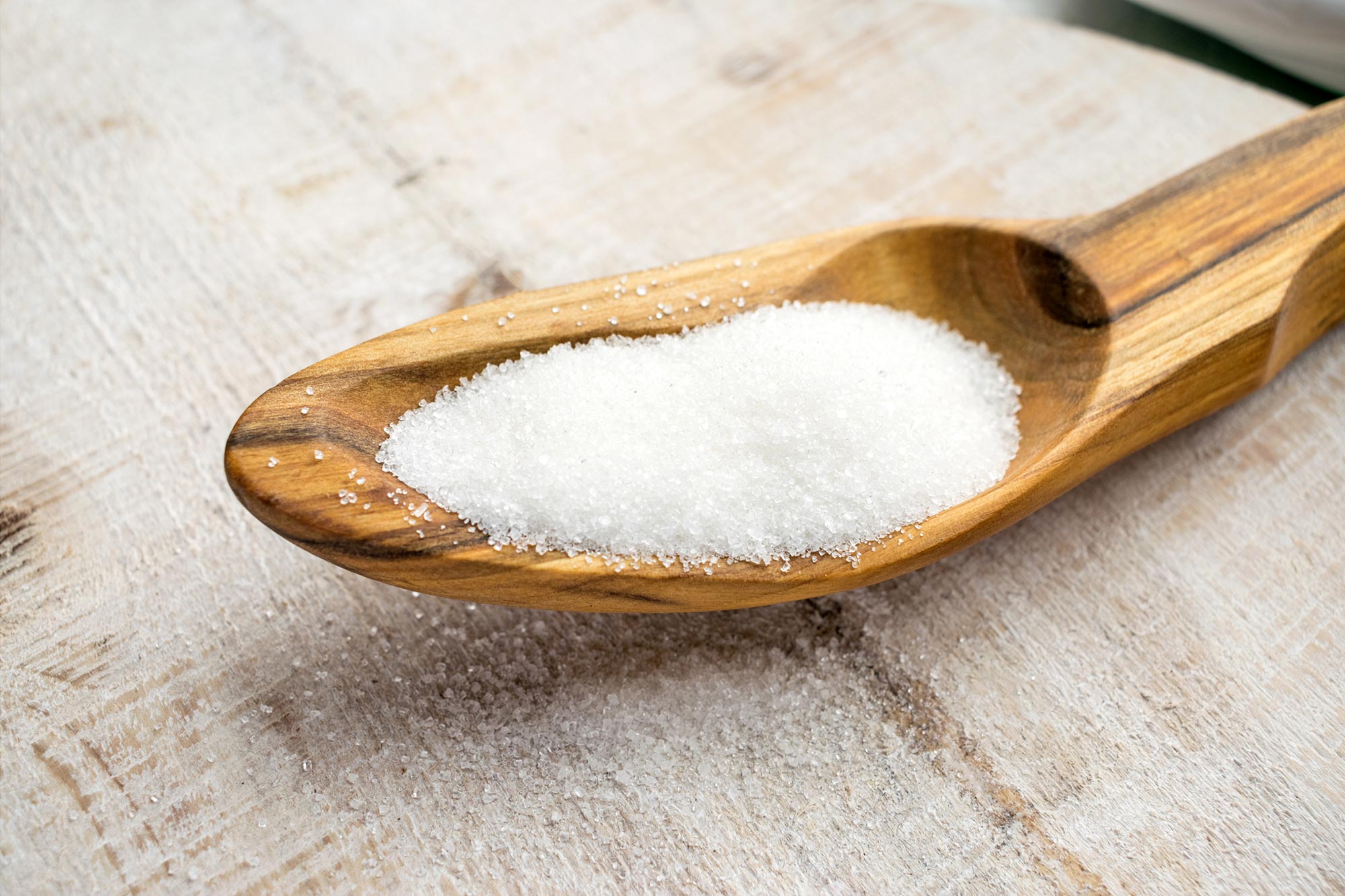
Erythritol, a common artificial sweetener, is found in baked goods, beverages, gum, and candy.
Recent research from the Cleveland Clinic indicates that consuming foods containing erythritol, a widely used artificial sweetener, may elevate the risk of cardiovascular events like heart attacks and strokes. The study, conducted with healthy volunteers, found that erythritol made platelets—blood cells involved in clotting—more active, thereby increasing the likelihood of blood clots. This effect was not observed with sugar (glucose).
Published in Arteriosclerosis, Thrombosis, and Vascular Biology, the research adds to increasing evidence that erythritol may not be as safe as currently classified by food regulatory agencies and should be reevaluated as an ingredient. The study was conducted by a team of Cleveland Clinic researchers as part of a series of investigations on the physiological effects of common sugar substitutes.
“Many professional societies and clinicians routinely recommend that people at high cardiovascular risk – those with obesity, diabetes or metabolic syndrome – consume foods that contain sugar substitutes rather than sugar,” said senior and corresponding author Stanley Hazen, M.D., Ph.D., chair of Cardiovascular and Metabolic Sciences in Cleveland Clinic’s Lerner Research Institute and co-section head of Preventive Cardiology. “These findings underscore the importance of further long-term clinical studies to assess the cardiovascular safety of erythritol and other sugar substitutes.”
Erythritol and other artificial sweeteners are common replacements for table sugar in low-calorie, low-carbohydrate, and “keto” products. Erythritol is about 70% as sweet as sugar and is produced through fermenting corn. After ingestion, erythritol is poorly metabolized by the body. Instead, it goes into the bloodstream and leaves the body mainly through urine. The human body creates low amounts of erythritol naturally, so any additional consumption can accumulate.
Regulatory Status and Recent Studies
Erythritol is classified by the U.S. Food and Drug Administration and the European Food Safety Authority as a GRAS (“generally recognized as safe”) ingredient, allowing its use without restriction in food products. This is primarily because it is a sugar alcohol found naturally in fruits and vegetables and a byproduct of glucose metabolism in human tissue, although in small quantities.
However, recent studies by Dr. Hazen’s group, have found evidence that erythritol in typically consumed amounts may increase cardiovascular risk.
The current research builds on the team’s previous study, published last year in Nature Medicine, which revealed that cardiac patients with high erythritol levels were twice as likely to experience a major cardiac event in the following three years compared to those with low levels. The study also discovered that adding erythritol to patients’ blood or platelets increased clot formation. These findings were confirmed by pre-clinical studies.
The new human intervention study was designed to more directly observe the effects on platelets following erythritol ingestion at a dose typically contained in a “sugarless” soda or muffin. In 20 healthy volunteers, researchers found that the average erythritol level after eating increased over 1,000 times in the group that consumed erythritol compared to their initial levels. Results also revealed participants showed a significant increase in blood clot formation after consuming erythritol, but no change was observed after consuming glucose.
“This research raises some concerns that a standard serving of an erythritol-sweetened food or beverage may acutely stimulate a direct clot-forming effect,” said study co-author W. H. Wilson Tang, M.D., research director for Heart Failure and Cardiac Transplantation Medicine at Cleveland Clinic. “Erythritol and other sugar alcohols that are commonly used as sugar substitutes should be evaluated for potential long-term health effects especially when such effects are not seen with glucose itself.”
Concerns and Recommendations
He adds that the results of this study are especially notable because they come on the heels of another recent study by this research group showing that xylitol, another common artificial sweetener, produced similar increases in plasma levels and affected platelet aggregation in healthy volunteers the same way. Like erythritol, studies with xylitol also included large-scale observation studies demonstrating that high xylitol levels are associated with an increased risk of heart attack, stroke, or death over the following three years.
The authors note that further clinical studies assessing the long-term cardiovascular safety of erythritol are warranted.
“I feel that choosing sugar-sweetened treats occasionally and in small amounts would be preferable to consuming drinks and foods sweetened with these sugar alcohols, especially for people at elevated risk of thrombosis such as those with heart disease, diabetes or metabolic syndrome,” Dr. Hazen advises. “Cardiovascular disease builds over time, and heart disease is the leading cause of death globally. We need to make sure the foods we eat aren’t hidden contributors.”
The research is part of Dr. Hazen’s ongoing investigation into factors that contribute to residual cardiovascular risk. His team follows patients over time and finds chemical signatures in blood that can predict the future development of heart and metabolic disease. He has made pioneering discoveries in atherosclerosis and inflammatory disease research, including the seminal discovery linking gut microbial pathways to cardiovascular disease and metabolic diseases.
Reference: “Ingestion of the Non-Nutritive Sweetener Erythritol, but Not Glucose, Enhances Platelet Reactivity and Thrombosis Potential in Healthy Volunteers” by Marco Witkowski, Jennifer Wilcox, Valesha Province, Zeneng Wang, Ina Nemet, W.H. Wilson Tang and Stanley L. Hazen, 8 August 2024, Arteriosclerosis, Thrombosis, and Vascular Biology.
DOI: 10.1161/ATVBAHA.124.321019
Dr. Hazen also directs Cleveland Clinic’s Center for Microbiome and Human Health and holds the Jan Bleeksma Chair in Vascular Cell Biology and Atherosclerosis.
The study was supported in part by National Institutes of Health and the Office of Dietary Supplements.
Disclosures: Dr. Hazen is named as co-inventor on pending and issued patents held by Cleveland Clinic in relation to cardiovascular diagnostics and therapeutics.
Never miss a breakthrough: Join the SciTechDaily newsletter.
Follow us on Google and Google News.