
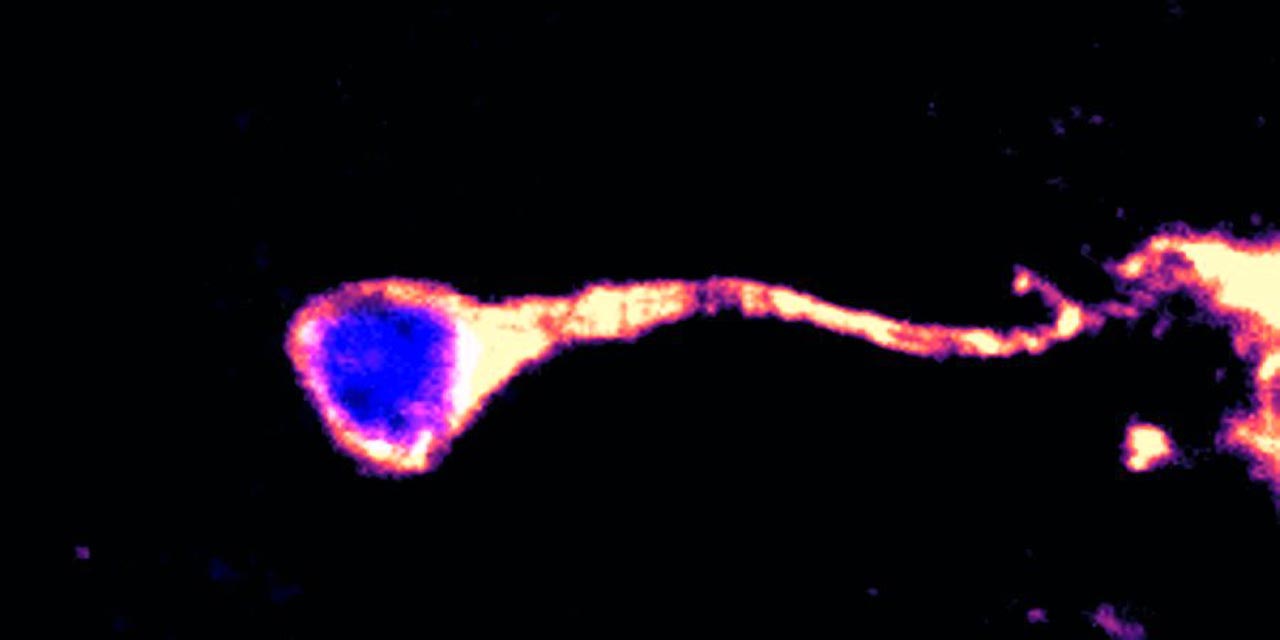
Researchers have uncovered a key protein process that controls the activation of dormant brain stem cells, essential for repairing and regenerating brain tissue. This discovery, involving a protein modification called SUMOylation, opens the door to new treatment possibilities for neurodegenerative diseases like Alzheimer’s and Parkinson’s.
A team of international neuroscientists, led by Duke-NUS Medical School, has discovered a mechanism that controls the reactivation of neural stem cells—critical for brain cell repair and regeneration. This breakthrough research, published on October 17 in Nature Communications, holds promising potential for improving our understanding and treatment of neurodegenerative diseases like Alzheimer’s and Parkinson’s.
Neural stem cells give rise to the brain’s essential functional cells. After early brain development, these stem cells typically enter a dormant state to conserve energy and resources. They only “wake up” when needed, such as after brain injury or during physical activity. As we age, fewer neural stem cells can be activated from this dormant state, contributing to neurological conditions. Understanding how this reactivation process works is key to developing new treatments for these disorders.
The Role of SUMOylation in Stem Cell Reactivation
In this study, the team discovered that a specific group of proteins play an essential role in “waking up” dormant neural stem cells through a process called SUMOylation.
In SUMOylation, a small protein named SUMO (small ubiquitin-like modifier) tags target proteins inside a cell to influence their activity and/or function. These SUMO-tagged proteins, the researchers found, trigger the reactivation of neural stem cells, allowing them to contribute to brain development and repair. Conversely, without SUMO proteins present, the fruit flies produced a microcephaly-like phenotype. This is the first study to pinpoint the SUMO protein family’s exact role in the reactivation of neural stem cells.
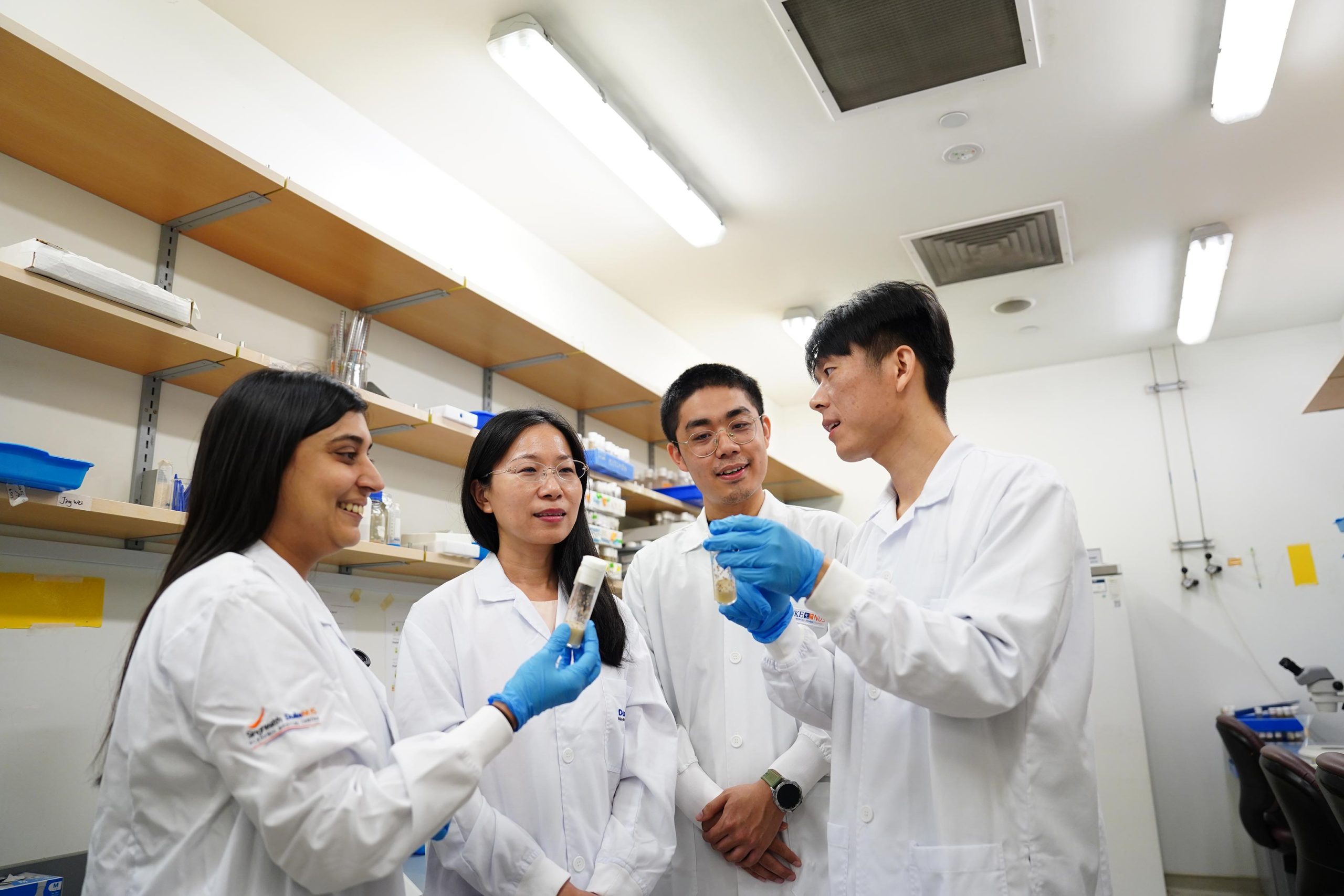
Dr. Gao Yang, a research fellow with Duke-NUS’ Neuroscience and Behavioural Disorders Programme and the study’s first author, remarked:
“We have demonstrated for the first time that the SUMO protein family plays a pivotal role in neural stem cell reactivation and overall brain development. Going a step further, we also showed that when these proteins are absent, normal neuronal development is hampered, with fruit flies developing undersized brains characteristic of microcephaly.”
Implications for Regenerative Medicine
Delving deeper into the effects of SUMOylation, the researchers determined that it regulates a key protein in another well-known pathway, called Hippo. While the Hippo pathway is known to play a crucial role in cellular processes such as cell proliferation, cell death and organ size, very few regulators of this pathway in the brain are known.
When modified by SUMO, the Hippo pathway’s central protein Warts, which limits cell growth and prevents the reactivation of neural stem cells, becomes less effective. This allows neural stem cells to grow and divide, forming new neurons that contribute to brain function.
Unlocking Potential Therapies for Neurological Conditions
Professor Wang Hongyan, Acting Programme Director of the Neuroscience and Behavioural Disorders Research Programme and senior author of the study, said:
“Given that SUMO proteins and the Hippo pathway are highly conserved in humans, our findings aren’t just relevant for fruit flies. They’re also important for understanding human biology. Disruptions in the SUMOylation process and Hippo pathway are linked to various illnesses in humans, including cancer and neurodegenerative diseases, like Alzheimer’s and Parkinson’s disease. Our new insights into the role of SUMOylation in the brain opens exciting new opportunities for interventions that could lead to targeted therapies that harness the body’s own regenerative powers.”
Prof Wang and her team had previously demonstrated that fruit fly neural stem cells are an excellent model for unraveling the mysteries of dormancy, reactivation, and neuronal regeneration.
Professor Patrick Tan, Senior Vice-Dean for Research at Duke-NUS, commented:
“This discovery advances our understanding of how cells work and are controlled, informing the development of new regenerative therapeutics for neurodegenerative diseases. At the same time, it opens new possibilities for developing treatments for neurological conditions such as microcephaly. As research continues, we move closer to finding effective ways to help people with these disorders and improve their quality of life.”
Reference: “SUMOylation of Warts kinase promotes neural stem cell reactivation” by Yang Gao, Ye Sing Tan, Jiaen Lin, Liang Yuh Chew, Htet Yamin Aung, Brinda Palliyana, Mahekta R. Gujar, Kun-Yang Lin, Shu Kondo and Hongyan Wang, 17 October 2024, Nature Communications.
DOI: 10.1038/s41467-024-52569-y
Never miss a breakthrough: Join the SciTechDaily newsletter.
Follow us on Google and Google News.