
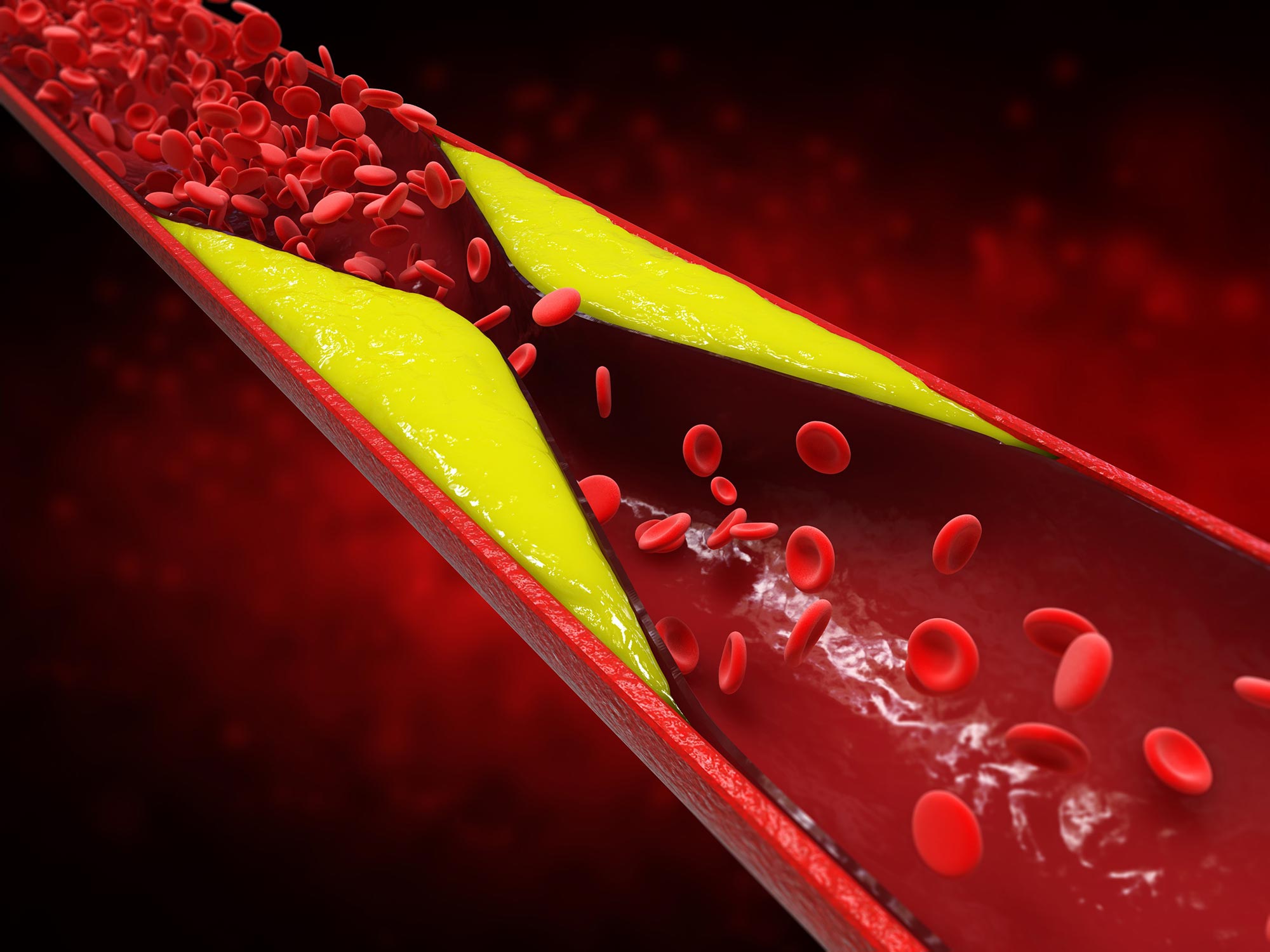
A Swedish study of nearly 9,000 individuals explores the connection between gut bacteria and heart health, revealing that certain oral bacteria, notably from the Streptococcus genus, may contribute to the development of atherosclerotic plaques in the heart’s small arteries.
A research study analyzed gut bacteria and heart imaging data from 8,973 individuals aged 50 to 65 from Uppsala and Malmö, Sweden. None of the participants had previously diagnosed heart disease, and they were all part of the Swedish CArdioPulmonary bioImage Study (SCAPIS).
“We found that oral bacteria, especially species from the Streptococcus genus, are associated with increased occurrence of atherosclerotic plaques in the small arteries of the heart when present in the gut flora. Species from the Streptococcus genus are common causes of pneumonia and infections of the throat, skin, and heart valves. We now need to understand whether these bacteria are contributing to atherosclerosis development,” says Tove Fall, Professor in Molecular Epidemiology at the Department of Medical Sciences and the SciLifeLab, Uppsala University, who coordinated the study together with researchers from Lund University.

Technological Advances in Cardiac Research
Recent technological advancements have made it possible to analyze bacterial communities in biological samples on a large scale by sequencing their DNA and comparing it to known bacterial profiles. Improved imaging techniques have also allowed researchers to detect and measure early changes in the small arteries of the heart. The SCAPIS study is one of the largest datasets in the world that combines both types of information. In this study, scientists explored the connection between gut bacteria and the accumulation of fatty deposits in the heart’s arteries.
“The large number of samples with high-quality data from cardiac imaging and gut flora allowed us to identify novel associations. Among our most significant findings, Streptococcus anginosus and S. oralis subsp. oralis were the two strongest ones,” says Sergi Sayols-Baixeras, lead author from Uppsala University.

Link Between Oral and Cardiac Health
The scientists also discovered that some of the species linked to the build-up of fatty deposits in heart arteries were linked to the levels of the same species in the mouth. This was measured using fecal and saliva samples collected from the Malmö Offspring Study and Malmö Offspring Dental Study. Furthermore, these bacteria were associated with inflammation markers in the blood, even after accounting for differences in diet and medication between the participants who carried the bacteria and those who did not.
“We have just started to understand how the human host and the bacterial community in the different compartments of the body affect each other. Our study shows worse cardiovascular health in carriers of streptococci in their gut. We now need to investigate if these bacteria are important players in atherosclerosis development,” notes Marju Orho-Melander, Professor in Genetic Epidemiology at Lund University and one of the senior authors of the study.
Reference: “Streptococcus Species Abundance in the Gut Is Linked to Subclinical Coronary Atherosclerosis in 8973 Participants From the SCAPIS Cohort” by Sergi Sayols-Baixeras, Koen F. Dekkers, Gabriel Baldanzi, Daniel Jönsson, Ulf Hammar, Yi-Ting Lin, Shafqat Ahmad, Diem Nguyen, Georgios Varotsis, Sara Pita, Nynne Nielsen, Aron C. Eklund, Jacob B. Holm, H. Bjørn Nielsen, Ulrika Ericson, Louise Brunkwall, Filip Ottosson, Anna Larsson, Dan Ericson, Björn Klinge, Peter M. Nilsson, Andrei Malinovschi, Lars Lind, Göran Bergström, Johan Sundström, Johan Ärnlöv, Gunnar Engström, J. Gustav Smith, Marju Orho-Melander and Tove Fall, 12 July 2023, Circulation.
DOI: 10.1161/CIRCULATIONAHA.123.063914
Never miss a breakthrough: Join the SciTechDaily newsletter.
Follow us on Google and Google News.