
Close Menu
    Facebook X (Twitter) Instagram
    SciTechDaily
    • Biology
    • Chemistry
    • Earth
    • Health
    • Physics
    • Science
    • Space
    • Technology
    Facebook X (Twitter) Pinterest YouTube RSS
    SciTechDaily
    Home»Biology»Crappy News for the Dung Beetle and Agriculture, Greenhouse Gasses
    Biology

    Crappy News for the Dung Beetle and Agriculture, Greenhouse Gasses

    By Society of Environmental Toxicology and ChemistrySeptember 24, 20191 Comment2 Mins Read
    Facebook Twitter Pinterest Telegram LinkedIn WhatsApp Email Reddit
    Share
    Facebook Twitter LinkedIn Pinterest Telegram Email Reddit

    Dung Beetles

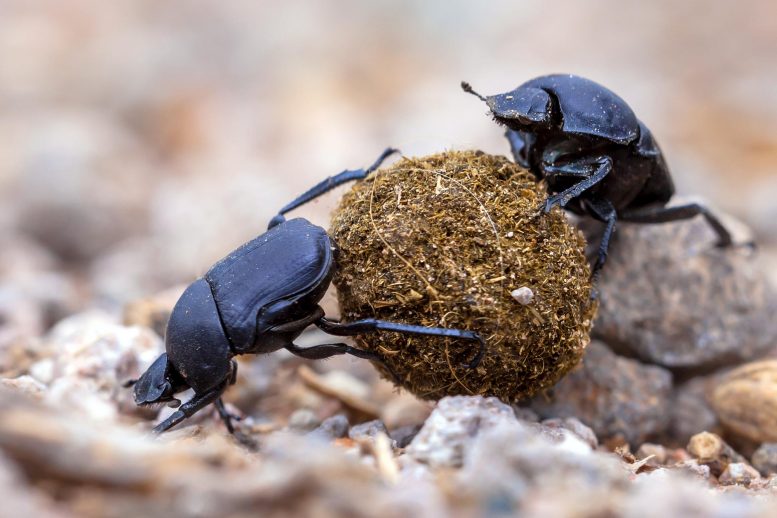
    You mightn’t think that the life of a dung beetle, a creature who eats poop every day of its short life, could get any worse, but you’d be wrong. Dung beetles, also known as rollers, pretty much live in manure. They can be found in a variety of environments-deserts, prairies, forests-and they subsist on poop. Dung beetles provide a highly useful service to the environment and to us. How? By simply living their lives, these valuable insects conduct “ecosystem services” that are important to agriculture, such as redistributing nutrients in the soil, controlling pests, and reducing greenhouse gasses. Yet, dung beetles are one of the most threatened terrestrial animal species; and one of the main threats is the excessive use of veterinary medical products that are excreted in dung.

    In an article published today, September 24, 2019, in Environmental Toxicology and Chemistry, lead author Daniel González-Tokman and his colleagues from the Institute of Ecology and the National Autonomous University of Mexico provided “the first evidence under natural conditions that native and exotic species of dung beetles are highly sensitive to different types of livestock management.” The researchers showed that veterinary medications and herbicides used in intensive animal feeding facilities can alter the growth and development patterns of dung beetles, which can then reduce their ability to function and do good. The beetles’ physiological responses to the chemicals were sex- and species-specific and contingent on both the type of livestock management used and the density of the cattle.
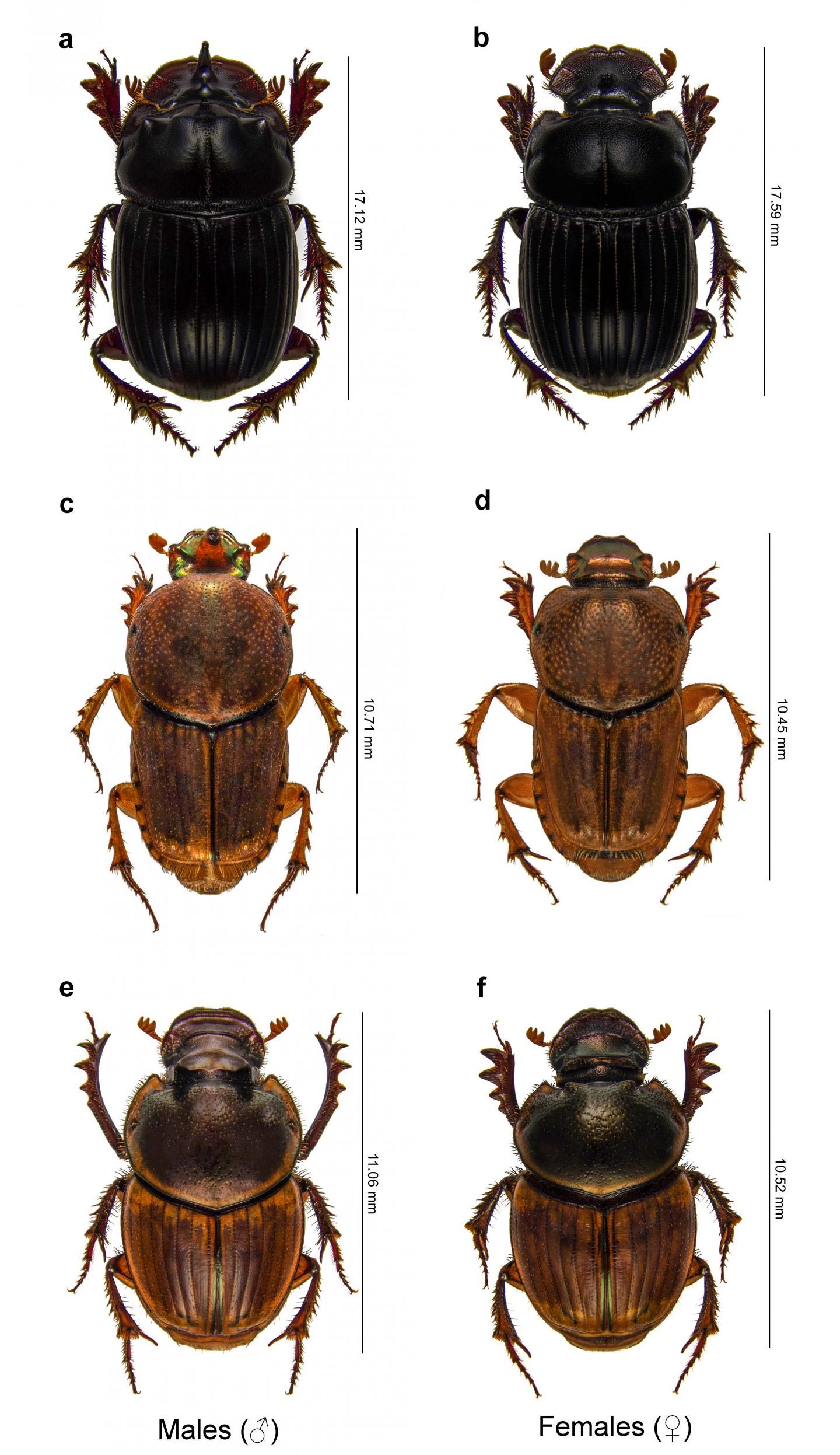
    Figure of Dung Beetles
    Figure from the research article by González-Tokman reflecting several species of dung beetle. Credit: Daniel González-Tokman

    González-Tokman notes that studies such as these can help researchers “understand the underlying mechanisms of species decline in nature and enrich the strategies of livestock management with benefits for grassland ecological health.”

    If you are what you eat, it’s a bad day for dung beetles living in or near intensive animal feeding facilities. Shrinking dung beetle populations mean steeper environmental and financial costs in agricultural regions, and that means it’s a bad day for all of us, too.

    Reference: “Dung Beetle Body Condition: A Tool for Disturbance Evaluation in Contaminated Pastures” by Sebastián Villada‐Bedoya, Alex Córdoba‐Aguilar, Federico Escobar, Imelda Martínez‐Morales and Daniel González‐Tokman, 24 September 2019, Environmental Toxicology and Chemistry.
    DOI: 10.1002/etc.4548

    Never miss a breakthrough: Join the SciTechDaily newsletter.
    Follow us on Google and Google News.

    Beetle Endangered Society of Environmental Toxicology and Chemistry
    Share. Facebook Twitter Pinterest LinkedIn Email Reddit

    Related Articles

    Genetic Breakthroughs Give Endangered Cockatoos a New Lease on Life

    DNA From the Jungle Floor Reveals Mating Mysteries of Endangered Muriquis

    Hidden Alchemy: How Beetles Conquered Earth by Evolving Their Own Biochemical Laboratory

    Biased Waters: The Skewed Science of Marine Conservation

    On the Brink of Extinction – Scientists Develop Genetic Rescue Plan for Arabian Leopards

    Scientists Discover Unusual Ancient Fish 900 Miles North of Its Previous Known Range

    Ultrasonic Illusions: How Tiger Beetles Use Mimicry to Outsmart Bats

    This Ancient Lineage of Cryptic Plants Is Millions of Years Old. They May Be Permanently Gone in Decades.

    “Tiny, Beautiful, and Completely Unknown Animals” Discovered in the Ulu Temburong Forest

    1 Comment

    1. SHonnie Brown on August 11, 2022 2:51 pm

      I am putting together an anthology of animal stories. One of my authors wrote a delightful short story about a dung beetle in Africa. The photo at the top of your 2019 article “Crappy News for the Dung Beetle” is exactly what she described. May I please have your permission to use this photo and credit your website? Thank you! Shonnie Brown

      Reply
    Leave A Reply Cancel Reply

    • Facebook
    • Twitter
    • Pinterest
    • YouTube

    Don't Miss a Discovery

    Subscribe for the Latest in Science & Tech!

    Trending News

    The Universe Is Expanding Too Fast and Scientists Can’t Explain Why

    “Like Liquid Metal”: Scientists Create Strange Shape-Shifting Material

    Early Warning Signals of Esophageal Cancer May Be Hiding in Plain Sight

    Common Blood Pressure Drug Shows Surprising Power Against Deadly Antibiotic-Resistant Superbug

    Scientists Uncover Dangerous Connection Between Serotonin and Heart Valve Disease

    Scientists Discover a “Protector” Protein That Could Help Reverse Hair Loss

    Bone-Strengthening Discovery Could Reverse Osteoporosis

    Scientists Uncover Hidden Trigger Behind Stem Cell Aging

    Follow SciTechDaily
    • Facebook
    • Twitter
    • YouTube
    • Pinterest
    • Newsletter
    • RSS
    SciTech News
    • Biology News
    • Chemistry News
    • Earth News
    • Health News
    • Physics News
    • Science News
    • Space News
    • Technology News
    Recent Posts
    • Scientists Overcome Major Quantum Bottleneck, Potentially Transforming Teleportation and Computing
    • Quantum Physics’ Strangest Problem May Hold the Key to Time Itself
    • Scientists Create “Liquid Gears” That Spin Without Touching
    • The Simple Habit That Could Help Prevent Cancer
    • Forgotten Medicinal Plant Shows Promise in Fighting Dangerous Superbugs
    Copyright © 1998 - 2026 SciTechDaily. All Rights Reserved.
    • Science News
    • About
    • Contact
    • Editorial Board
    • Privacy Policy
    • Terms of Use

    Type above and press Enter to search. Press Esc to cancel.