
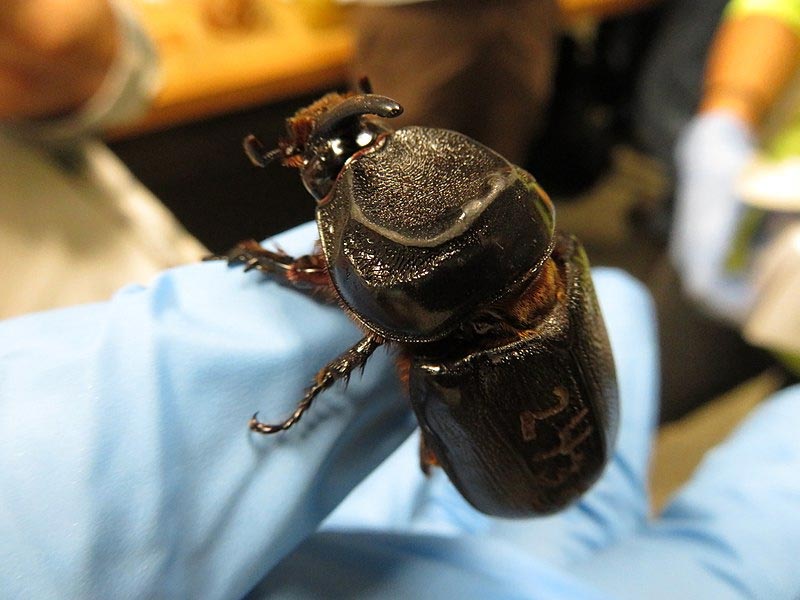
Coconut rhinoceros beetles, once contained by a virus, are spreading fast and nearing Australia.
A destructive pest beetle is edging closer to Australia as biological controls fail, destroying home gardens, plantations, and biodiversity as they surge through nearby Pacific islands.
University of Queensland researcher Dr. Kayvan Etebari has been studying how palm-loving coconut rhinoceros beetles have been accelerating their invasion.
“We thought we’d outsmarted them,” Dr. Etebari said.
“In the 1970s, scientists from Australia and elsewhere found that coconut rhinoceros beetles could be controlled with a beetle virus from Malaysia.
Biological Control Failing
“This virus stopped the beetle in its tracks and, for the last 50 years or so, it more-or-less stayed put – that is, until now.
“It seems that they are now unshackled from the virus in some places and could be in Australia before we know it.”
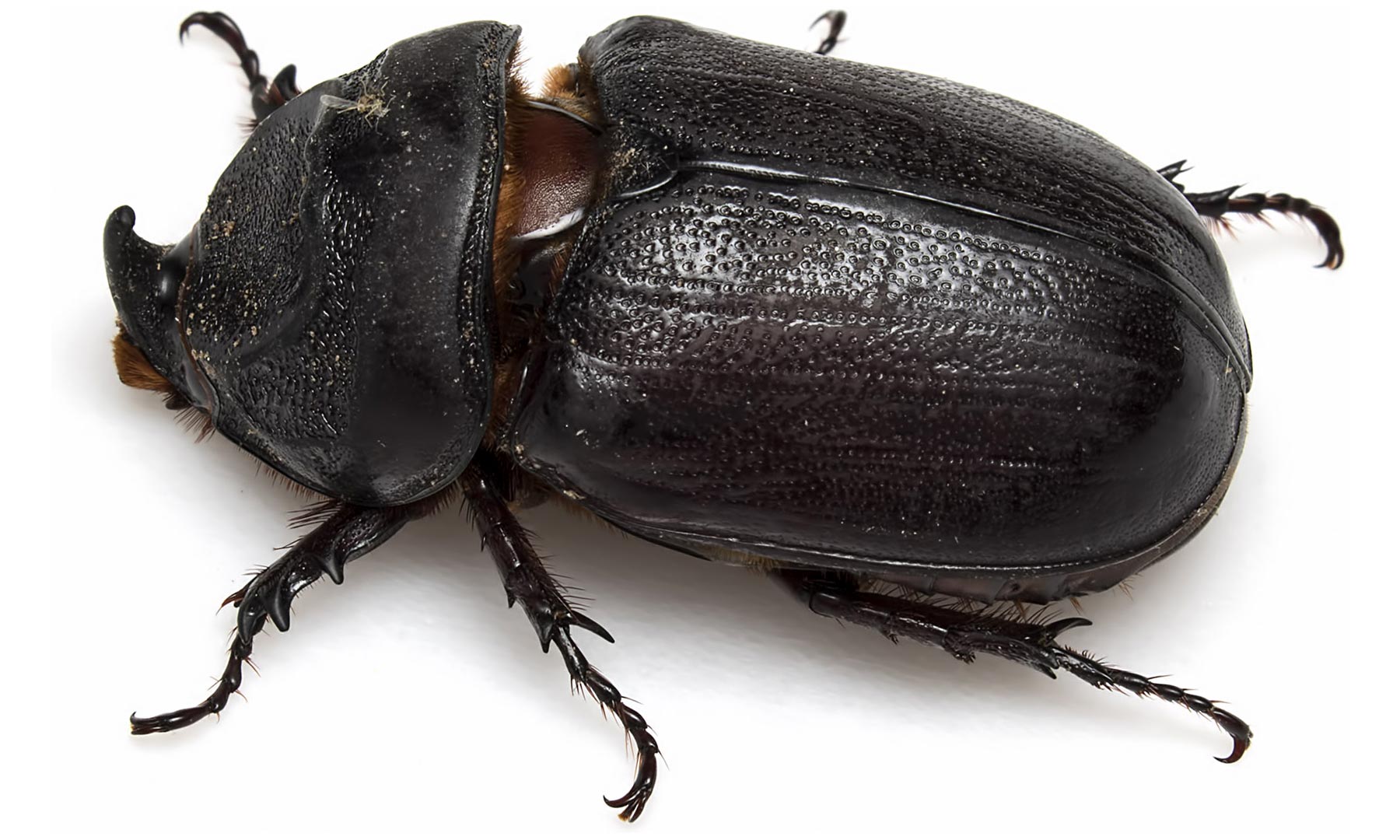
In the last few years, the pest has spread to many South Pacific islands, including islands in Papua New Guinea, the Solomon Islands, and Vanuatu, causing severe agricultural and economic damage.
“If they spread to Australia, garden palms would be at risk, along with the country’s emerging date industry, coconuts, oil palms, and many other palms, both wild in the forests and ornamental,” Dr. Etebari said.
UQ’s Professor Michael Furlong said the research team investigated the beetle’s population genetics and the incidence of the virus in specimens collected in Fiji, New Caledonia, Papua New Guinea (PNG), Samoa, Solomon Islands, Tonga, Vanuatu, and the Philippines.
Unexpected Genetic Complexity
“We found that there have been several new waves of beetle invasions, not only one as we first expected,” Professor Furlong said.
“And there are different populations of the beetle that we didn’t recognize previously – in the Solomon Islands for example, there are three populations of the beetle, and they are interbreeding.”
The beetles all look alike, but the molecular tests show they are different.
“Similar to how scientists spot different strains of COVID-19, we are also detecting variations in the beetle virus,” Professor Furlong said.
“This presents us with a complex problem: multiple types of beetles and beetle-controlling virus.
“The next step will be finding out how these virus variations behave in these different beetles, and how this can be used to control them.
“We know the virus doesn’t kill the beetles outright, but probably affects the number of eggs a female lays and changes beetle behavior, for example, how far infected beetles can fly, so we need to explore these important aspects of the interaction too.”
Humanitarian Impacts for the Pacific
Dr. Etebari said investing in research and new control methods was vital, not only for Australia’s prosperity, but for humanitarian reasons.
“The coconut rhinoceros beetle remains a serious threat to livelihoods across Pacific islands, where the coconut tree remains their ‘tree of life’, providing essential resources like food, copra, building materials, and coastal protection for five million vulnerable people,” he said.
“It’s imperative that Australian scientists help our neighboring countries in the Pacific to tackle their emerging pests and diseases.
“And everything we’re finding in the Pacific islands may later be critical to managing the beetle here in Australia.”
The team’s research has been published in Virus Research, the Journal of Virology and Current Research in Insect Science.
Reference: “Examination of population genetics of the Coconut Rhinoceros Beetle (Oryctes rhinoceros) and the incidence of its biocontrol agent (Oryctes rhinoceros nudivirus) in the South Pacific Islands” by Kayvan Etebari, James Hereward, Apenisa Sailo, Emeline M. Ahoafi, Robert Tautua, Helen Tsatsia, Grahame V Jackson and Michael J. Furlong, 13 May 2021, Current Research in Insect Science.
DOI: 10.1016/j.cris.2021.100015
It was supported by funding from the Australian Centre for International Agricultural Research and The University of Queensland.
Never miss a breakthrough: Join the SciTechDaily newsletter.
Follow us on Google and Google News.