
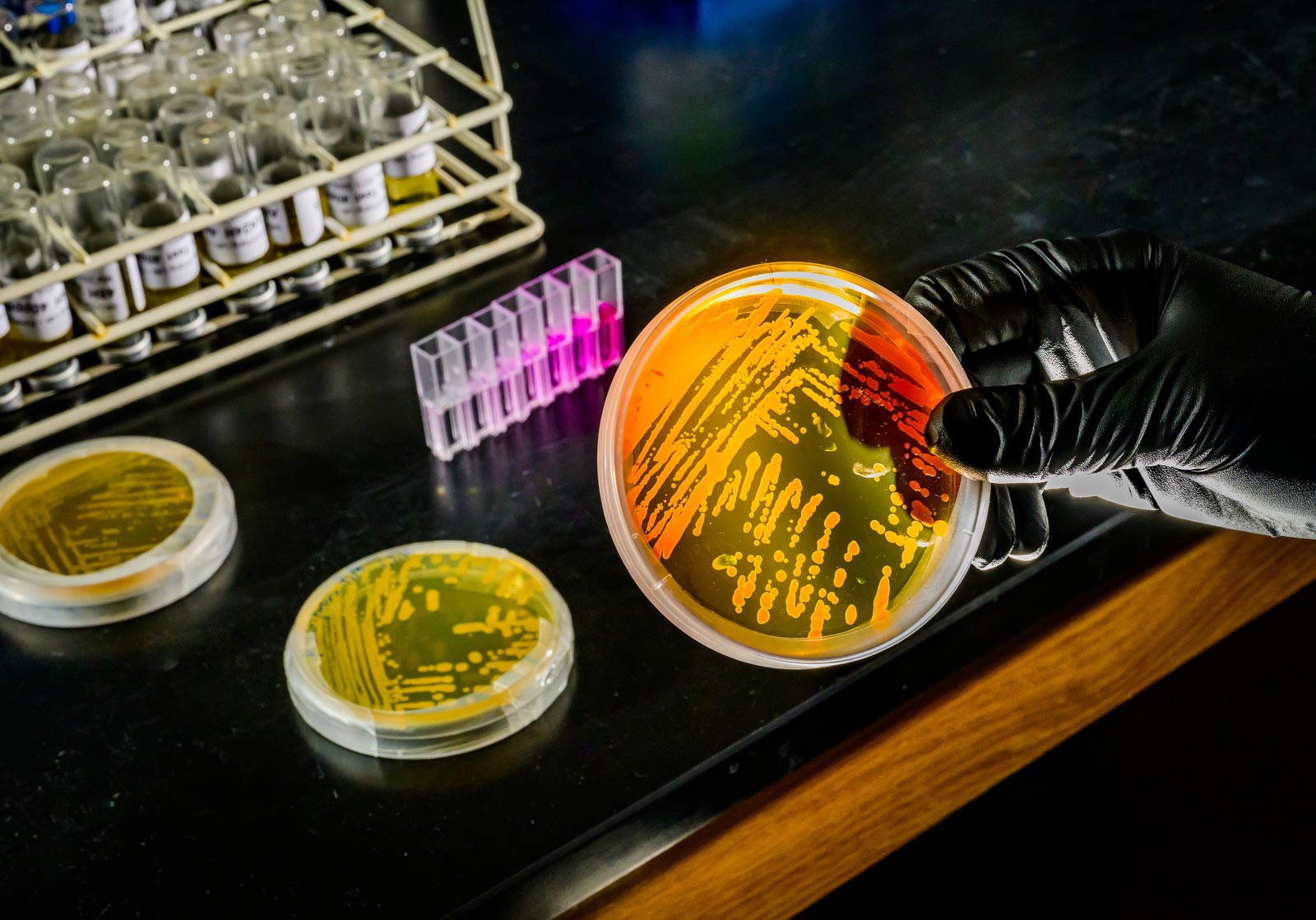
As climate change pushes heat deeper into the ocean, scientists have been concerned about disruptions to marine life’s delicate balance. But new research suggests that a key microbe, Nitrosopumilus maritimus, may already be adapting to these harsher conditions.
Rising temperatures are no longer limited to the ocean’s surface. Heat waves and long-term climate change are now warming deep-sea waters, raising concerns about disruptions to the ocean’s fragile chemical and biological systems. Despite these risks, new research suggests that a key microbe, Nitrosopumilus maritimus, may already be adjusting to warmer, low-nutrient conditions. Scientists believe these iron-dependent, ammonia-oxidizing archaea could play a major role in redistributing ocean nutrients as the climate continues to shift.
The findings were published in the Proceedings of the National Academy of Sciences.
Key Microbes in Ocean Nutrient Cycles
Nitrosopumilus maritimus and related microbes make up about 30% of marine microbial plankton. Researchers widely agree that these organisms are essential for maintaining ocean chemistry that supports marine life. Their ability to oxidize ammonia makes them central to nutrient cycling in the ocean.
By transforming nitrogen into different chemical forms in seawater, these microbes influence the growth of microbial plankton. These plankton form the foundation of the marine food chain, meaning the activity of these archaea helps sustain biodiversity throughout the ocean.
Deep-Sea Warming and Iron Use
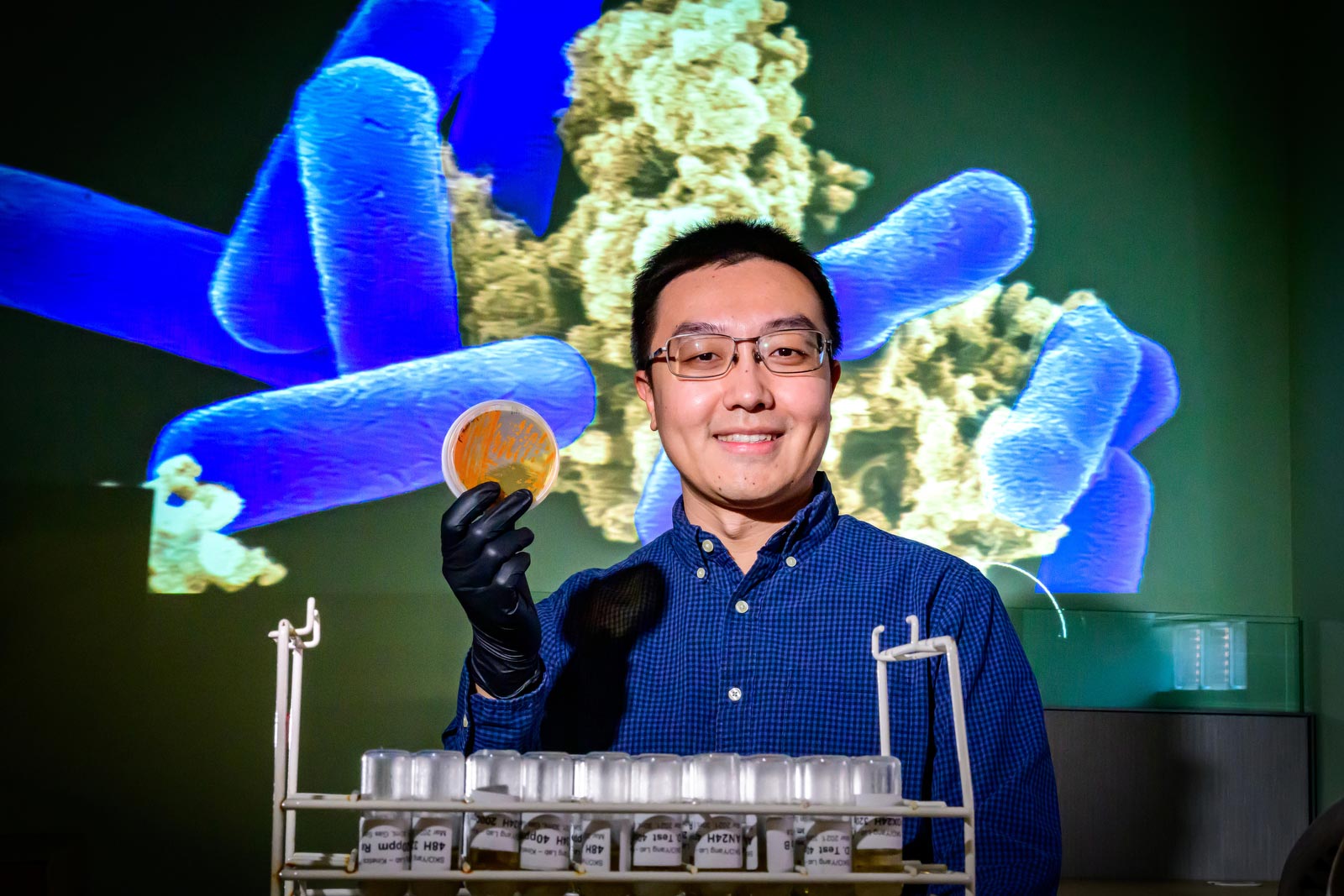
“Ocean-warming effects may extend to depths of 1,000 meters or more,” said University of Illinois Urbana-Champaign microbiology professor Wei Qin. “We used to think that deeper waters were mostly insulated from surface warming, but now it is becoming clear that deep-sea warming can change how these abundant archaea use iron — a metal they depend on heavily — potentially affecting trace metal availability in the deep ocean.”
Experiments Reveal Increased Iron Efficiency
The study, led by Qin and University of Southern California global change biology professor David Hutchins, relied on carefully controlled experiments that minimized contamination from trace metals. Researchers exposed a pure culture of Nitrosopumilus maritimus to a range of temperatures and iron levels.
They found that higher temperatures, especially under iron-limited conditions, reduced the microbes’ need for iron while improving how efficiently they used it. This suggests that the organisms can adjust to both warming waters and reduced iron availability.
Modeling Points to a Growing Role in a Warming Ocean
“We coupled these findings with global ocean biogeochemical modeling by Alessandro Tagliabue from the University of Liverpool,” Qin said. “The results suggest that deep-ocean archaeal communities may maintain or even enhance their role in nitrogen cycling and primary production support across vast iron-limited regions in a warming climate.”
Upcoming Research Expedition
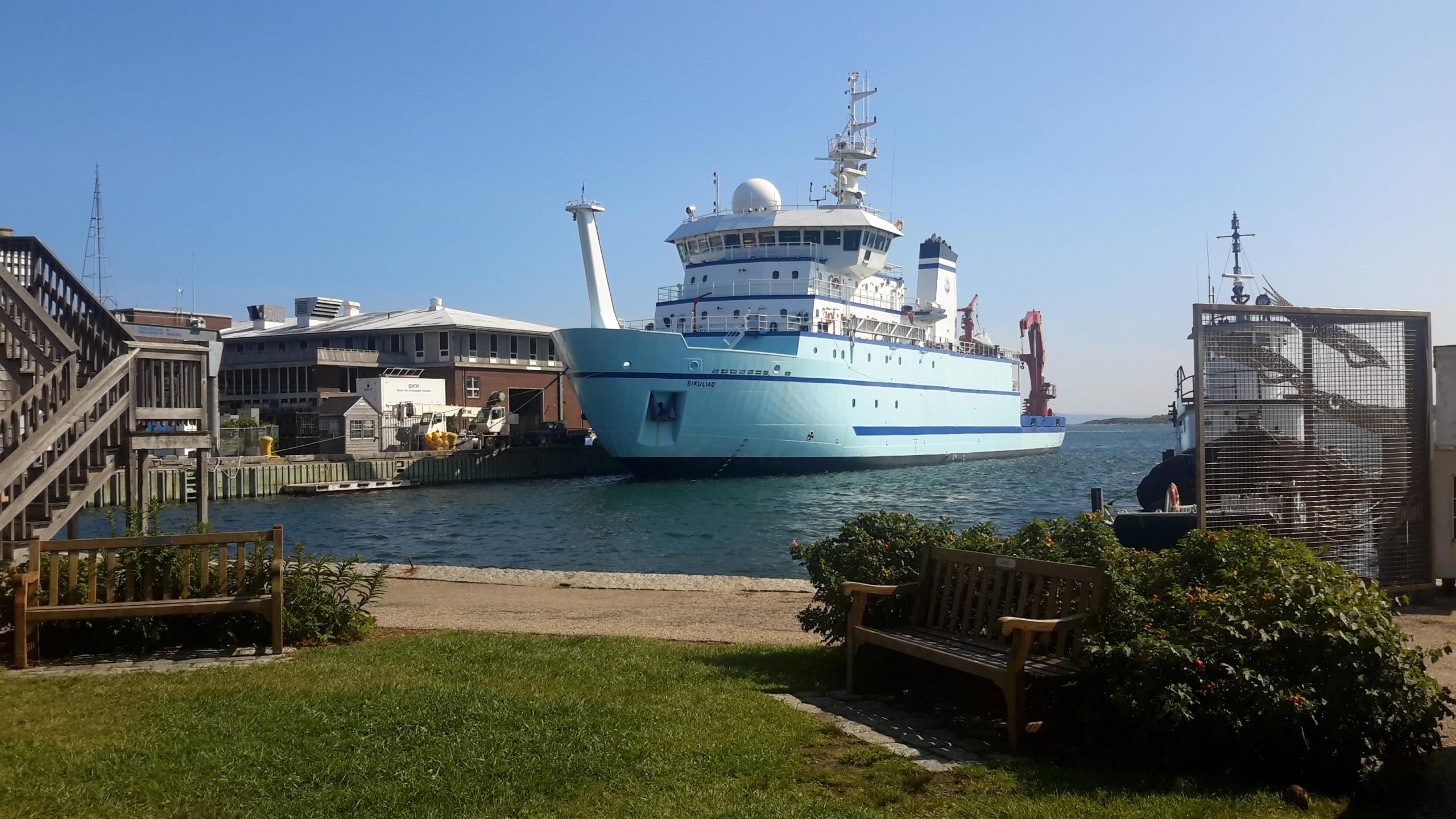
Later this summer, Qin and Hutchins will co-lead a research expedition aboard the vessel Sikuliaq. The journey will begin in Seattle, travel to the Gulf of Alaska, and continue to the subtropical gyre, with a stop in Honolulu, Hawaii.
A team of 20 additional researchers will join the expedition to test these findings in natural ocean environments. Their work will focus on how temperature changes and metal limitations interact to influence archaeal populations in the wild.
Reference: “Ocean warming enhances iron use efficiencies of marine ammonia-oxidizing archaea” by Wei Qin, Alessandro Tagliabue, Lei Hou, Min Xu, Xiaopeng Bian, Dawn M. Moran, Duo Zhao, Qian Li, Matthew R. McIlvin, Yue Zheng, Shuh-Ji Kao, Yao Zhang, Mak A. Saito, Seth G. John, Fei-Xue Fu and David A. Hutchins, 2 March 2026, Proceedings of the National Academy of Sciences.
DOI: 10.1073/pnas.2531032123
Qin is also affiliated with the Carl R. Woese Institute for Genomic Biology.
The National Science Foundation, Simons Foundation, National Natural Science Foundation of China, University of Illinois Urbana-Champaign and the University of Oklahoma supported this research.
Never miss a breakthrough: Join the SciTechDaily newsletter.
Follow us on Google and Google News.
1 Comment
“As climate change PUSHES heat deeper into the ocean, scientists have been concerned about disruptions to marine life’s delicate balance. But new research suggests that a key microbe, …, may already be adapting to these HARSHER conditions.”
I would consider the word “pushes” to be inappropriate for mixing processes or conduction that allows the thermal agitation of water molecules to move from a higher energy location to a lower energy location. Similarly, I would say that moving from a temperature that is near freezing, to a warmer temperature, is NOT making the conditions “harsher.”
I think it was the science fiction writer A. E. van Vogt (don’t hold me to that, I’m not going to take the time to verify it) pointed out how the choice of words can influence the emotional response to things. To wit, people tend to react quite differently to an offer of a bloody segment of muscle tissue from a castrated bull, with fungus on top, than they do to a rare steak smothered in mushrooms.
Scientist should endeavor to be objective about their observations and not use pejorative words to describe natural events. That is, they should use neutral words that are unlikely to induce an emotional response unless that is key to what is being described.
“Ocean-warming effects MAY extend to depths of 1,000 meters or more,”
The assertions presented here, sans any supporting evidence, raise some important questions. The thermocline is the boundary between the cold abyssal waters, and the warmer, upper mixed zone. The deeper waters appear to move very slowly, except for currents traveling from the poles towards the Equator, where the water rises to the surface. The water then is warmed by sunlight and moves towards the poles (except the water that is evaporated, which cools the surface), such as with the Gulf Stream. The deeper waters are often not in communication with the atmosphere or with water in the mixed zone for hundreds of years, before the recent warming.
The atmosphere has warmed, on average, about 1 deg C in the last century. However, water, like all materials, has a property called Specific Heat Capacity, which tells us how much a volume or mass of water will warm if a calorie of heat is added. It takes considerably more heat to warm a volume of water than an equivalent volume of air. For various reasons (evaporation being one of them), the water warming is not what is predicted, being about half the rate of warming of air. The point being, most of the warming should be happening in the mixed zone because sunlight is absorbed at relatively shallow depths, and mixing below the thermocline is minimal. Therefore, at first blush, it seems unlikely that much, if any warming is happening at great depths. If that is the case, what is driving the evolution of the microbes?
One should examine all the assumptions made before reaching a tentative hypothesis about some new phenomenon. That is, in this case, unless it can be demonstrated that the microbial environment is warming as a result of the atmosphere warming, then the conclusions presented here are untenable.