
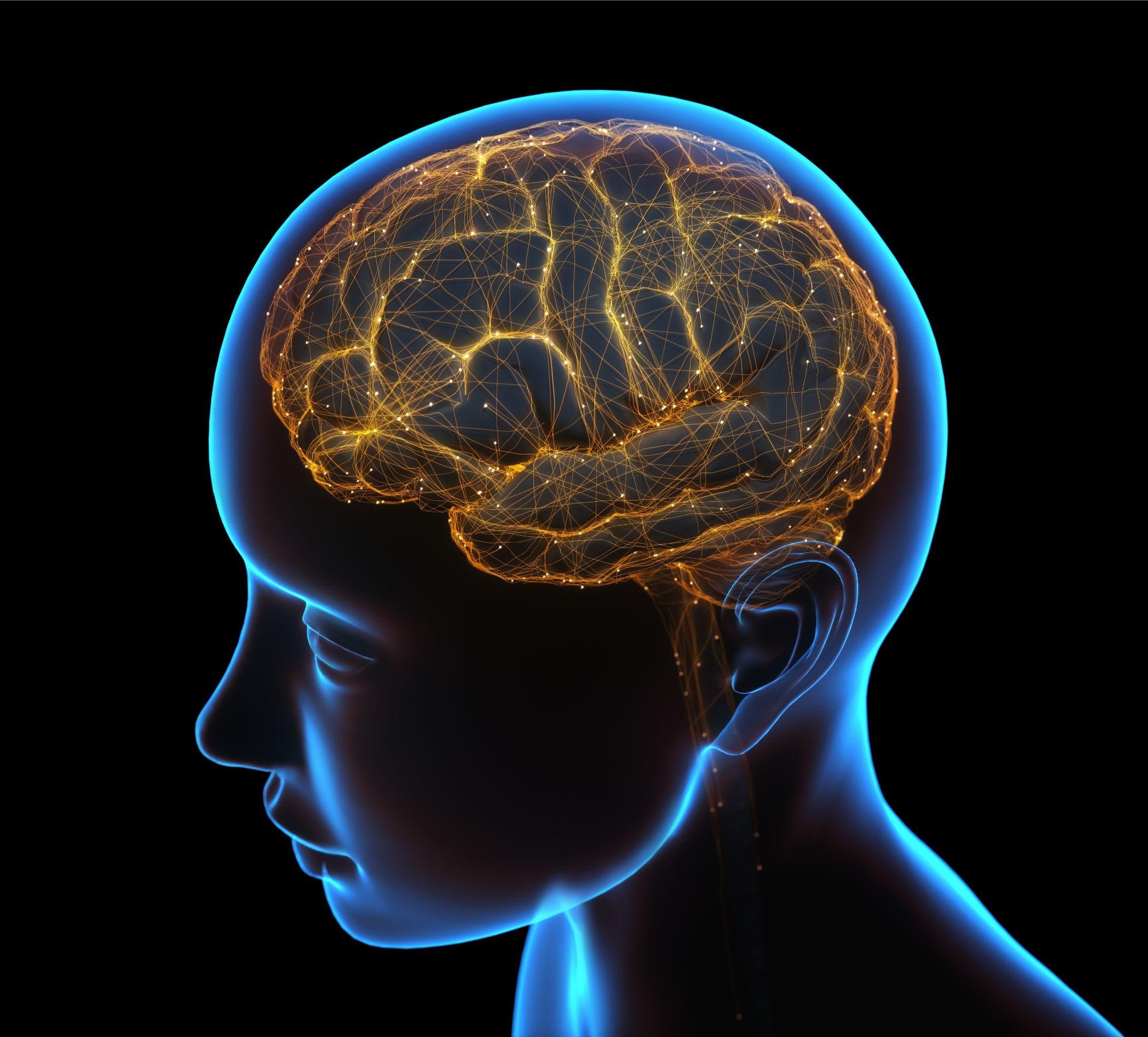
Learning and memory are more complex than previously understood. Recent research from DANDRITE reveals that even experiences unrelated to a specific memory can influence how strongly that memory is retained. This insight opens the door to creating entirely new memory-focused learning tools.
There is a legend that, many hundreds of years ago—long before printing presses, computers, or telephones existed—a special method was used to remember significant events, such as land transfers, crucial agreements, or weddings. According to the legend, a child was chosen to witness the event and immediately thrown into a river. This extreme combination of events was believed to ensure that the child would never forget that specific event.
But why might such a method have worked?
For a long time, researchers have been able to offer a specific explanation for why some events are stored in our long-term memory while others are not. Although this historical method may seem extreme, our ancestors may have been onto something crucial: When an event is combined with a strong emotional reaction, it becomes easier to remember.
New research expands the dominant memory model
Traditionally, learning and memory formation have been explained by the Hebbian model, which suggests that synapses in the brain are strengthened through repeated simultaneous activation of neurons. This means that when two neurons are repeatedly activated, the connection between them becomes stronger—what we call “synaptic plasticity”. According to Hebb’s rule, “neurons that fire together, wire together,” this process is strictly input-specific and depends on both neurons being activated simultaneously.
However, new research from Sadegh Nabavi’s lab at DANDRITE shows that learning and memory are not so simple.
Synaptic plasticity is not necessarily limited to simultaneous activation at specific synapses. Synaptic changes can occur at nearby synapses that were not directly activated during the original experience—a process known as “heterosynaptic plasticity.”
In a recent article in the journal eLife, researchers from DANDRITE demonstrate that memory can also be strengthened through subsequent, non-related experiences—if they evoke a strong response. This means that the process of turning a fleeting experience into a lasting memory is not confined to the time when the experience occurred or to the specific synapses that were activated. Instead, this process can be influenced by both past and future events, with delays of up to a day.
This contrasts with the Hebbian model, which focuses on the simultaneous activation of neurons as the primary mechanism for learning and memory formation.
Paving the way for new learning technologies
These new insights provide a deeper understanding of how we can address cognitive functions and memory-related disorders. By gaining a more precise knowledge of how weak memories are strengthened, innovative therapies can be developed to enhance memory and learning in individuals with cognitive challenges.
If we return to the legend from the beginning, we see that our ancestors were ahead of their time in understanding memory. Their method, although extreme, reflects an early insight into how strong experiences can enhance memory—something we are now beginning to understand on a more scientific level.
Reference: “Non-Hebbian plasticity transforms transient experiences into lasting memories” by Islam Faress, Valentina Khalil, Wen-Hsien Hou, Andrea Moreno, Niels Andersen, Rosalina Fonseca, Joaquin Piriz, Marco Capogna and Sadegh Nabavi, 18 July 2024, eLife.
DOI: 10.7554/eLife.91421
Never miss a breakthrough: Join the SciTechDaily newsletter.
Follow us on Google and Google News.