
Close Menu
    Facebook X (Twitter) Instagram
    SciTechDaily
    • Biology
    • Chemistry
    • Earth
    • Health
    • Physics
    • Science
    • Space
    • Technology
    Facebook X (Twitter) Pinterest YouTube RSS
    SciTechDaily
    Home»Health»Dutch Scientists Have Discovered Five Biological Variants of Alzheimer’s Disease
    Health

    Dutch Scientists Have Discovered Five Biological Variants of Alzheimer’s Disease

    By Amsterdam University Medical CenterJanuary 24, 2024No Comments3 Mins Read
    Facebook Twitter Pinterest Telegram LinkedIn WhatsApp Email Reddit
    Share
    Facebook Twitter LinkedIn Pinterest Telegram Email Reddit
    Neuron Brain Neuroscience Concept
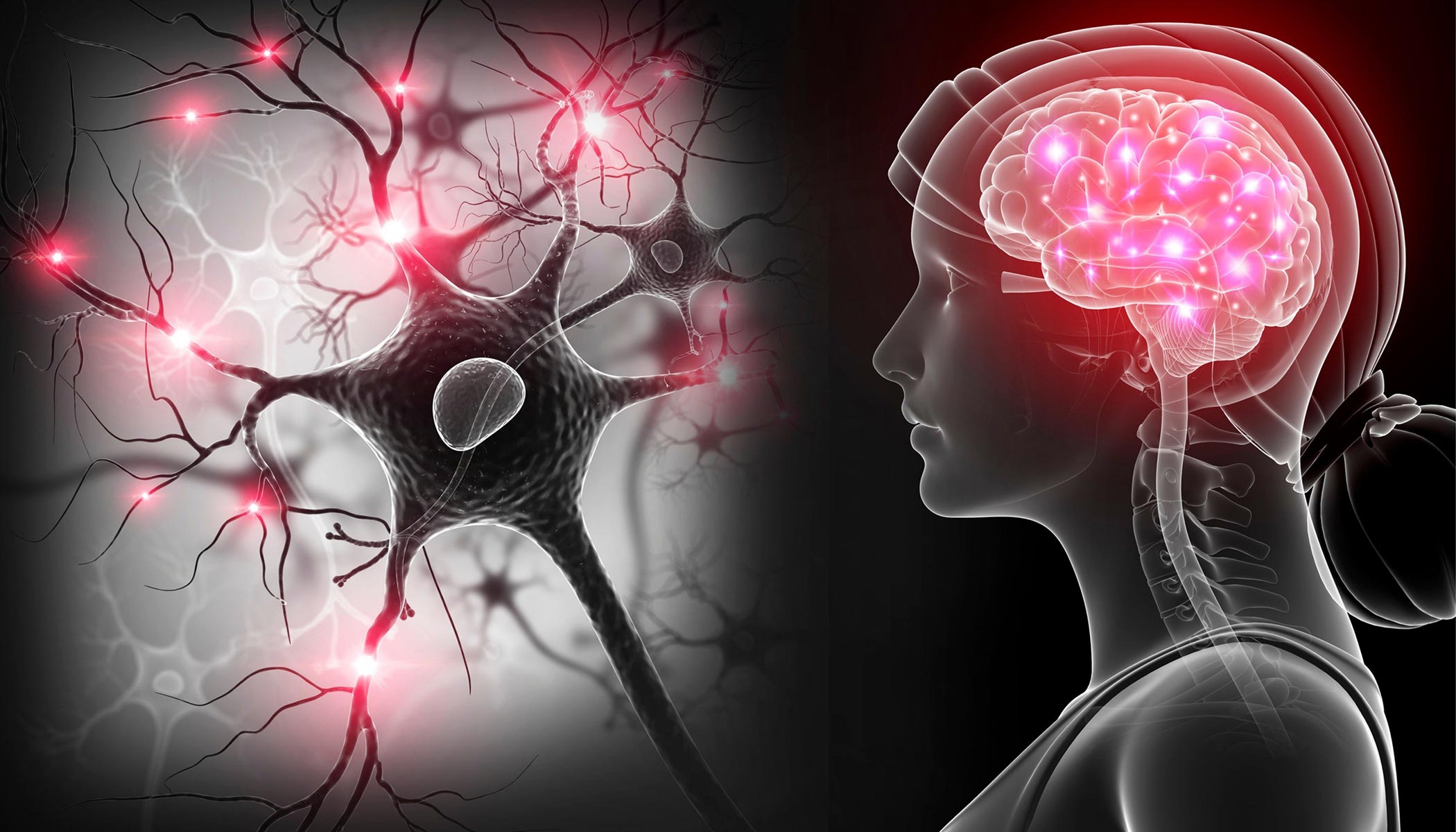
    Dutch researchers have discovered five distinct biological variants of Alzheimer’s disease, necessitating personalized treatment approaches. Their research underscores the importance of developing variant-specific drugs to enhance the effectiveness and safety of Alzheimer’s treatments.

    Research from Amsterdam UMC may play a crucial role in assessing future medications.

    Researchers in the Netherlands have identified five biological variants of Alzheimer’s disease, which may require different treatment. Consequently, drugs tested earlier might have seemed ineffective or only slightly effective. This finding was made by Betty Tijms and her team from the Alzheimer Center Amsterdam, Amsterdam UMC, and Maastricht University. Their study was recently published in the journal Nature Aging.

    In those with Alzheimer’s disease, the amyloid and tau proteins clump in the brain. In addition to these clumps, other biological processes such as inflammation and nerve cell growth are also involved. Using new techniques, the researchers have been able to measure these other processes in the cerebrospinal fluid of patients with amyloid and tau clumps.

    Findings

    Betty Tijms and Pieter Jelle Visser examined 1058 proteins in the cerebrospinal fluid of 419 people with Alzheimer’s disease. They found that there are five biological variants within this group. The first variant is characterized by increased amyloid production. In the second type, the blood-brain barrier is disrupted and there is a reduced amyloid production and less nerve cell growth. Furthermore, the variants differ in the degree of protein synthesis, the functioning of the immune system, and the functioning of the organ that produces cerebrospinal fluid. Patients with different Alzheimer’s variants also showed differences in other aspects of the disease. For example, the researchers found a faster course of the disease in certain subgroups.

    The findings are of great importance for drug research. It means that a drug could only work in one variant of Alzheimer’s disease. For example, a medication that inhibits amyloid production may work in the variant with increased amyloid production but may be harmful in the variant with decreased amyloid production. It is also possible that patients with one variant have a higher risk of side effects, while that risk is much lower with other variants. The next step for the research team is to show that the Alzheimer’s variants do indeed react differently to medicines, so that we can treat everyone with appropriate medicines in the future.

    Reference: “Cerebrospinal fluid proteomics in patients with Alzheimer’s disease reveals five molecular subtypes with distinct genetic risk profiles” by Betty M. Tijms, Ellen M. Vromen, Olav Mjaavatten, Henne Holstege, Lianne M. Reus, Sven van der Lee, Kirsten E. J. Wesenhagen, Luigi Lorenzini, Lisa Vermunt, Vikram Venkatraghavan, Niccoló Tesi, Jori Tomassen, Anouk den Braber, Julie Goossens, Eugeen Vanmechelen, Frederik Barkhof, Yolande A. L. Pijnenburg, Wiesje M. van der Flier, Charlotte E. Teunissen, Frode S. Berven and Pieter Jelle Visser, 9 January 2024, Nature Aging.
    DOI: 10.1038/s43587-023-00550-7

    Never miss a breakthrough: Join the SciTechDaily newsletter.
    Follow us on Google and Google News.

    Aging Alzheimer's Disease Brain Cell Biology Dementia
    Share. Facebook Twitter Pinterest LinkedIn Email Reddit

    Related Articles

    New Study: Aging Slows Brain Detox, but There’s a Drug That Can Help Fix It

    New Potential Drug Target for Alzheimer’s Disease Discovered

    Horrifying: 91% of Known Biological Pathways Linked to Alzheimer’s

    Exercise Alters Brain Chemistry To Protect Aging Synapses From Alzheimer’s and Dementia

    Cataract Surgery Linked With 30% Lower Risk of Dementia

    Scientists Identify the Cause of Alzheimer’s Progression in the Brain – Very Different Than Previously Thought

    National Institutes of Health Small Business Funding Boosts Alzheimer’s Science Advances

    Simple Blood Test Can Accurately Reveal Underlying Neurodegeneration (Dementia, ALS)

    “Cognitive Clock” – Researchers Develop New Measure of Brain Health

    Leave A Reply Cancel Reply

    • Facebook
    • Twitter
    • Pinterest
    • YouTube

    Don't Miss a Discovery

    Subscribe for the Latest in Science & Tech!

    Trending News

    Your Blood Pressure Reading Could Be Wrong Because of One Simple Mistake

    Astronomers Stunned by Ancient Galaxy With No Spin

    Physicists May Be on the Verge of Discovering “New Physics” at CERN

    Scientists Solve 320-Million-Year Mystery of Reptile Skin Armor

    Scientists Say This Daily Walking Habit May Be the Secret to Keeping Weight Off After Dieting

    New Therapy Rewires the Brain To Restore Joy in Depression Patients

    Giant Squid Detected off Western Australia in Stunning Deep-Sea Discovery

    Popular Sugar-Free Sweetener Linked to Liver Disease, Study Warns

    Follow SciTechDaily
    • Facebook
    • Twitter
    • YouTube
    • Pinterest
    • Newsletter
    • RSS
    SciTech News
    • Biology News
    • Chemistry News
    • Earth News
    • Health News
    • Physics News
    • Science News
    • Space News
    • Technology News
    Recent Posts
    • Scientists Revive Ancient Chemistry Trick To Engineer Next-Generation Glass
    • Scientists Use AI To Supercharge Ultrafast Laser Simulations by More Than 250x
    • Scientists Just Found a Surprising Way To Destroy “Forever Chemicals”
    • Popular Supplement Ingredient Linked to Shorter Lifespan in Men
    • Scientists May Have Found a Way To Repair Nerve Damage in Multiple Sclerosis
    Copyright © 1998 - 2026 SciTechDaily. All Rights Reserved.
    • Science News
    • About
    • Contact
    • Editorial Board
    • Privacy Policy
    • Terms of Use

    Type above and press Enter to search. Press Esc to cancel.