
Close Menu
    Facebook X (Twitter) Instagram
    SciTechDaily
    • Biology
    • Chemistry
    • Earth
    • Health
    • Physics
    • Science
    • Space
    • Technology
    Facebook X (Twitter) Pinterest YouTube RSS
    SciTechDaily
    Home»Biology»Experimental Research on the World’s Longest-Living Vertebrate Reveals New Anti-Aging Secrets
    Biology

    Experimental Research on the World’s Longest-Living Vertebrate Reveals New Anti-Aging Secrets

    By Society for Experimental BiologyAugust 5, 2024No Comments4 Mins Read
    Facebook Twitter Pinterest Telegram LinkedIn WhatsApp Email Reddit
    Share
    Facebook Twitter LinkedIn Pinterest Telegram Email Reddit
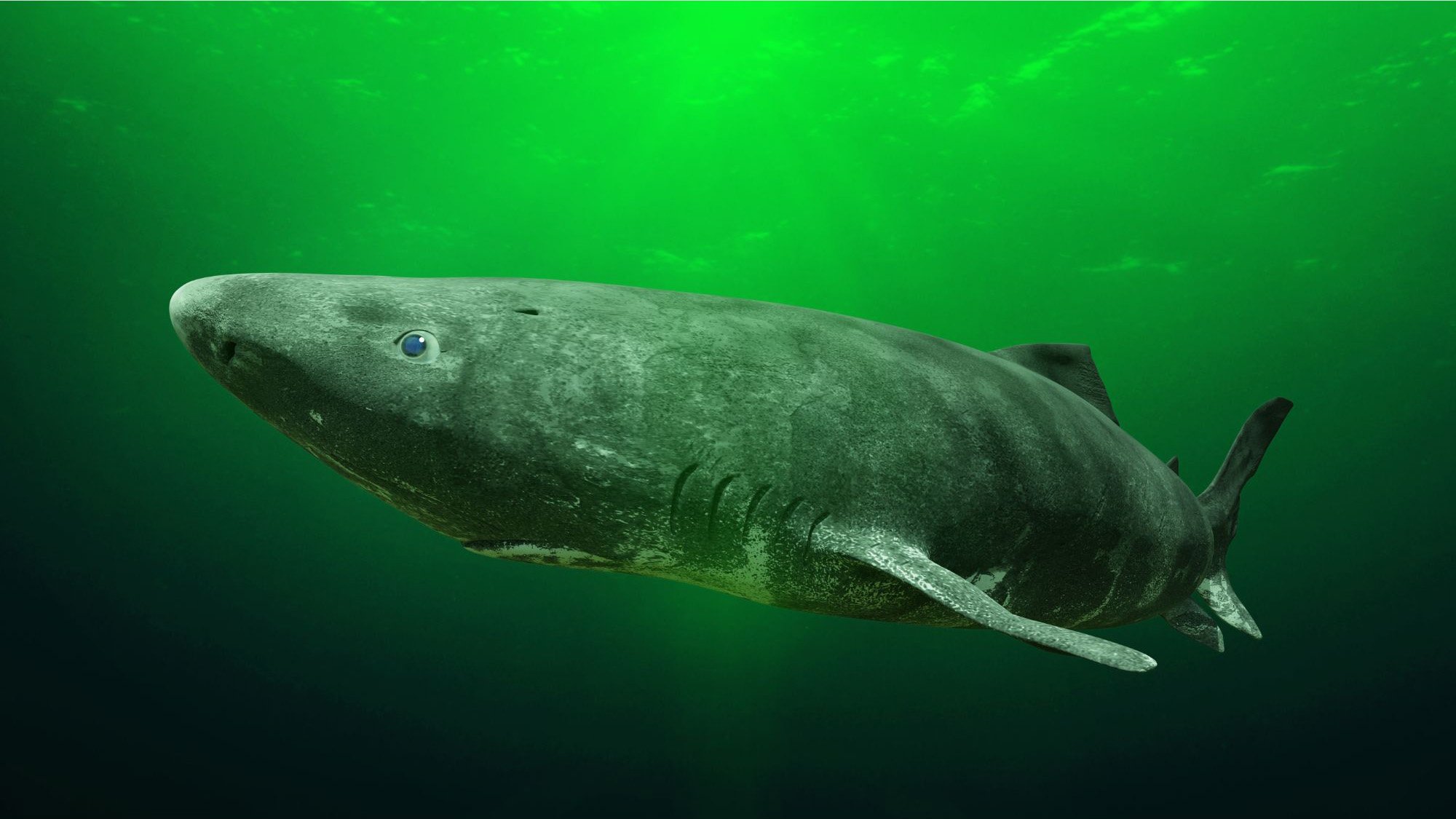
    Greenland Shark
    Recent studies on the Greenland shark, the longest-living vertebrate, reveal that its stable muscle metabolic activity across different ages may be key to its extraordinary longevity. Led by Mr. Ewan Camplisson from the University of Manchester, the research not only challenges previous beliefs that attribute the shark’s lifespan to its cold environment and minimal movement but also opens potential avenues for conservation strategies and human cardiovascular research.

    New research suggests that stable muscle metabolism is crucial to the Greenland shark’s longevity, offering insights into conservation and human health.

    Recent experimental research indicates that muscle metabolic activity might play a crucial role in the exceptional longevity of the world’s oldest living vertebrate species, the Greenland shark. These insights could be valuable for conserving this vulnerable species amidst climate change and may also have implications for human cardiovascular health.

    Greenland sharks (Somniosus microcephalus) are the longest-living vertebrates with an expected lifespan of at least 270 years and a possible lifespan beyond 500 years. “We want to understand what adaptations they have that allow them to live so long,” says Mr Ewan Camplisson, a PhD student at the University of Manchester, UK.

    Previously it was thought that this long lifespan was due to the shark’s cold environment and minimal movement, but the factors behind this species’ extreme longevity appear to be far more complex – prompting Mr Camplisson and his team to investigate alternative theories.

    Metabolic Studies in Greenland Sharks

    “Most species show variation in their metabolism when they age,” says Mr Camplisson. “We want to determine if Greenland sharks also show this traditional sign of aging or if their metabolism remains unaltered over time.”

    To measure the metabolism of the sharks, Mr Camplisson and his team conducted enzyme assays on preserved muscle tissue samples from Greenland sharks. They measured the metabolic activity of these enzymes with a spectrophotometer across a range of different shark ages and environmental temperatures.

    Surprisingly, Mr Camplisson and his team found no significant variation in muscle metabolic activity across different ages, suggesting that their metabolism does not appear to decrease over time and may play a key role in their longevity. “This is quite different to most animals which tend to show some variation in their metabolic enzyme activity as they age,” he says. “The results support our hypothesis that the Greenland shark does not show the same traditional signs of aging as other animals.”
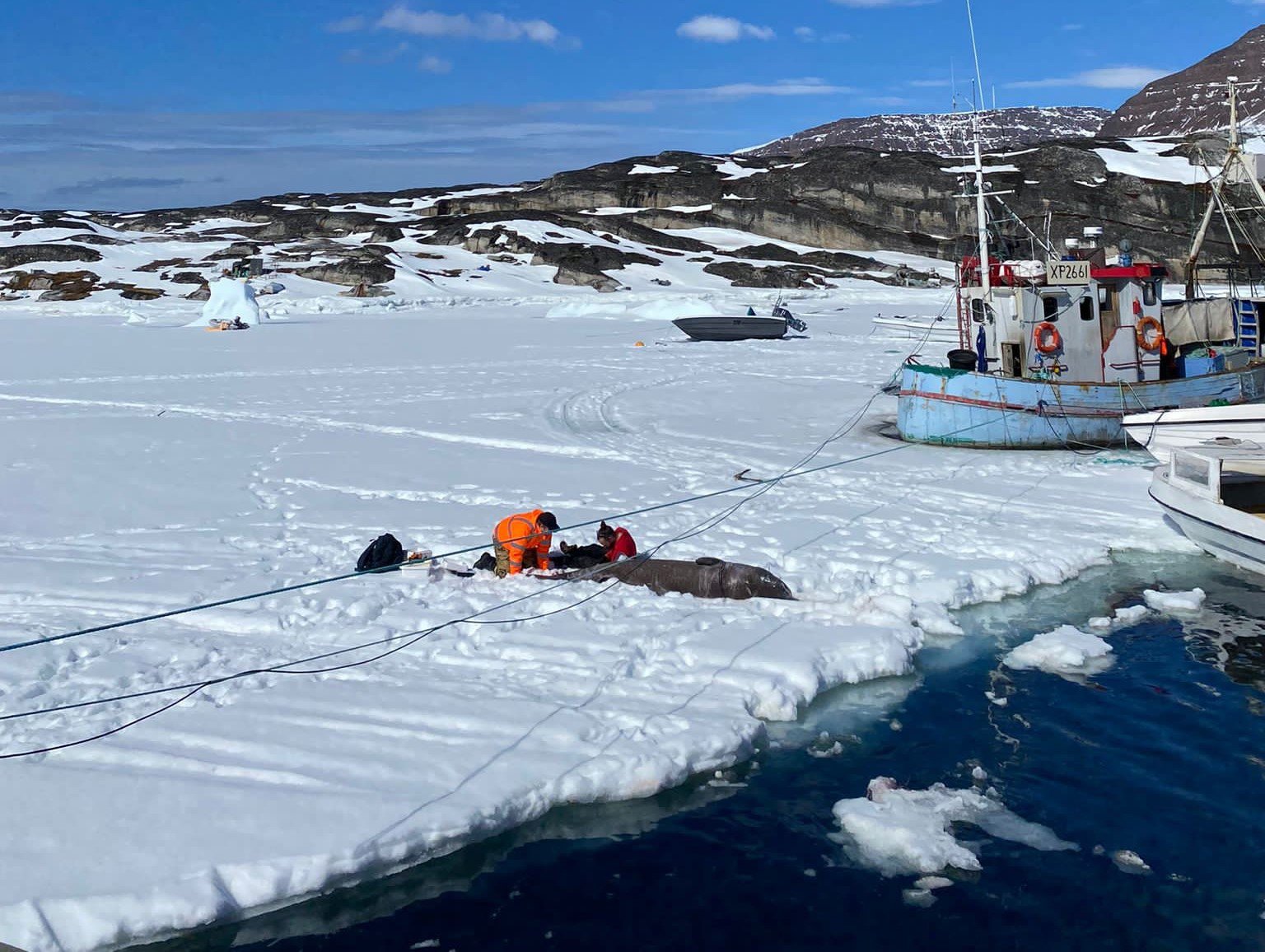
    Tissue Collection From a Greenland Shark
    Tissue collection from a Greenland shark. Credit: Ewan Camplisson

    The results of this study also show that the Greenland shark’s metabolic enzymes were significantly more active at higher temperatures. “This would suggest that the shark’s red muscle metabolism is not specially adapted for the polar environment, otherwise we would have expected to see less of a temperature-related difference in activity,” says Mr Camplisson.

    In a world with a rapidly changing climate, long-lived species that are less able to adapt may be the most at risk of extinction. “A female Greenland shark may not become sexually mature until it is 150 years old and with such a long generation time, the species will have far less of a chance to adapt to anthropogenic changes in their environment,” says Mr Camplisson.

    Mr Camplisson plans to test more enzymes and tissue types to gain an even deeper understanding of the shark’s metabolic activity. “My ultimate goal is to protect the species and the best way to do this is to better understand them,” he says.

    Mr Camplisson is also interested in the possible applications of this research for our understanding of human heart disease. “By studying the Greenland shark and its heart, we may be able to better understand our own cardiovascular health,” he says. “These are issues that become progressively more common and severe with increasing age.”

    Meeting: SEB Annual Conference 2024

    Never miss a breakthrough: Join the SciTechDaily newsletter.
    Follow us on Google and Google News.

    Conservation Longevity Marine Biology Metabolism Popular
    Share. Facebook Twitter Pinterest LinkedIn Email Reddit

    Related Articles

    Watch: How Killer Whales Hunt the Largest Fish in the Sea

    Surprising Surge: How Florida’s Manatees Are Thriving More Than Ever

    Unusual “Time-Travel” Creature Can Age in Reverse, Astonishing Scientists

    Turtle Hatchlings “Swim” to the Surface – New Research Challenges Digging Assumptions

    Is Immortality in Our Reach? Unveiling Sea Anemone Secrets

    The Quick and the Curious: Discover the Mysterious New Creatures of the Deep Sea

    Marine Mystery: Why Are Great White Sharks Disappearing in South Africa?

    “Astonishing” Footage – Orca’s Solo Hunt of Great White Shark Rattles Marine Science

    Five Incredible Ways NASA Helps With Shark Conservation

    Leave A Reply Cancel Reply

    • Facebook
    • Twitter
    • Pinterest
    • YouTube

    Don't Miss a Discovery

    Subscribe for the Latest in Science & Tech!

    Trending News

    Collapsing Plasma May Hold the Key to Cosmic Magnetism

    This Breakthrough Solar Panel Generates Power From Both Sunlight and Raindrops

    Scientists Uncover New Metabolic Effects Beyond Weight Loss of Mounjaro

    Scientists Discover Cancer Tumors Are “Addicted” to This Common Antioxidant

    1,800 Miles Down: Scientists Uncover Mysterious Movements at the Edge of Earth’s Core

    Scientists Discover Hidden “Good Fats” in Green Rice That Could Transform Nutrition

    Your Child’s Clothes Could Contain Toxic Lead, Study Finds

    Researchers Break a 150-Year-Old Math Law With a Surprising Donut Discovery

    Follow SciTechDaily
    • Facebook
    • Twitter
    • YouTube
    • Pinterest
    • Newsletter
    • RSS
    SciTech News
    • Biology News
    • Chemistry News
    • Earth News
    • Health News
    • Physics News
    • Science News
    • Space News
    • Technology News
    Recent Posts
    • Natural Oils vs. Antibiotics: The Swine Study That Could Change Farming
    • The Biggest Volcanic Event in Earth’s History Transformed an Entire Oceanic Plate
    • Scientists Warn: Humanity Has Pushed the Planet Past Its Limits
    • Stronger Flu Shot Linked to Nearly 55% Lower Alzheimer’s Risk, Study Finds
    • Researchers Say That Eating Mango With Avocado Offers Surprising Heart Benefits
    Copyright © 1998 - 2026 SciTechDaily. All Rights Reserved.
    • Science News
    • About
    • Contact
    • Editorial Board
    • Privacy Policy
    • Terms of Use

    Type above and press Enter to search. Press Esc to cancel.