
NASA’s Chandra X-ray Observatory marks 25 years with new cosmic images and a history of significant contributions to space exploration and education. Since its launch in 1999, Chandra has helped unveil cosmic mysteries and supported the development of thousands of astronomers, maintaining its status as a cornerstone in astrophysical research.
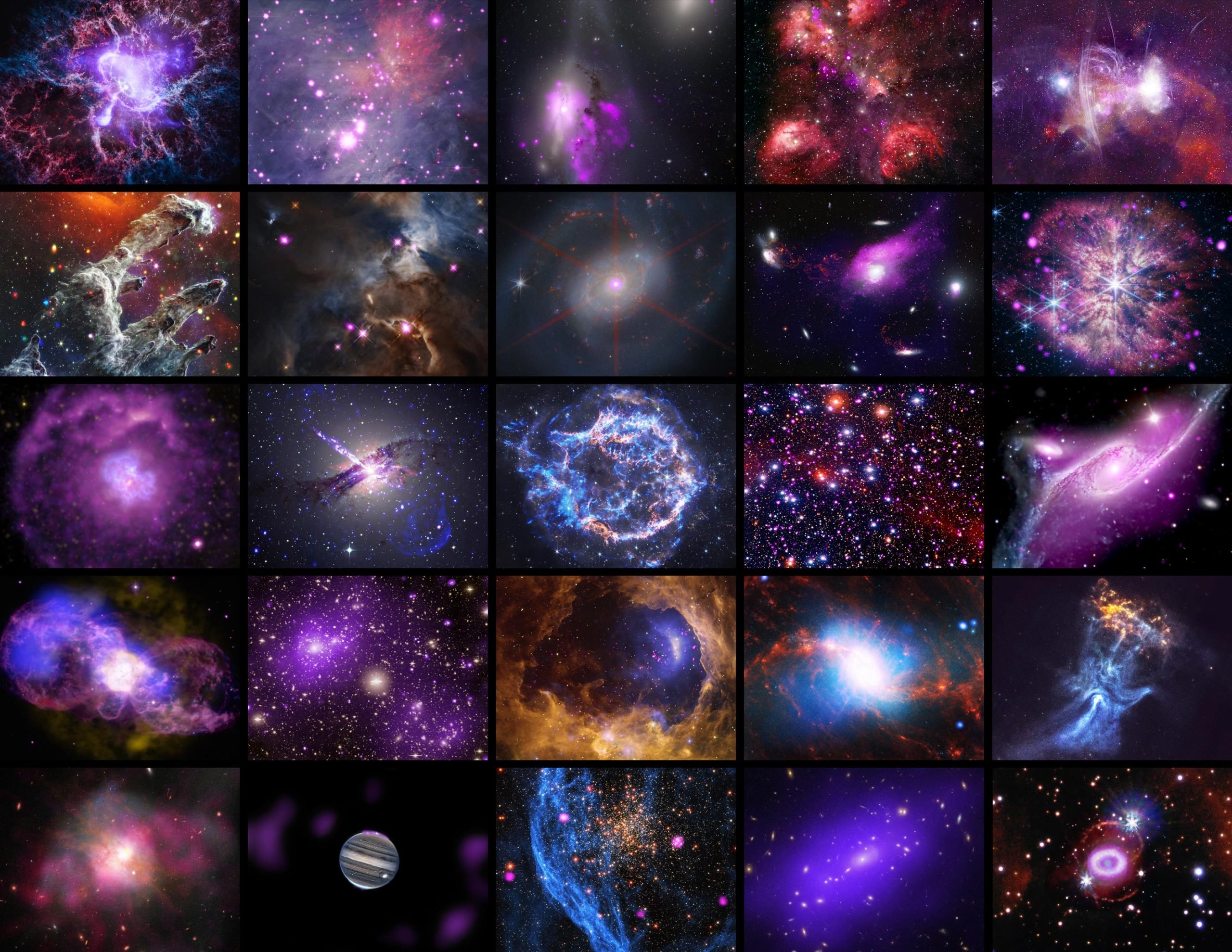
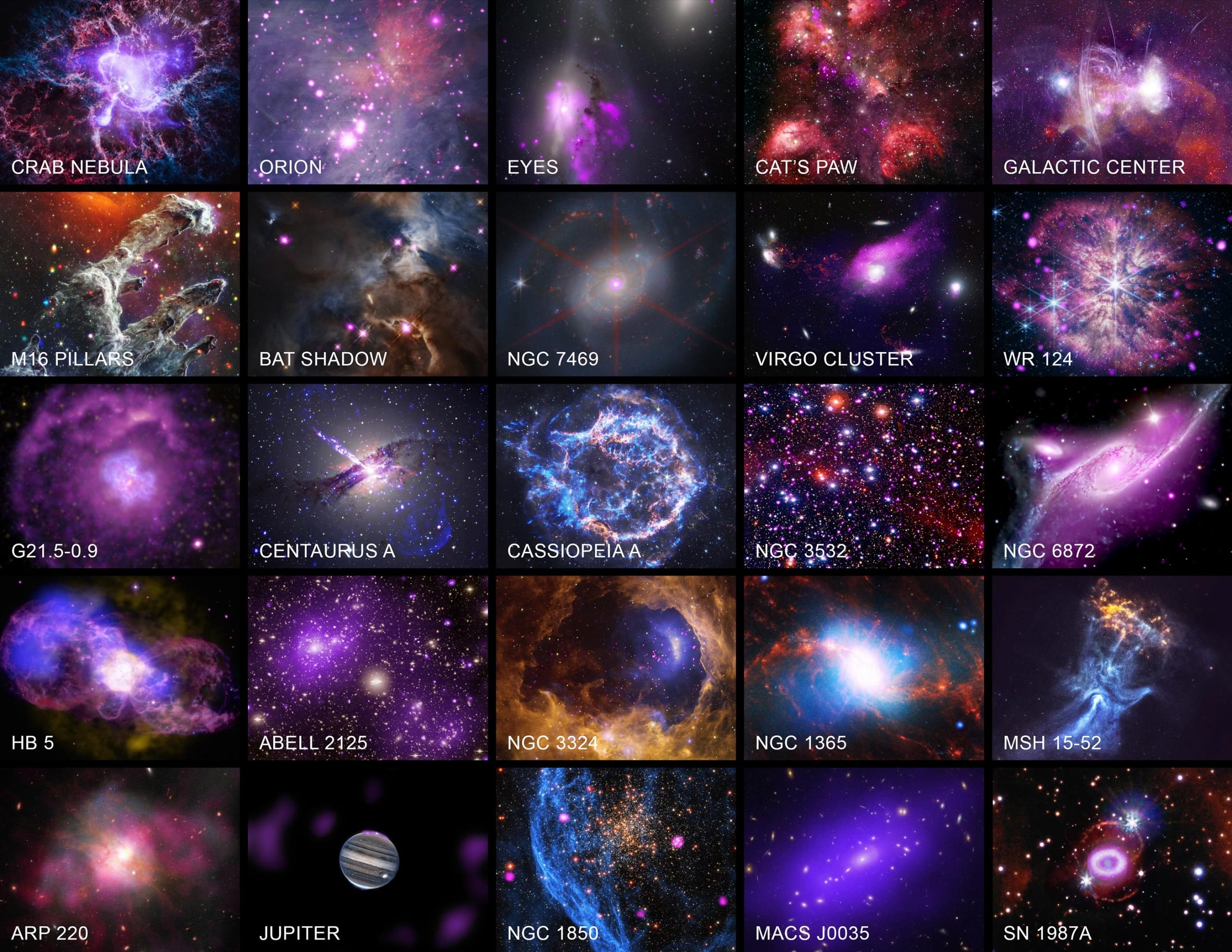
To celebrate the 25th anniversary of its launch, NASA’s Chandra X-ray Observatory is releasing 25 never-before-seen views of a wide range of cosmic objects.
These images, which all include data from Chandra, demonstrate how X-ray astronomy explores all corners of the universe. By combining X-rays from Chandra with other space-based observatories and telescopes on the ground, as many of these images do, astronomers can tackle the biggest questions and investigate long-standing mysteries across the cosmos.
Launch and Legacy of Chandra
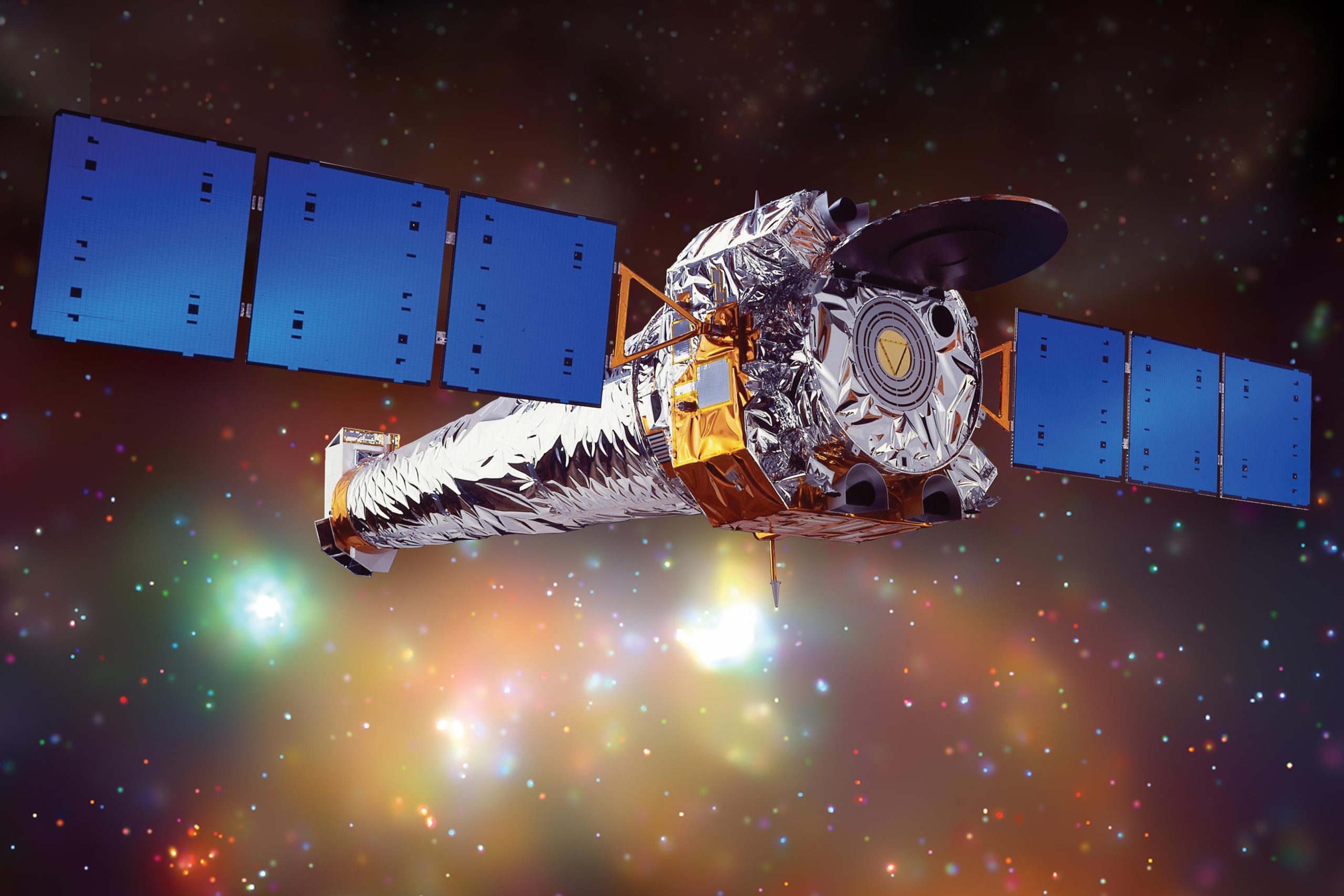
On July 23, 1999, the space shuttle Columbia launched into orbit carrying Chandra, which was then the heaviest payload ever carried by the shuttle. With Commander Eileen Collins at the helm, the astronauts aboard Columbia successfully deployed Chandra into its highly elliptical orbit that takes it nearly one-third of the distance to the Moon.
“For a quarter century, Chandra has made discovery after amazing discovery,” said Pat Slane, director of the Chandra X-ray Center located at the Smithsonian Astrophysical Observatory in Cambridge, Massachusetts. “Astronomers have used Chandra to investigate mysteries that we didn’t even know about when we were building the telescope — including exoplanets and dark energy.”
The Impact of X-ray Observations
X-rays are an especially penetrating type of light that reveals extremely hot objects and very energetic physical processes. Many fascinating regions in space glow strongly in X-rays, such as the debris from exploded stars and material swirling around black holes. Stars, galaxies, and even planets also give off X-rays that can be studied with Chandra.
“Chandra has been a great success story for humanity and its pursuit of knowledge,” said Andrew Schnell, acting project manager of NASA’s Chandra X-ray Observatory at the agency’s Marshall Space Flight Center in Huntsville, Alabama. “Chandra’s incredible accomplishments are made possible by the team’s hard work and dedication.”
The new set of images is a sample of almost 25,000 observations Chandra has taken during its quarter-century in space.
Chandra’s Foundational History
In 1976, Riccardo Giacconi and Harvey Tananbaum first proposed to NASA the mission that would one day become Chandra. Eventually, Chandra was selected to become one of NASA’s “Great Observatories,” along with the Hubble Space Telescope and the now-retired Compton Gamma Ray Observatory and Spitzer Space Telescope, each looking at different types of light.
In 2002, Giacconi was awarded the Nobel Prize in Physics “for pioneering contributions to astrophysics, which have led to the discovery of cosmic X-ray sources,” laying the foundation for the development and launch of Chandra.
Collaboration and Legacy in Astronomy
Today, astronomers continue to use Chandra data in conjunction with other powerful telescopes including NASA’s James Webb Space Telescope, IXPE (Imaging X-ray Polarimetry Explorer), and many more. For example, in the last year, Chandra work with Webb has led to the discovery of evidence for two of the most distant black holes ever seen (reported here and here), and work with IXPE has revealed the “bones” of a ghostly cosmic hand, in studying an X-ray nebula created by a pulsar.
Chandra science has led to over 700 PhDs and has supported a diverse talent pool of more than 3,500 undergraduate and graduate students, about 1,700 postdocs and over 5,000 unique principal investigators throughout the U.S. and worldwide. Demand for the telescope has consistently been extremely high throughout the entire mission, with only about 20% of the requested observing time able to be approved.
Scientists have written over 10,000 peer-reviewed and accepted papers based on Chandra data, gathering almost half a million citations, making it one of the most productive NASA missions in astrophysics.
Chandra’s Legacy and Management
“On behalf of the STS-93 crew, we are tremendously proud of the Chandra X-ray Observatory and its brilliant team that built and launched this astronomical treasure,” said Eileen Collins, commander of the space shuttle Columbia mission that launched Chandra into space in 1999. “Chandra’s discoveries have continually astounded and impressed us over the past 25 years.”
NASA’s Marshall Space Flight Center manages the Chandra program. The Smithsonian Astrophysical Observatory’s Chandra X-ray Center controls science from Cambridge, Massachusetts and flight operations from Burlington, Massachusetts. Northrop Grumman in Redondo Beach, California was the prime contractor for the spacecraft.
Never miss a breakthrough: Join the SciTechDaily newsletter.
Follow us on Google and Google News.