
A Canadian study shows that declining well-being in older age is not inevitable, as many older adults are able to bounce back to flourishing.
Almost one in four adults aged 60 and older who first reported poor well-being were able to return to a state of optimal well-being within three years, according to research published on September 24, 2025, in the open-access journal PLOS One.
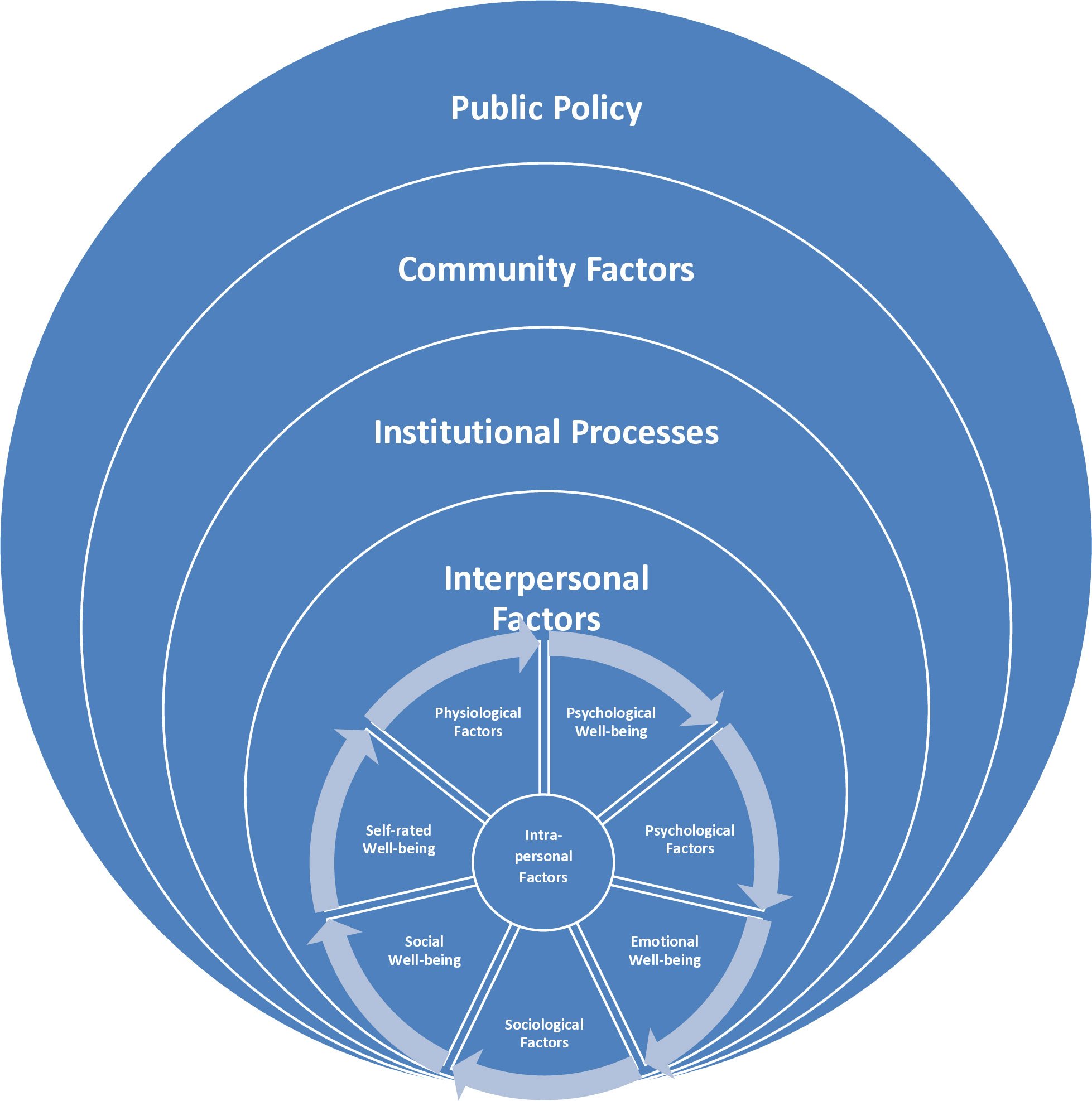
The study, led by University of Toronto researchers Mabel Ho and Esme Fuller-Thomson, underscores the benefits of healthy lifestyle choices such as maintaining a stable weight, avoiding smoking, staying physically active, addressing sleep difficulties, and managing chronic illnesses. It also points to the importance of nurturing psychological, emotional, and social health.
Researchers and policymakers are showing growing interest in what drives resilience and long-term well-being throughout life. While many lifestyle habits that can be adjusted play a role in protecting well-being—which encompasses physical, psychological, emotional, social, and self-perceived wellness, even in the presence of chronic disease—there is limited research on what helps older adults regain this level of health and fulfillment after experiencing challenges.
Study Design and Methods
By analyzing data from the Canadian Longitudinal Study on Aging, Ho and Fuller-Thomson examined the characteristics of 8,332 older adults who did not meet the criteria for optimal well-being at baseline, and assessed them again three years later, when they were at least 60 years old.
The authors found that nearly one-quarter of these individuals had regained optimal well-being over the three-year period. Respondents with baseline psychological and emotional wellness were most likely to regain optimal well-being: they were almost five times more likely to achieve optimal well-being by the end of the three-year period than were those who did not have psychological and emotional wellness at baseline.
The prevalence of regaining optimal well-being was also higher among respondents who, at baseline, were younger (under 70 years old), were married, and had incomes above the poverty line. In terms of health characteristics, being physically active, non-smoking, not having sleeping problems, and not having chronic conditions such as obesity, diabetes, arthritis, or osteoporosis, were all associated with increased odds of regaining optimal well-being.
Since all Canadian citizens and permanent residents have free access to medically necessary services, the study’s findings may not fully apply to settings where patients must pay for healthcare services and so may experience reduced access to this help. It is also unclear if the findings can be generalized to low- and middle-income countries.
Implications for Policy and Practice
If future research establishes that the associations observed in the current study are causal, policies and interventions that support physical, psychological, emotional, social, and self-rated wellness might help older adults to regain optimal well-being. For example, programs and services can be provided to encourage older adults to engage in an active and healthy lifestyle, to manage chronic conditions, and to prevent social isolation. According to the authors, these interventions might play an important role in enhancing older adults’ resilience and enabling them to regain optimal well-being in later life.
“What’s powerful about this research is the reminder that later life can still be fulfilling, even after difficult periods. Good health is important, but so are the people, meaning, and joy we have in our lives,” says first author Mabel Ho, a recent doctoral graduate at the University of Toronto’s Factor-Inwentash Faculty of Social Work (FIFSW) and the Institute of Life Course and Aging.
“This is a clear call to invest in prevention, financial stability, and accessible wellness supports—because these aren’t just smart policies, they can potentially improve the trajectory of aging for older adults who are struggling,” says senior author Esme Fuller-Thomson, Director of the Institute for Life Course & Aging and Professor at the University of Toronto’s Factor-Inwentash Faculty of Social Work.
Reference: “Reclaiming wellness: Key factors in restoring optimal well-being in the Canadian Longitudinal Study on Aging” by Mabel Ho and Esme Fuller-Thomson, 24 September 2025, PLOS ONE.
DOI: 10.1371/journal.pone.0329800
Never miss a breakthrough: Join the SciTechDaily newsletter.
Follow us on Google and Google News.