
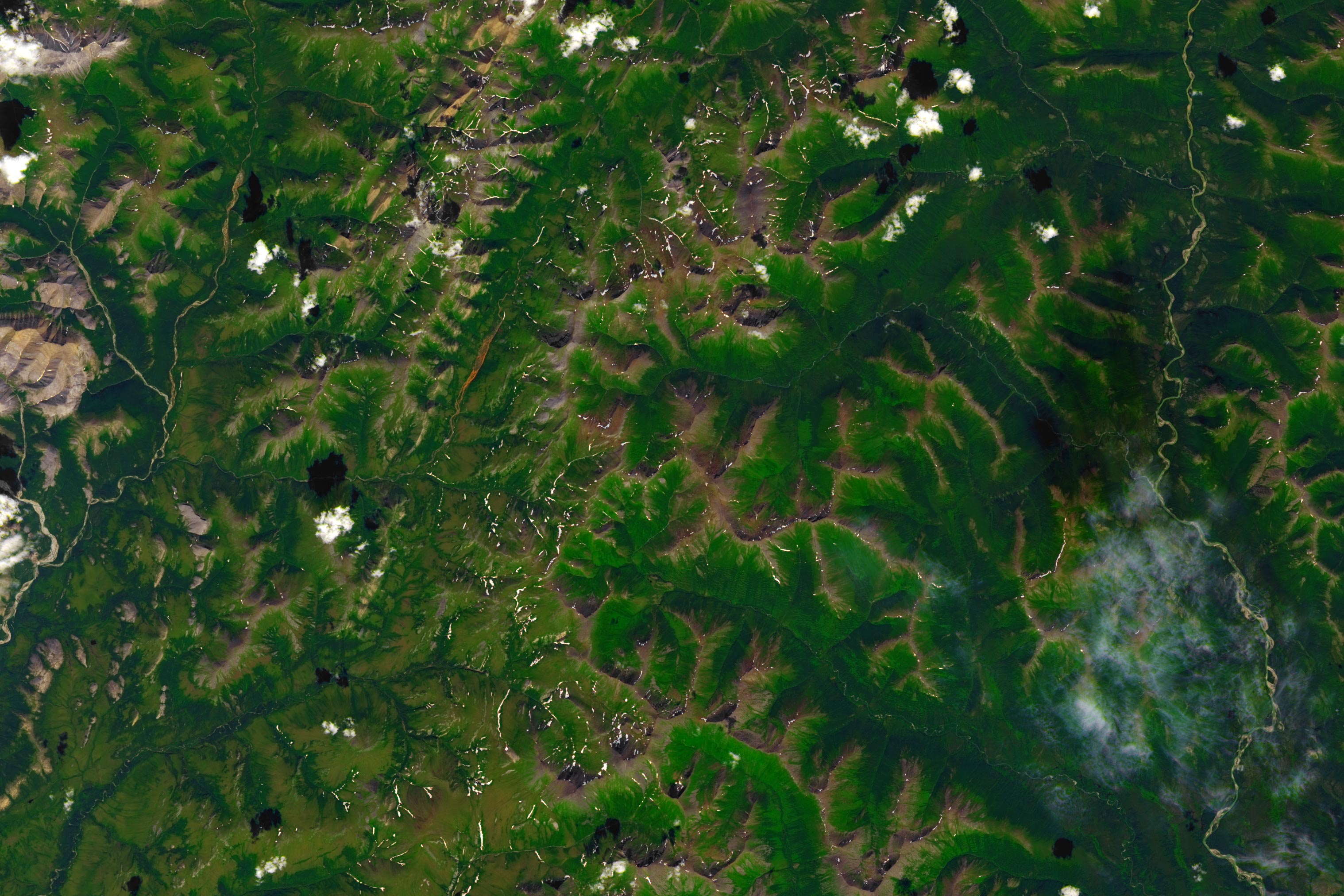
In Alaska, streams are turning orange as permafrost thaws.
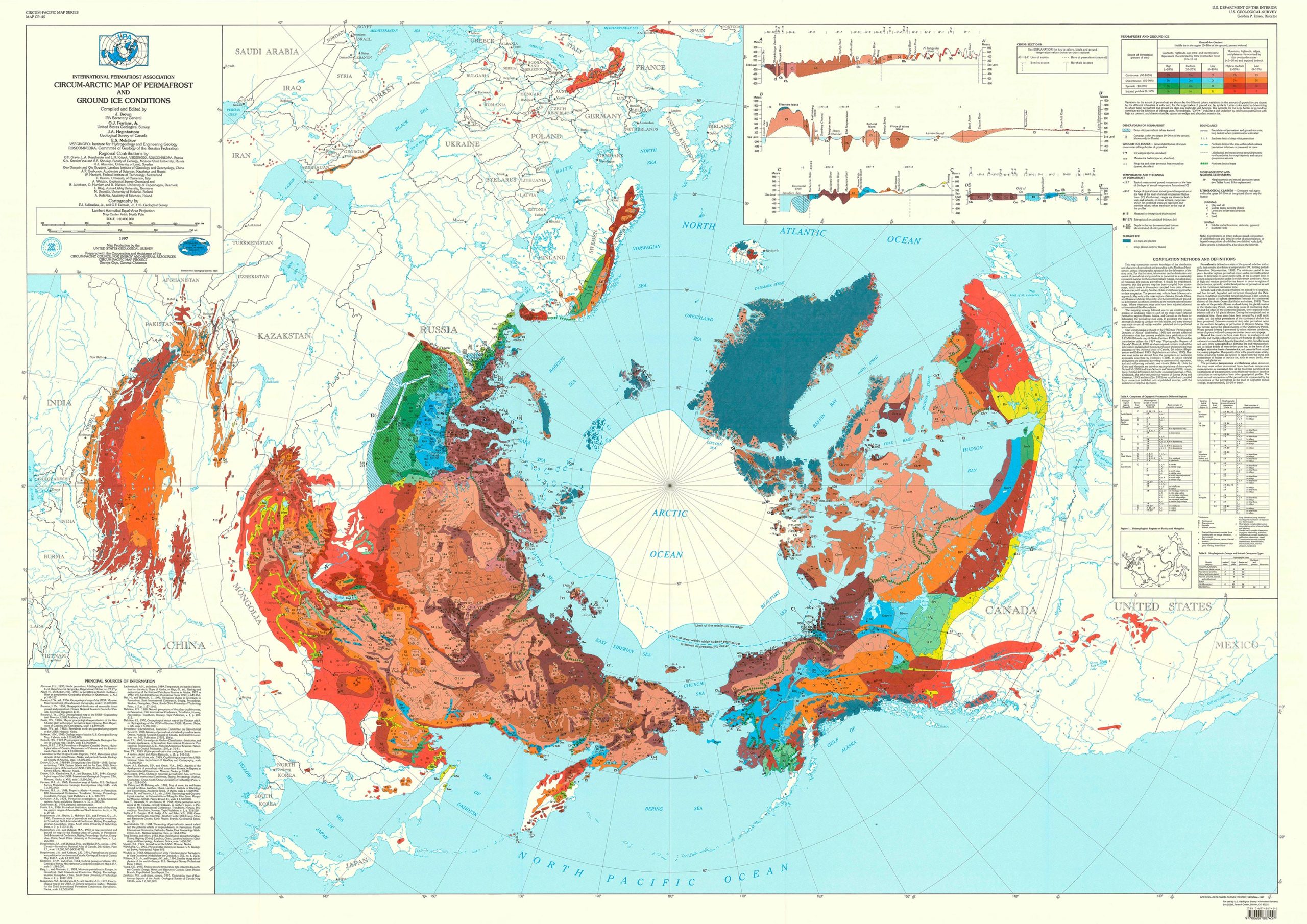
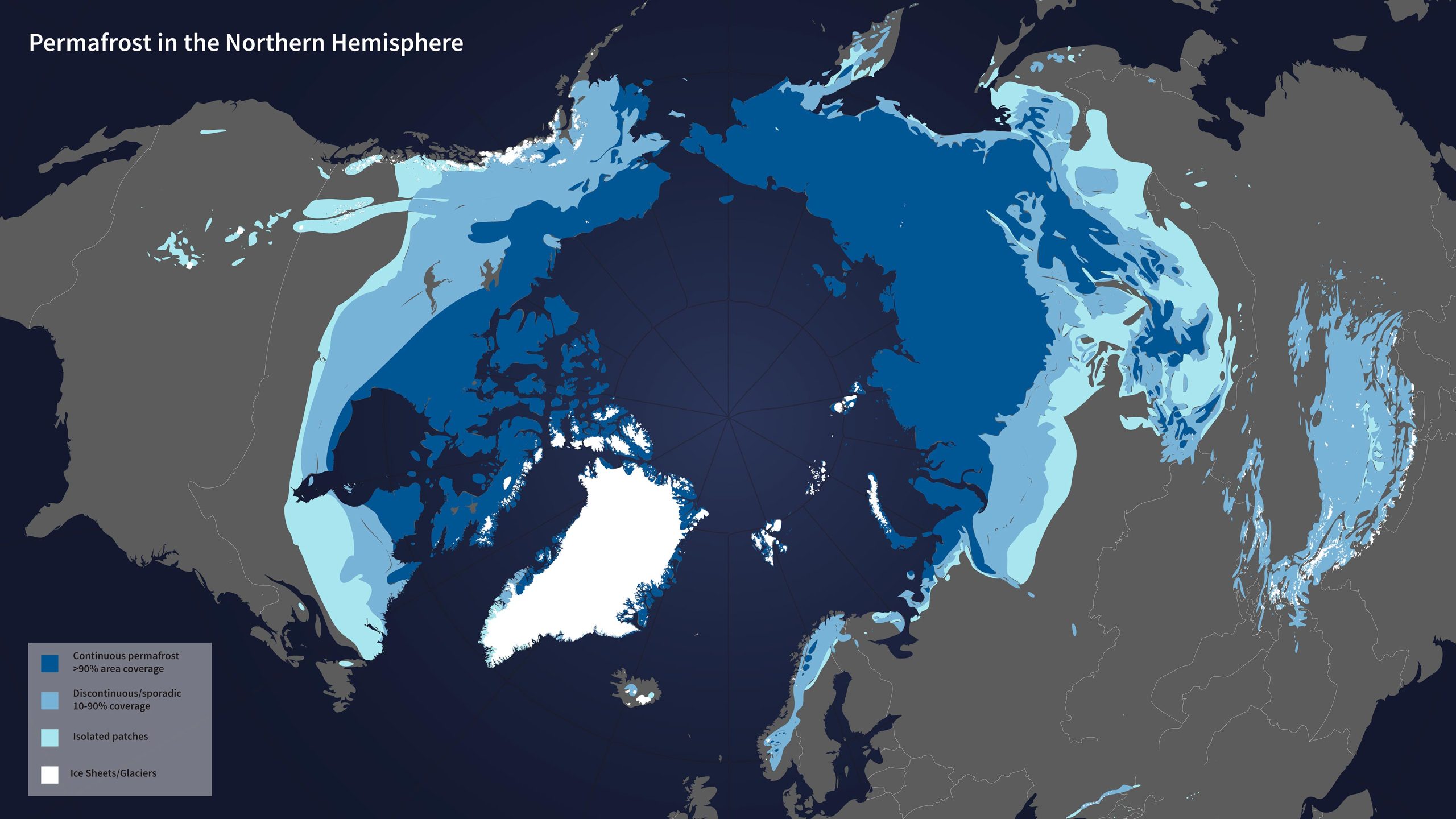
Scientists are keenly aware that losing permafrost—the year-round frozen ground prevalent across the Arctic—generally does not bode well for the planet’s future. The thawing of this frozen layer releases the potent greenhouse gas methane, thereby feeding more warming and thawing, while also destabilizing the ground and potentially letting loose dormant pathogens.
Researchers suspect that thawing permafrost is also the cause of dozens of Alaskan streams turning orange. Along with the strange appearance of the water, they have found it tends to be higher in iron, lower in dissolved oxygen, and more acidic than nearby rivers that run clear.
Tukpahlearik Creek is one such stream that has taken on a new hue. Landsat 9’s OLI-2 (Operational Land Imager-2) captured this view of its rusty waters on July 23, 2023. The creek runs through northwest Alaska, adjacent to Kobuk Valley National Park and north of the Arctic Circle.
The exact reasons for the orange appearance and altered chemistry of such streams are still a matter of debate, but a couple of hypotheses have emerged. One says that, along with methane, bacteria are producing a reduced, soluble form of iron as they digest plant and animal matter in thawing permafrost soils. As that iron reaches flowing streams, it can become oxygenated, or “rust,” and turn the water orange.
Another idea, not mutually exclusive to the bacterial process, posits that water is encountering bedrock rich in sulfide minerals underneath thawing permafrost, something that has likely not occurred in thousands of years. Ensuing chemical reactions spike the water with sulfuric acid. What’s more, that acidic water may then leach heavy metals from rocks and carry them downstream. The processes are similar to those that pollute water near mining activity.
Altered water chemistry degrades habitat for fish, small aquatic animals, and insect larvae. Precipitated iron can hinder fish respiration and smother their eggs, among other effects. The dramatic shift in water quality may be felt most acutely in the villages that rely upon rivers originating in permafrost regions for fish and drinking water.
NASA Earth Observatory image by Ross Walter and Michala Garrison, using Landsat data from the U.S. Geological Survey.
Never miss a breakthrough: Join the SciTechDaily newsletter.
Follow us on Google and Google News.
7 Comments
Return Alaska to the rightful owner!
Whom might that be?
At the risk of negative comment from atheists. God has it in His control, so I just do the best I can and what is necessary to keep me and mine in good health . Mine is fluid,those around me at the given time, may include my physical family, my church family, my community, depending on situation.
What have your personal religious beliefs and practices got to do with the ownership of Alaska?
“One says that, …, bacteria are producing a reduced, soluble form of iron as they digest plant and animal matter in thawing permafrost soils. As that iron reaches flowing streams, it can become oxygenated, … and turn the water orange.
Another idea, not mutually exclusive to the bacterial process, posits that water is encountering bedrock rich in sulfide minerals underneath thawing permafrost, something that has likely not occurred in thousands of years. Ensuing chemical reactions [oxidation] spike the water with sulfuric acid. What’s more, that acidic water may then leach heavy metals from rocks and carry them downstream.”
There is nothing preventing both from happening simultaneously. However, there usually isn’t a lot of iron in plants and one needs to explain why it is only happening in some places when organic detritus is ubiquitous. They are natural processes that would have taken place if the liquid water hadn’t become frozen.
If there are massive iron sulfide bodies being revealed, it may save mining companies a lot of time in locating sources of copper and gold so essential to the electrification of our transportation system and the semiconductors used to control EVs.
As to those pesky pathogens, any Pleistocene animals hiding in the Arctic should be very concerned about things that co-evolved with them. Modern animal life, not so much.
Why is it that some people only see the negative aspects of change? I understand that the Chinese character for adversity is the same as for opportunity. Perhaps the Chicken Littles of the world should sit down, take a deep breath, and think about how best to make lemonade from warm lemons.
The habitability of earth is not forever. The mantle will cool at some point. The surface will cycle like it has for thousands of years. The ice will melt , and things will get warm, only to start another ice age. At some point the sun will burn out too. All just facts of life. If u smoke cigarettes ur life span will be shorter. And industry and fossil fuels will hasten the warming, and then another ice age will come. Wether or not humans can adapt, well we are going to find out. My assumption is that maybe the frozen places will be last to heat , and first to cool in the next cycle.
If anyone even halfway educated is paying attention, the earth will be doing it’s 12,000 year cycle and here in Alaska, we’ll then be on the equator. The earth turns 90* about every 12k years like clockwork. “Earth saving”, climate “fixing” humans that believe we can do anything but harm this world, as the parasites we are, should #1 pull their head from their behind, and then take a real look around at what’s going on… Do your research kiddies, hang on, it’s gonna be a wild ride! 😉