
Close Menu
    Facebook X (Twitter) Instagram
    SciTechDaily
    • Biology
    • Chemistry
    • Earth
    • Health
    • Physics
    • Science
    • Space
    • Technology
    Facebook X (Twitter) Pinterest YouTube RSS
    SciTechDaily
    Home»Space»This Week @NASA: Artemis I Moon Mission Countdown
    Space

    This Week @NASA: Artemis I Moon Mission Countdown

    By NASAAugust 14, 2022No Comments4 Mins Read
    Facebook Twitter Pinterest Telegram LinkedIn WhatsApp Email Reddit
    Share
    Facebook Twitter LinkedIn Pinterest Telegram Email Reddit
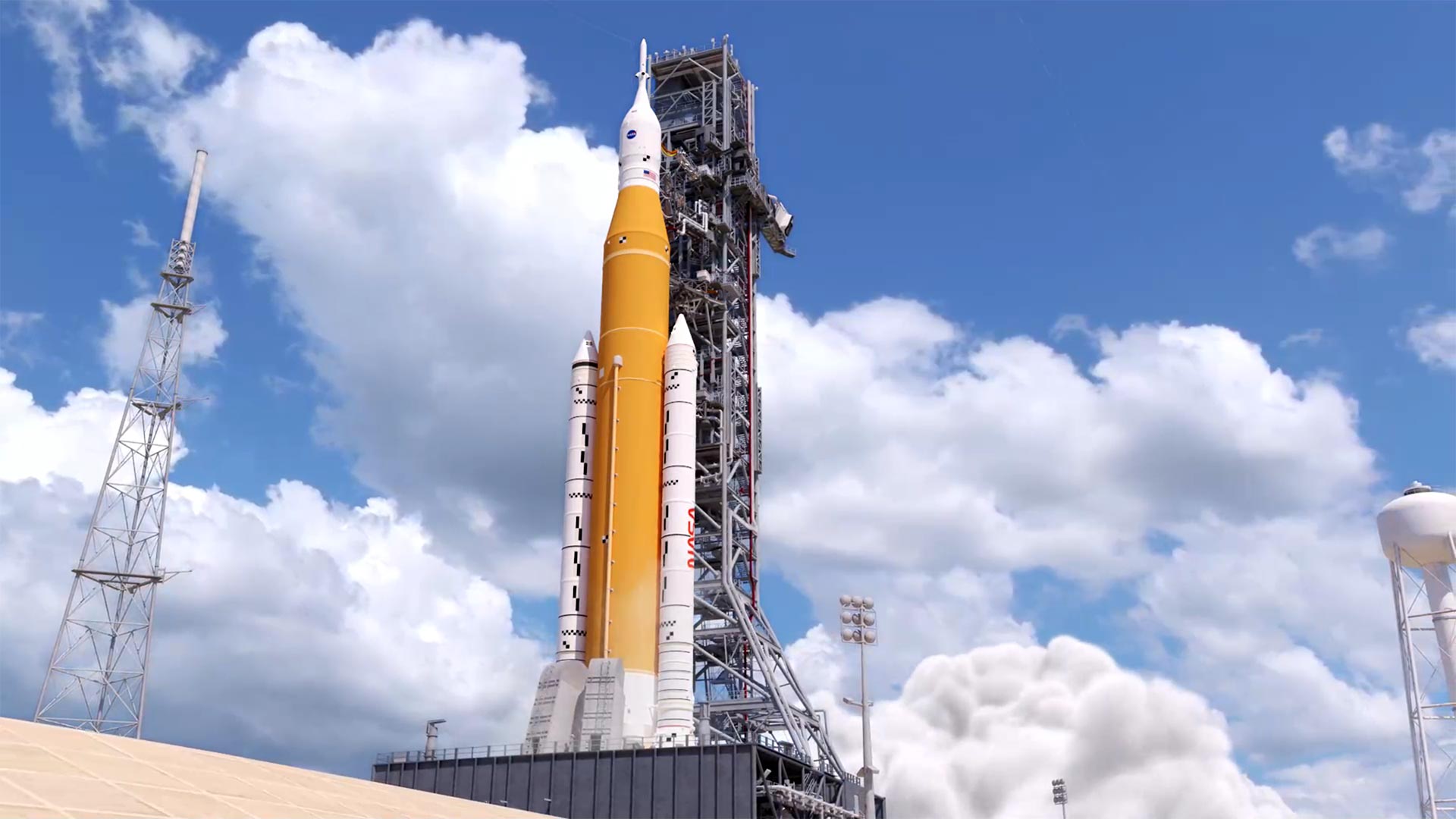
    Artemis I Ready to Launch Illustration
    This week at NASA: the countdown to our Artemis I Moon mission, a Moon-observing small satellite hitching a ride on Artemis I, and some other tiny satellites that could help us better prepare for space weather.

    The countdown to our Artemis I Moon mission …

    A Moon-observing small satellite hitching a ride on Artemis I …

    And some other tiny satellites that could help us better prepare for space weather … a few of the stories to tell you about – This Week at NASA!

    Countdown to Artemis I Moon Mission

    NASA is targeting Thursday, August 18 for the rollout of the Space Launch System or SLS rocket and Orion spacecraft to Launch Pad 39B at our Kennedy Space Center. We will provide a live stream of the move on the NASA Kennedy YouTube channel. The SLS and Orion are targeted for a no earlier than Monday, August 29 liftoff on the uncrewed Artemis I test flight around the Moon and back. The test flight is the first in a series of increasingly complex missions to help us establish a long-term presence on the Moon in preparation for sending astronauts on to Mars.
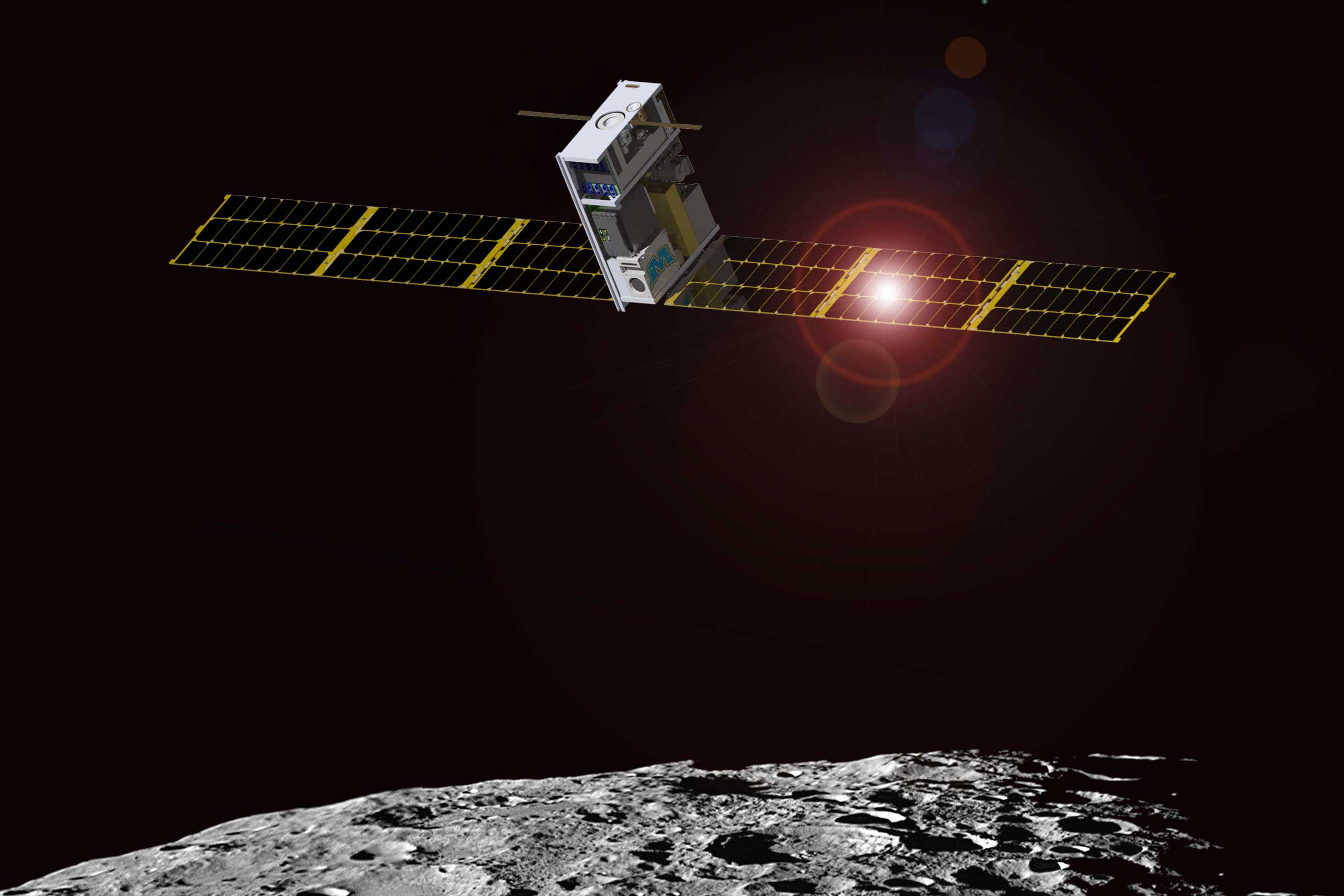
    Lunar IceCube
    Illustration of Lunar IceCube in orbit. Credit: Morehead State University

    Moon-observing CubeSat Ready for Artemis Launch

    NASA’s Lunar IceCube, a water-scouting CubeSat, is preparing to hitch a ride to the Moon as part of our uncrewed Artemis I mission. The small lunar-orbiting satellite will use a spectrometer to investigate lunar ice on the surface of the Moon. Scientists are interested in the absorption and release of water from the Moon’s rocky and dusty surface – or regolith. Lunar IceCube will also study the exosphere — a very thin atmosphere-like volume surrounding the Moon. By understanding the dynamics of water and other substances on the Moon, scientists will be able to predict seasonal changes for lunar ice that could impact its use as a resource in the future.
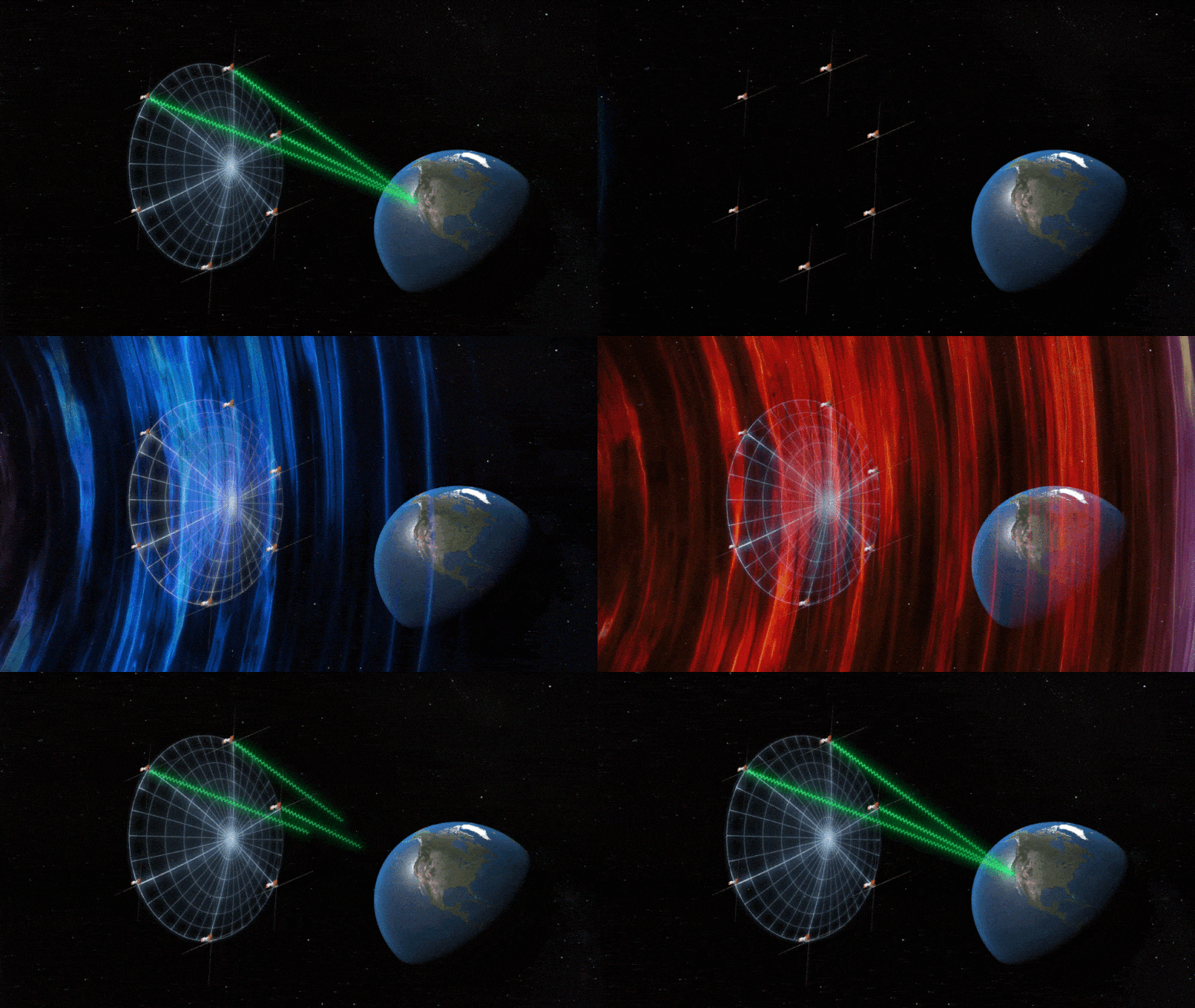
    NASA SunRISE Animation
    This animation shows the six SunRISE SmallSats tracing out a virtual space telescope as they detect a solar radio burst (shown as blue ripples) and then transmit their data (shown as green wavy lines) to the Deep Space Network on Earth. Credit: NASA

    First of SunRISE SmallSats Completed

    The first of six toaster-size satellites for our Sun Radio Interferometer Space Experiment or SunRISE has been completed. The tiny satellites will combine to form a 6-mile-wide telescope in space capable of detecting bursts of radio waves from the Sun’s superheated atmosphere, known as the corona. SunRISE will help scientists better understand explosive space weather events. These phenomena generate particle radiation that can jeopardize astronauts and technology in space and adversely affect communications and power grids on Earth. SunRISE is targeted for launch in 2024.
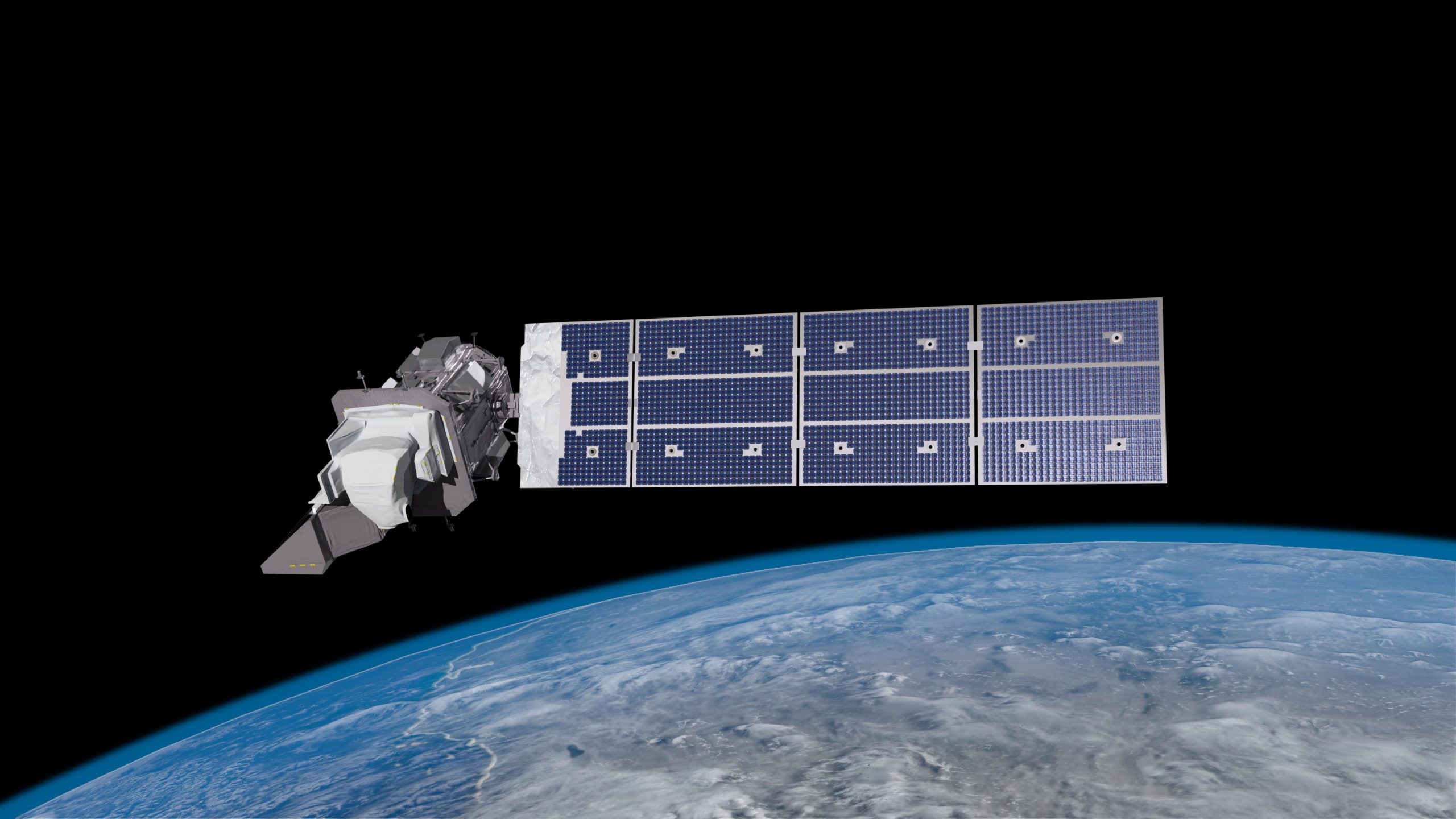
    Landsat 9 Spacecraft
    An artist’s conception of the Landsat 9 spacecraft, the ninth satellite launched in the long-running Landsat program, high above the Western US. Credit: NASA’s Goddard Space Flight Center/Conceptual Image Lab

    NASA Transfers Landsat 9 Satellite to USGS

    On August 11, NASA transferred ownership and operational control of the Earth-observing Landsat 9 satellite to the U.S. Geological Survey or USGS. Landsat 9 is the most recent in the Landsat series of remote-sensing satellites, which provide global coverage of landscape changes on our home planet. The Landsat program – a joint effort between NASA and USGS – recently marked 50 years of continuous service observing Earth from space.

    Earth From Space in 4K – Expedition 65 Edition

    Seeing Earth from space with your own eyes is a unique experience. But this recently released ultra-high-definition video might just be the next best thing. Imagery in the video was captured between April and October 2021 during the Expedition 65 crew’s time aboard the International Space Station. Check it out for yourself — the video is embedded above.

    NASA Television Transponder Change Effective Monday, August 29

    A quick note about an upcoming change for NASA Television. NASA TV programming on the Galaxy 13 domestic satellite is moving from transponder 11 to transponder 15. Currently, both transponders are active, but distribution of NASA TV programming on transponder 11 will end on Monday, August 29. For complete details, please visit go.nasa.gov/transponder.

    That’s what’s up this week @NASA

    Never miss a breakthrough: Join the SciTechDaily newsletter.
    Follow us on Google and Google News.

    NASA
    Share. Facebook Twitter Pinterest LinkedIn Email Reddit

    Related Articles

    Liftoff! NASA’s Artemis II Launch Sends Astronauts Around the Moon for First Time in 50 Years

    Scientists Propose a Radical New Method To Find Alien Life

    NASA’s Psyche Could Reveal the Secret Inside This Metal World

    Mars Was Once Warm and Wet. NASA’s ESCAPADE Is About to Learn What Went Wrong

    NASA’s Curiosity Rover Discovers Spiderweb Ridges on Mars That Hint at Ancient Water

    NASA’s DART Impact Actually Changed an Asteroid System’s Orbit Around the Sun

    NASA’s Webb Telescope Reveals an Eerie Nebula That Looks Like a Giant Brain

    “At First, We Thought Something Was Wrong” – NASA DART Mission Reveals a Cosmic Snowball Fight

    “Ghost Galaxy” Made of 99% Dark Matter Discovered 300 Million Light Years Away

    Leave A Reply Cancel Reply

    • Facebook
    • Twitter
    • Pinterest
    • YouTube

    Don't Miss a Discovery

    Subscribe for the Latest in Science & Tech!

    Trending News

    Breakthrough Parkinson’s Drug Targets Disease at Its Genetic Roots

    Just 4 Weeks of Simple Diet Changes Reversed Signs of Aging in Older Adults

    Scientists May Have Finally Solved Why Humans Are Right-Handed

    NASA’s Hubble Accidentally Witnesses a Comet Shattering in Space

    Researchers Discover the Body’s Hidden “Off Switch” for Inflammation

    Scientists Discover Metformin Doesn’t Work the Way We Thought

    Tea or Coffee? Your Daily Choice Could Affect Osteoporosis Risk

    Vitamin C May Fight Cancer in a Surprising Way

    Follow SciTechDaily
    • Facebook
    • Twitter
    • YouTube
    • Pinterest
    • Newsletter
    • RSS
    SciTech News
    • Biology News
    • Chemistry News
    • Earth News
    • Health News
    • Physics News
    • Science News
    • Space News
    • Technology News
    Recent Posts
    • New Research Uncovers Lithium’s Surprising Effect on Alzheimer’s
    • New Anti-Clotting Medication Prevents Strokes Without the Usual Bleeding Risk
    • Simple Fiber Supplement Cuts Knee Arthritis Pain in Just 6 Weeks, Study Finds
    • Scientists Discover the Secret Bacteria Behind Artisan Cheeses – and They May Be Good for Your Health
    • Banned Antibiotic Discovered in Fish Raises Food Safety Concerns
    Copyright © 1998 - 2026 SciTechDaily. All Rights Reserved.
    • Science News
    • About
    • Contact
    • Editorial Board
    • Privacy Policy
    • Terms of Use

    Type above and press Enter to search. Press Esc to cancel.