
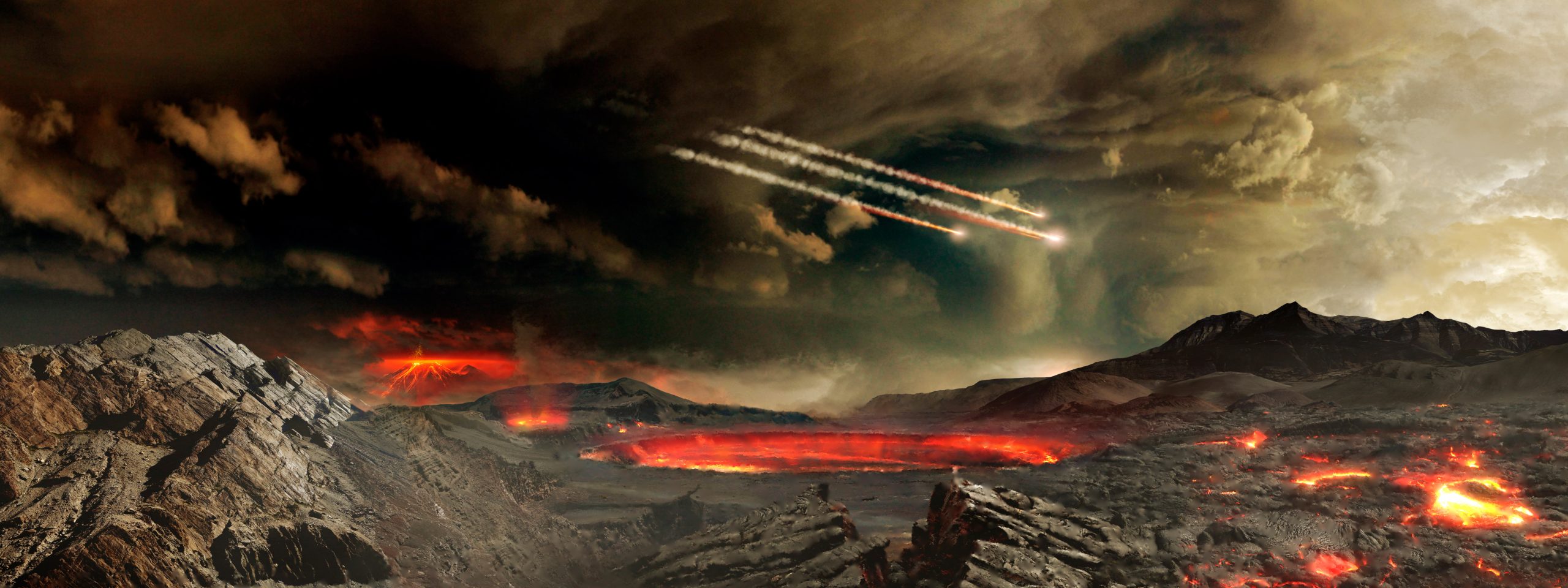
Exploring the transformation of Earth from a volcanic hellscape to a potential birthplace of life during the Hadean era.
Insights from a University of California study suggest that early Earth had liquid water and conditions that might have supported life’s beginnings, despite the planet’s harsh, molten state and frequent meteor impacts.
Formation and Characteristics of Early Earth
Earth formed approximately 4.54 billion years ago, beginning with a dramatic and chaotic phase known as the Hadean Period, which spanned from 4.54 to 4 billion years ago. During this time, the planet was a seething, volcanic world dominated by molten rock and intense heat.
While this “hellish” environment may seem inhospitable, evidence suggests that liquid oceans of water existed beneath a thick atmosphere of carbon dioxide and nitrogen. Recent research indicates that early Earth may have been far more conducive to life than previously believed.
The Hostile and Changing Hadean Landscape
The term “Hadean” derives from Hades, the Greek god of the underworld, aptly capturing the harsh, fiery conditions of the time. The planet’s surface was largely molten, with constant volcanic eruptions shaping the landscape. Meteorites and comets frequently bombarded the young Earth as its crust began to take form.
Despite these extreme conditions, water appears to have started accumulating, potentially delivered by comet impacts or released through volcanic outgassing. By the end of the Hadean Period, Earth’s crust had cooled and solidified sufficiently to form the planet’s first continents, separated by emerging oceans.
Interdisciplinary Research Insights
In a paper published by a team of researchers from the University of California they confirm this conclusion that, far from being in hospitable, early Earth was actually far less tumultuous. The team, led by Christopher K Jones explores the evolution of the Earth from formation to the evolution of life. They review a number of different pathways for the origins of life during the Hadean in the context of the large-scale planetary environment at the time, including Earth’s position in the Solar System.
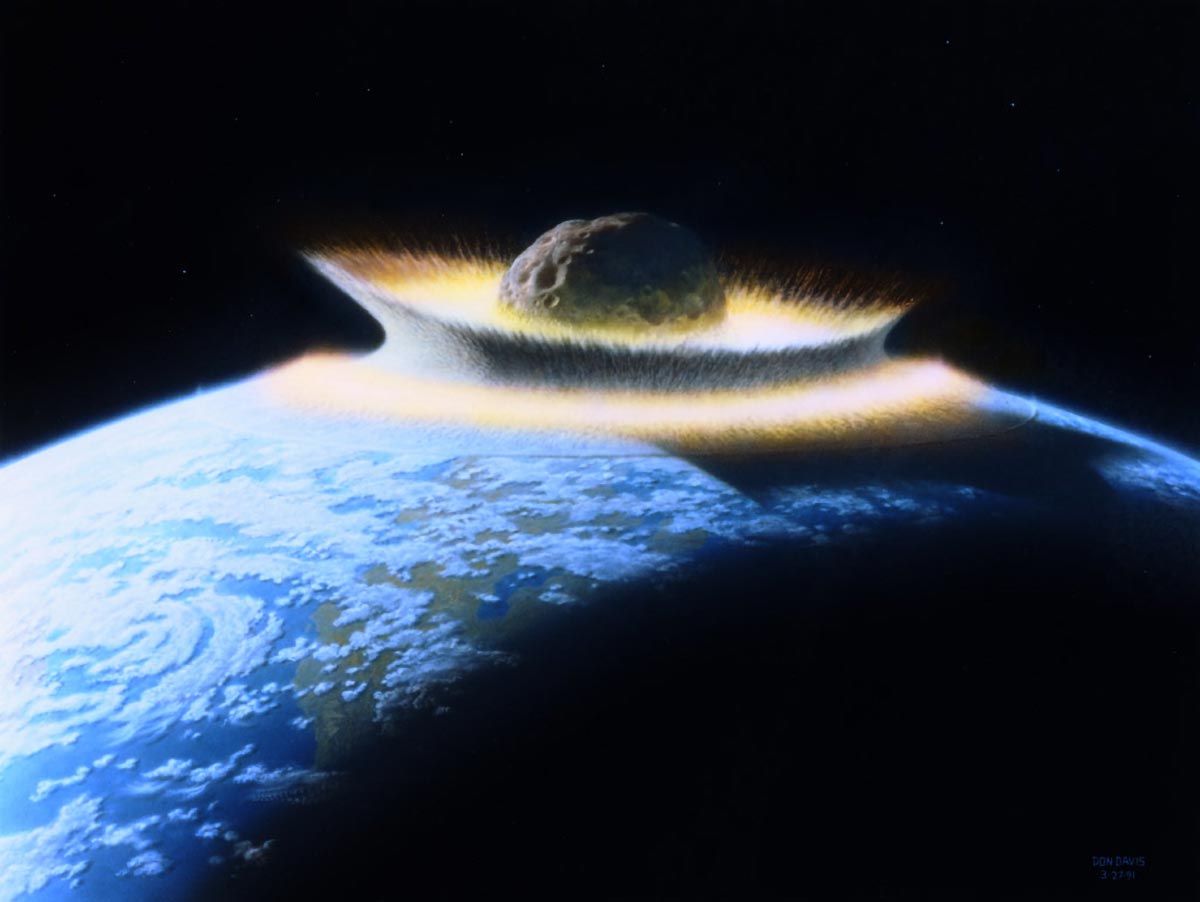
In order to complete their work, the team looked at a number of critical aspects across different disciplines including microbiology, atmospheric chemistry, geochemistry, and planetary science. The relationships between life’s beginnings and the processes and state of the environment at the time are also assessed in their paper including the formation of the crust and evolution of the atmosphere.
Atmospheric and Environmental Dynamics
The paper also explores a number of different atmospheric processes from wet-dry and freeze-thaw cycles to hydrothermal vent systems. This is not just assessed on Earth but in the Solar System at large to see if there is any correlation or overlaps. The impact of comets too are considered and how they would impact on the atmospheric chemistry.
The team conclude that Earth, during the Hadean period, most likely had liquid water. The debate still rages on however about the existence of continents and their composition. This uncertainty has an impact on just how organic life could have got a foothold on Earth. However it did, life would have taken a hold by the end of the Hadean era and started to leave evidence in the geological records of the Archean period that followed.
Unfortunately, the paper is far from conclusive, leaving a number of questions unanswered but it does make a fabulous start to fill in the gaps at just how life began on this planet we call home.
Adapted from an article originally published on Universe Today.
Reference: “Setting the stage: Building and maintaining a habitable world and the early conditions that could favor life’s beginnings on Earth and beyond” by Christopher K Jones, Michaela Leung, Chenyi Tu, Saleheh Ebadirad, Nate Marshall, Lin Tan and Tim Lyons, 30 October 2024, Astrophysics > Earth and Planetary Astrophysics.
arXiv:2410.23344
Never miss a breakthrough: Join the SciTechDaily newsletter.
Follow us on Google and Google News.