

Close Menu
    Facebook X (Twitter) Instagram
    SciTechDaily
    • Biology
    • Chemistry
    • Earth
    • Health
    • Physics
    • Science
    • Space
    • Technology
    Facebook X (Twitter) Pinterest YouTube RSS
    SciTechDaily
    Home»Space»Get Your Ticket to the Moon: Europe’s First Ever Lunar Lander
    Space

    Get Your Ticket to the Moon: Europe’s First Ever Lunar Lander

    By European Space Agency (ESA)May 29, 20202 Comments4 Mins Read
    Facebook Twitter Pinterest Telegram LinkedIn WhatsApp Email Reddit
    Share
    Facebook Twitter LinkedIn Pinterest Telegram Email Reddit
    Moon ESA Astronaut Luca Parmitano
    Earth’s natural satellite taken by ESA astronaut Luca Parmitano during his Beyond mission on the International Space Station on 15 August 2019. Credit: ESA/NASA–L. Parmitano

    Development of Europe’s first ever lunar lander was agreed upon by ESA Member States in 2019 and now ESA is seeking your ideas for science and robotic missions on the Moon.
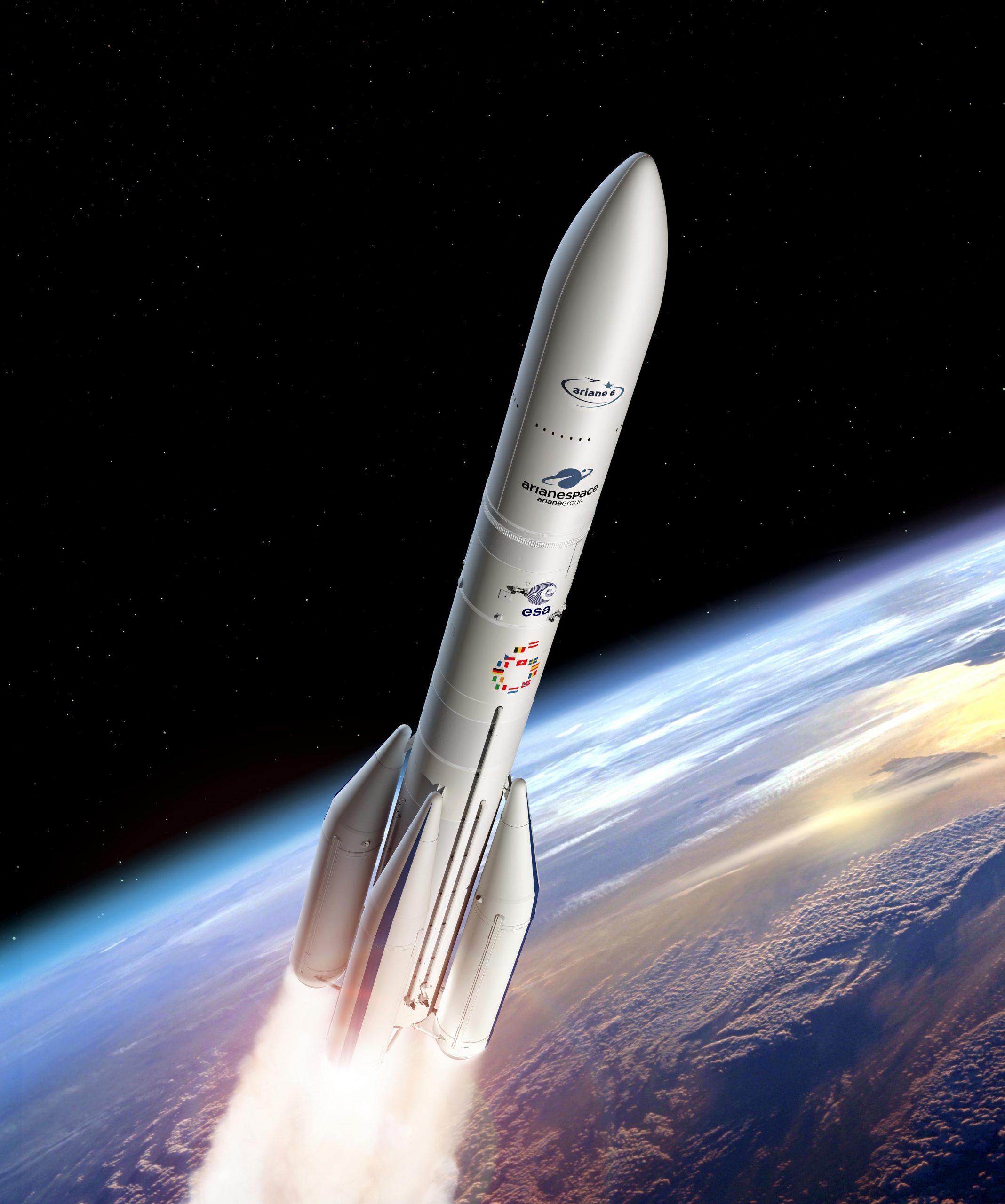
    Ariane 6 Using Four Boosters
    Artist’s view of the configuration of Ariane 6 using four boosters (A64). Credit: ESA – D. Ducros

    Set to launch on an Ariane 64 rocket later this decade and return to the Moon on a regular basis, the large lander will provide unprecedented opportunities for science and robotics on the lunar surface and your mission could be one of the first.

    The call for ideas comes hot on the heels of ESA signing an agreement to start building the third European Service Module for NASA’s Artemis program. This module will drive the spacecraft that ferries the next astronauts to the Moon.

    Repeat trips to the Moon

    The European-led large lunar lander program provides autonomous access to the Moon, delivering 1.5 tonnes of material from Europe’s Spaceport in Kourou, French Guiana – this is roughly the weight of a hippopotamus.

    The program, currently known as the European Large Logistics Lander or EL3 for short, is designed to incorporate different types of uncrewed missions, from supply runs for Artemis astronauts, to stand-alone robotic science and technology demonstration missions and even a lunar return mission to bring samples to laboratories on Earth.
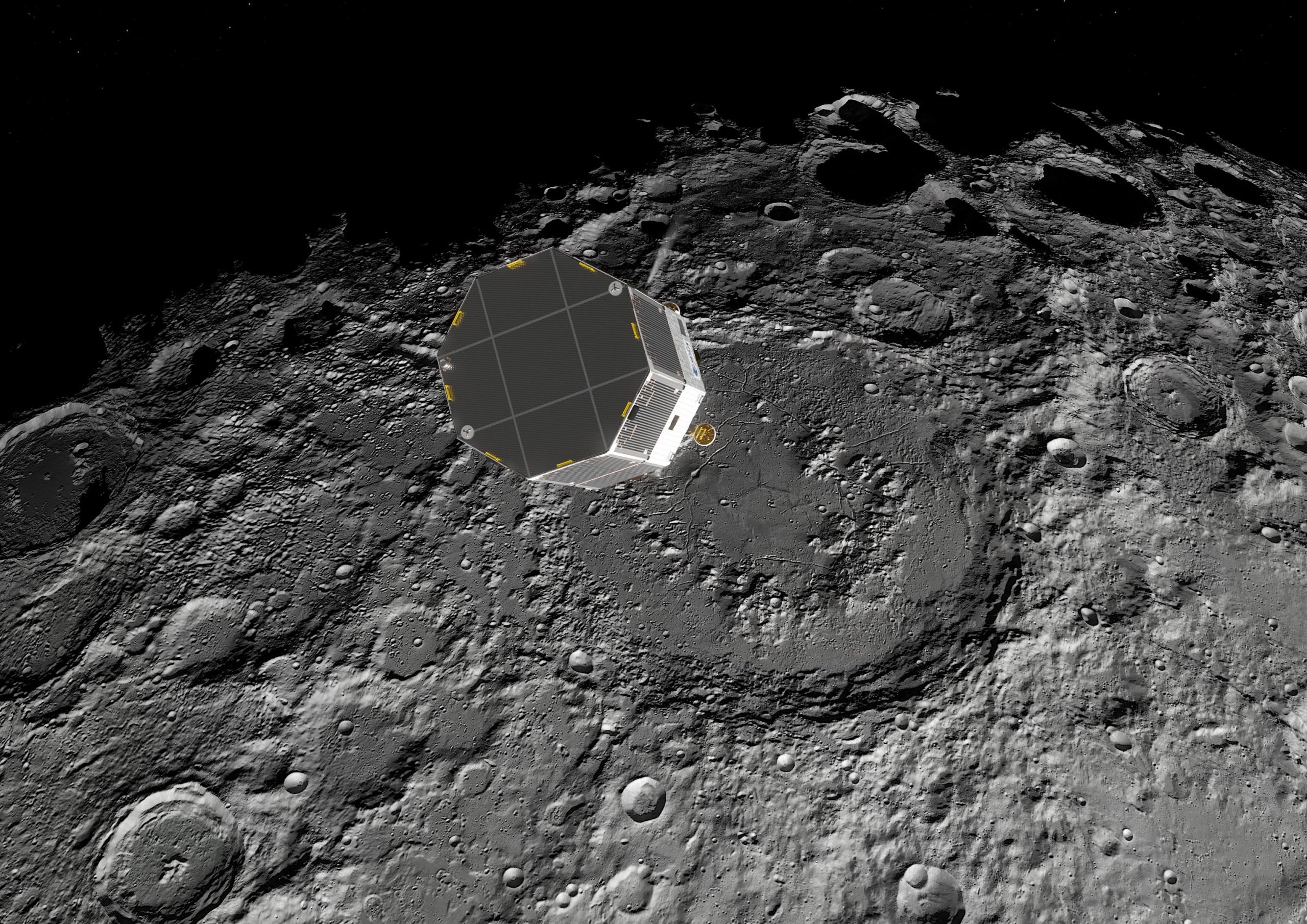
    European Large Logistic Lander Approaching Moon
    European Large Logistic Lander approaching Moon. Credit: ESA/ATG-Medialab

    “This European lander will be able to access locations all over the Moon from the equator to the poles, from the near side to the far side, opening up tremendous opportunities to deliver science, research technology and infrastructure,” says ESA’s Exploration science and research coordinator James Carpenter, “developing this capability is a hugely important strategic step for Europe. It will allow us to take a lead in future robotic missions and support international activities at the Moon’s surface.”

    The best of all worlds

    Now that ESA has defined the hardware, launch, and operations side for this unique European program, the agency is looking for outstanding mission ideas that could be delivered by the European Large Logistics Lander.
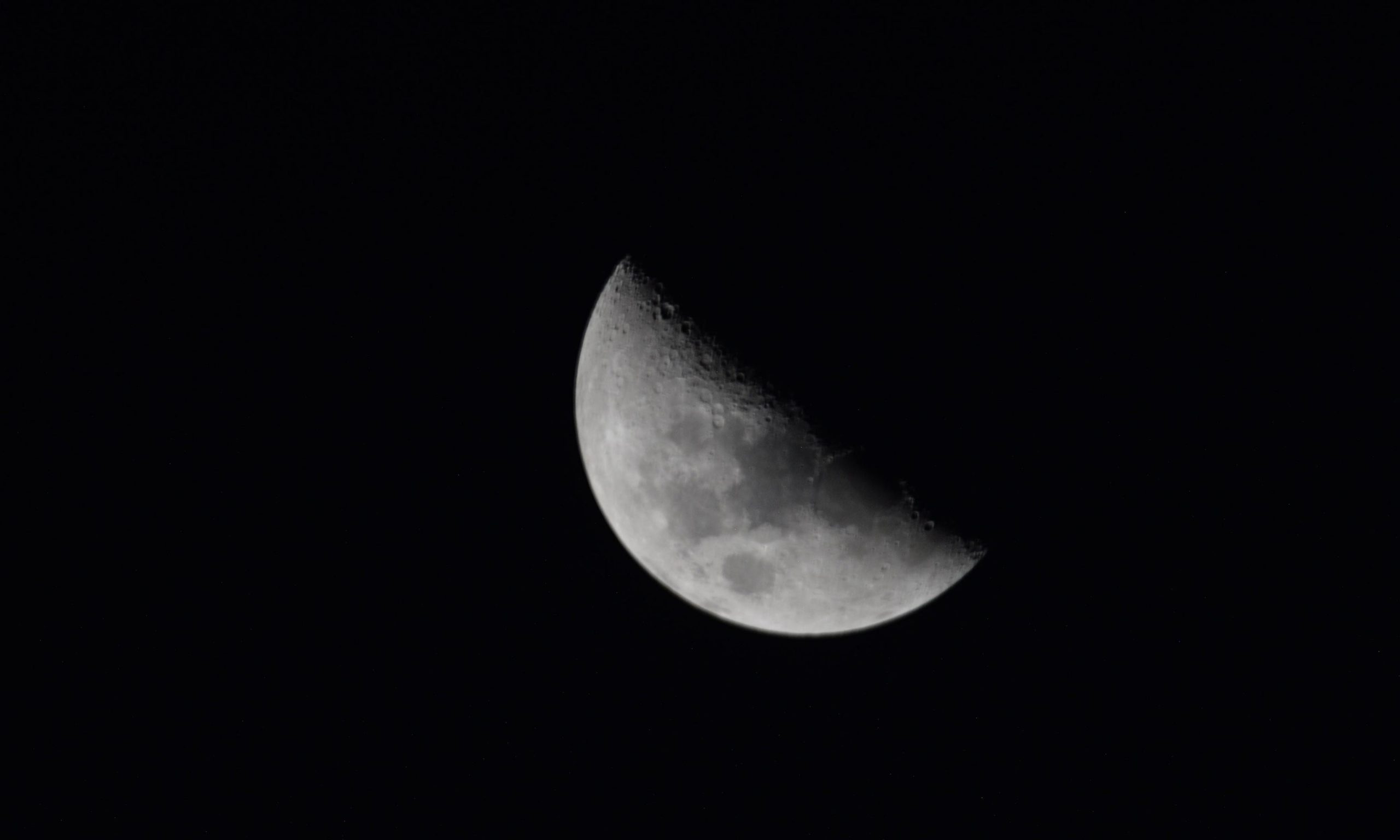
    Moon ESA Astronaut Thomas Pesquet
    Earth’s natural satellite taken by ESA astronaut Thomas Pesquet during his Proxima mission on the International Space Station on 2 May 2017. Credit: ESA/NASA–T. Pesquet

    Examples of what could be proposed include robotic exploration of lunar caves, telescopes on the far side of the Moon, searching for water ice or producing useable products from resources on the Moon.

    “We are asking the best minds to submit ideas for this program as we explore our Solar System in collaboration with scientists, engineers, industry, and companies,” James continues, “we really want to extend this call for ideas outside the realm of the usual space players, considering all aspects of lunar exploration.”

    The lunar lander program is not a one-shot mission but promises regular launches starting in the later part of this decade and continuing into the 2030s.
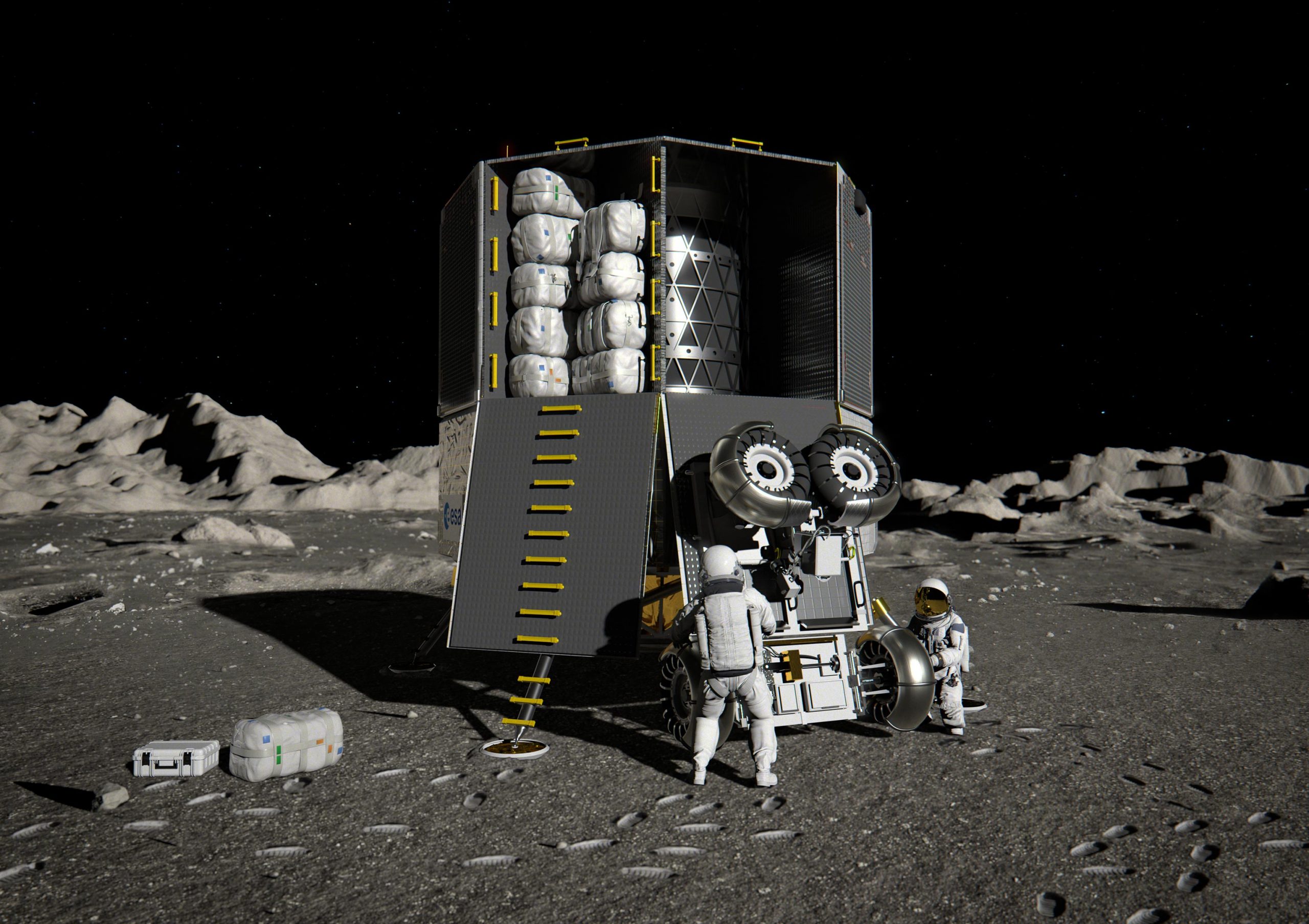
    European Large Logistic Lander Unloading Cargo
    The Heracles European Large Logistic Lander enables a series of proposed ESA missions to the Moon that could be configured for different operations such as cargo delivery, returning samples from the Moon or prospecting resources found on the Moon. This artist’s impression shows the cargo configuration of the lander, delivering supplies and even rovers or robots to the Moon’s surface for astronauts as part of NASA’s Artemis program. Credit: ESA/ATG-Medialab

    We are looking for ideas that align with ESA’s strategy for exploration to inspire, create new knowledge, grow international cooperation and create economic growth and industrial competitiveness.

    Any company, organization or person can submit their ideas for the EL3 program. Details and information on how to apply are available here. The deadline for submissions is 3 July 2020.

    Never miss a breakthrough: Join the SciTechDaily newsletter.
    Follow us on Google and Google News.

    Astronaut European Space Agency Moon
    Share. Facebook Twitter Pinterest LinkedIn Email Reddit

    Related Articles

    Lunar Highways: How Lasers Can Transform Moon Dust Into Roads

    Revolutionizing Agriculture: The Next Frontier of Farming on the Moon

    A Vision of the Future: Inflatable Moon Base

    Peek-a-Boo Moon: Astronaut on Space Station Captures Spectacular Photos of the Lunar Eclipse

    Life Beyond Earth: A Detailed Concept for a Moon Habitat

    Can Lunar Dust Jeopardise Human Health?

    Moon Village – How to Build a Permanent Base Station on the Moon

    New Mosiac of the Moon’s South Pole

    Weather Satellite Captures Image of “Blue” Moon

    2 Comments

    1. Zziwa Ibrahim on October 21, 2020 11:06 am

      Wonderfull dear Americans our earthly brothers I appreciate that extremely hard job. I want to live and go to the moon. I want to be the first ugandan to be on the moon please. Thankyou everybody.

      Reply
    2. Tim Brown on March 10, 2022 8:57 pm

      I would like to see ordinary people to be able to go on moon trip to land
      and go into moon house and
      take off space suite in early 2030s.
      It would be dream come true!

      Reply
    Leave A Reply Cancel Reply

    • Facebook
    • Twitter
    • Pinterest
    • YouTube

    Don't Miss a Discovery

    Subscribe for the Latest in Science & Tech!

    Trending News

    Popular Sugar-Free Sweetener Linked to Liver Disease, Study Warns

    What Is Hantavirus? The Deadly Disease Raising Alarm Worldwide

    Scientists Just Discovered How the Universe Builds Monster Black Holes

    Scientists Unveil New Treatment Strategy That Could Outsmart Cancer

    A Simple Vitamin May Hold the Key to Treating Rare Genetic Diseases

    Scientists Think the Real Fountain of Youth May Be Hiding in Your Gut

    Ravens Don’t Follow Wolves, They Predict Them

    This Common Knee Surgery May Be Doing More Harm Than Good

    Follow SciTechDaily
    • Facebook
    • Twitter
    • YouTube
    • Pinterest
    • Newsletter
    • RSS
    SciTech News
    • Biology News
    • Chemistry News
    • Earth News
    • Health News
    • Physics News
    • Science News
    • Space News
    • Technology News
    Recent Posts
    • Why Are So Many New Fathers Dying? Scientists Say the U.S. Has a Dangerous Blind Spot
    • Scientists Identify Simple Supplement That Greatly Reduces Alzheimer’s Damage
    • You May Have a Dangerous Type of Cholesterol Even if Your Tests Look Normal
    • Study Reveals Dangerous Flaw in AI Symptom Checkers
    • New MRI Breakthrough Captures Stunningly Clear Images of the Eye and Brain
    Copyright © 1998 - 2026 SciTechDaily. All Rights Reserved.
    • Science News
    • About
    • Contact
    • Editorial Board
    • Privacy Policy
    • Terms of Use

    Type above and press Enter to search. Press Esc to cancel.