
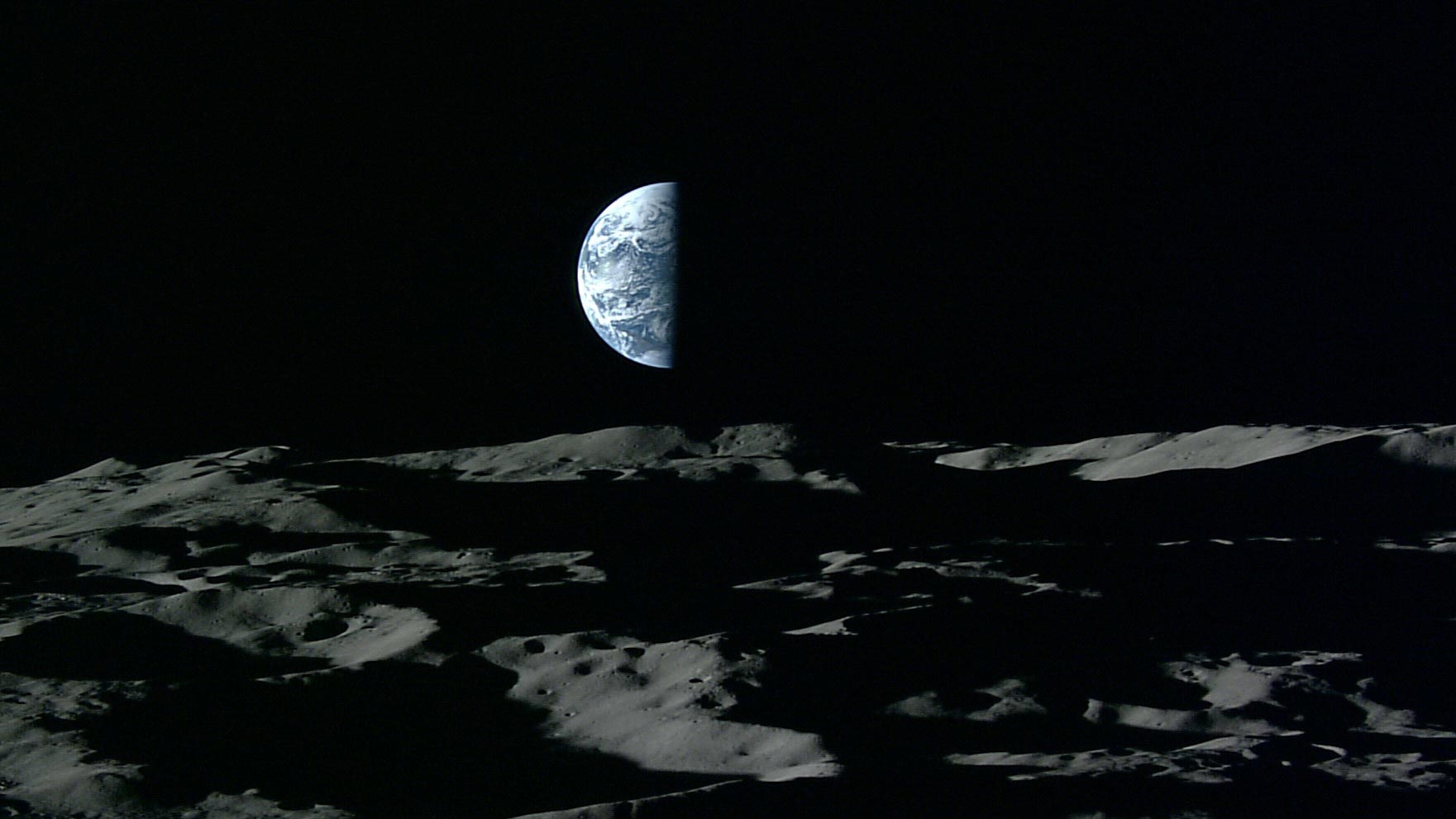
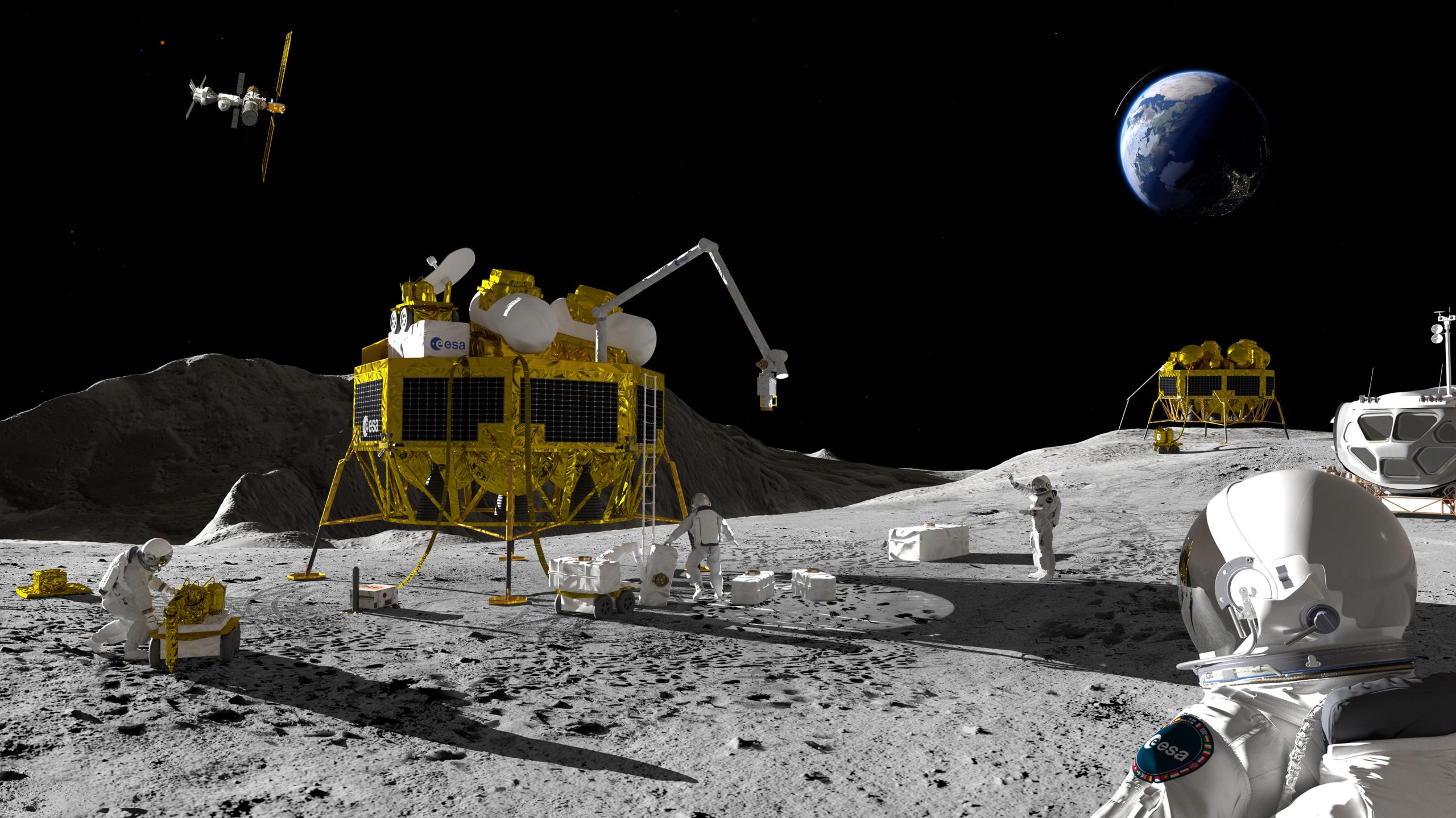
A new era of lunar exploration is on the rise, with dozens of Moon missions planned for the coming decade. Europe is in the forefront here, contributing to building the Gateway lunar station and the Orion spacecraft – set to return humans to our natural satellite – as well as developing its large logistic lunar lander, known as Argonaut. As dozens of missions will be operating on and around the Moon and will need to communicate together and fix their positions independently from Earth, this new era will require its own time.
Accordingly, space organizations have started considering how to keep time on the Moon. Having begun with a meeting at ESA’s ESTEC technology center in the Netherlands last November, the discussion is part of a larger effort to agree a common ‘LunaNet’ architecture covering lunar communication and navigation services.
Architecture for Joint Lunar Exploration
“LunaNet is a framework of mutually agreed-upon standards, protocols, and interface requirements allowing future lunar missions to work together, conceptually similar to what we did on Earth for joint use of GPS and Galileo,” explains Javier Ventura-Traveset, ESA’s Moonlight Navigation Manager, coordinating ESA contributions to LunaNet. “Now, in the lunar context, we have the opportunity to agree on our interoperability approach from the very beginning, before the systems are actually implemented.”
Timing is a crucial element, adds ESA navigation system engineer Pietro Giordano: “During this meeting at ESTEC, we agreed on the importance and urgency of defining a common lunar reference time, which is internationally accepted and towards which all lunar systems and users may refer to. A joint international effort is now being launched towards achieving this.”
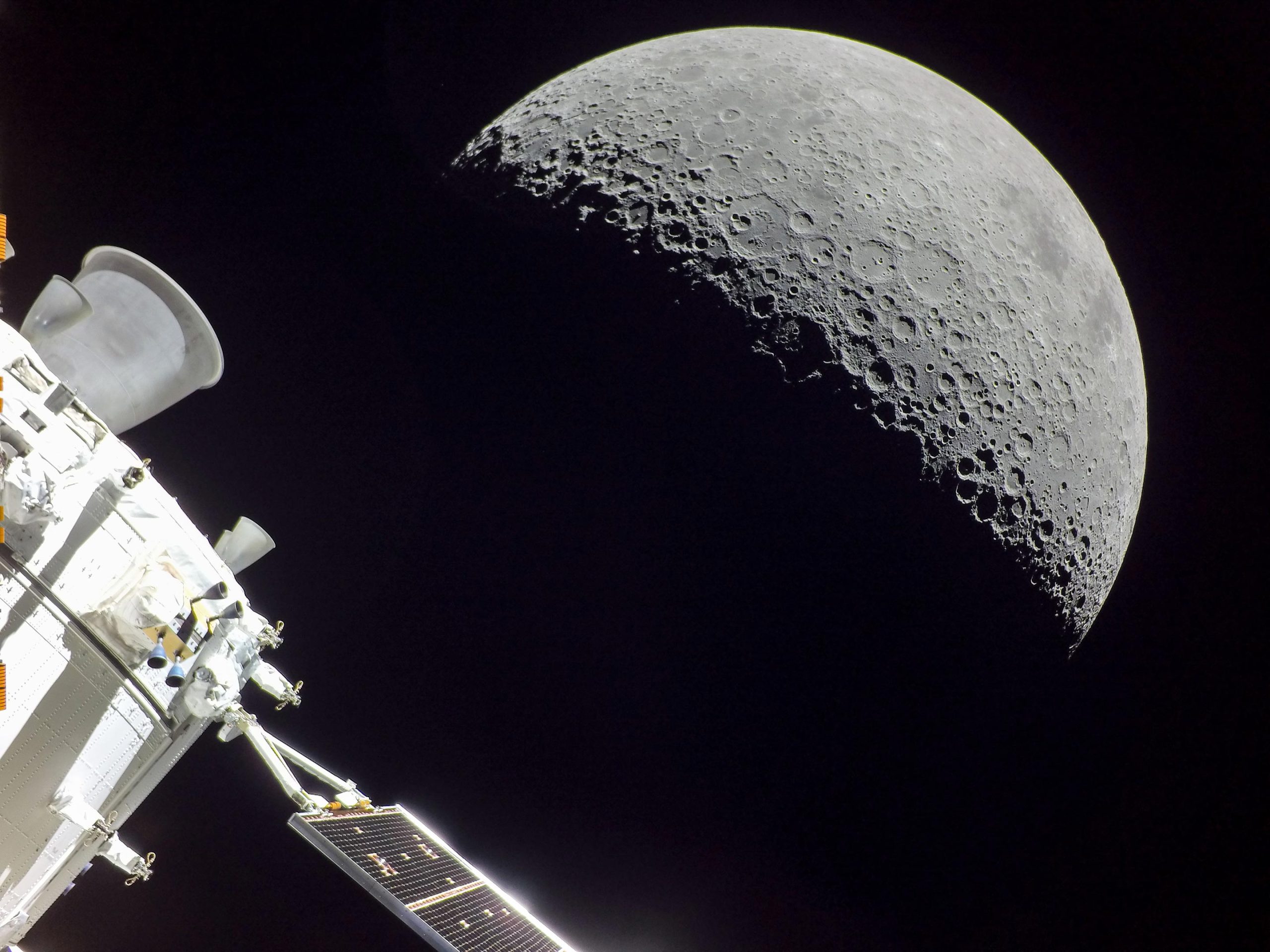
The rise in lunar missions necessitates a shared lunar time system, prompting international collaboration to create a unified framework for communication and navigation through the LunaNet initiative.
Up until now, each new mission to the Moon is operated on its own timescale exported from Earth, with deep space antennas used to keep onboard chronometers synchronized with terrestrial time at the same time as they facilitate two-way communications. This way of working will not be sustainable however in the coming lunar environment.
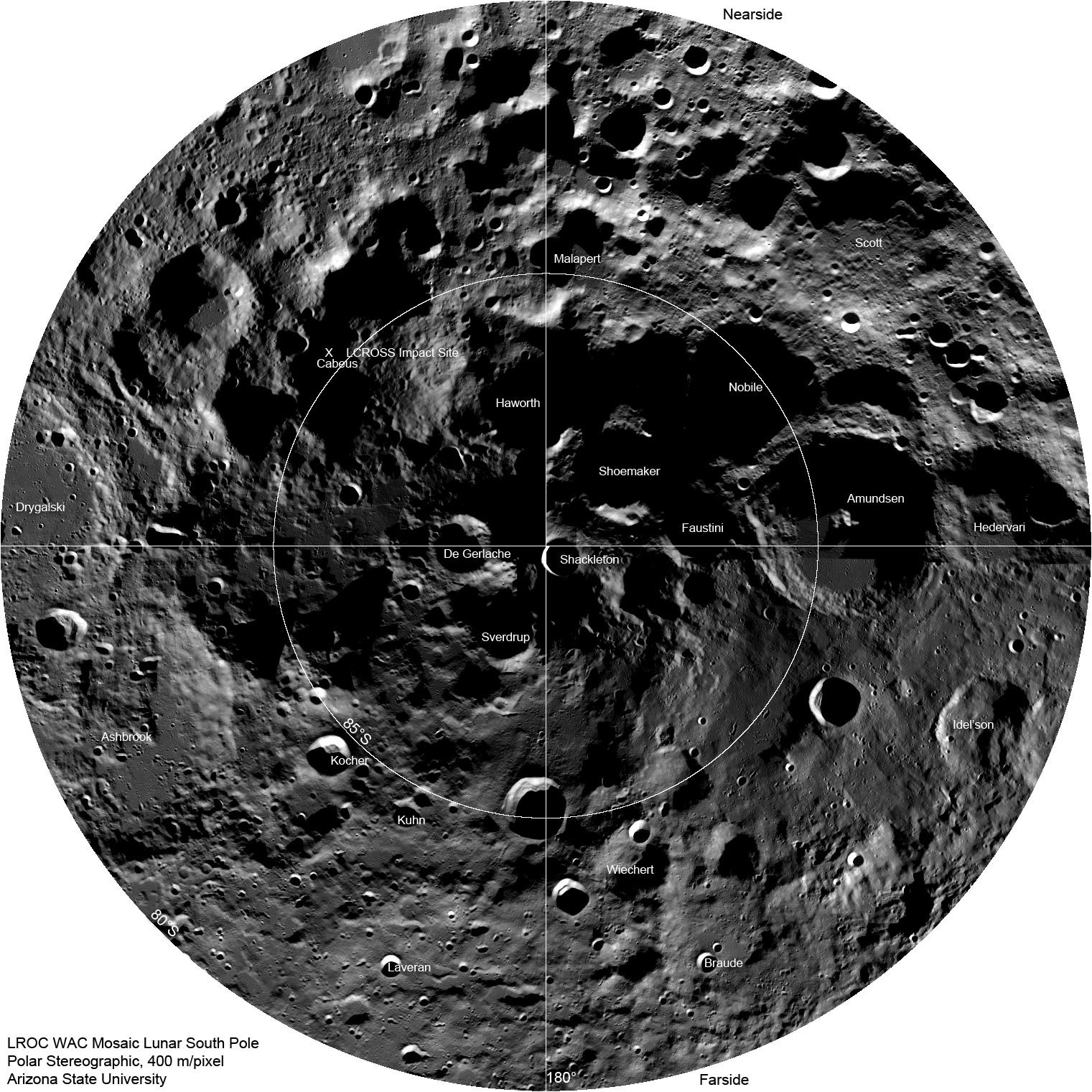
Once complete, the Gateway station will be open to astronaut stays, resupplied through regular NASA Artemis launches, progressing to a human return to the lunar surface, culminating in a crewed base near the lunar south pole. Meanwhile, numerous uncrewed missions will also be in place – each Artemis mission alone will release numerous lunar CubeSats – and ESA will be putting down its Argonaut European Large Logistics Lander.
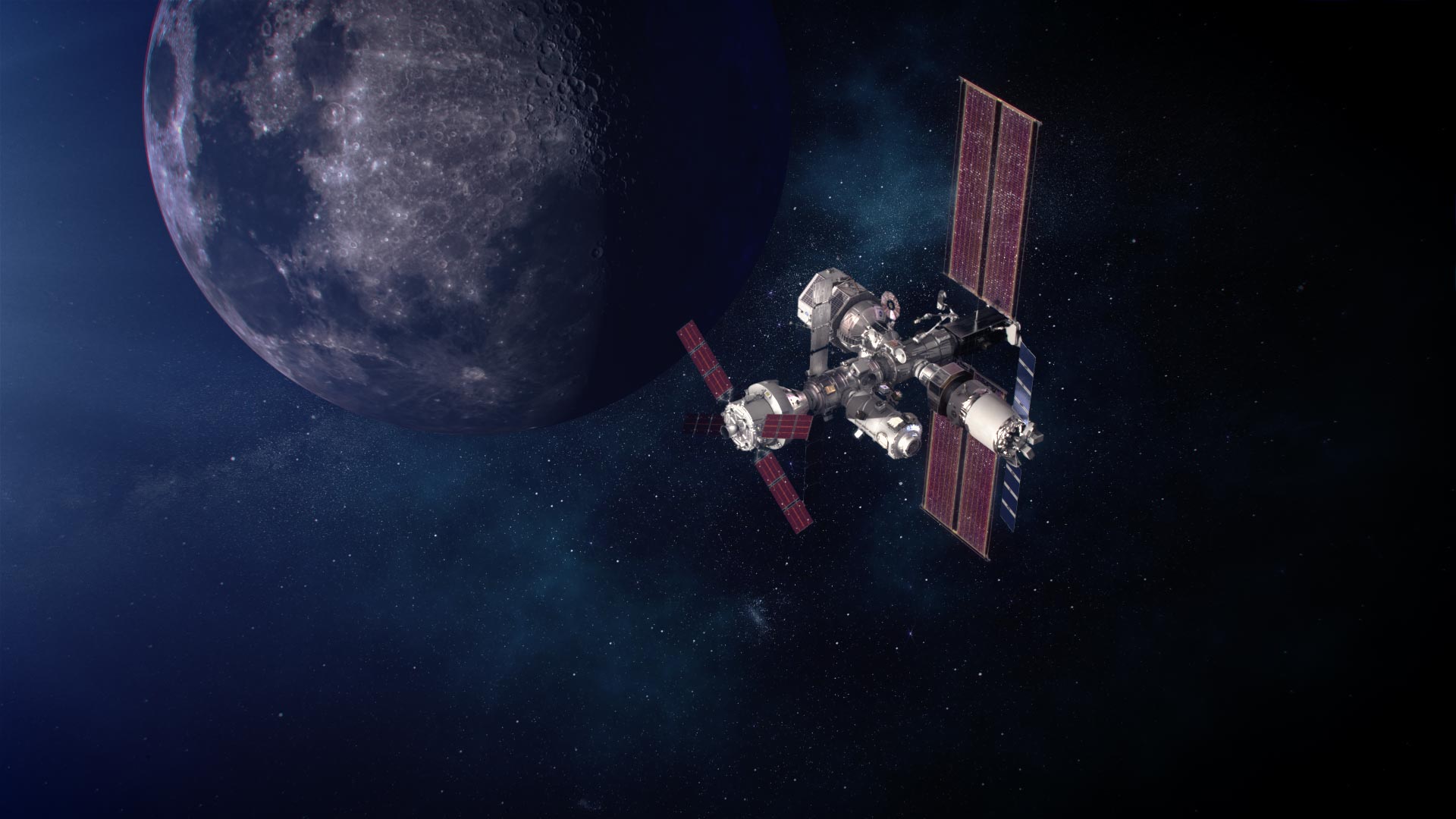
These missions will not only be on or around the Moon at the same time, but they will often be interacting as well – potentially relaying communications for one another, performing joint observations or carrying out rendezvous operations.
Moonlight Satellites on the Way
“Looking ahead to lunar exploration of the future, ESA is developing through its Moonlight program a lunar communications and navigation service,” explains Wael-El Daly, system engineer for Moonlight. “This will allow missions to maintain links to and from Earth, and guide them on their way around the moon and on the surface, allowing them to focus on their core tasks. But also, Moonlight will need a shared common timescale in order to get missions linked up and to facilitate position fixes.”
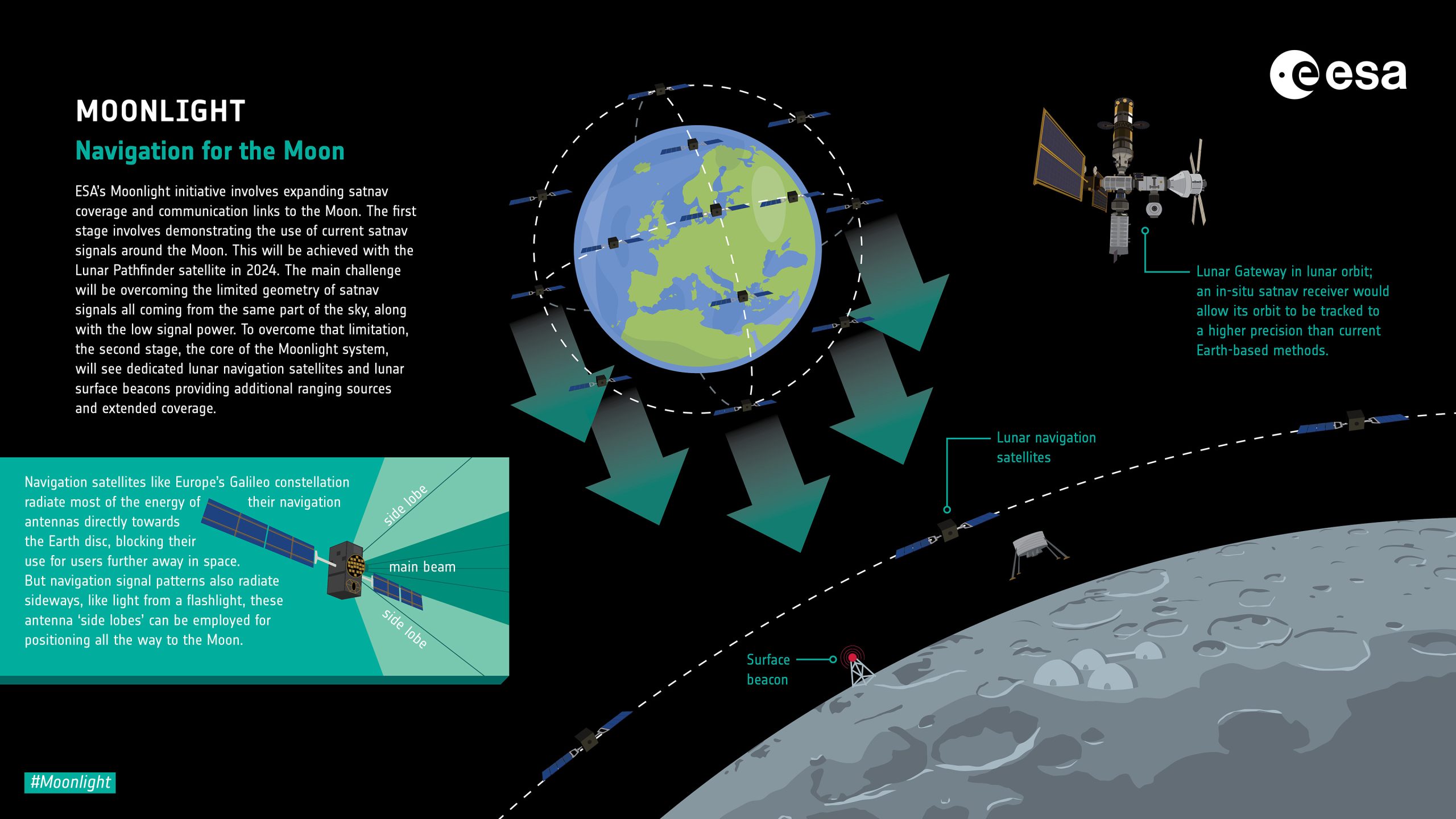
And Moonlight will be joined in lunar orbit by an equivalent service sponsored by NASA – the Lunar Communications Relay and Navigation System. To maximize interoperability these two systems should employ the same timescale, along with the many other crewed and uncrewed missions they will support.
Fixing Time to Fix Position
Jörg Hahn, ESA’s chief Galileo engineer and also advising on lunar time aspects comments: “Interoperability of time and geodetic reference frames has been successfully achieved here on Earth for Global Navigation Satellite Systems; all of today’s smartphones are able to make use of existing GNSS to compute a user position down to a meter or even decimeter level.
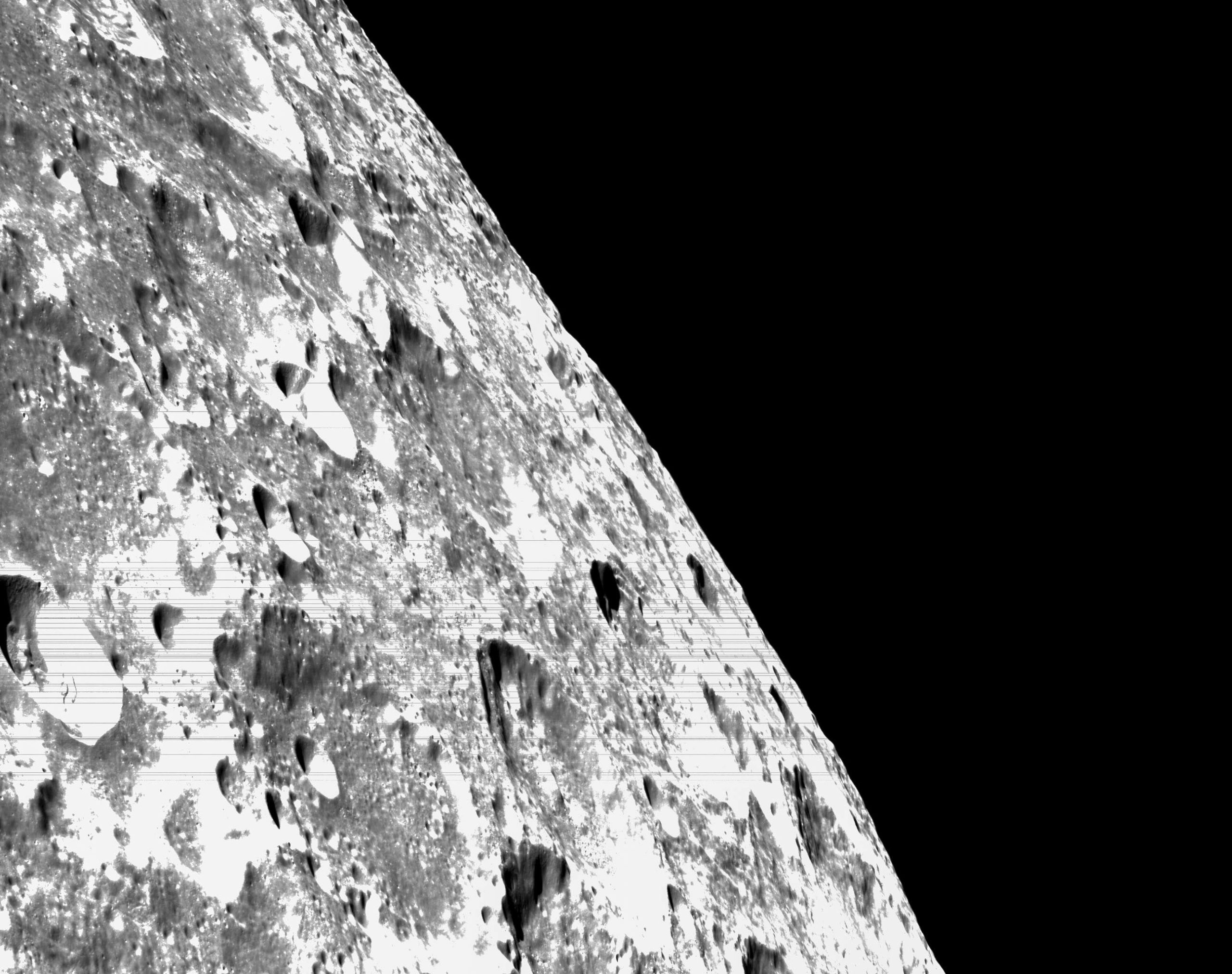
“The experience of this success can be re-used for the technical long-term lunar systems to come, even though stable timekeeping on the Moon will throw up its own unique challenges – such as taking into account the fact that time passes at a different rate there due to the Moon’s specific gravity and velocity effects.”
Setting Global Time
Accurate navigation demands rigorous timekeeping. This is because a satnav receiver determines its location by converting the times that multiple satellite signals take to reach it into measures of distance – multiplying time by the speed of light.
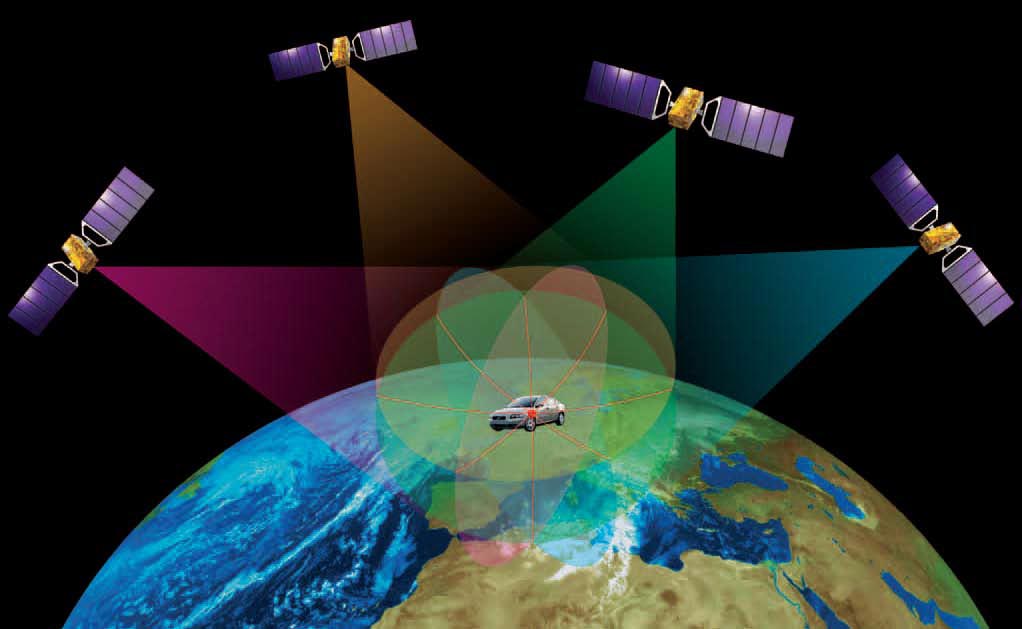
By calculating the length of time it takes for each signal to reach your receiver, the receiver builds up a three-dimensional picture of your position – longitude, latitude, and altitude – relative to the satellites. Future receivers will be able to track Galileo satellites in addition to US and Russian navigation satellites, providing meter-scale positioning accuracy almost anywhere on or even off Earth: satnav is also heavily used by satellites.
Credit: ESA
All the terrestrial satellite navigation systems, such as Europe’s Galileo or the United States’ GPS, run on their own distinct timing systems, but these possess fixed offsets relative to each other down to a few billionths of a second, and also to the UTC Universal Coordinated Time global standard.
The replacement for Greenwich Mean Time, UTC is part of all our daily lives: it is the timing used for Internet, banking, and aviation standards as well as precise scientific experiments, maintained by the Paris-based Bureau International de Poids et Mesures (BIPM).
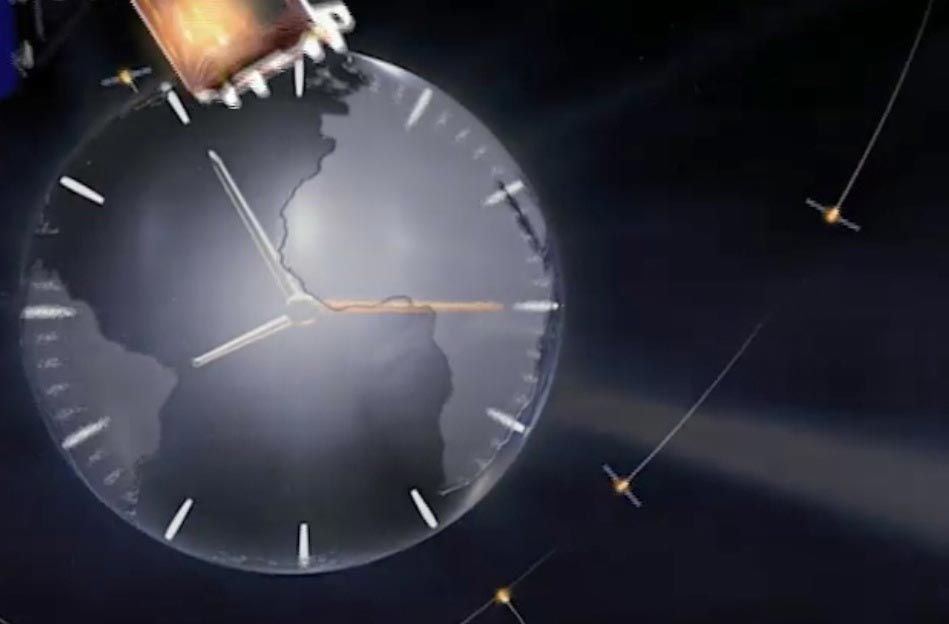
The BIPM computes UTC based on inputs from collections of atomic clocks maintained by institutions around the world, including ESA’s ESTEC technical center in Noordwijk, the Netherlands, and the ESOC mission control center in Darmstadt, Germany.
Designing Lunar Chronology
Among the current topics under debate is whether a single organization should similarly be responsible for setting and maintaining lunar time. And also, whether lunar time should be set on an independent basis on the Moon or kept synchronized with Earth.
The international team working on the subject will face considerable technical issues. For example, clocks on the Moon run faster than their terrestrial equivalents – gaining around 56 microseconds or millionths of a second per day. Their exact rate depends on their position on the Moon, ticking differently on the lunar surface than from orbit.
“Of course, the agreed time system will also have to be practical for astronauts,” explains Bernhard Hufenbach, a member of the Moonlight Management Team from ESA’s Directorate of Human and Robotic Exploration. “This will be quite a challenge on a planetary surface where in the equatorial region each day is 29.5 days long, including freezing fortnight-long lunar nights, with the whole of Earth just a small blue circle in the dark sky. But having established a working time system for the Moon, we can go on to do the same for other planetary destinations.”
Finally, to work together properly, the international community will also have to settle on a common ‘selenocentric reference frame’, similar to the role played on Earth by the International Terrestrial Reference Frame, allowing the consistent measurement of precise distances between points across our planet. Suitably customized reference frames are essential ingredients of today’s GNSS systems.
“Throughout human history, exploration has actually been a key driver of improved timekeeping and geodetic reference models,” adds Javier. “It is certainly an exciting time to do that now for the Moon, working towards defining an internationally agreed timescale and a common selenocentric reference, which will not only ensure interoperability between the different lunar navigation systems, but which will also foster a large number of research opportunities and applications in cislunar space.”
Never miss a breakthrough: Join the SciTechDaily newsletter.
Follow us on Google and Google News.