
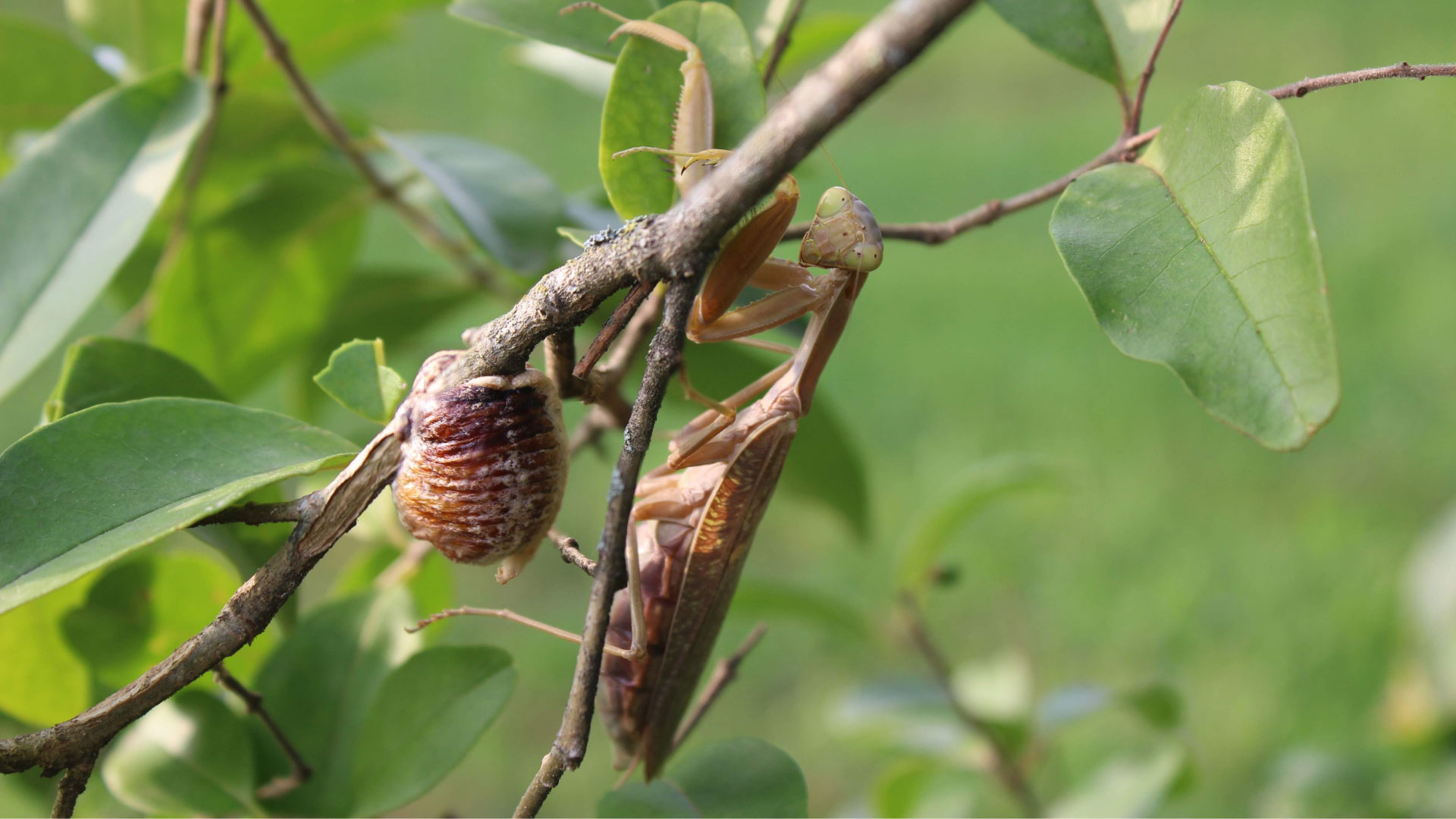
These mantises are increasingly posing a threat to local biodiversity through intense predation and competition for reproduction.
Few insects capture attention quite like the mantis. Across cultures and history, these distinctive predators have appeared in folklore as both guiding spirits and ominous figures, reflecting the fascination they continue to inspire today.
They also play an important ecological role. Native mantises are considered reliable indicators of biodiversity, often signaling healthy and diverse ecosystems where they naturally occur.
Invasive mantises threaten native ecosystems
A recent study published in the open-access Journal of Orthoptera Research has revealed a concerning shift. Two mantis species now present in Europe, Hierodula tenuidentata and Hierodula patellifera, have been officially classified as Invasive Alien Species (IAS).
Hierodula patellifera eating a wasp and a bee at the same time. Credit: Roberto Battiston
This designation points to a growing ecological risk, as species that normally help indicate ecosystem health may now contribute to its disruption.
The study, led by Roberto Battiston of the Museum of Archaeology and Natural Sciences “G. Zannato,” examined how these Asian-native mantises are affecting European ecosystems, an issue that had not been thoroughly studied before.
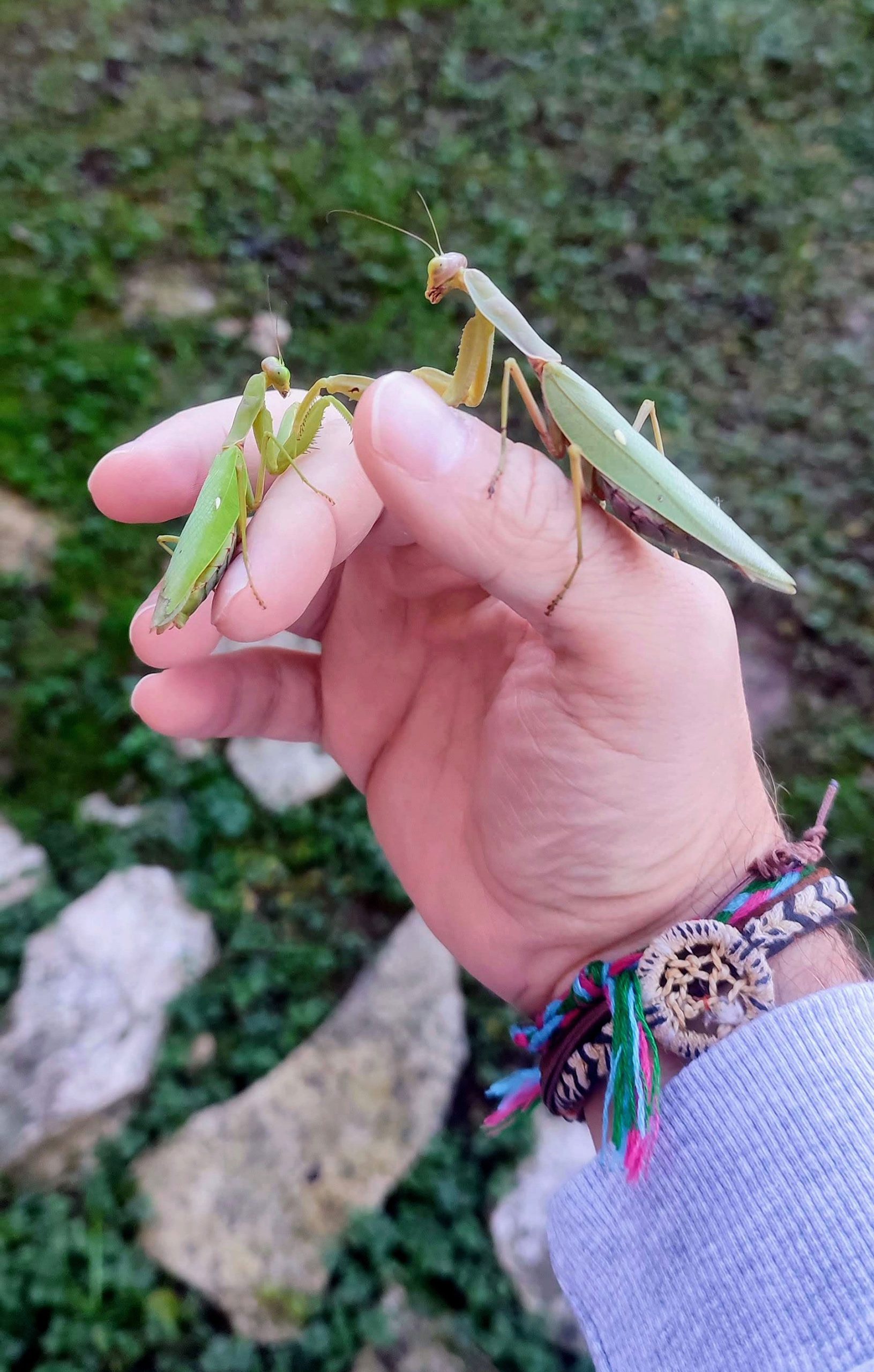
Battiston notes that these mantises have been present in Europe for roughly ten years, but their populations have increased rapidly in both Mediterranean and continental regions.
“They are pushing increasingly further north, thanks to climate change,” Battiston explains, noting that viable populations are now frequently spotted by the public in local parks and gardens. Because they are large and fascinating, they often inspire more curiosity than concern, with members of the public frequently wondering if these striking insects are a positive sign for their local environment.
“This study was born to give people those answers and to develop strategies to contain them.”
Rapid reproduction drives population growth
Both Hierodula tenuidentata and Hierodula patellifera are tree-dwelling predators with strong adaptability and high reproductive output. Each egg case can produce about 200 young, nearly twice the number produced by the native European mantis (Mantis religiosa). Combined with a relatively low level of cannibalism among juveniles, this allows their populations to expand quickly.
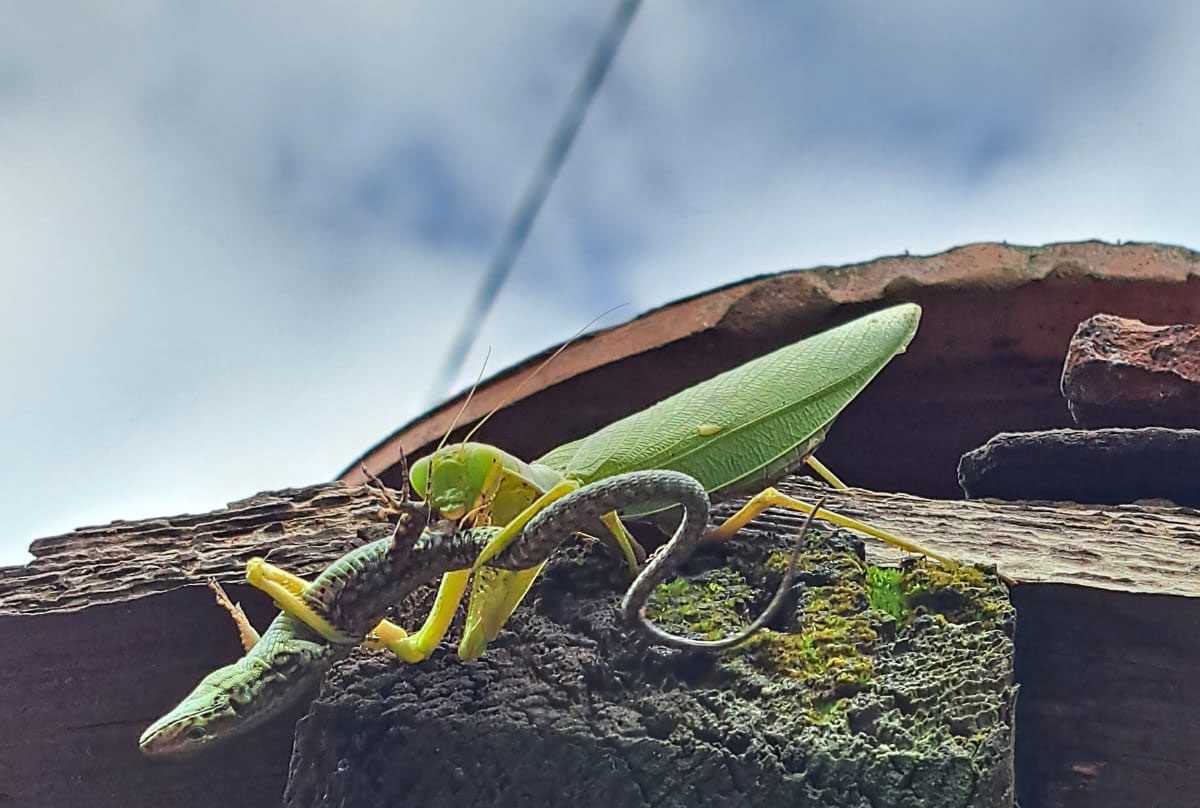
Their impact extends beyond sheer numbers. These mantises can disrupt native populations by attracting local males into mating attempts that end in predation. They also feed on a broad range of species, including key pollinators such as honeybees and small protected vertebrates like lizards and tree frogs. These interactions highlight the urgency of assessing their ecological effects, particularly in biodiversity-rich Mediterranean islands.
Urban environments accelerate spread
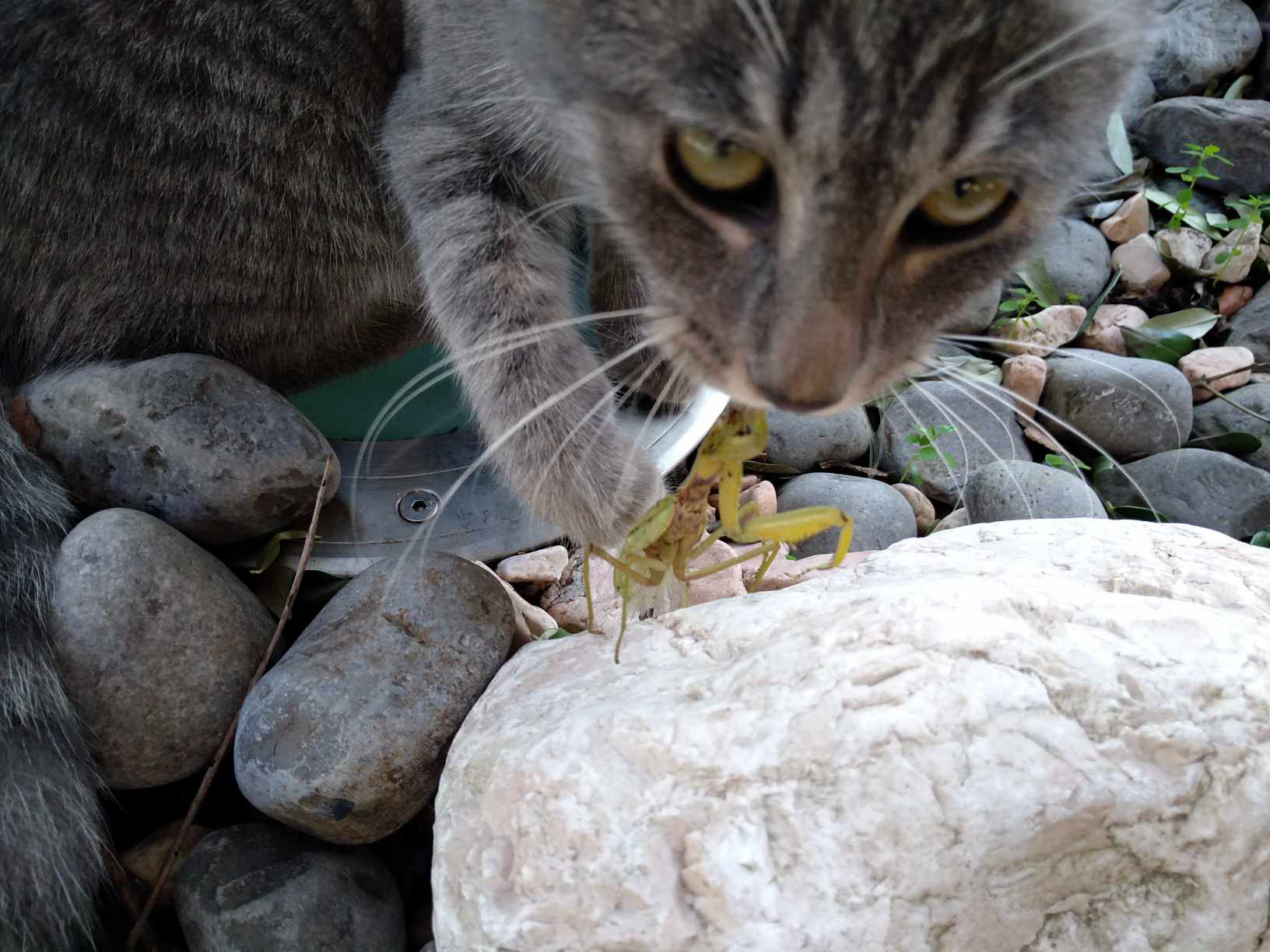
Observations show that domestic cats are currently the main vertebrate predator of these invasive mantises, responsible for 45% of recorded predation events. However, Battiston points out that cats do not distinguish between invasive and native species, meaning they can also reduce already declining native mantis populations.
Urban and suburban environments appear to play a major role in the spread of these species. Artificial structures such as insect hotels provide concentrated hunting areas, while urban heat islands allow mantises to survive longer during colder periods. By taking advantage of these human-created conditions, the insects are expanding beyond their typical environmental limits.
Citizen science enables early detection
Efforts to monitor and manage the spread of these mantises are increasingly relying on public participation. Battiston highlights a large-scale citizen science initiative:
“My colleagues William di Pietro and Antonio Fasano (GRIO) have managed to set up a huge citizen science project and collect over 2,300 reports from enthusiasts and citizens. Citizen science is a fundamental tool not only for monitoring but also for raising awareness and informing people in an active and participatory way about these issues.”

In addition to reporting sightings, members of the public can help control populations during winter, when trees and shrubs are bare, and egg cases are easier to spot. These oothecae, which appear as brown, sponge-like structures about 2 to 3 cm in size, can be removed. However, Battiston stresses the importance of consulting experts first to avoid removing native species by mistake.
The spread of these Asian mantises illustrates how human activity can alter ecological boundaries and introduce new pressures on native biodiversity. As these species continue to establish themselves across Europe, coordinated monitoring and community involvement will be essential to limit their impact and protect native ecosystems.
Reference: “Call me invasive: Testing the first impacts of the alien mantises Hierodula patellifera and Hierodula tenuidentata on European biodiversity” by Roberto Battiston, William Di Pietro, Federico Boscato and Antonio Fasano, 9 February 2026, Journal of Orthoptera Research.
DOI: 10.3897/jor.35.165233
Never miss a breakthrough: Join the SciTechDaily newsletter.
Follow us on Google and Google News.