
Close Menu
    Facebook X (Twitter) Instagram
    SciTechDaily
    • Biology
    • Chemistry
    • Earth
    • Health
    • Physics
    • Science
    • Space
    • Technology
    Facebook X (Twitter) Pinterest YouTube RSS
    SciTechDaily
    Home»Health»H5N1 Bird Flu Detected in Texas Wastewater: Animal Origins Suspected
    Health

    H5N1 Bird Flu Detected in Texas Wastewater: Animal Origins Suspected

    By University of Texas Health Science Center at HoustonSeptember 19, 2024No Comments3 Mins Read
    Facebook Twitter Pinterest Telegram LinkedIn WhatsApp Email Reddit
    Share
    Facebook Twitter LinkedIn Pinterest Telegram Email Reddit
    Bird Flu Virus
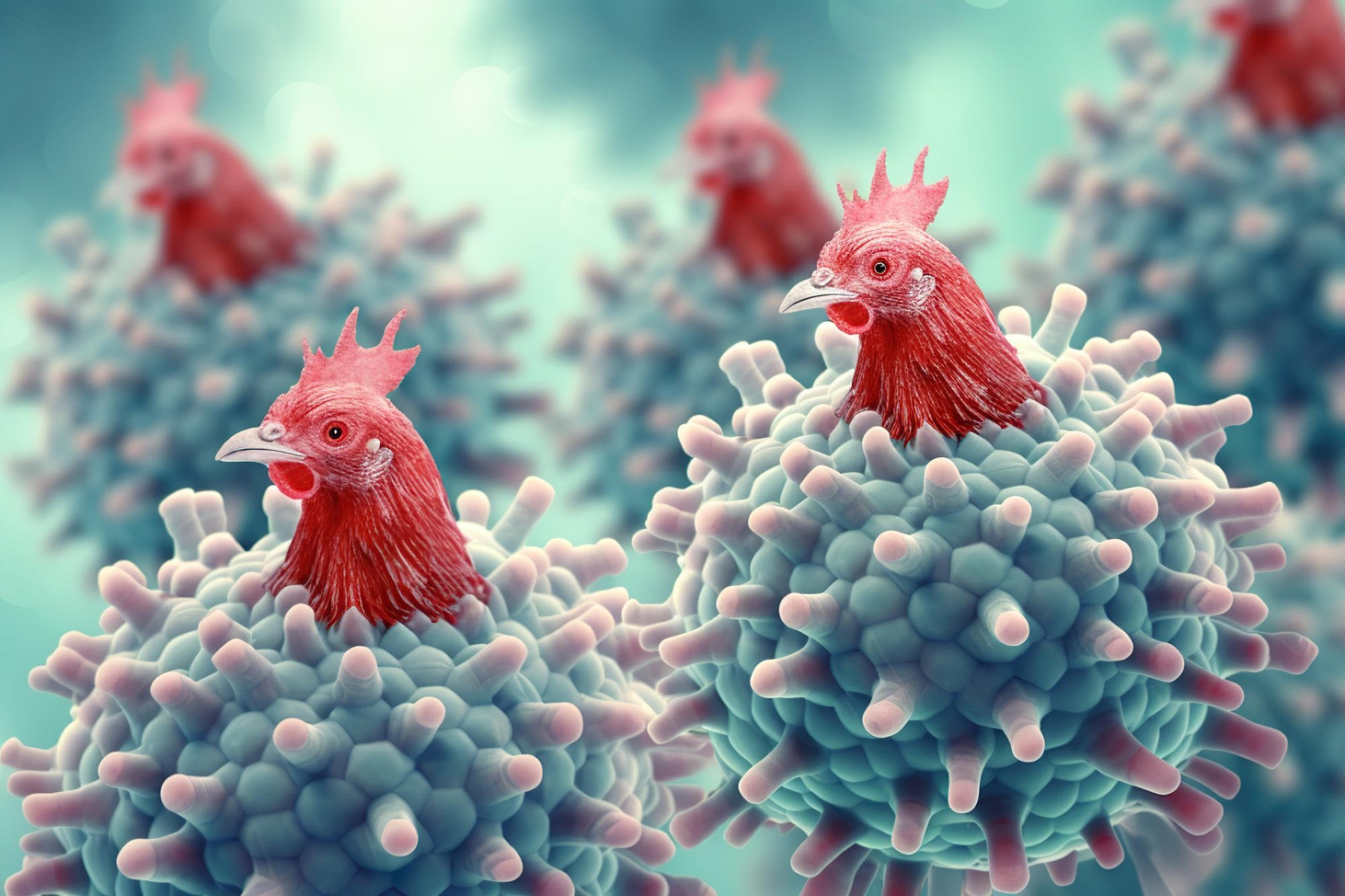
    Avian influenza A(H5N1) was identified in 14 individuals and detected in wastewater from 10 cities in Texas, researched by UTHealth Houston and Baylor College of Medicine using virome sequencing, which analyzes the collection of viruses present. Credit: SciTechDaily.com

    Researchers in Texas detected H5N1 in wastewater from 10 cities, but the risk to humans is currently low. Ongoing surveillance is critical to monitor any potential changes in the virus that could increase its threat to public health.

    Researchers at UTHealth Houston and Baylor College of Medicine detected the avian influenza A(H5N1) virus in the wastewater of 10 Texas cities using virome sequencing. This virus, which has spread to cattle and infected 14 people this year, was identified in the diverse collection of viruses found in these wastewater samples.

    The information was published in the New England Journal of Medicine.

    Until March 2024, H5N1 had not been detected in 1,337 wastewater samples analyzed by the team. But from March 4 to July 15 (the end of data collection for this article), H5N1 was detected in 10 of 10 cities, 22 of 23 sites, and 100 of 399 samples.

    However, the abundance of H5N1 in wastewater samples collected over time did not correlate with influenza-related hospitalizations over the same time period, so the risk to the public was extremely low.
    Wastewater Collection El Paso
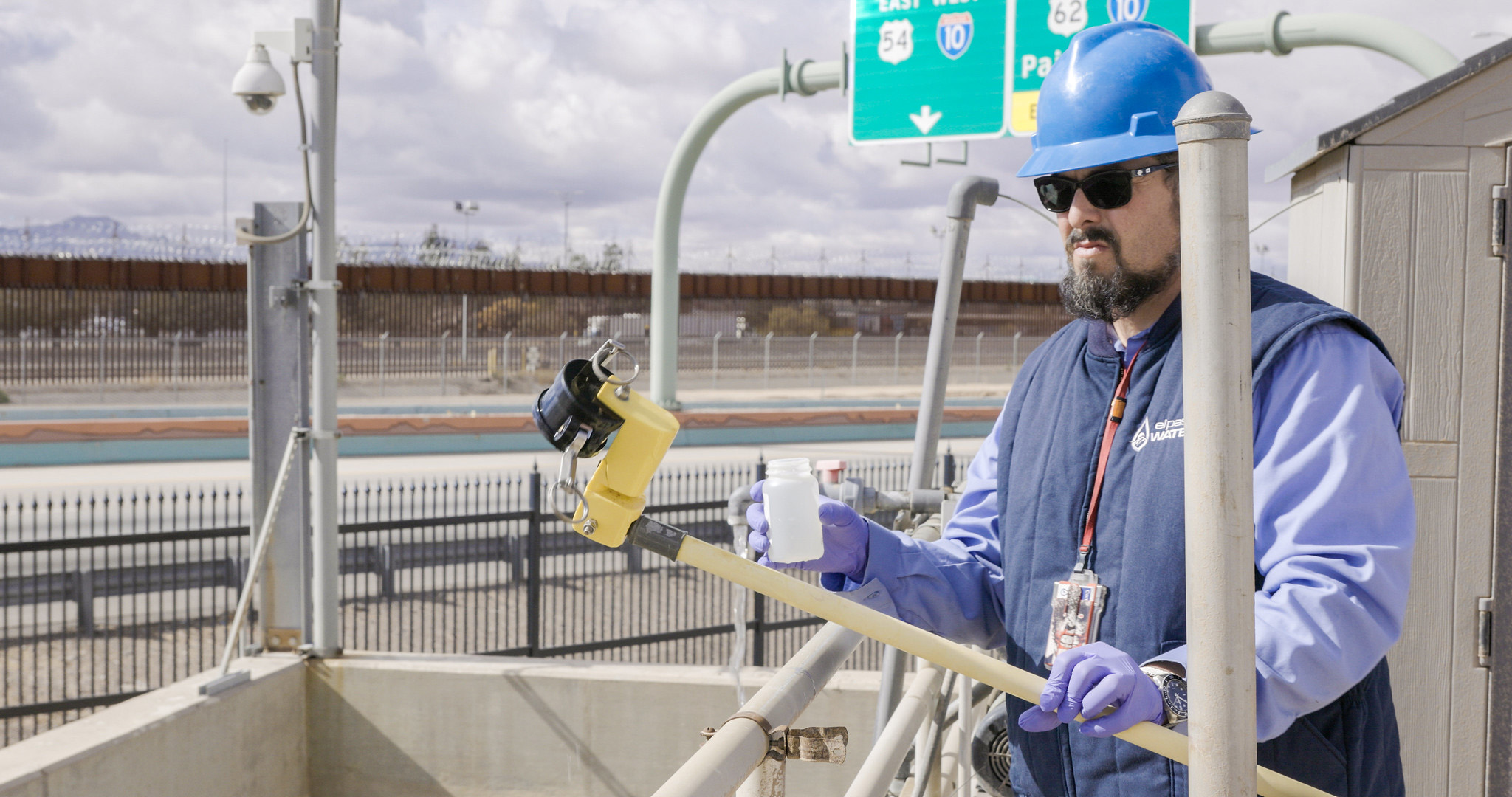
    A worker at an El Paso Water Utility facility collects samples of wastewater prior to sending them to researchers at Baylor College of Medicine for analysis. Credit: TEPHI/Texas Epidemic Public Health Institute

    Wastewater Testing Program and Virus Surveillance

    UTHealth Houston and Baylor established the wastewater testing program as part of the Texas Epidemic Public Health Institute (TEPHI).

    The sequencing protocol used by the team can detect genetic changes that might indicate an adaptation of the virus to mammals, perhaps even humans. Lack of clinical burden in humans and genomic information suggested that the source of the virus load found in wastewater during that time span came from animal origins. But continued surveillance is critical for monitoring any evolutionary adaptations that would indicate the potential for it to jump to humans, the researchers concluded.

    Lead authors of the journal letter were Michael J. Tisza, PhD, assistant professor of molecular virology and microbiology at Baylor; Blake Hanson, PhD, assistant professor in the Center for Infectious Diseases at UTHealth Houston School of Public Health; Eric Boerwinkle, PhD, director of TEPHI and the dean, Kozmetsky Family Chair in Human Genetics, and M. David Low Chair in Public Health of the School of Public Health; and Anthony W. Maresso, PhD, the Joseph L. Melnick Chair of Virology at Baylor. Boerwinkle and Hanson are also members of The University of Texas MD Anderson Cancer Center UTHealth Houston Graduate School of Biomedical Sciences.

    The team detects viruses in wastewater by using a viral probe capture set targeting thousands of viral species or variants. Since May 2022, TEPHI has detected more than 400 human and animal viruses, several of which (SARS-CoV-2, influenza, and mpox) have correlated to clinical case data in the population.

    Reference: “Sequencing-Based Detection of Avian Influenza A(H5N1) Virus in Wastewater in Ten Cities” by Michael J. Tisza, Blake M. Hanson, Justin R. Clark, Li Wang, Katelyn Payne, Matthew C. Ross, Kristina D. Mena, Anna Gitter, Sara J. Javornik Cregeen, Juwan Cormier, Vasanthi Avadhanula, Austen Terwilliger, John Balliew, Fuqing Wu, Janelle Rios, Jennifer Deegan, Pedro A. Piedra, Joseph F. Petrosino, Eric Boerwinkle and Anthony W. Maresso, 10 September 2024, New England Journal of Medicine.
    DOI: 10.1056/NEJMc2405937

    Never miss a breakthrough: Join the SciTechDaily newsletter.
    Follow us on Google and Google News.

    Avian Flu Public Health University of Texas Wastewater
    Share. Facebook Twitter Pinterest LinkedIn Email Reddit

    Related Articles

    Bath Salts Epidemic: Pentylone Use Surges by 75%, Experts Warn

    Eating Beans Could Aid in Cancer Prevention and Treatment

    WHO Warning: Ongoing Bird Flu Outbreaks in Animals Pose Risk to Humans

    Will the Largest Bird Flu Outbreak in History Lead to a Human Pandemic?

    A Hidden Hazard: Antibiotic Residues in Water Pose a Threat to Human Health

    Highly Pathogenic Avian Influenza Outbreak: Watch Out for These “Super Spreader” Bird Species

    Natural COVID-19 Antibodies in Children Last for at Least Seven Months

    18 Months of the COVID-19 Pandemic – Are We Doing Anything Right?

    Innovative New Way To Detect the SARS-CoV-2 Alpha Variant in Wastewater

    Leave A Reply Cancel Reply

    • Facebook
    • Twitter
    • Pinterest
    • YouTube

    Don't Miss a Discovery

    Subscribe for the Latest in Science & Tech!

    Trending News

    Researchers Have Found a Dietary Compound That Increases Longevity

    Scientists Baffled by Bizarre “Living Fossil” From 275 Million Years Ago

    Your IQ at 23 Could Predict Your Wealth at 27, Study Finds

    320 Light-Years Away, a Planet Confirms a Fundamental Cosmic Assumption

    The Crown Jewel of Dentistry? Breakthrough Tech Could Transform Tooth Repair

    Python Blood Could Hold the Secret to Weight Loss Without Side Effects

    Naturally Occurring Bacteria Completely Eradicate Tumors in Mice With a Single Dose

    New “Nanozyme Hypothesis” Could Rewrite the Story of Life’s Origins

    Follow SciTechDaily
    • Facebook
    • Twitter
    • YouTube
    • Pinterest
    • Newsletter
    • RSS
    SciTech News
    • Biology News
    • Chemistry News
    • Earth News
    • Health News
    • Physics News
    • Science News
    • Space News
    • Technology News
    Recent Posts
    • 34-Million-Year-Old Snake Found in Wyoming Rewrites Our Understanding of Evolution
    • Prehistoric “Vomit Fossil” Reveals Never-Before-Seen Flying Reptile
    • Scientists Discover Bizarre Crocodile Relative That Walked on Two Legs
    • How Quantum Mechanics Went From Baffling Theory to Revolutionizing Modern Technology
    • Scientists May Have Found the Key to Jupiter and Saturn’s Moon Mystery
    Copyright © 1998 - 2026 SciTechDaily. All Rights Reserved.
    • Science News
    • About
    • Contact
    • Editorial Board
    • Privacy Policy
    • Terms of Use

    Type above and press Enter to search. Press Esc to cancel.