
Close Menu
    Facebook X (Twitter) Instagram
    SciTechDaily
    • Biology
    • Chemistry
    • Earth
    • Health
    • Physics
    • Science
    • Space
    • Technology
    Facebook X (Twitter) Pinterest YouTube RSS
    SciTechDaily
    Home»Space»Heart Beats and Space Feats: ISS Astronauts’ Latest Challenge
    Space

    Heart Beats and Space Feats: ISS Astronauts’ Latest Challenge

    By NASAJune 21, 2024No Comments3 Mins Read
    Facebook Twitter Pinterest Telegram LinkedIn WhatsApp Email Reddit
    Share
    Facebook Twitter LinkedIn Pinterest Telegram Email Reddit
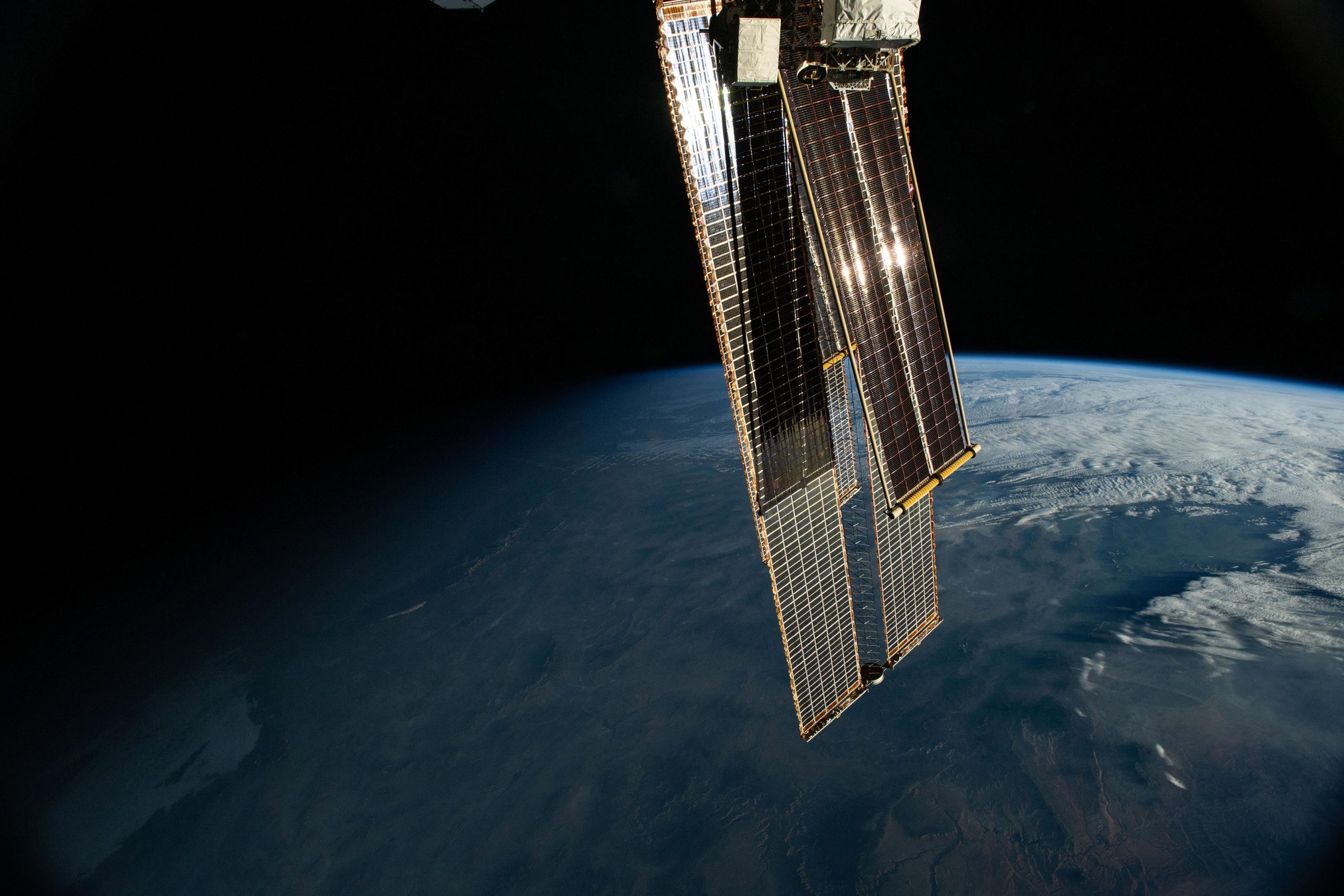
    First Rays of an Orbital Sunrise Reflect off the Space Station’s Roll-Out Solar Arrays
    The first rays of an orbital sunrise reflect off the International Space Station’s roll-out solar arrays that overshadow and augment the orbital outpost’s main solar arrays. The space station was soaring 260 miles above Arizona northeast of Phoenix at the time of this photograph. Credit: NASA

    Crew members aboard the International Space Station are gearing up for a spacewalk to perform radio hardware removal and microbial sampling. Concurrently, they are involved in significant maintenance tasks and cardiac research to study the effects of long-term weightlessness on the heart.

    The two crews living and working aboard the International Space Station (ISS) continued gearing up for next week’s science and maintenance spacewalk. The nine space lab inhabitants also focused on long-running heart research and continuous maintenance on orbital lab systems.

    NASA Flight Engineers Tracy C. Dyson and Mike Barratt are getting ready for the first spacewalk of the Expedition 71 mission set to begin at 7 a.m. EDT on Monday, June 24. The suited up duo will exit the depressurized Quest airlock into the vacuum of space for six-and-a-half hours of radio hardware removal tasks and sample collections of microorganisms that may have exited through station vents.
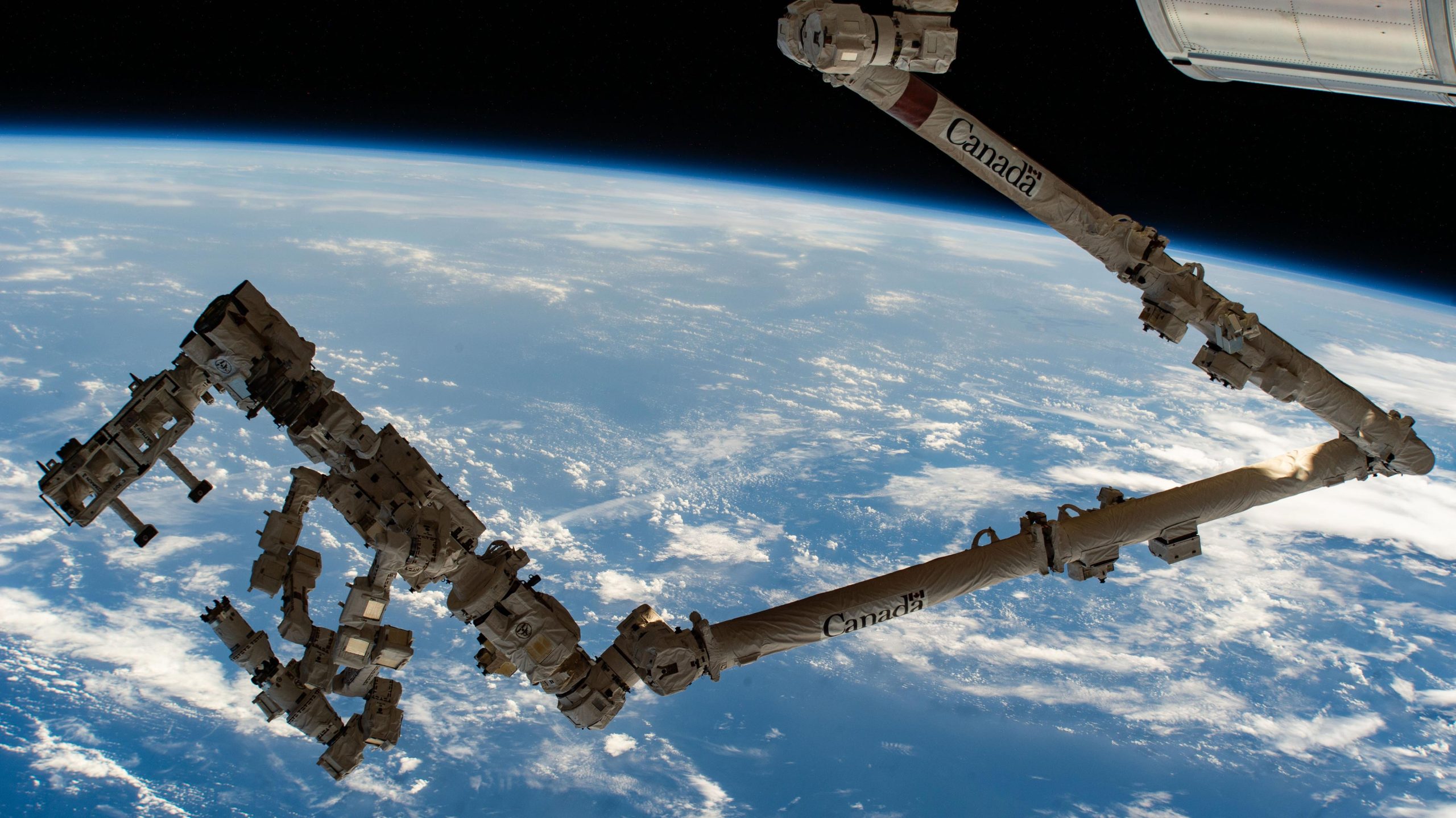
    Canadarm2 Robotic Arm With Dextre Robotic Hand Attached
    The Canadarm2 robotic arm with Dextre, its fine-tuned robotic hand attached, extends from the International Space Station while orbiting 263 miles above the Atlantic Ocean. Credit: NASA

    Robotic Arm Training

    The veteran astronauts joined Matthew Dominick and Jeanette Epps, both first-time NASA flight engineers, studying and practicing the Canadarm2 robotic arm maneuvers necessary to support Monday’s spacewalk. Afterward, the astronaut quartet called down to mission controllers and discussed readiness for the communications hardware and research excursion. This will be Dyson’s fourth career spacewalk since 2010 when she was an Expedition 24 Flight Engineer. This will Barratt’s third spacewalk since 2009 when he was an Expedition 20 Flight Engineer.

    Maintenance and Adjustments Aboard the Station

    NASA astronauts Butch Wilmore and Suni Williams, Commander and Pilot respectively for the Boeing Crew Flight Test, helped tidy up the orbital lab on Thursday and adjusted seats inside the Starliner spacecraft. Wilmore first swapped out thermal gear that protects electronics hardware then refreshed crew provisions inside the orbital outpost. Williams packed trash inside Northrop Grumman’s Cygnus space freighter, swapped out plumbing components, and then exchanged space physics research hardware. The two experienced crewmates also entered Starliner and configured the seats aboard the spacecraft before its upcoming departure.
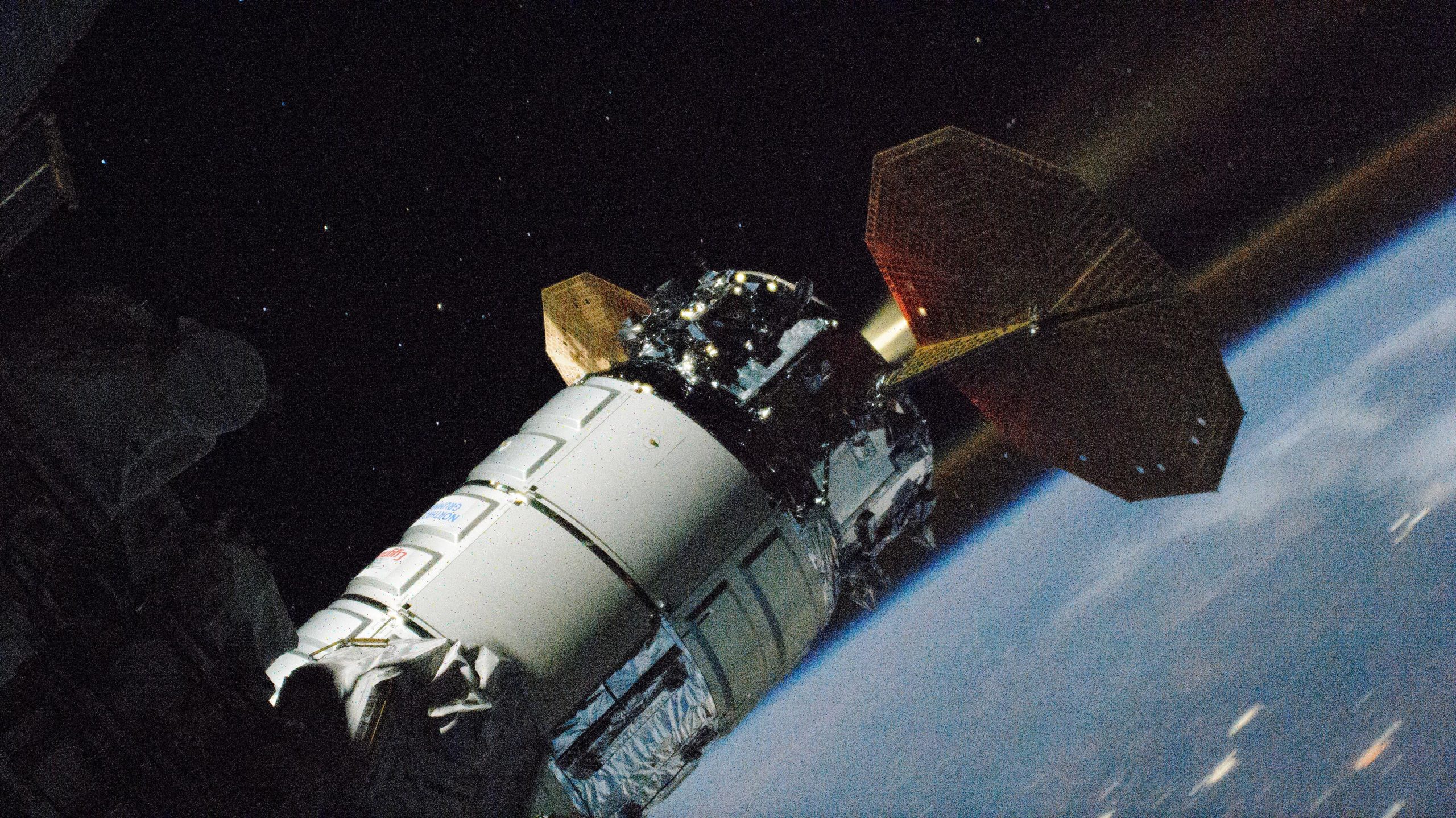
    Cygnus Space Freighter Fires Its Single Engine Boosting the Space Station Orbit
    Northrop Grumman’s Cygnus space freighter, attached to the Unity module, is pictured firing its single engine boosting the International Space Station’s orbital altitude. This long-duration photograph also shows an atmospheric glow hovering above Earth’s horizon. Credit: NASA

    Ongoing Cardiac Research in Space

    Station Commander Oleg Kononenko and Flight Engineer Nikolai Chub took turns on Thursday staying still for a period of time while wearing sensors recording their heart activity. The yearslong Roscosmos space cardiac study is helping researchers understand how the human heart adapts to long-term weightlessness. Flight Engineer Alexander Grebenkin assisted the duo with the heart research, then set up a camera for automated photography of the Earth’s surface, and finally focused on life support maintenance.

    Never miss a breakthrough: Join the SciTechDaily newsletter.
    Follow us on Google and Google News.

    Astronaut Boeing Starliner International Space Station NASA
    Share. Facebook Twitter Pinterest LinkedIn Email Reddit

    Related Articles

    NASA’s Crew-9 Returns After 286-Day Mission With a Spectacular Splashdown in the Gulf of America

    NASA’s SpaceX Crew-9 Splashes Down Off Coast of Florida

    Boeing Starliner’s Hatch Closed – Scheduled for Wednesday Departure

    Space Station Crew Opens Boeing Starliner Hatch, Greet “Rosie the Rocketeer”

    Space Station Crew Awaits Boeing Starliner Mission on Launch Day

    Boeing Starliner Nears Launch As ISS Astronauts Work on Space Botany and Human Research

    Space Station Crew Preps for Boeing Starliner During Human Research and Robotics

    Human Research Underway as Space Station Awaits Boeing Starliner Mission

    Commercial Crew Shake-Up: NASA Reassigns Two Astronauts From Boeing Starliner to SpaceX Crew Dragon

    Leave A Reply Cancel Reply

    • Facebook
    • Twitter
    • Pinterest
    • YouTube

    Don't Miss a Discovery

    Subscribe for the Latest in Science & Tech!

    Trending News

    Your Blood Pressure Reading Could Be Wrong Because of One Simple Mistake

    Astronomers Stunned by Ancient Galaxy With No Spin

    Physicists May Be on the Verge of Discovering “New Physics” at CERN

    Scientists Solve 320-Million-Year Mystery of Reptile Skin Armor

    Scientists Say This Daily Walking Habit May Be the Secret to Keeping Weight Off After Dieting

    New Therapy Rewires the Brain To Restore Joy in Depression Patients

    Giant Squid Detected off Western Australia in Stunning Deep-Sea Discovery

    Popular Sugar-Free Sweetener Linked to Liver Disease, Study Warns

    Follow SciTechDaily
    • Facebook
    • Twitter
    • YouTube
    • Pinterest
    • Newsletter
    • RSS
    SciTech News
    • Biology News
    • Chemistry News
    • Earth News
    • Health News
    • Physics News
    • Science News
    • Space News
    • Technology News
    Recent Posts
    • Key Magic Mushroom Ingredient Increases Laziness and Reduces Aggression
    • Researchers Solve 15-Year Mystery Behind Cancer-Causing Gut Toxin
    • One of the World’s Most Popular Weedkillers May Be Fueling Deadly Superbugs
    • Scientists Create Laser “Whirlpools” That Spin Tiny Cells Without Touching Them
    • Scientists Discover “Hidden” Materials That Could Transform Clean Energy and Batteries
    Copyright © 1998 - 2026 SciTechDaily. All Rights Reserved.
    • Science News
    • About
    • Contact
    • Editorial Board
    • Privacy Policy
    • Terms of Use

    Type above and press Enter to search. Press Esc to cancel.