
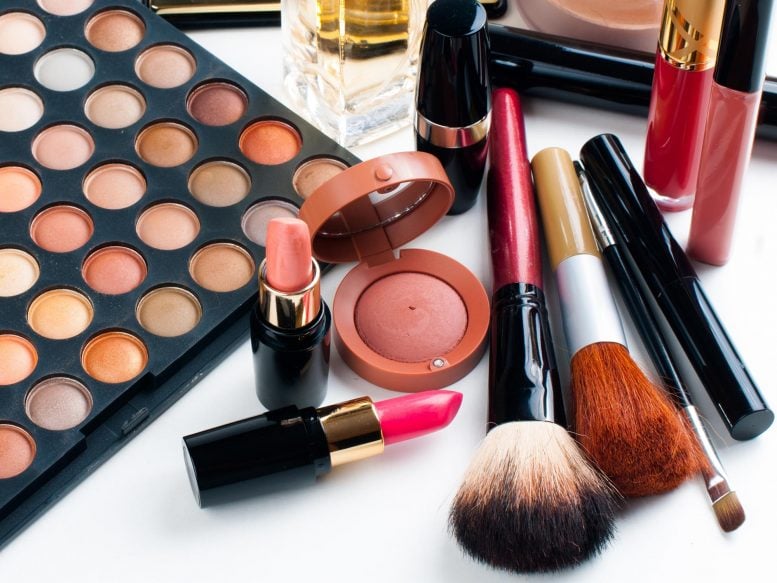
High Levels of Toxic PFAS Found in Cosmetics
Many cosmetics sold in the United States and Canada likely contain high levels of per- and polyfluoroalkyl substances (PFAS), a potentially toxic class of chemicals linked to a number of serious health conditions, according to new research from the University of Notre Dame.
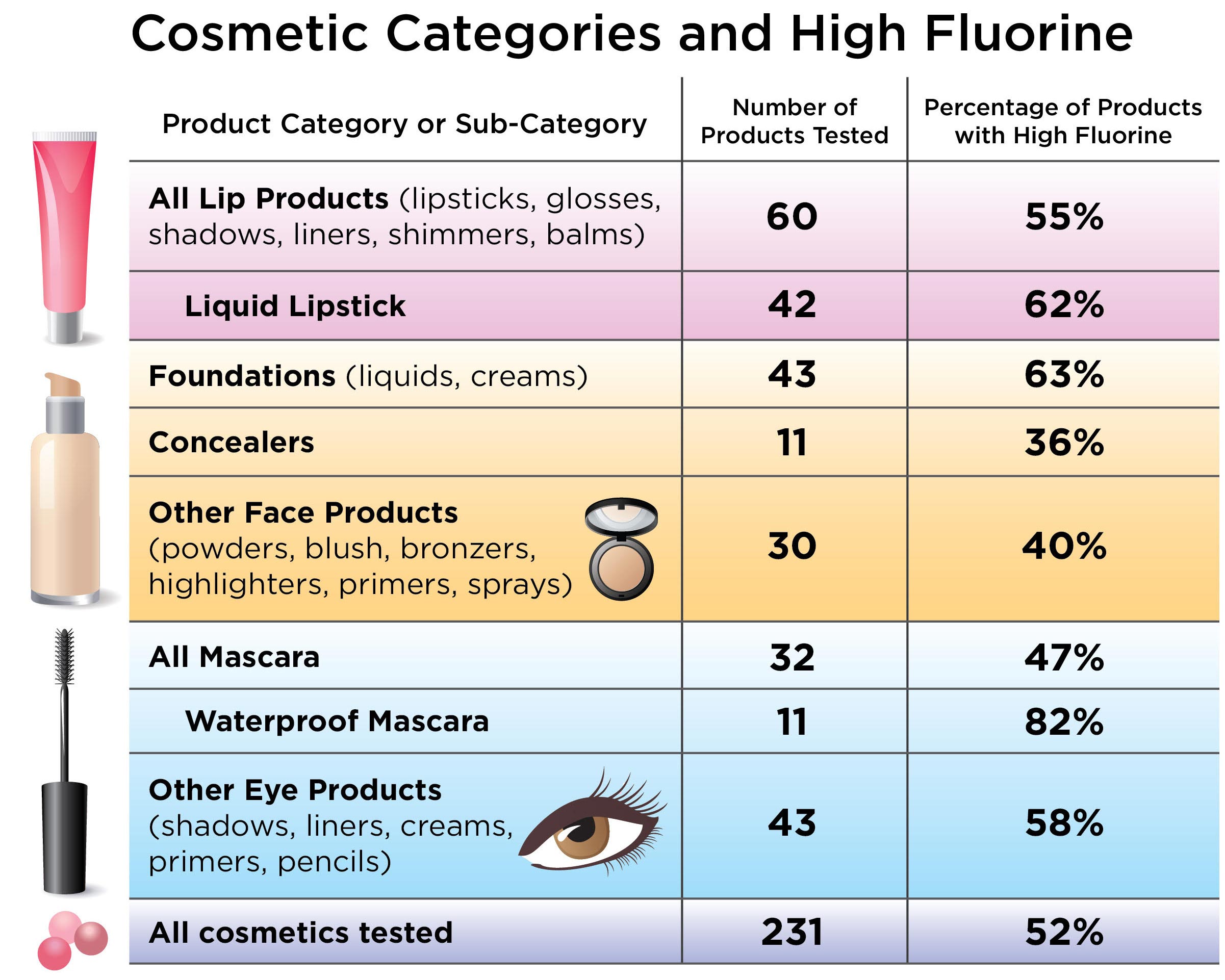
Scientists tested more than 200 cosmetics including concealers, foundations, eye and eyebrow products, and various lip products. According to the study, 56 percent of foundations and eye products, 48 percent of lip products, and 47 percent of mascaras tested were found to contain high levels of fluorine, which is an indicator of PFAS use in the product. The study was recently published in the journal of Environmental Science and Technology Letters.
“These results are particularly concerning when you consider the risk of exposure to the consumer combined with the size and scale of a multibillion-dollar industry that provides these products to millions of consumers daily,” Graham Peaslee, professor of physics at Notre Dame and principal investigator of the study, said. “There’s the individual risk — these are products that are applied around the eyes and mouth with the potential for absorption through the skin or at the tear duct, as well as possible inhalation or ingestion. PFAS is a persistent chemical — when it gets into the bloodstream, it stays there and accumulates. There’s also the additional risk of environmental contamination associated with the manufacture and disposal of these products, which could affect many more people.”
The Ubiquitous “Forever Chemicals”
Previously found in nonstick cookware, treated fabrics, fast food wrappers and, most recently, the personal protective equipment used by firefighters across the country, PFAS are known as “forever chemicals,” because the chemical compounds don’t naturally degrade — which means they end up contaminating groundwater for decades after their release into the environment. Use of PFAS in foam fire suppressants has been linked to contaminated drinking water systems, prompting the Department of Defense to switch to environmentally safer alternatives, for example.
Health Hazards Linked to PFAS Exposure
Studies have linked certain PFAS to kidney cancer, testicular cancer, hypertension, thyroid disease, low birth weight and immunotoxicity in children.
Peaslee and the research team tested products purchased at retail locations in the United States as well as products purchased online in Canada. The study found high levels of fluorine in liquid lipsticks, waterproof mascaras, and foundations often advertised as “long-lasting” and “wear-resistant.” Peaslee said this is not entirely surprising, given PFAS are often used for their water resistance and film-forming properties.
Flawed Labeling and Lack of Transparency
What is more concerning is that 29 products with high fluorine concentrations were tested further and found to contain between four and 13 specific PFAS, only one of these items tested listed PFAS as an ingredient on the product label.
“This is a red flag,” Peaslee said. “Our measurements indicate widespread use of PFAS in these products — but it’s important to note that the full extent of use of fluorinated chemicals in cosmetics is hard to estimate due to lack of strict labeling requirements in both countries.”
Peaslee’s novel method of detecting PFAS in a wide variety of materials has helped reduce the use of “forever chemicals” in consumer and industrial products.
Following a study from his lab in 2017, fast food chains that discovered their wrappers contained PFAS switched to alternative options. Peaslee continues to receive samples of firefighter turnout gear from fire departments around the world to test for PFAS, and his research has spurred conversations within the firefighter community to eliminate use of “forever chemicals” in various articles of personal protective equipment.
Reference: “Fluorinated Compounds in North American Cosmetics” by Heather D. Whitehead, Marta Venier, Yan Wu, Emi Eastman, Shannon Urbanik, Miriam L. Diamond, Anna Shalin, Heather Schwartz-Narbonne, Thomas A. Bruton, Arlene Blum, Zhanyun Wang, Megan Green, Meghanne Tighe, John T. Wilkinson, Sean McGuinness and Graham F. Peaslee, 15 June 2021, Environmental Science & Technology Letters.
DOI: 10.1021/acs.estlett.1c00240
Co-authors of the study include graduate student and lead author Heather D. Whitehead; Emi Eastman, Megan Green, Meghanne Tighe, John T. Wilkinson and Sean McGuinness at Notre Dame; Marta Venier and Yan Wu at Indiana University; Miriam Diamond, Anna Shalin and Heather Schwartz-Narbonne at the University of Toronto; Shannon Urbanik at Hope College; Tom Bruton and Arlene Blum at the Green Science Policy Institute; and Zhanyun Wang at ETH Zurich.
Environment and Climate Change Canada and the Great Lakes Protection Initiative of the National Sciences and Engineering Research Council of Canada partly funded the study.
Never miss a breakthrough: Join the SciTechDaily newsletter.
Follow us on Google and Google News.