

Researchers have discovered a neurodevelopmental disorder linked to mutations in the RNU4-2 gene, a non-coding gene, which could impact tens of thousands globally. This finding enhances our understanding of genetic factors behind such disorders and paves the way for improved diagnostics.
Scientists have identified a neurodevelopmental disorder, caused by mutations in a single gene, that affects tens of thousands of people worldwide. The work, published in the May 31 online issue of Nature Medicine, was conducted by researchers at the Icahn School of Medicine at Mount Sinai in collaboration with colleagues at the University of Bristol, UK; KU Leuven, Belgium; and the NIHR BioResource, currently based at the University of Cambridge, UK.
The findings will improve clinical diagnostic services for patients with neurodevelopmental disorders.
Importance of Genetic Analysis
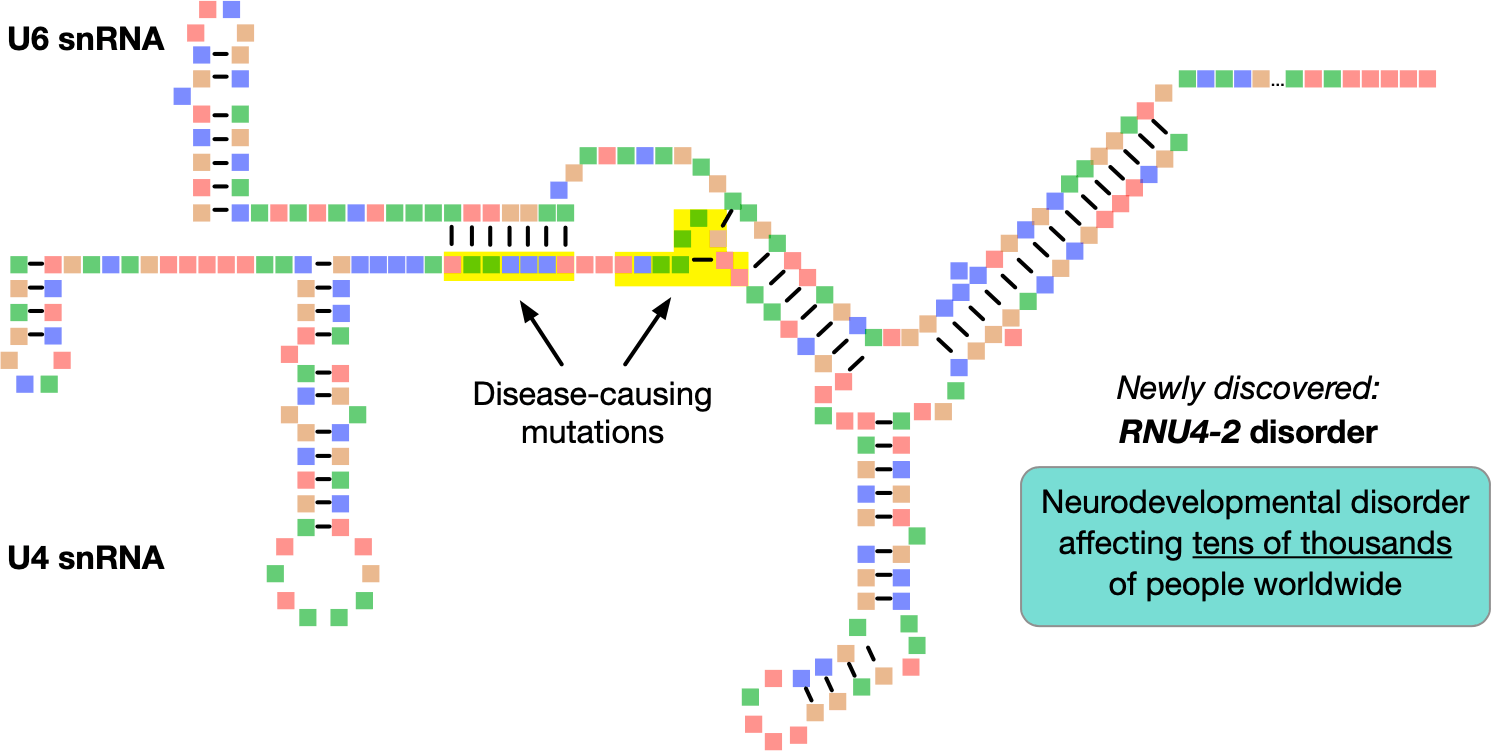
Through rigorous genetic analysis, the researchers discovered that mutations in a small non-coding gene called RNU4-2 cause a collection of developmental symptoms that had not previously been tied to a distinct genetic disorder. Non-coding genes are parts of DNA that do not produce proteins. The investigators used whole-genome sequencing data in the United Kingdom’s National Genomic Research Library to compare the burden of rare genetic variants in 41,132 non-coding genes between 5,529 unrelated cases with intellectual disability and 46,401 unrelated controls.
The discovery is significant, as it represents one of the most common single-gene genetic causes of such disorders, ranking second only to Rett syndrome among patients sequenced by the United Kingdom’s Genomic Medicine Service. Notably, these mutations are typically spontaneous and not inherited, providing important insights into the nature of the condition.
Implications for Diagnosis and Research
“We performed a large genetic association analysis to identify rare variants in non-coding genes that might be responsible for neurodevelopmental disorders,” says the study’s first author Daniel Greene, PhD, Assistant Professor of Genetics and Genomics Sciences at Icahn Mount Sinai and a Visitor at the University of Cambridge. “Nowadays, finding a single gene that harbors genetic variants responsible for tens of thousands of patients with a rare disease is exceptionally unusual. Our discovery eluded researchers for years due to various sequencing and analytical challenges.”
More than 99 percent of genes known to harbor mutations that cause neurodevelopmental disorders encode proteins. The researchers hypothesized that non-coding genes, which don’t produce proteins, could also host mutations leading to intellectual disability. Neurodevelopmental disorders, which often appear before grade school, involve developmental deficits affecting personal, social, academic, or occupational functioning. Intellectual disability specifically includes significant limitations in intellectual functioning (e.g., learning, reasoning, problem-solving) and adaptive behavior (e.g., social and practical skills).
“The genetic changes we found affect a very short gene, only 141 units long, but this gene plays a crucial role in a basic biological function of cells, called gene splicing, which is present in all animals, plants, and fungi,” says senior study author Ernest Turro, PhD, Associate Professor of Genetics and Genomic Sciences at Icahn Mount Sinai and a Visitor at the University of Cambridge. “Most people with a neurodevelopmental disorder do not receive a molecular diagnosis following genetic testing. Thanks to this study, tens of thousands of families will now be able to obtain a molecular diagnosis for their affected family members, bringing many diagnostic odysseys to a close.”
Future Directions and Commentary
Next, the researchers plan to explore the molecular mechanisms underlying this syndrome experimentally. This deeper understanding aims to provide biological insights that could one day lead to targeted interventions.
“What I found remarkable is how such a common cause of a neurodevelopmental disorder has been missed in the field because we’ve been focusing on coding genes,” says Heather Mefford, MD, PhD, of the Center for Pediatric Neurological Disease Research at St. Jude Children’s Research Hospital who was not involved with the research. “This study’s discovery of mutations in non-coding genes, especially RNU4-2, highlights a significant and previously overlooked cause. It underscores the need to look beyond coding regions, which could reveal many other genetic causes, opening new diagnostic possibilities and research opportunities.”
The paper is titled “Mutations in the U4 snRNA gene RNU4-2 cause one of the most prevalent monogenic neurodevelopmental disorders.”
Reference: “Mutations in the U4 snRNA gene RNU4-2 cause one of the most prevalent monogenic neurodevelopmental disorders” by Daniel Greene, Chantal Thys, Ian R. Berry, Joanna Jarvis, Els Ortibus, Andrew D. Mumford, Kathleen Freson and Ernest Turro, 31 May 2024, Nature Medicine.
DOI: 10.1038/s41591-024-03085-5
The remaining authors of the paper are Chantal Thys (KU Leuven, Belgium); Ian R. Berry, MD (University of Bristol, UK); Joanna Jarvis, MD (Birmingham Womens’ Hospital, UK); Els Ortibus, MD, PhD (KU Leuven, Belgium); Andrew D. Mumford, MD (University of Bristol, UK); and Kathleen Freson, PhD (KU Leuven, Belgium).
The work was supported, in part, by NIH awards R01HL161365 and R03HD111492. See the paper for further details on funding.
Never miss a breakthrough: Join the SciTechDaily newsletter.
Follow us on Google and Google News.