
Close Menu
    Facebook X (Twitter) Instagram
    SciTechDaily
    • Biology
    • Chemistry
    • Earth
    • Health
    • Physics
    • Science
    • Space
    • Technology
    Facebook X (Twitter) Pinterest YouTube RSS
    SciTechDaily
    Home»Science»How Do We Recognize Songs Instantly? New Study Reveals How Humans Predict Musical Sequences
    Science

    How Do We Recognize Songs Instantly? New Study Reveals How Humans Predict Musical Sequences

    By Aarhus UniversityJune 29, 20241 Comment3 Mins Read
    Facebook Twitter Pinterest Telegram LinkedIn WhatsApp Email Reddit
    Share
    Facebook Twitter LinkedIn Pinterest Telegram Email Reddit
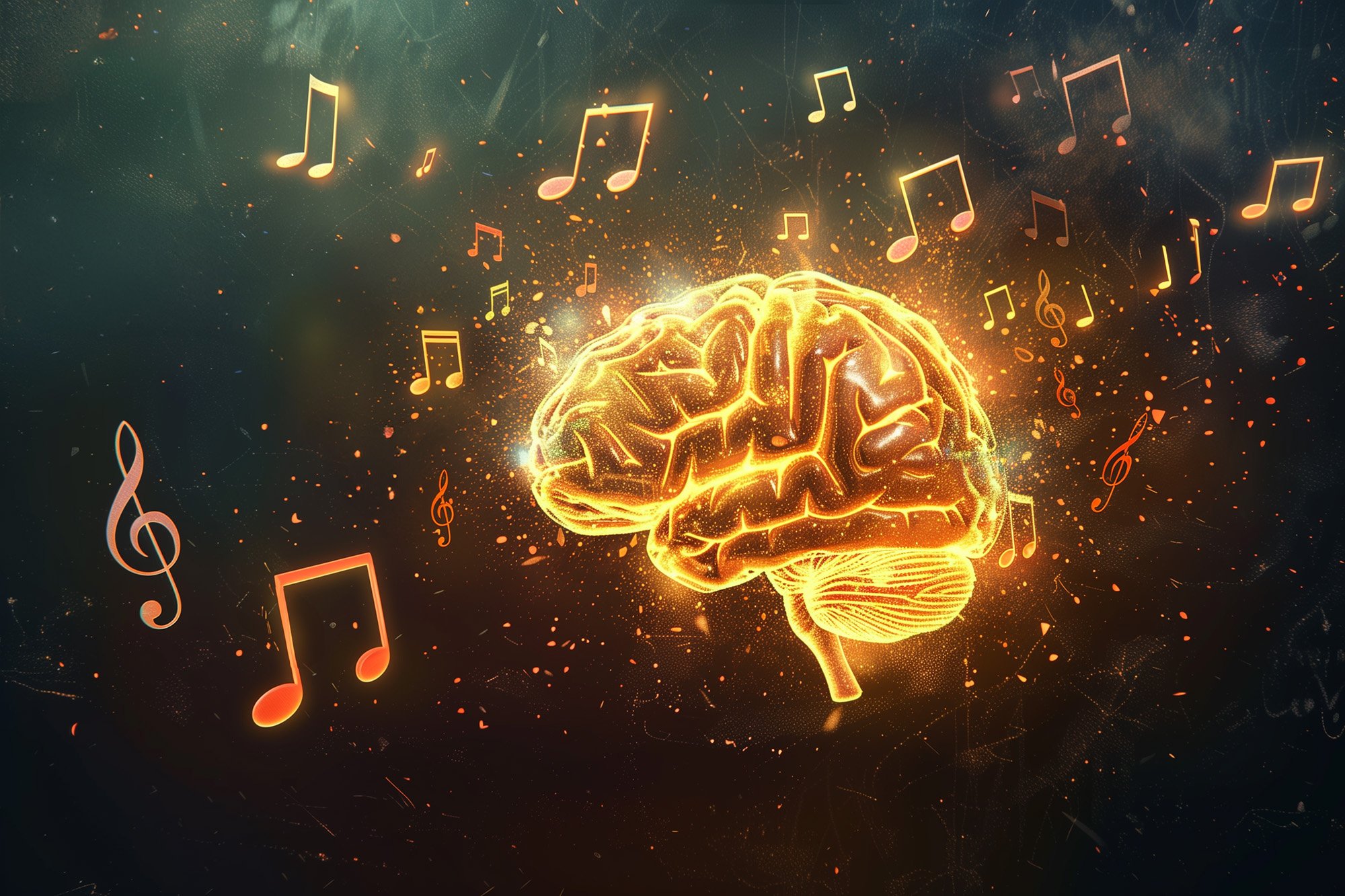
    Brain Music Notes
    New research reveals how the brain recognizes and anticipates music, providing insights that could aid in studying cognitive functions and developing dementia screening tools. Credit: SciTechDaily.com

    Researchers from Aarhus University and the University of Oxford have collaborated to uncover how our brain reacts to and recognizes music. Their study reveals that listening to music triggers a complex chain reaction of events in the brain, a discovery that could potentially be used in the future to help screen for dementia.

    Have you ever recognized a song from just a brief snippet or caught onto a chorus’s rhythm after a few notes? Recent research from the Center for Music in the Brain at Aarhus University and the Centre for Eudaimonia and Human Flourishing at the University of Oxford have revealed how our brains process and anticipate musical sequences.

    When we turn on the radio and our favorite song starts playing, our brain reacts in a complex pattern, where areas that process sound, emotions, and memory are activated. In a feedforward and feedback loop, our auditory cortex first responds to the sounds and sends information to other brain areas, like the hippocampus, which is involved in memory, and the cingulate gyrus, which helps with attention and emotional processing. This process helps us recognize songs quickly and predict what comes next, making listening to music an enjoyable and familiar experience.

    Broader Implications for Cognitive Studies

    Leonardo Bonetti
    Listening to music leads to a flurry of activity in the brain, a new study shows. Associate Professor Leonardo Bonetti, from the Center for Music in the Brain at Aarhus University, is one of the lead researchers behind the study. Credit: Laura Wehmeyer

    Knowing how our brain reacts to music can play a pivotal role in understanding our cognitive functions, explains one of the leading researchers behind the study, Associate Professor Leonardo Bonetti from the Center for Music in the Brain at Aarhus University: “Our research provides detailed insights into the brain’s ability to process and predict music and contributes to our broader understanding of cognitive functions. This could make a difference for studying brain health, as it offers potential pathways to explore how aging and diseases like dementia affect cognitive processing over time.”

    In fact, understanding how our brain rocks along to Bohemian Rhapsody or reacts to a childhood classic may help researchers detect dementia in the future.

    “In the long run, these findings could inform the development of screening tools for detecting the individual risk of developing dementia just using the brain activity of people while they listen to and recognize music.”

    In the study, the scientists measured the brainwaves of 83 people as they listened to music, and they will follow up with additional studies, says Leonardo Bonetti.

    “Future studies could explore how these brain mechanisms change with age or in individuals with cognitive impairments. Understanding these processes in more detail could lead to new interventions for improving cognitive function and quality of life for people with neurological conditions.”

    Reference: “Spatiotemporal brain hierarchies of auditory memory recognition and predictive coding” by L. Bonetti, G. Fernández-Rubio, F. Carlomagno, M. Dietz, D. Pantazis, P. Vuust and M. L. Kringelbach, 21 May 2024, Nature Communications.
    DOI: 10.1038/s41467-024-48302-4

    The study was funded by the Lundbeck Foundation, the Carlsberg Foundation, and the Danish National Research Foundation.

    Never miss a breakthrough: Join the SciTechDaily newsletter.
    Follow us on Google and Google News.

    Aarhus University Brain Dementia Music Neuroscience
    Share. Facebook Twitter Pinterest LinkedIn Email Reddit

    Related Articles

    Unlocking Elderly Brain Power With Musical Keys

    New Study: Everyday Pleasures Can Boost Cognitive Performance

    Brain Surgery on an Awake Musician Reveals the Complexity of Music and Language Processing

    Grammy Nominees Are a Brainy Bunch: Music Directly Benefits Brain Health

    Forget 8 Hours – Scientists Discover Ideal Amount of Sleep in Middle and Old Age

    Our Brains Encode Musical Predictions Even When Music Doesn’t Play

    Neuroscientists Uncover Why the Brain Enjoys Music

    The Science of a Hit Song – Unlocking the Secrets of Musical Pleasure

    Listening to Mozart Can Make You Smarter but No More Than Justin Bieber

    1 Comment

    1. Daniel Cooley on July 17, 2024 9:19 pm

      Oh my! “Listening to music triggers a complex chain reaction of events in the brain”. Rulllly! I declare!

      Was money spent to find this little tidbit of knowledge? Well, that has been known for thousands of years and now they claim a new discovery.

      Reply
    Leave A Reply Cancel Reply

    • Facebook
    • Twitter
    • Pinterest
    • YouTube

    Don't Miss a Discovery

    Subscribe for the Latest in Science & Tech!

    Trending News

    Breakthrough Bowel Cancer Trial Leaves Patients Cancer-Free for Nearly 3 Years

    Natural Compound Shows Powerful Potential Against Rheumatoid Arthritis

    100,000-Year-Old Neanderthal Fossils in Poland Reveal Unexpected Genetic Connections

    Simple “Gut Reset” May Prevent Weight Gain After Ozempic or Wegovy

    2.8 Days to Disaster: Scientists Warn Low Earth Orbit Could Suddenly Collapse

    Common Food Compound Shows Surprising Power Against Superbugs

    5 Simple Ways To Remember More and Forget Less

    The Atomic Gap That Could Cost the Semiconductor Industry Billions

    Follow SciTechDaily
    • Facebook
    • Twitter
    • YouTube
    • Pinterest
    • Newsletter
    • RSS
    SciTech News
    • Biology News
    • Chemistry News
    • Earth News
    • Health News
    • Physics News
    • Science News
    • Space News
    • Technology News
    Recent Posts
    • After 37 Years, the World’s Longest-Running Soil Warming Experiment Uncovers a Startling Climate Secret
    • NASA Satellite Captures First-Ever High-Res View of Massive Pacific Tsunami
    • ADHD Isn’t Just a Deficit: Study Reveals Powerful Hidden Strengths
    • Scientists Uncover “Astonishing” Hidden Property of Light
    • Scientists Discover Stem Cells That Could Regrow Teeth and Bone
    Copyright © 1998 - 2026 SciTechDaily. All Rights Reserved.
    • Science News
    • About
    • Contact
    • Editorial Board
    • Privacy Policy
    • Terms of Use

    Type above and press Enter to search. Press Esc to cancel.