
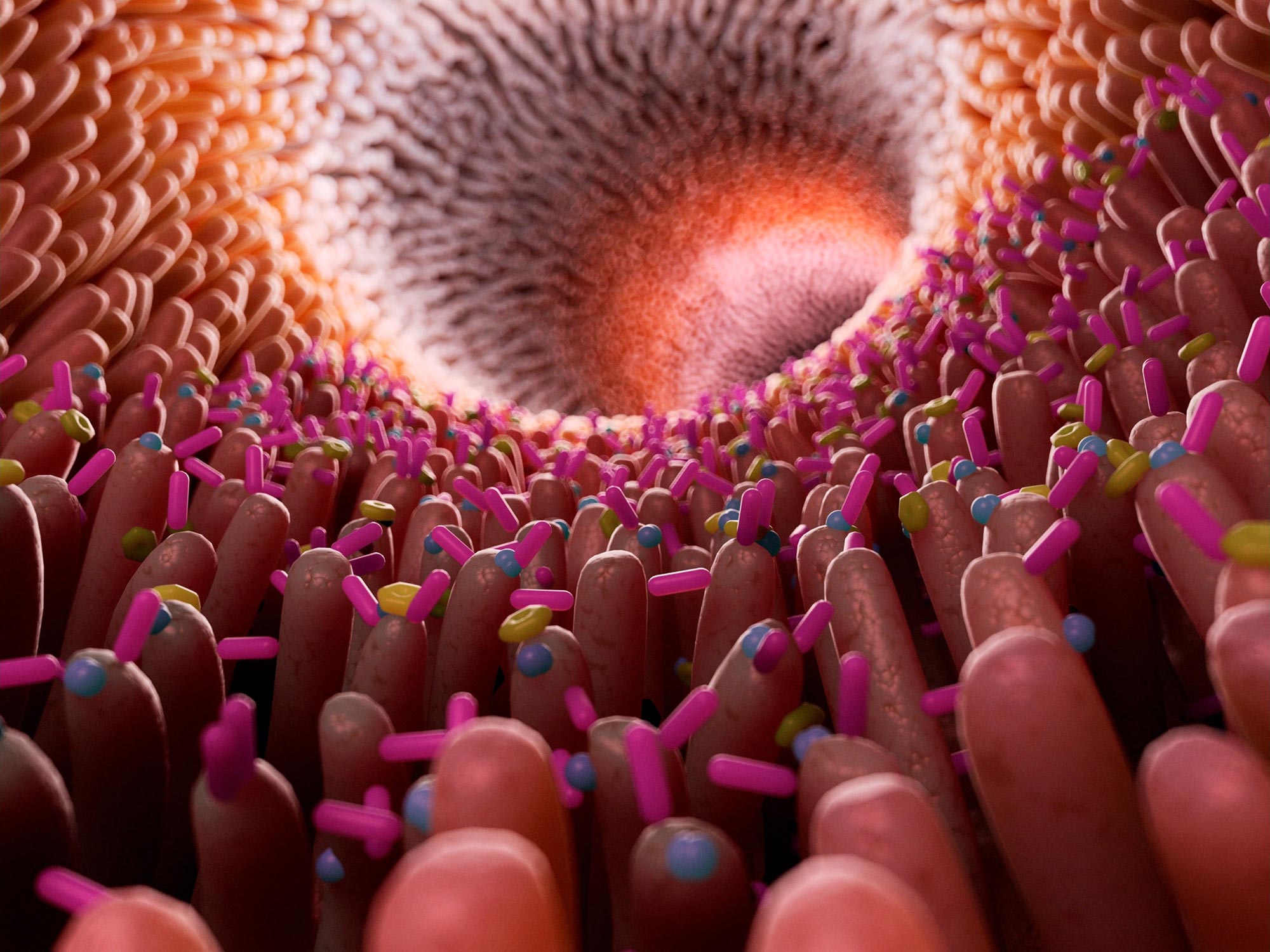
Many everyday chemicals can damage beneficial gut bacteria and potentially fuel antibiotic resistance, prompting calls to rethink chemical safety testing.
A sweeping laboratory analysis of synthetic chemicals has uncovered 168 substances that can harm beneficial bacteria living in the human gut. These compounds interfere with the growth of microbes that play an essential role in maintaining health.
Many of the chemicals identified are commonly encountered through everyday exposure, including food, drinking water, and the surrounding environment. Until now, most were assumed to have little or no impact on bacteria.
When gut microbes adapt in response to these chemical stresses, some also develop resistance to antibiotics such as ciprofloxacin. If similar changes occur inside the human body, this could make bacterial infections more difficult to treat.
A broad screen reveals hidden toxicity
The study, led by researchers at the University of Cambridge, examined how 1076 chemical contaminants affect 22 different species of gut bacteria under laboratory conditions.
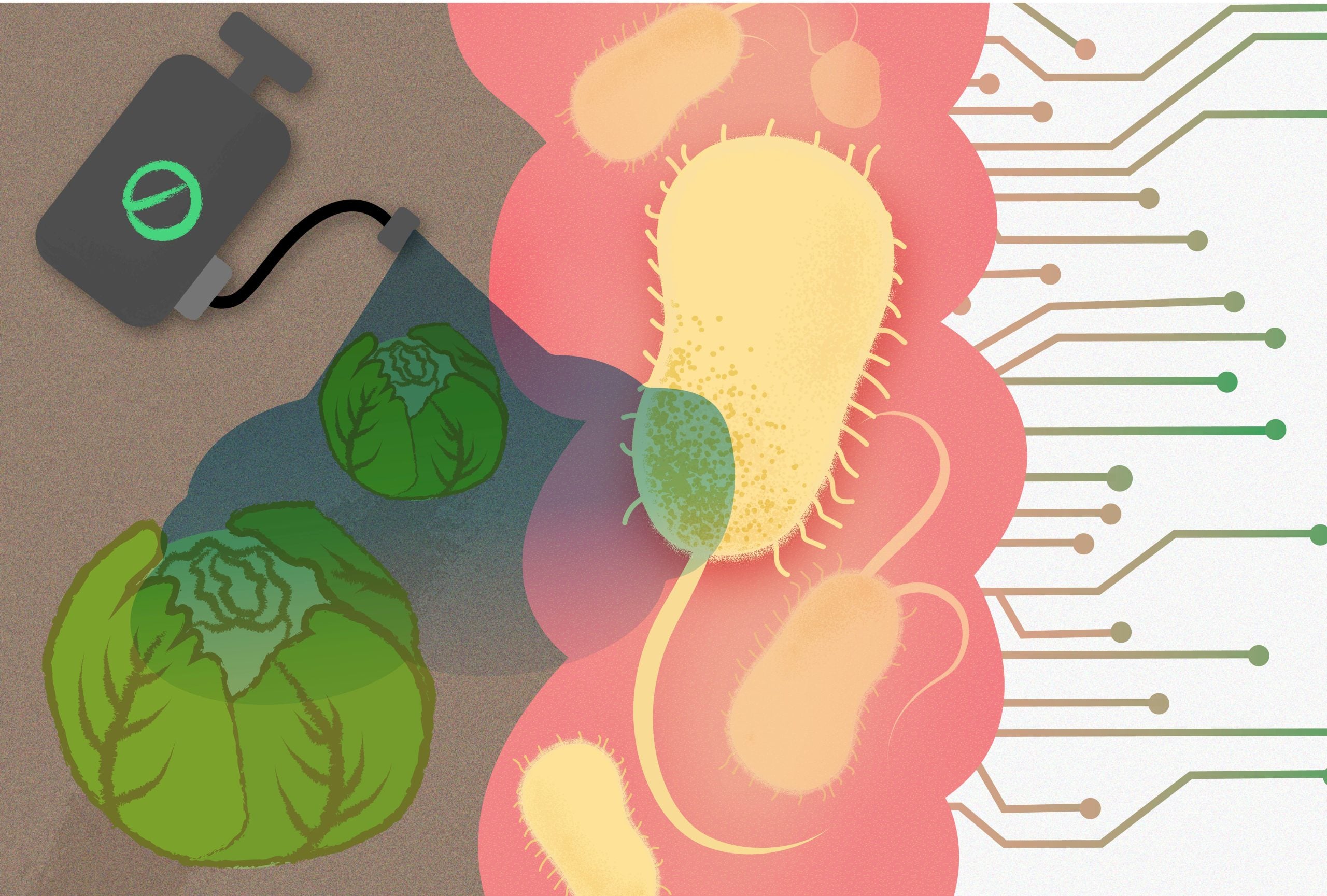
Among the harmful substances were pesticides, including herbicides and insecticides applied to crops, as well as industrial compounds commonly used in flame retardants and plastics.
Why gut microbes matter for health
The human gut microbiome consists of roughly 4,500 bacterial species that support many critical functions in the body. Disruptions to this complex system have been linked to digestive disorders, obesity, and changes in immune function and mental health.
Despite this importance, traditional chemical safety testing does not account for effects on gut bacteria. These assessments typically focus on intended targets, such as insects in the case of insecticides, while overlooking potential impacts on the human microbiome.
The researchers have used their data to create a machine learning model to predict if industrial chemicals – whether already in use, or in development – will be harmful to human gut bacteria.
The research, including the new machine learning model, was published in the journal Nature Microbiology.
Rethinking chemical safety standards
Dr. Indra Roux, a researcher at the University of Cambridge’s MRC Toxicology Unit and first author of the study said: “We’ve found that many chemicals designed to act only on one type of target, say insects or fungi, also affect gut bacteria. We were surprised that some of these chemicals had such strong effects. For example, many industrial chemicals like flame retardants and plasticisers – that we are regularly in contact with – weren’t thought to affect living organisms at all, but they do.”
Professor Kiran Patil in the University of Cambridge’s MRC Toxicology Unit and senior author of the study said: “The real power of this large-scale study is that we now have the data to predict the effects of new chemicals, with the aim of moving to a future where new chemicals are safe by design.”
Dr. Stephan Kamrad at the University of Cambridge’s MRC Toxicology Unit, who was also involved in the study, said: “Safety assessments of new chemicals for human use must ensure they are also safe for our gut bacteria, which could be exposed to the chemicals through our food and water.”
From lab findings to real-world exposure
Very little information is available about the direct effects of environmental chemicals on our gut microbiome, and in turn our health. The researchers say it’s likely our gut bacteria are regularly being exposed to the chemicals they tested, but the exact concentrations reaching the gut are unknown. Future studies monitoring our whole-body exposure will be needed to assess the risk.
Patil said: “Now we’ve started discovering these interactions in a laboratory setting it’s important to start collecting more real-world chemical exposure data, to see if there are similar effects in our bodies.”
In the meantime, the researchers suggest the best way to try and avoid exposure to chemical pollutants is to wash our fruit and vegetables before we eat them, and not to use pesticides in the garden.
Reference: “Industrial and agricultural chemicals exhibit antimicrobial activity against human gut bacteria in vitro” by Indra Roux, Anna E. Lindell, Anne Grießhammer, Tom Smith, Shagun Krishna, Rui Guan, Deniz Rad, Luisa Faria, Sonja Blasche, Kaustubh R. Patil, Nicole C. Kleinstreuer, Lisa Maier, Stephan Kamrad and Kiran R. Patil, 26 November 2025, Nature Microbiology.
DOI: 10.1038/s41564-025-02182-6
Funding: European Research Council, Medical Research Council
Never miss a breakthrough: Join the SciTechDaily newsletter.
Follow us on Google and Google News.
6 Comments
Not once did this article mention Glyphosate but I’m certain you’ll receive a cease and desist order from Bayer.
Check out correlation of gut microbiome to Parkinson’sand backtrack to what impacts the normal but missing or overabundant microbes.
They did not mention any of these chemicals! Shame on the United States
for not ridging our food supply of toxic chemicals! We are 66th on the list of healthy countries. Ban glyphosate and all toxic and artificial substances from our food supply!
Typo ..ridding
It’s horrible to think that our ancestors, friends, and family members may have perished from these chemicals and contaminants, resulting in cancers and other diseases. And something could have been done, if only this research was widely known an acted upon.
Authors of the article waffled a lot and I had to keep scrolling to find the actual names of these shitty chemicals. I mean why not give the reader a list of the suspects sooner so that we can learn to recognize the culprits on food labels or the pesticides environmentalists like Vandana Shiva do so much to remind the public of?