

The International Space Station welcomed three new crew member who quickly adapted to life in orbit, engaging in scientific research and station maintenance, ranging from studying plant life in space to ensuring the operational health of the station.
Three new crewmates joined the International Space Station (ISS) crew on Wednesday after a three-hour ride that began at the Baikonur Cosmodrome in Kazakhstan with a launch aboard the Soyuz MS-26 spacecraft. The new trio including NASA astronaut Don Pettit and Roscosmos cosmonauts Alexey Ovchinin and Ivan Wagner will live and work aboard the orbital outpost until spring 2025.
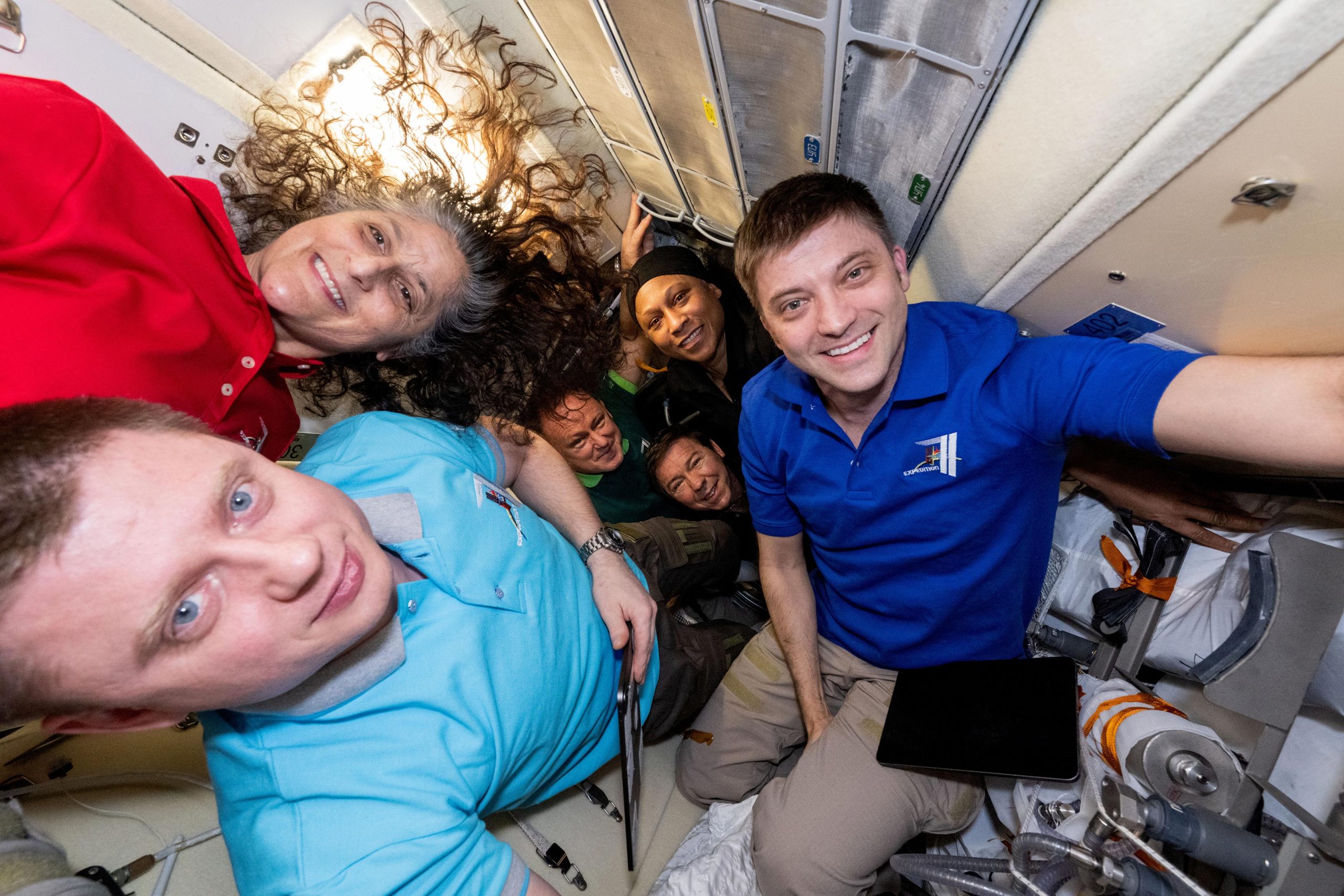
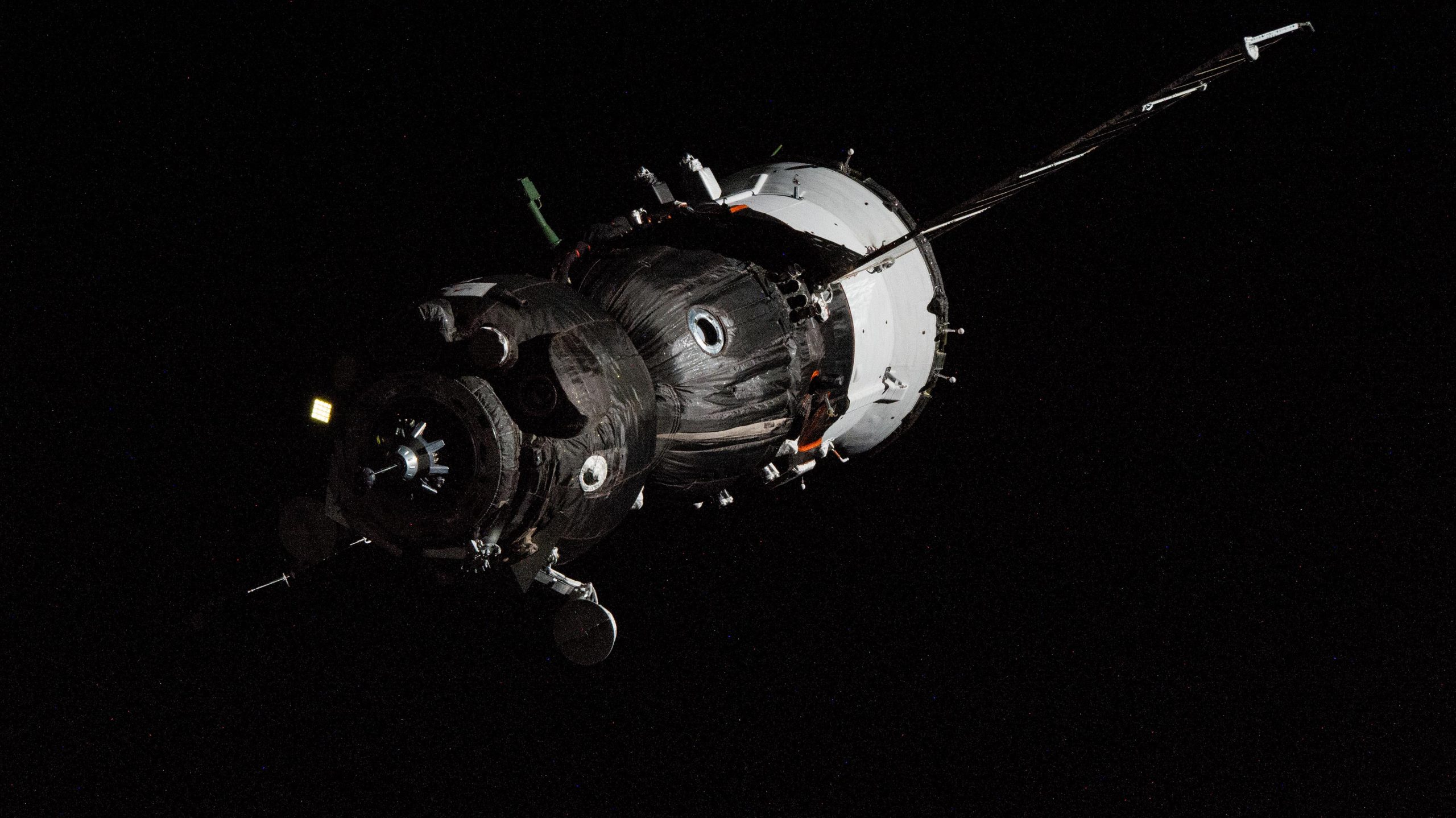
Following their arrival, the three new space residents entered the Rassvet module’s Earth-facing port and were greeted by the nine Expedition 71 crewmates expanding the orbiting lab’s crew to 12. Next, family members and teams on the ground called up to the space station and congratulated Pettit, Ovchinin, and Wagner as their mission got underway. Finally, the new trio was given a standard station safety orientation before deactivating their Soyuz crew ship, unloading cargo, and going to bed.
First Day in Orbit: Adapting and Contributing
On Thursday, their first full day in low-Earth orbit, Pettit, Ovchinin, and Wagner woke up late and worked a half-day. Pettit began his afternoon shift getting familiar with space station systems with assistance from NASA astronaut Matthew Dominick. Pettit was last aboard the space station in 2012 as an Expedition 31 Flight Engineer when the new SpaceX Dragon cargo craft visited the orbital outpost for the first time on a test mission in May of that year. Ovchinin and Wagner continued unpacking cargo packed inside the Soyuz before attaching sensors to themselves monitoring how their circulatory system is adapting to weightlessness.
The six NASA astronauts who have been aboard the space station for a few months had a full day on Thursday studying how plants grow in microgravity, conducting eye exams, and maintaining orbital plumbing systems.
Scientific Endeavors and Maintenance: Routine in Microgravity
NASA Flight Engineer Jeanette Epps and Mike Barratt harvested plants growing inside the Columbus laboratory module’s Veggie space botany facility throughout the day. The space-grown samples of two types of grasses were then placed inside a science freezer for future analysis back on Earth. Researchers are seeking to understand how space affects photosynthesis and plant metabolism possibly supporting the development of bioregenerative life support systems.
Barratt also peered into the eyes of NASA astronauts Butch Wilmore and Suni Williams using standard medical imaging gear as ground personnel monitored in real-time. Some astronauts have reported vision issues so doctors continuously monitor the crew’s optic nerve, retina, cornea, and more to maintain crew health and ensure successful long-term space missions.
Technical Support and Crew Wellbeing: Ensuring Smooth Operations
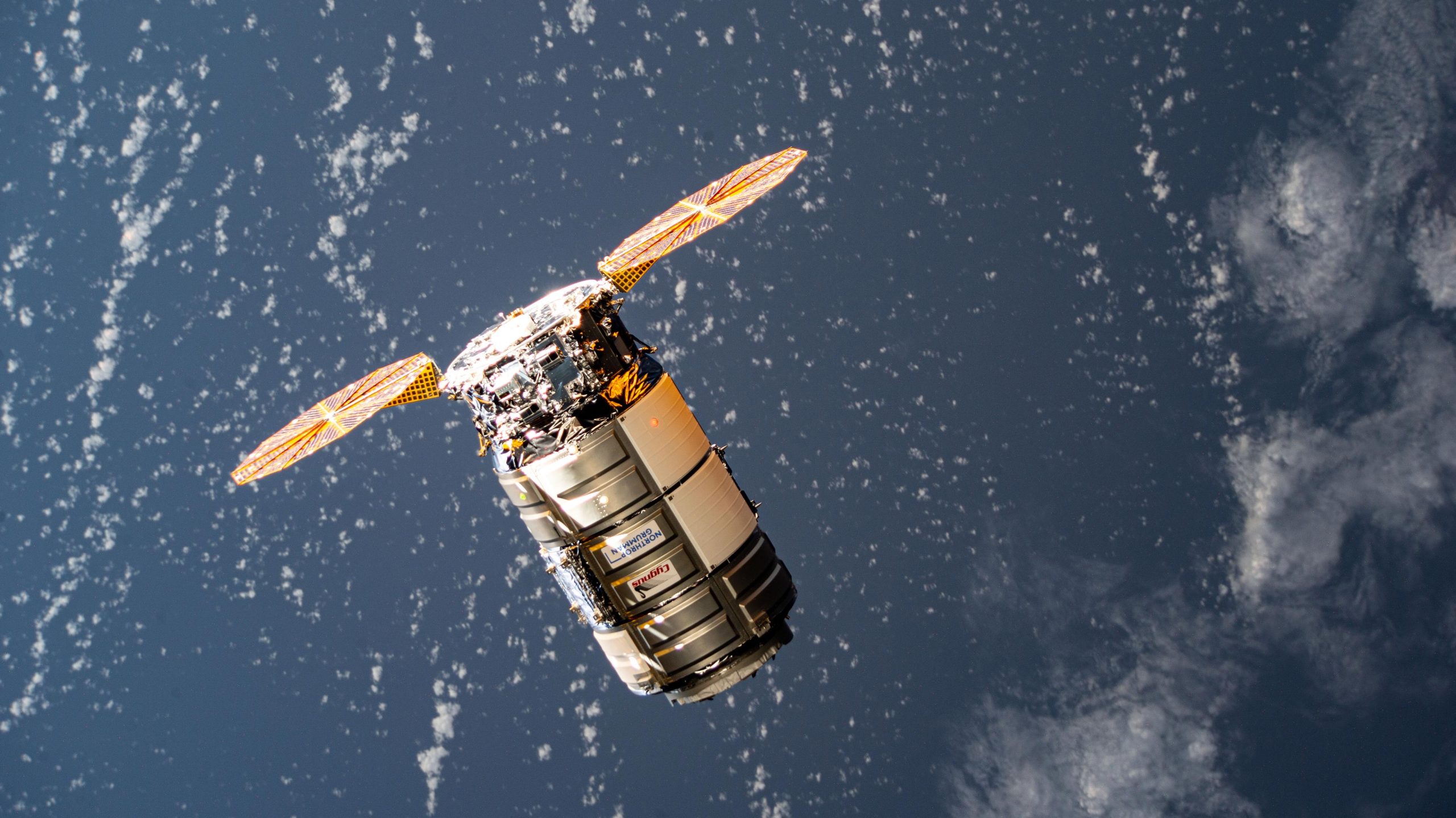
Earlier, Williams swapped out combustion research hardware in the Kibo laboratory module and worked on cargo transfers inside the Cygnus space freighter that has been attached to the station since August 6. Wilmore checked out power supply components in Columbus and then visually analyzed incubation bags containing microbe samples collected for analysis.
NASA astronaut Tracy C. Dyson joined Dominick on Thursday servicing the space station’s restroom in the Tranquility module, also known as the waste and hygiene compartment. The duo removed advanced plumbing components to access and troubleshoot the toilet’s electrical power system.
Roscosmos cosmonauts Oleg Kononenko, Nikolai Chub, and Alexander Grebenkin also slept in on Thursday following their late-night support of the Soyuz MS-26 crew arrival. The trio spent the afternoon working on electrical and life support maintenance while also assisting their new crewmates.
Never miss a breakthrough: Join the SciTechDaily newsletter.
Follow us on Google and Google News.
1 Comment
I’m curious what will the outcome for Suni and Butch be when the finally return, since they weren’t supposed to stay as long as they’re gonna.
I don’t believe preparing yourself for a seven day mission is quite the same as preparing yourself for a seven months mission. Physically yes, maybe, but psychologically almost certainly not.
I’d die of claustrophobia up there, lol.