
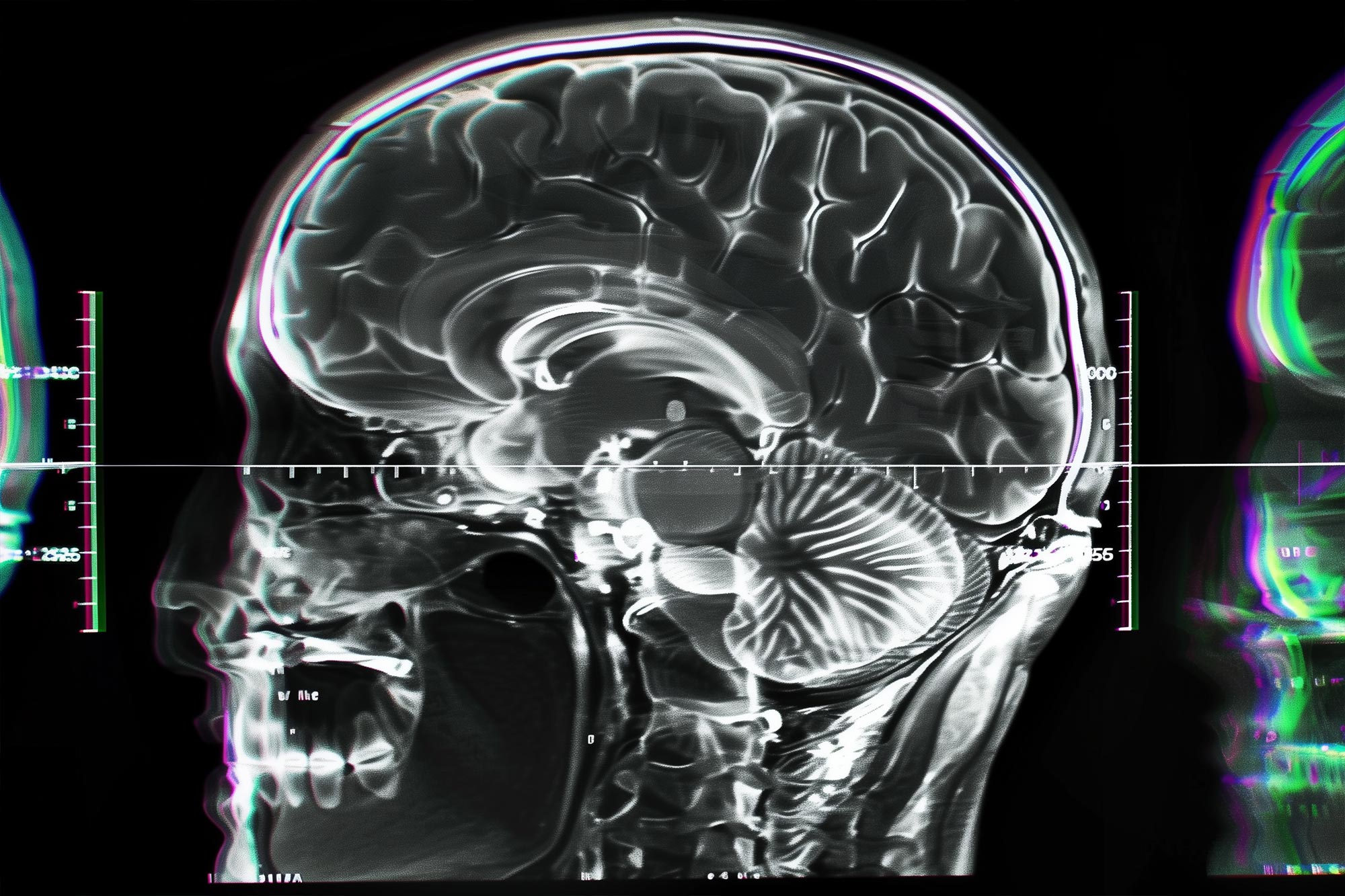
Sleep breathing problems, like sleep apnea, may lead to changes in the hippocampus and white matter, impacting brain health and increasing dementia risk.
A study on Latino adults revealed that those with more severe sleep issues had larger hippocampal volumes and brain damage tied to reduced oxygen levels during sleep.
Sleep Problems and Brain Health
People with breathing problems during sleep may have a larger hippocampus, the area of the brain responsible for memory and thinking, according to a study published in the December 18, 2024, online issue of Neurology, the medical journal of the American Academy of Neurology. The study, which included mostly Latino people, also found that those with lower oxygen levels during sleep had changes in the deep parts of the brain, the white matter, a common finding of decreased brain health that develops with age.
Sleep disordered breathing is a range of conditions that cause abnormal breathing during sleep including snoring and obstructive sleep apnea. Obstructive sleep apnea is when a person stops breathing five or more times per hour. When breathing stops, it can lower oxygen levels, affecting the brain.
“Some studies have found sleep problems and lower oxygen levels during sleep have been linked to brain shrinkage while others have found a link to brain growth,” said study author Alberto R. Ramos, MD, of the University of Miami and Fellow of the American Academy of Neurology. “Both brain shrinkage and brain growth can harm memory and thinking by disrupting normal brain functions, increasing the risk of cognitive decline and dementia. Our study looked at Latino people, who have a higher risk of dementia when compared to non-Latino white people.”
Study Parameters and Demographics
The study involved 2,667 Latino people with an average age of 68.
At the start of the study, each participant was given a take-home sleep test that measured how often they stopped breathing, called apneas, and how often they had slow or shallow breathing, called hypopneas.
They were divided into three groups: those who had fewer than five sleep disruptions per hour, or no sleep problems; those with five to 15 disruptions, mild sleep problems; and those with more than 15, moderate to severe sleep problems. Of the total participants, 56% had no sleep problems, 28% had mild sleep problems and 16% had moderate to severe sleep problems.
Researchers also measured oxygen levels in the bloodstream during sleep.
Long-Term Impact of Sleep Disruptions
Ten years later, participants had brain scans to measure brain volume and white matter hyperintensities, areas in the white matter where the brain tissue has been damaged.
After adjusting for factors such as age, sex, high blood pressure, and whether a participant had insurance, they found that people in the group with the most sleep problems had 0.24 cubic centimeters (cm3) greater brain volume in the hippocampus than those with no sleep problems.
They also found that for each additional sleep disruption, there was a 0.006 cm3 increase of brain volume in the hippocampus. Researchers found lower oxygen during sleep was also associated with increased hippocampal volume as well as increased white matter hyperintensities.
Conclusions and Study Limitations
“Our findings highlight the complex relationships between sleep health and brain aging and show there is a need for longer studies that follow people beginning in middle age or earlier,” Ramos said. “A clear understanding of how brain volume is affected by sleep apnea and other sleep disorders is essential so people can receive early and effective treatment, especially in people who may be at higher risk for dementia.”
A limitation of the study was that it only included Latino adults, so results may not be the same for other populations.
Reference: “Sleep Disordered Breathing and Subsequent Neuroimaging Markers of Brain Health in Hispanic/Latino Adults” by Alberto R. Ramos, Christian Agudelo, Kevin A. Gonzalez, Wassim Tarraf, Martha Daviglus, Linda C. Gallo, Carmen I. Isasi, Sonya Kaur, Richard B. Lipton, Sanjay R. Patel, Susan Redline, Daniela Sostres-Alvarez, Ariana M. Stickel, Fernando D. Testai, Gregory A. Talavera, Hector M. Gonzalez and Charles S. Decarli, 18 December 2024, Neurology.
DOI: 10.1212/WNL.0000000000210183
The study was supported by the National Institute on Aging.
Never miss a breakthrough: Join the SciTechDaily newsletter.
Follow us on Google and Google News.
1 Comment
I’m 52 soon,an epileptic with sleep apnea. I wish I’d undergone a study.