
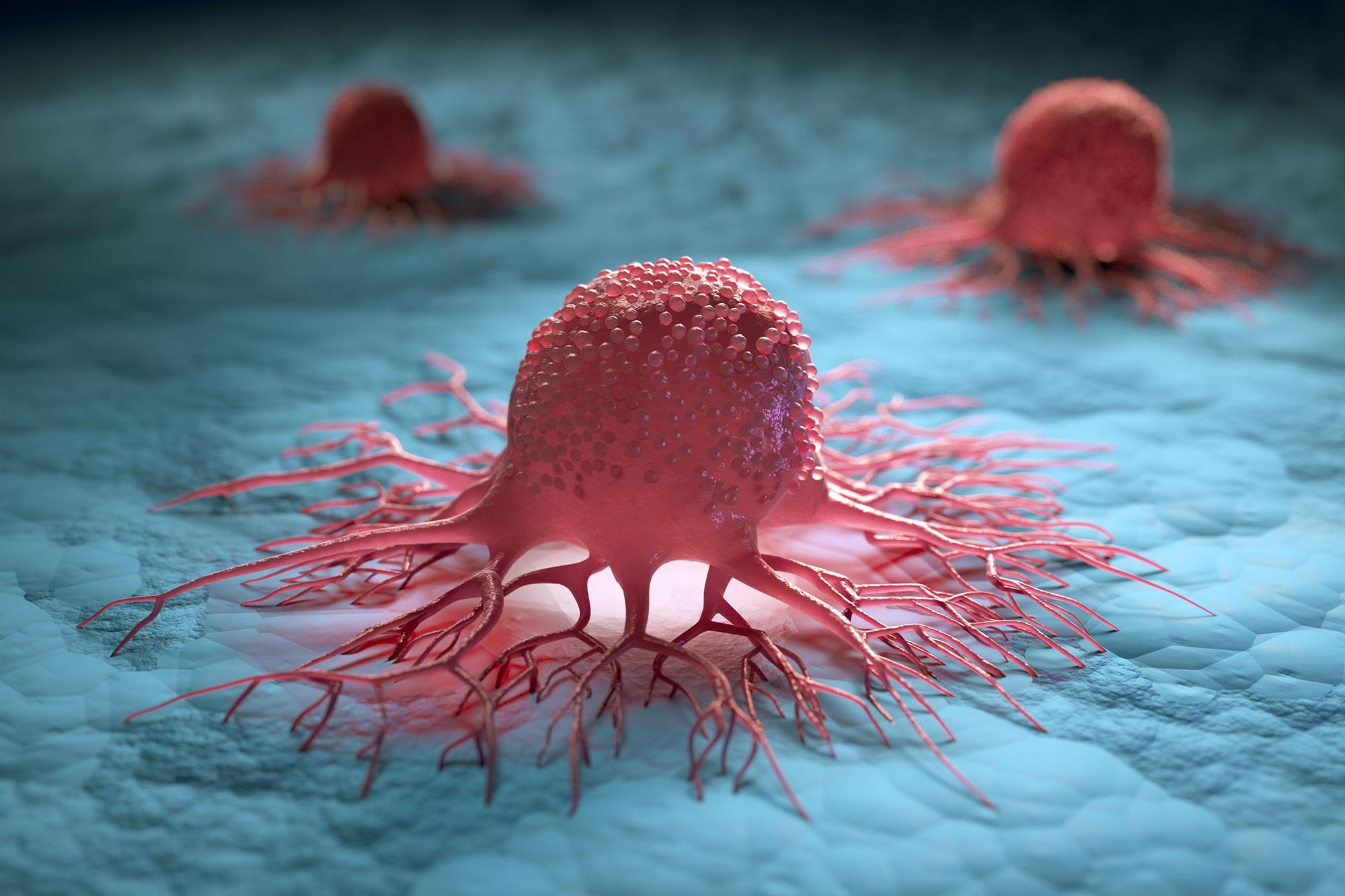
Liver cells attempt to shut down as a defense mechanism against cancer, but this strategy is not particularly effective.
Researchers at the University of California San Diego School of Medicine have provided new insights into the development of liver cancer, a disease that ranks as the sixth most commonly diagnosed cancer and the fourth leading cause of cancer-related deaths globally.
Their study, published in Nature, highlights a complex relationship between cellular metabolism and DNA damage that fuels the progression of fatty liver disease into liver cancer. These findings open new avenues for preventing and treating liver cancer while deepening our understanding of how cancer develops and the impact of diet on DNA.
Over the past 20 years, cases of hepatocellular carcinoma (HCC)—the most prevalent type of liver cancer—have surged by 25–30%. A significant factor in this increase is the rising prevalence of fatty liver disease, which now affects 25% of adults in the United States. About 20% of individuals with fatty liver disease develop a more severe form called metabolic dysfunction-associated steatohepatitis (MASH), which significantly raises the risk of HCC. Despite this, the mechanisms that drive the progression from MASH to liver cancer remain poorly understood.
“Going from fatty liver disease to MASH to liver cancer is a very common scenario, and the consequences can be deadly,” said Michael Karin, Ph.D., Distinguished Professor in the Department of Pharmacology at UC San Diego School of Medicine. “When you have MASH, you either end up destroying your liver and then you need a new liver, or you progress to frequently fatal liver cancer, but we still don’t understand what’s happening at the subcellular level during this process.”
DNA Damage and Cellular Senescence in Liver Cancer Development
The researchers used a combination of mouse models and human tissue specimens and databases to demonstrate that MASH-inducing diets, which are rich in fat and sugar, cause DNA damage in liver cells that causes them to go into senescence, a state in which cells are still alive and metabolically active but can no longer divide.
Senescence is a normal response to a variety of cellular stressors. In a perfect world, senescence gives the body time to repair damage or eliminate the damaged cells before they’re allowed to proliferate more widely and become cancerous.

However, as the researchers discovered, this isn’t what happens in liver cells, also known as hepatocytes. In hepatocytes, some damaged cells survive this process.
These cells are, according to Karin, “like ticking time bombs that could start proliferating again at any point and ultimately become cancerous.”
“Comprehensive genomic analyses of tumor DNA indicate that they originate from liver cells damaged by MASH, emphasizing a direct link between diet-induced DNA damage and the development of cancer,” added study co-author Ludmil Alexandrov, Ph.D., associate professor of cellular and molecular medicine and bioengineering at UC San Diego and member of UC San Diego Moores Cancer Center.
Potential Therapeutic Approaches and Insights on Aging
The findings suggest that developing new drugs to prevent or reverse DNA damage could be a promising therapeutic approach for preventing liver cancer, particularly in people with MASH.
“There are a few possibilities for how this could be leveraged into a future treatment, but it will take more time and research to explore these ideas,” said Karin. “One hypothesis is that a high-fat diet could lead to an imbalance in the raw materials our cells use to build and repair DNA, and that we could use drugs or nutri-chemicals to correct these imbalances. Another idea is developing new antioxidants, much more efficient and specific than the ones we have now, and using those could help block or reverse the cellular stress that causes DNA damage in the first place.”
In addition to opening these new avenues of treatment for liver cancer, the study also offers new insight into the relationship between aging and cancer.
“We know that aging increases the risk of virtually all cancers and that aging is associated with cellular senescence, but this introduces a paradox since senescence is supposed to guard against cancer,” said Karin. “This study helps reveal the underlying molecular biology that allows cells to re-enter the cell cycle after undergoing senescence, and we believe that similar mechanisms could be acting in a wide range of cancers.”
The findings also help directly quantify the detrimental effects of poor diet on cellular metabolism which, according to Karin, could be used to help guide public health messaging related to fatty liver disease.
“A poor, fast-food diet can be as dangerous as cigarette smoking in the long run,” said Karin. “People need to understand that bad diets do far more than just alter a person’s cosmetic appearance. They can fundamentally change how our cells function, right down to their DNA.”
Reference: “FBP1 controls liver cancer evolution from senescent MASH hepatocytes” by Li Gu, Yahui Zhu, Shuvro P. Nandi, Maiya Lee, Kosuke Watari, Breanna Bareng, Masafumi Ohira, Yuxiao Liu, Sadatsugu Sakane, Rodrigo Carlessi, Consuelo Sauceda, Debanjan Dhar, Souradipta Ganguly, Mojgan Hosseini, Marcos G. Teneche, Peter D. Adams, David J. Gonzalez, Tatiana Kisseleva, The Liver Cancer Collaborative, Janina E. E. Tirnitz-Parker, M. Celeste Simon, Ludmil B. Alexandrov and Michael Karin, 1 January 2025, Nature.
DOI: 10.1038/s41586-024-08317-9
Co-authors on the study include Li Gu, Yahui Zhu, Shuvro Nandi, Maiya Lee, Kosuke Watari, Breanna Bareng, Masafumi Ohira, Yuxiao Liu, Sadatsugu Sakane, Debanjan Dhar, Souradipta Ganguly, Mojgan Hosseini, Tatiana Kisseleva and Ludmil Alexandrov at UC San Diego School of Medicine (Alexandrov is also a professor at the UC San Diego Jacobs School of Engineering), Rodrigo Carlessi, The Liver Cancer Collaborative and Janina Tirnitz-Parker at Curtin Health Innovation Research Institute, Consuelo Sauceda and David Gonzalez at UC San Diego Skaggs School of Pharmacy and Pharmaceutical Sciences, Marcos Teneche, and Peter Adams at Sanford Burnham Prebys and M. Celeste Simon at Abramson Family Cancer Research Institute. After completing their training at UC San Diego, Li Gu and Yahui Zhu finished one of the key experiments at their lab in West China Hospital at Chengdu, PRC.
This study was funded, in part, by the National Institutes of Health (grants R01DK120714, R01DK133448, R01CA234128, R01CA281784, P01CA281819, R01DK133448, R35CA220483, DK099205, (R01ES030993, R01ES032547, R01CA269919).
Never miss a breakthrough: Join the SciTechDaily newsletter.
Follow us on Google and Google News.