
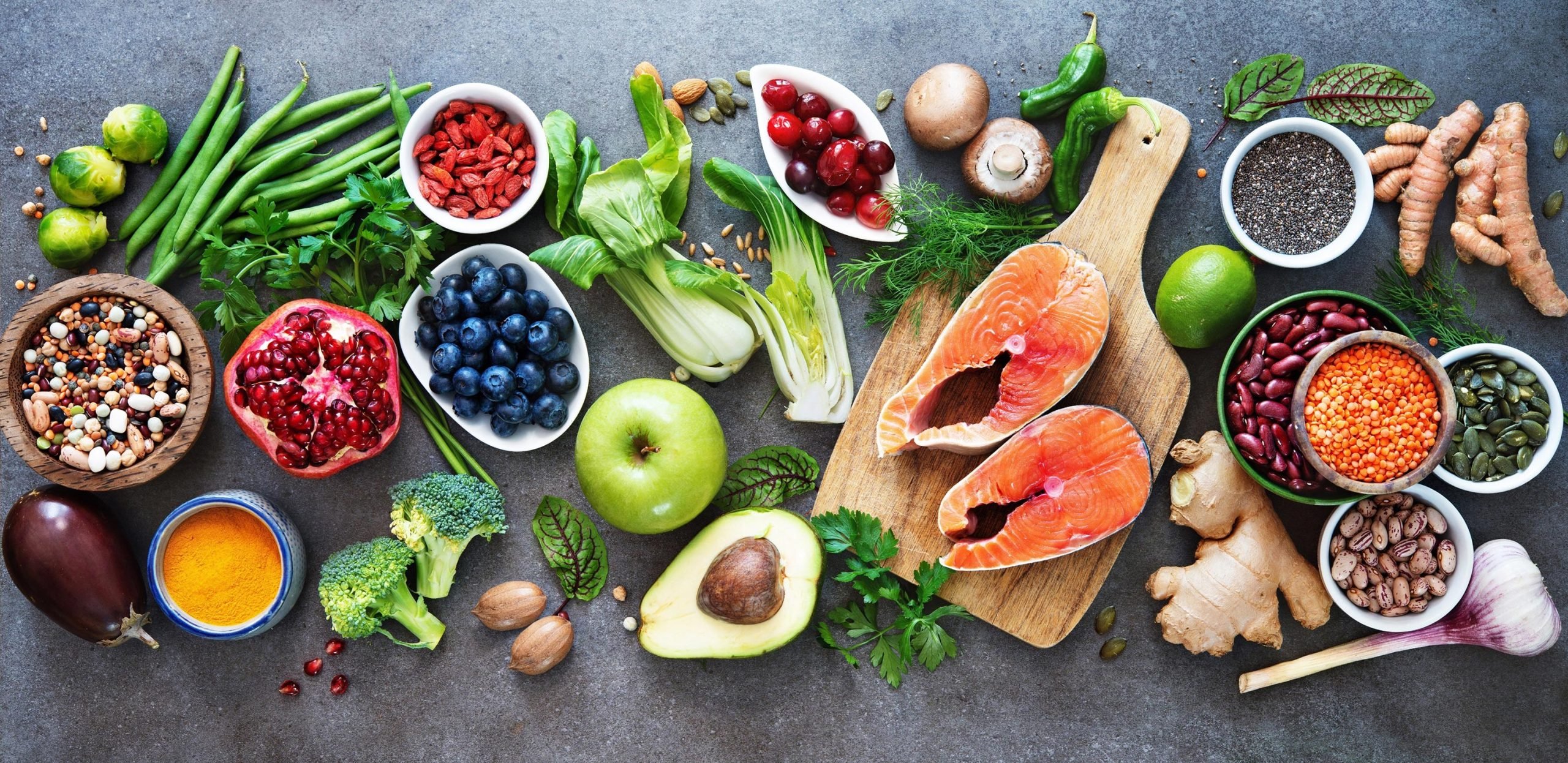
Perceptions of sustainability and making healthy food choices are strongly interconnected, according to new research conducted at the University of Konstanz.
Many people are keen on making healthy as well as sustainable food choices, and they often intuitively equate “healthy” with being “sustainable.” A study by researchers at the University of Konstanz, the Johannes Kepler University Linz, and the Hamburg University of Applied Sciences is focusing on whether or not this perception corresponds to reality. The findings have recently been published in the scientific journal PLOS Sustainability and Transformation.
Examining Perceptions of Health and Sustainability
The study shows that many consumers clearly correlate their perception of sustainability with how healthy their food choices and meals are. “We examined just how widespread the perception is that healthy meals are also sustainable. We were especially interested in whether perceptions change based on the actual overlap between meal health and sustainability. We also explored whether the type of meal, such as a vegan meal, influences this presumed correlation,” explains Professor Gudrun Sproesser, head of the Department of Health Psychology at Johannes Kepler University.
In the study, over 5,000 customers rated 29 different meal options at a public canteen – i.e. the University of Konstanz’s canteen, run by Seezeit student services – as to what they believed to be a healthy and sustainable food choice. The exact values relating to environmental sustainability and healthy eating were also determined by applying a special algorithm to analyze the precise meal recipes.
Results of the Study
The findings were clear: Many participants automatically believed that healthy food was also sustainable.
Gudrun Sproesser points out: “Interestingly, however, there was no association between this perception and the actual overlap between environmental sustainability and how healthy a meal actually is.” This is because healthier foods can be produced using methods that are less eco-friendly, and the reverse is also true: sustainable food can be less healthy.
Britta Renner, who leads the research team Psychological Assessment and Health Psychology at the University of Konstanz, adds: “The findings clearly indicate that we consumers need better and more readily accessible information about the sustainability and healthiness of foods.”
One useful approach, for example, is to use climate or sustainability labels on food, as suggested in a recent expert opinion on more sustainable food by the Scientific Advisory Board on Agricultural Policy, Food and Consumer Health Protection (WBAE) of the Federal Ministry of Food and Agriculture. Such labels would enable consumers to make more informed decisions about what they eat while simultaneously doing their part to protect the environment.
Reference: “The “healthy = sustainable” heuristic: Do meal or individual characteristics affect the association between perceived sustainability and healthiness of meals?” by Gudrun Sproesser, Ulrike Arens-Azevedo and Britta Renner, 17 November 2023, PLOS Sustainability and Transformation.
DOI: 10.1371/journal.pstr.0000086
The research was funded by the German Research Foundation (DFG) in the context of the project “Collective Appetite” of the Cluster of Excellence “Centre for the Advanced Study of Collective Behaviour” at the University of Konstanz (2117– 422037984; PI Britta Renner) and the project “Why people eat in a traditional or modern way: A cross-country study” (1610/2-1, PI Gudrun Sproesser)
Never miss a breakthrough: Join the SciTechDaily newsletter.
Follow us on Google and Google News.
1 Comment
“Sustainable”? Are you having a laugh? Everything they label “healthy” in stores is twice as expensive as regular food.