
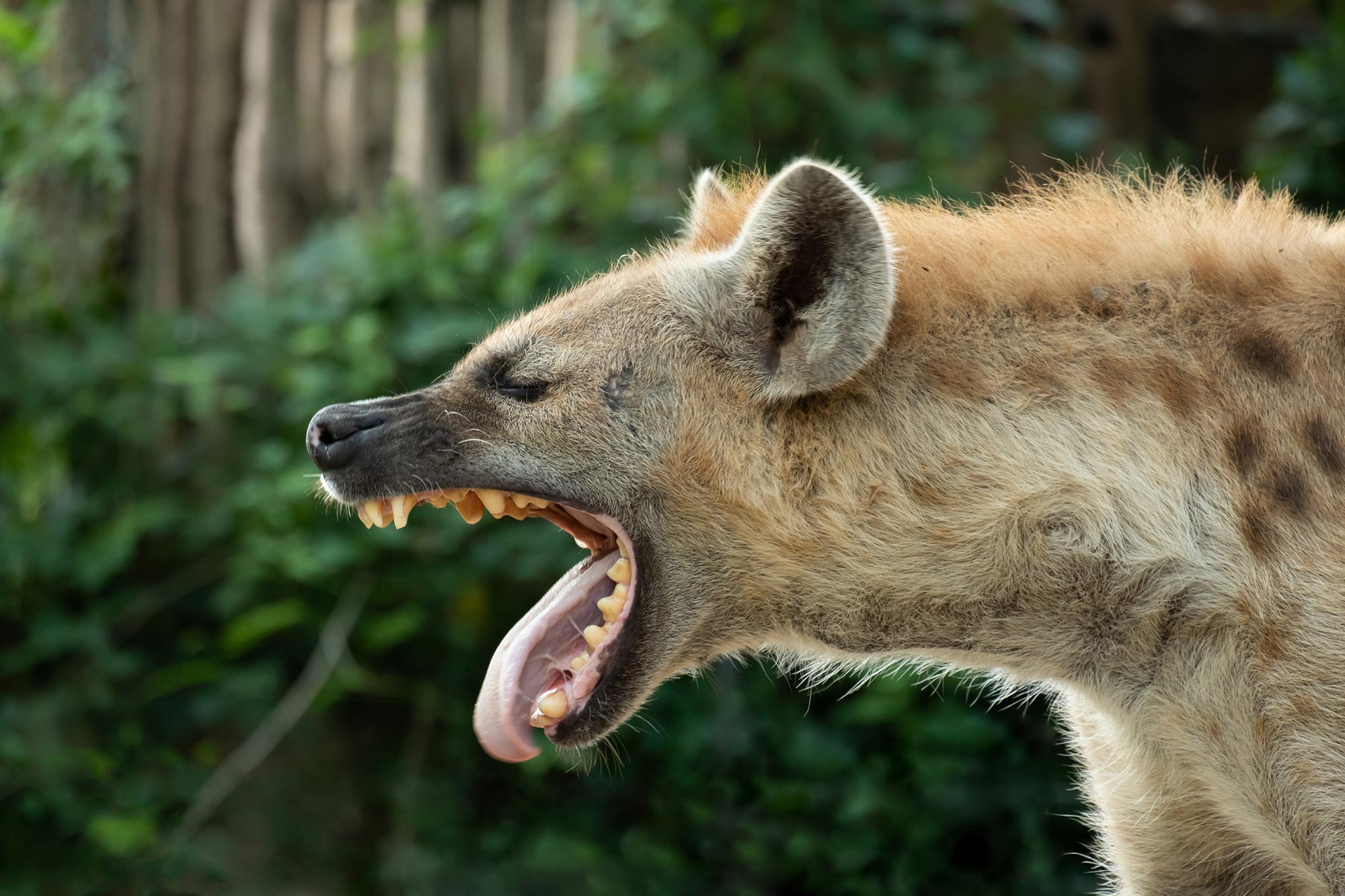
A new study reveals that bone-cracking hyenas uniquely maintain bite efficiency as their teeth wear, unlike other carnivores.
This insight into hypercarnivore dental durability, including observations from the extinct Hyaenodon, suggests evolutionary adaptations that could influence current understanding of carnivore mechanics.
A new study led by Dr. Jack Tseng, published today (November 11) in PeerJ Life & Environment, reveals how tooth wear affects jaw mechanics in hypercarnivores—mammals that rely heavily on meat in their diet. Since mammalian teeth do not regenerate, hypercarnivores often experience reduced bite efficiency as their teeth wear down over time. This research examines how different types of hypercarnivores, including scavengers, meat specialists, and bone-cracking predators, may adapt biomechanically and behaviorally to cope with the challenges of tooth wear.
Biomechanical Adaptations in Carnivores
The team analyzed three main types of carnivorous mammals: meat specialists like big cats, scavengers, and bone-cracking predators such as spotted hyenas. Using morphofunctional data, they examined factors like jawbone depth, bite efficiency, and jaw stress during biting to determine if these animals’ jaw mechanics show compensatory changes as their teeth become worn.
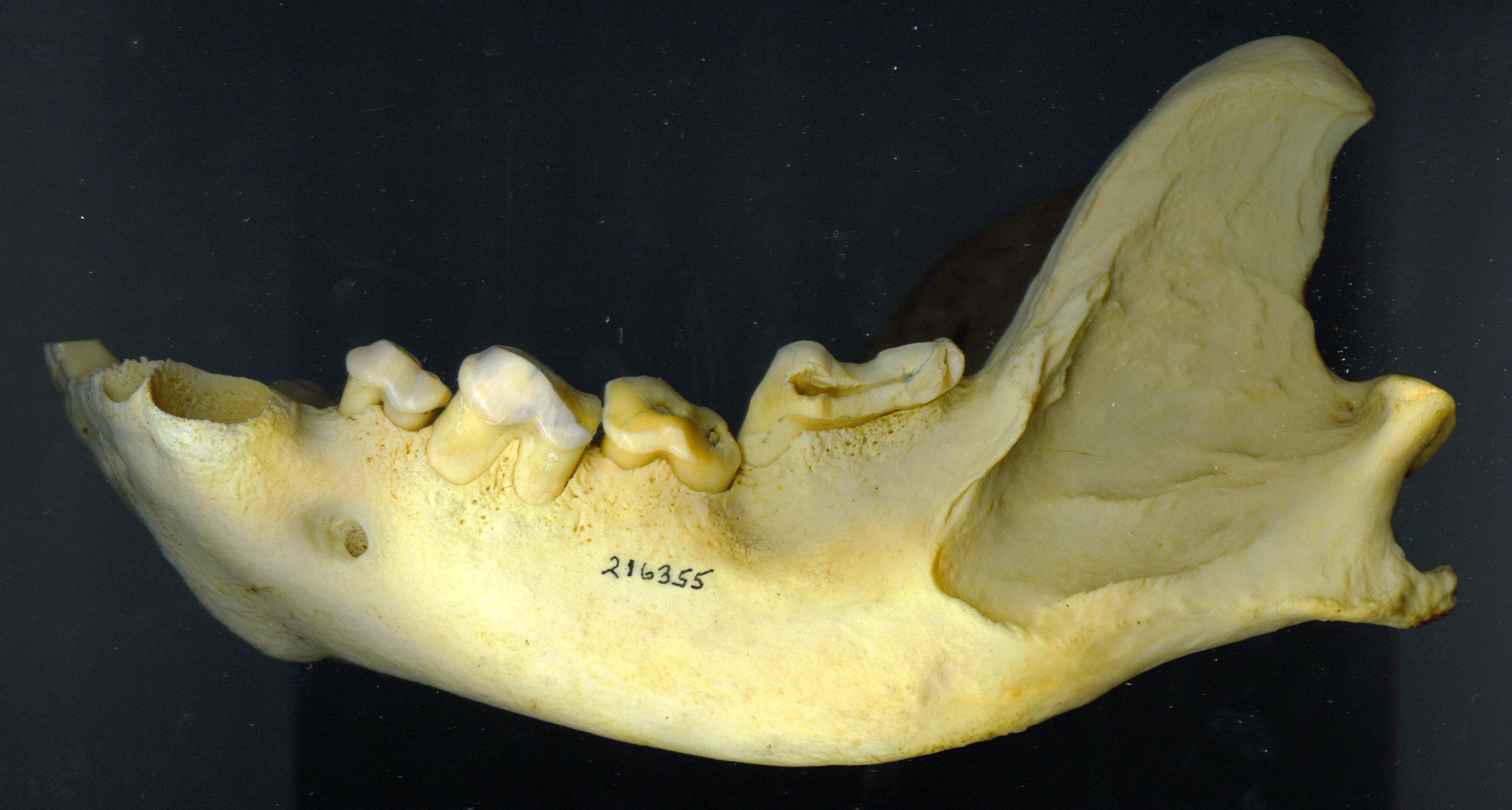
Key findings revealed that, among the species studied, only bone-cracking hyenas displayed significant increases in bite efficiency with tooth wear, maintaining performance without added jaw stress. Conversely, meat specialists and scavenging hyaenids did not demonstrate significant biomechanical compensation for tooth wear, suggesting that these groups may rely more on behavioral modifications to secure and process food.
Evolutionary Insights From Extinct Species
Dr. Tseng’s team also explored the extinct carnivore Hyaenodon, a species thought to have feeding adaptations similar to modern hyenas. Interestingly, Hyaenodon showed increased bite efficiency with worn teeth, though the researchers believe this adaptation may be driven more by species-specific evolutionary pressures than by life history.
“Once grown, adult teeth in living mammals are irreplaceable and have to last their entire lives. For top predators that rely on their teeth to acquire and process food, we wondered if changes in feeding performance from dental ‘wear and tear’ were compensated for by how the jaw mechanically resists stress from biting. We discovered that living predators and the extinct Hyaenodon may have used different biomechanical strategies to compensate for worn teeth.” explains Dr. Tseng.
Implications for Carnivore Evolutionary Studies
This study invites scientists to revisit the way we assess carnivore guilds, past and present, and highlights the dynamic relationship between evolutionary adaptations and life history stage in the animal kingdom.
Reference: “Relationship between tooth macrowear and jaw morphofunctional traits in representative hypercarnivores” by Z. Jack Tseng and Larisa R. G. DeSantis, 11 November 2024, PeerJ.
DOI: 10.7717/peerj.18435
Never miss a breakthrough: Join the SciTechDaily newsletter.
Follow us on Google and Google News.