
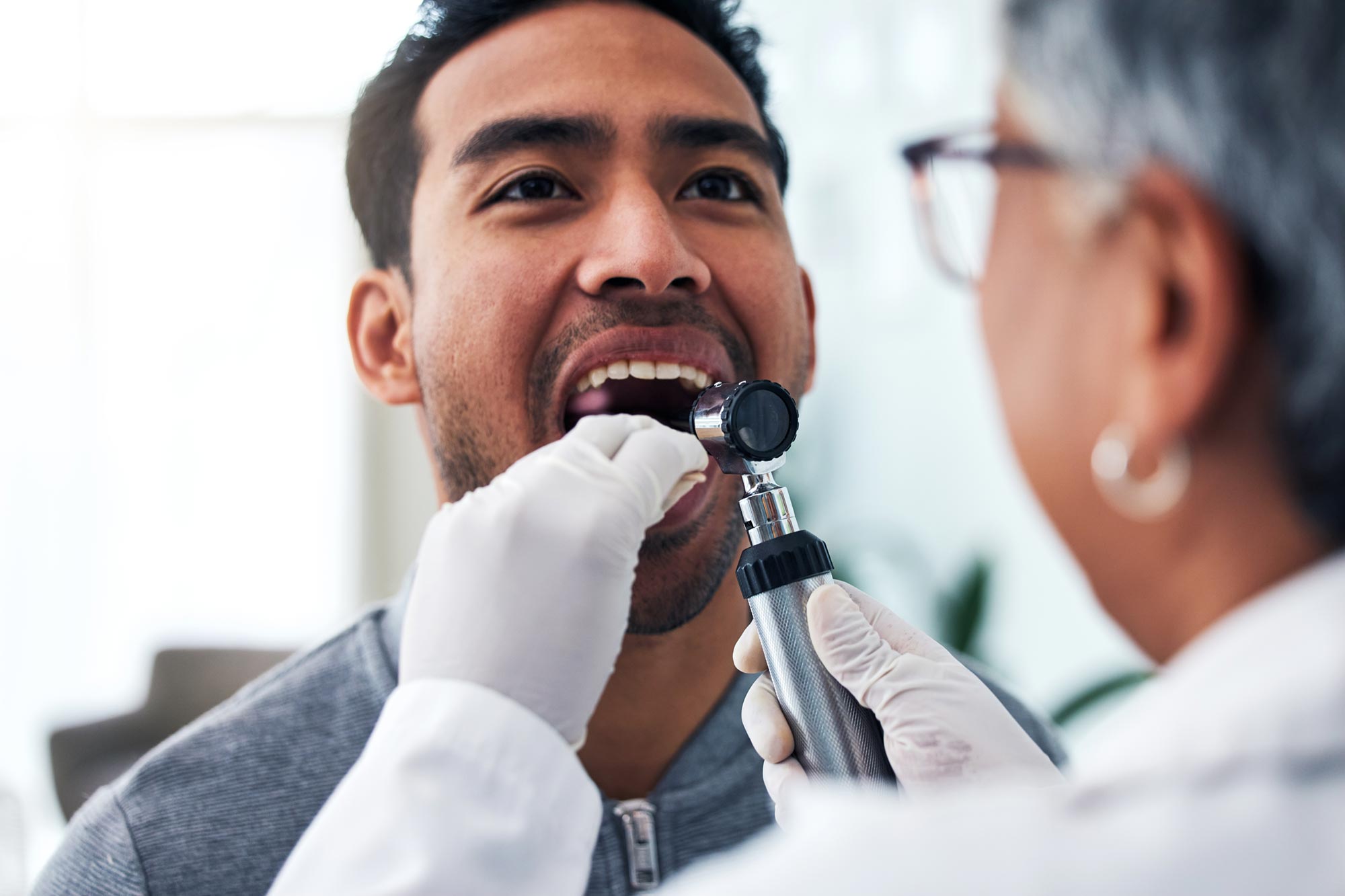
Even light drinking, around one standard drink a day, can significantly raise the risk of mouth cancer in India, with locally brewed alcohol being especially harmful.
A large study published today (December 23) in the open-access journal BMJ Global Health has found that drinking small amounts of alcohol each day is linked to a significantly higher risk of mouth cancer in India. Consuming just 9 g of alcohol daily, roughly the amount in one standard drink, was associated with about a 50% increase in risk. The strongest association was seen with locally brewed alcoholic drinks.
When alcohol use was combined with chewing tobacco, the impact was even greater. Researchers estimate that this combination may account for roughly 62% of all mouth (buccal mucosa) cancer cases nationwide.
Mouth Cancer Is Common and Often Deadly in India
Mouth cancer is the second most frequently diagnosed cancer in India. Each year, the disease is responsible for an estimated 143,759 new cases and 79,979 deaths. According to the researchers, rates have steadily increased and now approach 15 cases per 100,000 Indian men.
The most common form affects the soft pink tissue lining the cheeks and lips (buccal mucosa). Survival outcomes remain poor, with fewer than half of those diagnosed, about 43%, living five years or longer.
Untangling Alcohol and Tobacco Risks
Alcohol use and tobacco consumption often occur together, making it difficult to determine how much each factor independently contributes to cancer risk. This is especially challenging in India, where smokeless tobacco use is widespread, the researchers explain. In addition, the potential health effects of locally brewed alcohol, which is widely consumed in rural areas, have not been well studied.
To address these gaps, the research team analyzed data from five study centers collected between 2010 and 2021. They compared 1,803 people diagnosed with buccal mucosa cancer with 1,903 randomly selected individuals without the disease (controls). Most participants were between the ages of 35 and 54, and nearly 46% of cancer cases occurred among people aged 25 to 45.
Tracking Drinking and Tobacco Habits
Participants provided detailed information about how long they had consumed alcohol, how often they drank, and what types they used. This included 11 internationally recognized drinks such as beer, whisky, vodka, rum, and breezers (flavored alcoholic drinks), as well as 30 locally brewed beverages including apong, bangla, chulli, desi daru, and mahua.
They were also asked about tobacco use, including duration and type, allowing researchers to examine how alcohol and tobacco interact to influence mouth cancer risk.
Among those with cancer, 781 reported drinking alcohol, while 1,019 said they did not. In the control group, 481 drank alcohol, and 1,420 did not.
Heavier Use and Rural Living Linked to Higher Risk
People with cancer had used tobacco for longer periods on average, about 21 years compared with roughly 18 years among controls. They were also more likely to live in rural areas and to consume more alcohol daily, nearly 37 g on average versus about 29 g in the control group.
Frequent alcohol use was strongly associated with a higher risk of buccal mucosa cancer. Locally brewed drinks were linked to the greatest increase in risk.
Compared with people who did not drink alcohol, those who did had a 68% higher risk overall. The risk rose to 72% among those who preferred internationally recognised drinks and climbed to 87% among those who consumed locally brewed alcohol.
No Safe Amount Identified
Even very small amounts of alcohol appeared to matter. Drinking less than 2 g of beer per day was still associated with an increased risk of buccal mucosa cancer. Consuming 9 g of alcohol daily, roughly one standard drink, was linked to an approximately 50% rise in risk.
Using alcohol and tobacco at the same time had a particularly powerful effect. The combined exposure was associated with more than a fourfold increase in cancer risk. Based on their analysis, the researchers calculate that 62% of buccal mucosa cancer cases in India may be attributable to the interaction between alcohol and chewing tobacco.
How Alcohol May Increase Cancer Susceptibility
Alcohol contributed to increased cancer risk regardless of how long a person had used tobacco. The researchers suggest that ethanol may change the fat content of the mouth’s inner lining, making it more permeable and more vulnerable to carcinogens found in chewing tobacco products.
Overall, the findings indicate that more than one in ten buccal mucosa cancer cases in India, nearly 11.5%, are linked to alcohol consumption. In some high-risk states, including Meghalaya, Assam, and Madhya Pradesh, the proportion rises to about 14%.
Concerns About Unregulated Local Alcohol
The elevated risk tied to locally brewed alcohol may be partly explained by contamination with toxic substances such as methanol and acetaldehyde. Production of these drinks is largely unregulated, which may increase exposure to harmful compounds.
“The current legal framework for alcohol control in India is complex and involves both central and state laws. Central legislation provides protection of citizens where alcohol is included in the State List under the Seventh Schedule of the Indian Constitution, giving states the power to regulate and control alcohol production, distribution and sale. However, the locally-brewed liquor market is unregulated, with some forms used by participants containing up to 90% alcohol content,” the researchers point out.
Implications for Public Health
They conclude: “In summary, our study demonstrates that there is no safe limit of alcohol consumption for [buccal mucosa cancer] risk…Our findings suggest that public health action towards prevention of alcohol and tobacco use could largely eliminate [buccal mucosa cancer] from India.”
Reference: “Association of alcohol and different types of alcoholic beverages on the risk of buccal mucosa cancer in Indian men: a multicentre case-control study” by Grace Sarah George, Aniket Patil, Romi Moirangthem, Pravin Narayanrao Doibale, Ankita Manjrekar, Shruti Vishwas Golapkar, Nandkumar Panse, Manigreeva Krishnatreya, Aseem Mishra, Arjun Singh, Harriet Rumgay, Bayan Hosseini, Anil Chaturvedi, Preetha Rajaraman, Ann Olsson, Isabelle Soerjomataram, Pankaj Chaturvedi, Rajesh Dikshit and Sharayu Mhatre, 23 December 2025, BMJ Global Health.
DOI: 10.1136/bmjgh-2024-017392
Never miss a breakthrough: Join the SciTechDaily newsletter.
Follow us on Google and Google News.